
If you use a Yosuda Indoor Cycling Bike at home, you already know how helpful it can be for fitness. But like any machine, sometimes things don’t work as expected. Maybe the bike makes a strange noise, the resistance feels odd, or your monitor is blank. Troubleshooting these problems can seem confusing, especially if you’re new to exercise bikes. This guide will help you understand common issues, why they happen, and how to fix them step-by-step. With clear explanations and practical advice, you’ll learn to keep your Yosuda bike running smoothly and safely, so you can focus on your workouts instead of worrying about repairs.
Understanding Your Yosuda Indoor Cycling Bike
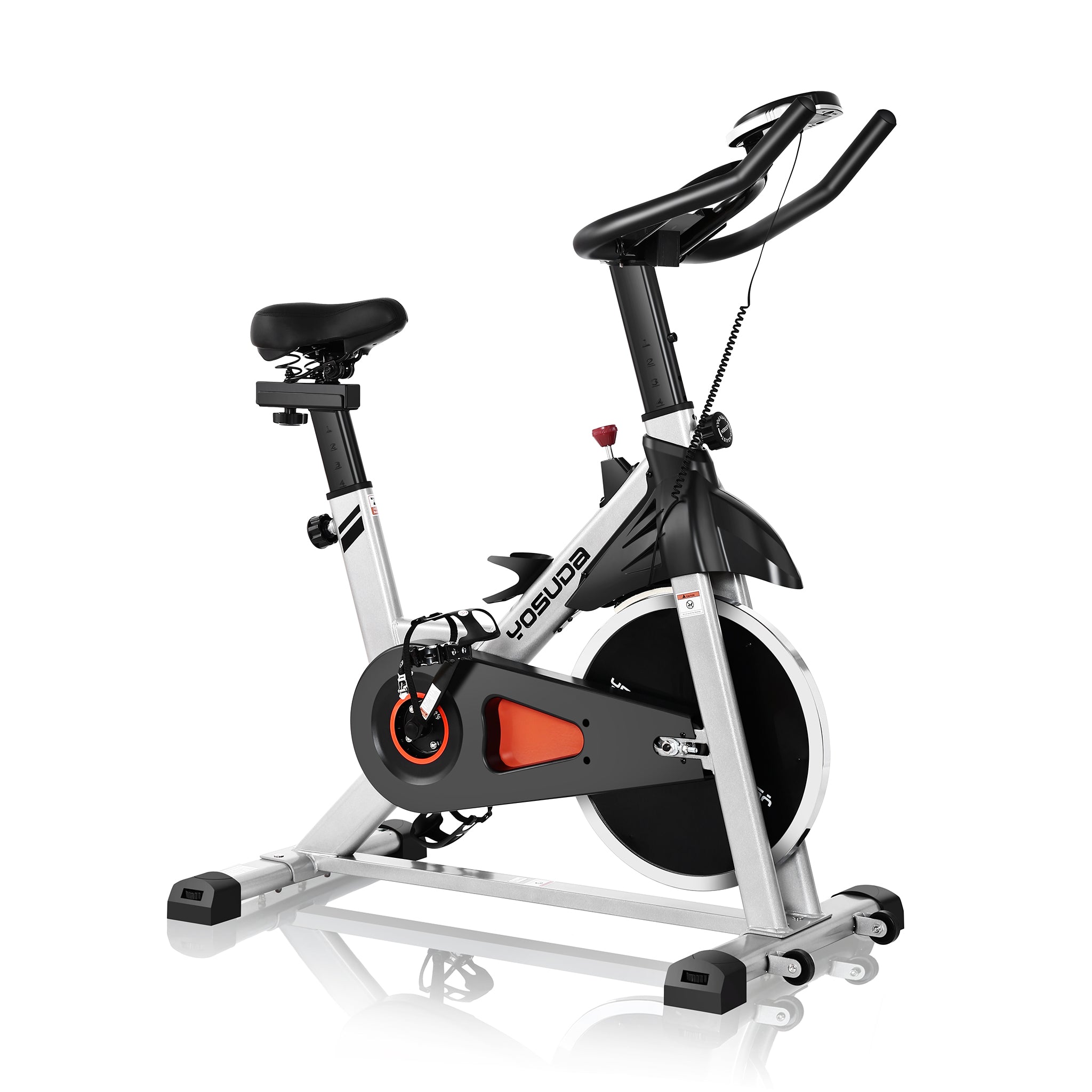
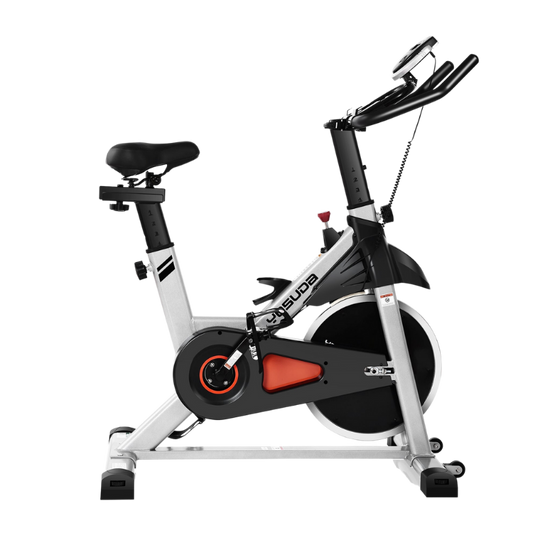
Before fixing any problem, it helps to know the main parts of your bike. The Yosuda Indoor Cycling Bike is popular because of its sturdy frame, adjustable resistance, and smooth ride. Most models include:
- Flywheel: Creates resistance and helps with smooth pedaling.
- Drive system: Usually a belt, which connects pedals to the flywheel.
- Resistance knob: Lets you change how hard it is to pedal.
- Monitor: Shows speed, distance, calories, and time.
- Seat and handlebars: Adjustable for comfort.
- Pedals and crank: Where you push with your feet.
Knowing these parts helps you spot problems faster. For example, if the resistance feels odd, the issue could be with the knob or the brake pad near the flywheel.
Key Features And Specs
Here’s a quick overview of typical Yosuda bike specifications:
| Feature | Specification |
|---|---|
| Flywheel Weight | 35 lbs (15.9 kg) |
| Drive System | Belt-driven |
| Resistance | Manual, friction-based |
| Weight Capacity | 270 lbs (122 kg) |
| Monitor | LCD, tracks speed, time, distance, calories |
Common Yosuda Bike Problems And Solutions
Most issues with indoor cycling bikes are not serious. With basic tools and a little patience, you can solve many problems yourself. Here are the most common troubles with Yosuda bikes and how to fix them.
1. Noise During Use
Unusual sounds—like squeaks, clicks, or rattling—are often noticed after a few months.
Causes
- Loose bolts or screws
- Dry or worn brake pads
- Misaligned belt
- Pedals not tightened
Fixes
- Check all bolts and screws: Use a wrench to tighten any loose parts.
- Lubricate brake pads: Apply a small amount of bike lubricant (not oil) to the brake pad area. Wipe away extra.
- Inspect the belt: If the belt looks off-center, adjust it. Most Yosuda bikes have a belt tension knob under the frame.
- Tighten pedals: Use a pedal wrench to secure them firmly.
Non-obvious tip: Sometimes, noise comes from the seat post rubbing against the frame. Add a thin layer of grease to the seat post.
2. Resistance Problems
If turning the resistance knob doesn’t change how hard it is to pedal, the workout may feel too easy or too hard.
Causes
- Worn brake pads
- Resistance knob not connected properly
- Build-up of dust or debris
Fixes
- Check brake pad wear: Look for thin or uneven pads. Replace if necessary.
- Inspect resistance knob connection: Remove the knob and check if it attaches smoothly to the brake system.
- Clean the flywheel area: Use a soft cloth to remove dust from the flywheel and pads.
Extra insight: If resistance changes suddenly during workouts, the brake pad may be slipping. A quick fix is tightening the resistance knob and checking for movement.
3. Monitor Issues
Sometimes the LCD monitor stops working, shows wrong numbers, or flickers.
Causes
- Dead batteries
- Loose wire connections
- Sensor misalignment
Fixes
- Replace batteries: Most monitors use AAA batteries. Change them and restart the monitor.
- Check wire connections: Follow the wire from the monitor to the sensor near the flywheel. Make sure connectors are pushed in firmly.
- Align the sensor: If your bike tracks speed or distance, the sensor must be close to the flywheel magnet. Adjust its position for accurate readings.
Non-obvious tip: If the monitor shows zero even when you pedal, check if the sensor magnet has fallen off the flywheel.
4. Seat And Handlebar Adjustment Problems
Sometimes the seat or handlebars slide down or feel loose during workouts.
Causes
- Loose adjustment knobs
- Worn threads on adjustment posts
- Incorrect setup
Fixes
- Tighten knobs: Turn all adjustment knobs until they are snug. Avoid over-tightening.
- Inspect threads: If the posts have worn threads, they may slip. Replace if needed.
- Check seat/handlebar position: Make sure you insert the posts to the marked limit lines.
Extra insight: If the seat moves during sprints, try wrapping a thin layer of tape around the post for added grip.
5. Pedal And Crank Issues
Pedals may feel loose, click, or even break. The crank arms can also bend with heavy use.
Causes
- Improper pedal installation
- Crank arm damage
- Worn bearings
Fixes
- Check pedal installation: Pedals are labeled “L” (left) and “R” (right). Install each on the correct side and tighten with a pedal wrench.
- Inspect crank arms: Look for bending or cracks. Replace if damaged.
- Check bearings: If pedaling feels rough or jerky, the crank bearings may need lubrication or replacement.
Non-obvious tip: Many users forget to check pedal washers. Adding a washer can reduce noise and improve stability.
6. Belt Slipping Or Wear
A belt-driven system is quieter than chain-driven bikes, but the belt can slip or wear out over time.
Causes
- Belt tension too loose or tight
- Worn belt teeth
- Misaligned pulleys
Fixes
- Adjust belt tension: Find the tension knob or screws under the frame. The belt should be tight but not stretched.
- Inspect for wear: Look for cracks or missing teeth on the belt. Replace if needed.
- Align pulleys: Make sure the belt runs straight between the pulleys.
Extra insight: Belt replacement is easier if you take photos during disassembly to remember the setup.
7. Brake Pad Replacement
The brake pads create friction for resistance. If you use your bike often, they can wear out quickly.
Causes
- Frequent high-resistance use
- Pads made of soft material
- Not cleaning after workouts
Fixes
- Check pad thickness: If less than 3mm, replace.
- Replace pads: Yosuda pads are available online. Follow instructions for your model.
- Clean pads: Wipe with a dry cloth after every workout to reduce wear.
Non-obvious tip: Upgrading to higher-quality pads can make resistance smoother and last longer.
8. Wobbly Bike Or Frame Instability
If your bike rocks or moves during exercise, it’s not safe.
Causes
- Uneven floor
- Loose stabilizer bolts
- Damaged frame
Fixes
- Check floor level: Use a spirit level or place a mat under the bike.
- Tighten stabilizer bolts: Most bikes have bolts at the front and back. Tighten with a wrench.
- Inspect frame for cracks: If the frame is damaged, stop using the bike and contact Yosuda support.
Extra insight: Placing your bike on a rubber mat reduces noise and absorbs vibrations.
9. Unusual Smells
Sometimes, you may notice a burning smell or a strong odor during workouts.
Causes
- Overheated brake pad
- Belt friction
- Dust build-up
Fixes
- Stop and check: If you smell burning, stop using the bike immediately.
- Inspect brake pad and belt: Look for signs of wear or melting. Replace if needed.
- Clean flywheel and belt area: Dust can cause smells when heated.
Non-obvious tip: If you use cleaning sprays, make sure they are safe for plastic and rubber parts.
Step-by-step Troubleshooting Guide
If you’re not sure what’s wrong, follow this simple checklist:
- Listen and look: Identify where the noise or issue comes from.
- Check connections: Make sure all parts are tight and wires are connected.
- Test resistance and monitor: Try adjusting resistance and check the monitor display.
- Inspect moving parts: Look at pedals, crank, flywheel, and belt.
- Clean and lubricate: Remove dust and lubricate moving parts.
- Consult manual: Yosuda includes a troubleshooting section in their manual.
If the problem continues, contact Yosuda customer support or a local bike repair shop.
Comparing Yosuda To Other Indoor Cycling Bikes
Yosuda bikes are known for their affordable price, but how do they compare to other popular brands in terms of durability and maintenance?
| Brand | Price Range | Maintenance Frequency | Common Issues |
|---|---|---|---|
| Yosuda | $250–$400 | Low to Medium | Brake pad wear, monitor issues |
| Schwinn | $450–$1,000 | Medium | Belt wear, resistance knob |
| Peloton | $1,500–$2,500 | Medium to High | Software glitches, pedal replacement |
Yosuda bikes require less frequent maintenance, but their budget design means you should check pads and bolts often.
Maintenance Tips To Prevent Problems
Proper care can keep your bike in good shape and reduce the need for repairs. Here are some practical tips:
- Clean after every use: Wipe sweat and dust from the bike.
- Lubricate moving parts monthly: Use bike-specific grease.
- Inspect bolts and screws weekly: Tighten if loose.
- Replace brake pads every 6–12 months: Depending on usage.
- Keep the bike indoors: Moisture can rust metal parts.
- Check monitor batteries every 3 months: Replace as needed.
Example Maintenance Schedule
| Task | Frequency |
|---|---|
| Wipe bike down | After every workout |
| Lubricate brake pad | Monthly |
| Inspect pedals and crank | Quarterly |
| Replace brake pads | Annually |
| Check monitor batteries | Every 3 months |
When To Call For Professional Help
Some problems are easy to fix, but others need expert attention. Call a professional if:
- You see cracks or serious damage in the frame.
- The belt or crank won’t move even after adjustment.
- The monitor smells like burning or won’t turn on after battery change.
- You’re not comfortable doing repairs yourself.
Professional repair can prevent further damage and keep your warranty safe.
Safety Tips During Troubleshooting
Safety is always important. Here are simple rules:
- Unplug the monitor before working with wires.
- Wear gloves when handling the flywheel, belt, or crank.
- Don’t over-tighten bolts—this can break threads.
- Test the bike slowly after repairs before full use.
Real-life Examples
Many Yosuda owners share their experiences online. Here are two examples:
- Case 1: A user noticed a loud clicking sound. After tightening the pedals and lubricating the crank, the sound stopped.
- Case 2: The monitor showed “0” for speed. The user found the sensor magnet had fallen off and fixed it with double-sided tape.
These stories show that simple fixes often solve most problems.
Resources For Yosuda Owners
If you need more help, here are useful resources:
- Yosuda official website for manuals and support.
- YouTube videos for step-by-step repairs.
- Forums like Reddit for user tips.
- Consumer Reports for fitness equipment reviews.
Frequently Asked Questions
What Should I Do If My Yosuda Bike Monitor Won’t Turn On?
First, check the batteries. Replace them with new AAA batteries. If the monitor still doesn’t work, look for loose wire connections between the monitor and sensor. Make sure they are firmly plugged in. If all else fails, contact Yosuda support for a replacement.
How Can I Fix Squeaky Noises During Pedaling?
Squeaks often come from dry brake pads or loose bolts. Lubricate the brake pad area with a bike-specific lubricant. Tighten all bolts and screws with a wrench. Also, check if the seat post needs a little grease to reduce friction.
Why Does The Resistance Knob Feel Stuck Or Loose?
If the resistance knob is stuck, it may be dirty or have worn threads. Clean around the knob and check the connection to the brake pad. If it’s loose, try tightening the knob or replacing it if the threads are damaged.
How Often Should I Replace Brake Pads On My Yosuda Bike?
For average use, change brake pads every 6–12 months. If you use your bike daily or at high resistance, check the pads every few months. Replace them if they are less than 3mm thick or look uneven.
Is It Safe To Use My Yosuda Bike On An Uneven Floor?
No, using the bike on an uneven floor can make it unstable and unsafe. Place a rubber mat or adjust the stabilizer feet to level the bike. Always check stability before starting your workout.
Taking care of your Yosuda Indoor Cycling Bike doesn’t have to be difficult. With the steps and tips in this guide, you can solve most problems yourself and keep your workouts smooth. Remember, regular cleaning and inspection are your best tools for preventing issues.
If a repair seems too hard or unsafe, don’t hesitate to ask for expert help. With a little attention, your Yosuda bike will give you years of reliable exercise at home.


