
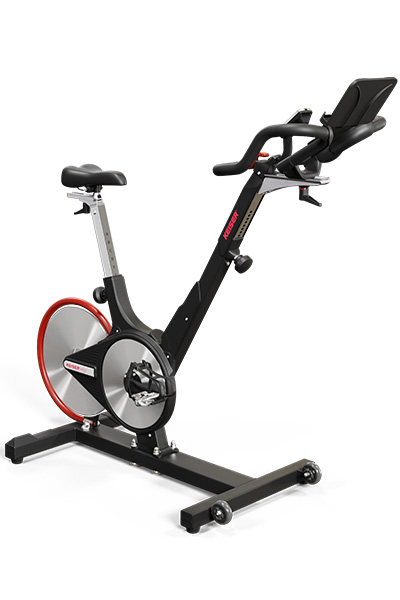
If you’re looking to track your calorie burn with the Keiser M3i indoor bike, you’re not alone. Many riders want to know how many calories they burn per hour and what factors influence these numbers. This guide explores the science behind calorie burn on the Keiser M3i, the real numbers you can expect, and practical ways to maximize your results. Whether you’re a home user, a group class enthusiast, or just curious about your workout stats, this article will give you clear answers and surprising insights that most beginners miss.
Understanding Calorie Burn On The Keiser M3i
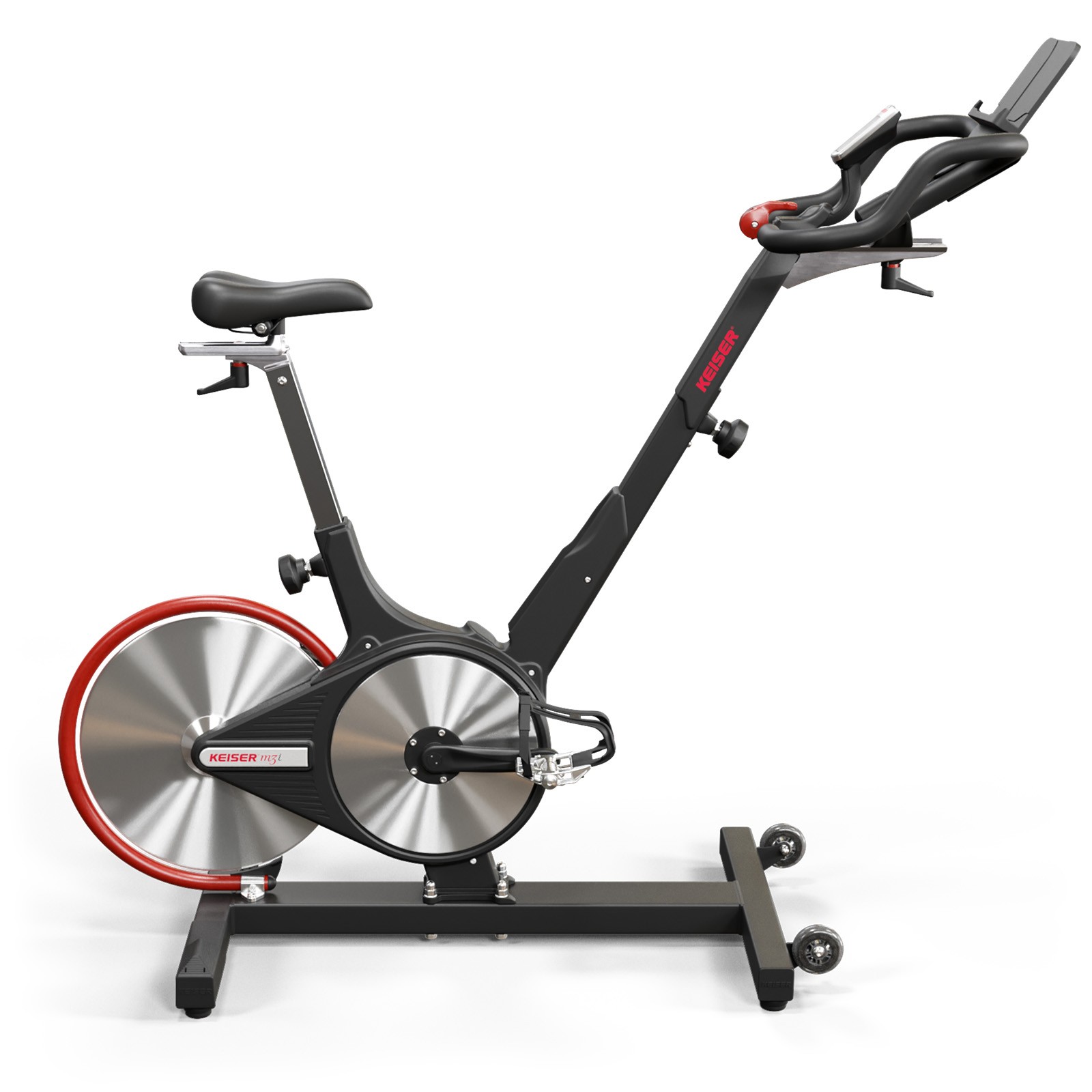
When people talk about the Keiser M3i calorie burn per hour, they often expect a simple number. The truth is, calorie burn is personal. It depends on your age, weight, gender, fitness level, and—most importantly—how hard you ride. The Keiser M3i comes with a built-in computer that estimates calories, but understanding how these numbers are calculated will help you use them wisely.
The M3i’s digital display uses your power output (watts), ride time, and sometimes your heart rate (if you use a compatible monitor). These metrics help it estimate calories burned. While these numbers are useful, they are estimates—not exact counts. Still, with the right approach, you can get very close to your true calorie burn.
What Affects Calorie Burn On The Keiser M3i?
Many new riders think everyone burns calories at the same rate. Actually, two people can do the same workout and burn very different amounts of calories. Here’s why:
- Body Weight: Heavier riders burn more calories because it takes more energy to move their bodies.
- Intensity Level: Riding at higher resistance or speed increases calorie burn.
- Duration: The longer you ride, the more total calories you burn.
- Age & Gender: Younger people and men often burn calories slightly faster due to muscle mass.
- Fitness Level: Fitter riders can push harder, raising their calorie burn.
Let’s look at the numbers for different scenarios.
Keiser M3i: Calorie Burn Per Hour Breakdown
The following table shows estimated calories burned per hour for different body weights and ride intensities on the Keiser M3i:
| Body Weight (lbs) | Moderate Intensity (1 hour) | Vigorous Intensity (1 hour) |
|---|---|---|
| 120 | 420 | 630 |
| 150 | 525 | 780 |
| 180 | 630 | 950 |
| 210 | 735 | 1100 |
| 240 | 840 | 1260 |
Moderate intensity means you can talk but not sing during the ride. Vigorous intensity means you’re breathing hard and talking is difficult. These numbers are averages, but your individual results may vary.
Example Scenarios
- A 150-pound rider cycling at moderate intensity burns about 525 calories in an hour.
- The same rider, pushing hard at vigorous intensity, can burn around 780 calories.
- A heavier 210-pound person can reach up to 1100 calories per hour at vigorous intensity.
How The Keiser M3i Estimates Calories
The Keiser M3i uses a power-based approach to estimate calories. This is more accurate than older spin bikes that use only speed or time. Here’s how it works:
- The bike measures watts, which is the actual power you produce.
- It multiplies watts by your ride time to get total energy output.
- If you use a heart rate monitor, it can fine-tune the estimate based on your effort.
While this is a smart system, the bike does not know your exact body weight or metabolism unless you enter these details in a connected app. For best accuracy, link the M3i to a fitness app or heart rate strap.
Real-life Data: Comparing Keiser M3i With Other Spin Bikes
How does the Keiser M3i compare to other popular indoor bikes in terms of calorie burn estimation? Here’s a comparison:
| Bike Model | Calorie Estimation Method | Accuracy Level |
|---|---|---|
| Keiser M3i | Power (watts), HR monitor integration | High |
| Peloton | Power (watts), user profile | High |
| Schwinn IC4 | Speed, resistance, optional HR | Medium |
| Sunny SF-B1805 | Time, speed (no power) | Low |
The Keiser M3i stands out because it measures your actual output, not just estimates based on time and speed. This gives you a clearer idea of how hard you’re working—and how many calories you’re burning.
How To Maximize Calorie Burn On The Keiser M3i
You can influence your calorie burn per hour by changing how you ride. Here are the most effective strategies:
- Increase Resistance: Turning up the resistance knob makes your muscles work harder, which burns more calories.
- Ride Intervals: Alternate between fast sprints and slower recovery. Intervals push your heart rate up, leading to higher overall calorie burn.
- Add Standing Segments: Standing up while pedaling uses more muscle groups, raising your calorie output.
- Lengthen Your Ride: Even 10 extra minutes can add 100+ calories burned.
- Use a Heart Rate Monitor: This helps you stay in the right zone for fat loss or endurance.
Pro Tip
One thing beginners often miss: Cadence (RPM) matters, but resistance is more important for calorie burn. Spinning your legs very fast on low resistance feels easier, but burns fewer calories than a slower, heavier ride.
Common Mistakes When Estimating Calorie Burn
Many riders trust the bike’s display 100%. However, two common mistakes can lead to confusion:
- Not entering your weight (in connected apps): The default calorie estimate may be for a “standard” user, not you.
- Ignoring heart rate zones: If you ride below your target heart rate, you may burn fewer calories than you think.
To get the best numbers:
- Always sync your weight and age in the app.
- Wear a compatible heart rate chest strap for more accurate readings.
Keiser M3i Calorie Burn Vs. Other Cardio Machines
If you’re comparing the Keiser M3i to treadmills, ellipticals, or rowing machines, it helps to see average calorie burns side by side.
| Activity | Calories Burned per Hour (150 lbs) | Calories Burned per Hour (200 lbs) |
|---|---|---|
| Keiser M3i (moderate) | 525 | 700 |
| Treadmill (5 mph) | 600 | 800 |
| Elliptical (moderate) | 525 | 700 |
| Rowing Machine (vigorous) | 600 | 840 |
| Outdoor Cycling (leisure) | 400 | 540 |
The Keiser M3i is on par with other top cardio machines for calorie burn. With vigorous effort, it can even surpass many of them.
The Science Behind Calorie Estimates
Calorie burn is based on the energy your body uses to work against resistance. On the Keiser M3i, this is measured in watts. The more watts you produce, the more calories you burn.
Here’s a simplified formula used by many fitness apps:
- 1 watt of cycling power ≈ 0.01433 calories per minute
If you ride at 150 watts for 60 minutes:
- 150 watts x 0.01433 x 60 minutes ≈ 129 calories
But remember, this only measures mechanical work. Your body is not 100% efficient. You actually burn more calories due to heat loss and other body processes. That’s why the real numbers are higher.
Advanced Tracking: Using Apps With The Keiser M3i
The Keiser M3i connects to popular fitness apps via Bluetooth. This lets you save your workouts and get more accurate calorie data. Some popular options:
- Keiser M Series App: Free, tracks power, cadence, calories, and heart rate.
- Zwift: Virtual cycling world that uses your power for competitive rides.
- Strava: Tracks your rides and compares calorie burn with other users.
By syncing your data, you can spot trends and set calorie goals that match your fitness plan.
Non-obvious Tip
Most beginners ignore the cool-down period. However, you continue to burn calories even after your ride due to “afterburn” (EPOC). This effect is stronger after interval or high-resistance rides.
Real User Stories: Calorie Burn Experiences
Hearing from actual Keiser M3i owners can help set realistic expectations:
- Maria, 42, 130 lbs: “I burn about 400-450 calories per hour in my group class at moderate intensity. When I push harder, I see 600+.”
- James, 29, 190 lbs: “A HIIT session on the M3i shows about 900 calories burned in 55 minutes with my chest strap.”
- Lena, 52, 150 lbs: “I always enter my weight in the app. My one-hour rides usually say 500 to 550 calories, which matches my fitness tracker.”
These stories show that the bike’s estimates can be close—but inputting your info and riding with effort makes a big difference.
How To Use Calorie Burn Data For Weight Loss
Knowing your Keiser M3i calorie burn per hour is helpful, but only if you use the data correctly. Here’s how:
- Track Your Intake and Output: Use a food diary and your bike’s numbers to keep a calorie deficit if you want to lose weight.
- Be Consistent: Riding 3–5 days per week at moderate to vigorous intensity works best for fat loss.
- Adjust as You Lose Weight: As you get lighter, your calorie burn per hour will decrease. Update your weight in the app monthly.
Hidden Insight
Many riders plateau because they don’t adjust their workout as they get fitter. To keep burning the same number of calories, slowly increase your ride intensity or duration over time.
Health Benefits Beyond Calorie Burn
Burning calories is just one benefit. Regular use of the Keiser M3i can improve:
- Heart health: Lowers blood pressure and strengthens your heart.
- Muscle tone: Builds leg and core strength, especially with higher resistance.
- Mental health: Releases endorphins and reduces stress.
Focusing only on calories can cause you to miss these long-term benefits.
Should You Trust The Keiser M3i Calorie Display?
The Keiser M3i’s calorie numbers are more accurate than most spin bikes, but they are still estimates. For best results:
- Use a heart rate monitor and enter your weight in the app.
- Trust the trends, not the exact number each ride.
- Focus on consistent effort over time.
If you want to learn more about exercise physiology and calorie burn, check reputable sources like the CDC’s calorie estimation guide.
Frequently Asked Questions
How Accurate Is The Keiser M3i’s Calorie Burn Estimate?
The Keiser M3i uses power output and can integrate with heart rate data, making it more accurate than most spin bikes. However, unless you enter your weight and use a heart rate monitor, the numbers are still estimates. For most users, it’s accurate within 10–20%.
Can Heavier Riders Burn More Calories On The Keiser M3i?
Yes. Heavier riders burn more calories at the same intensity because moving a larger body mass requires more energy. Always enter your correct weight for the best estimate.
Does Riding Faster Always Burn More Calories?
Not necessarily. Resistance level is more important than speed. High cadence on low resistance feels hard, but burns fewer calories than slower, higher-resistance rides. Mix both for best results.
Will I Keep Burning Calories After My Keiser M3i Workout?
Yes. After intense rides, your body keeps burning calories during recovery (known as EPOC or afterburn). This effect is small but adds up over time, especially with interval training.
Which Is Better For Calorie Burn: Keiser M3i Or Treadmill?
Both can burn similar calories per hour, depending on effort. The Keiser M3i is lower-impact and uses more muscle groups at higher resistance, while treadmills may burn slightly more at high running speeds. The best choice is the one you enjoy and will use consistently.
Burning calories with the Keiser M3i is both science and art. Understanding your numbers will help you train smarter and reach your goals faster. Keep riding, stay consistent, and remember: the real results come from regular effort, not just the numbers on your screen.

