
Living with knee pain can make daily movement difficult, and even simple exercise can feel impossible. Many people look for gentle ways to stay active without causing more discomfort. One device that has become popular is the Cubii Jr1, a compact under-desk elliptical machine. But is the Cubii Jr1 good for knee pain, or can it make things worse? This article explores what the Cubii Jr1 offers, how it works, and whether it’s a safe and effective option for those with knee problems.
Understanding Knee Pain
Knee pain is common and affects people of all ages. It might come from injuries like ligament tears or overuse, or from conditions such as osteoarthritis and rheumatoid arthritis. Sometimes, knee pain is caused by weak muscles or poor joint alignment. For many, pain limits movement, making it harder to exercise and stay healthy.
The most important part of managing knee pain is finding the right balance between rest and movement. Too much rest can cause muscles to weaken further, while the wrong type of exercise can make pain worse. This is why low-impact exercise equipment is often recommended for people with knee issues.
What Is The Cubii Jr1?
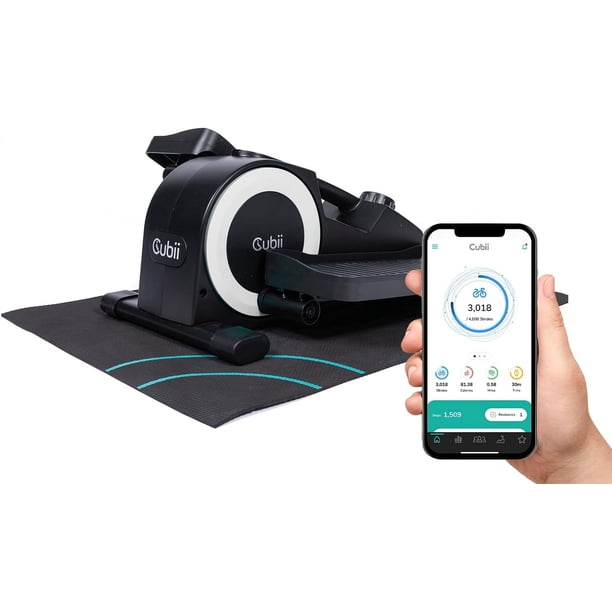
The Cubii Jr1 is a small, under-desk elliptical machine. It allows users to pedal while sitting, either at a desk, on the couch, or even in a wheelchair. Unlike regular ellipticals, the Cubii Jr1 is designed to be used while you remain seated. Its features include:
- Eight resistance levels for varied intensity
- A built-in display to track time, distance, and calories burned
- Smooth, quiet operation that doesn’t disturb others
- Compact size for easy storage
People use the Cubii Jr1 at home, in offices, or during recovery after surgery or injury. Its popularity has grown among seniors, people with mobility challenges, and anyone looking for a way to move more during the day.
How Does The Cubii Jr1 Work?
The Cubii Jr1 works by simulating an elliptical motion for your feet. When you pedal, your legs move in a gentle, circular path. This motion is smoother and softer than walking or climbing stairs. The device stays on the floor, and you push the pedals forward and back with your feet while sitting.
Because your feet stay on the pedals the whole time, there’s less impact on the knee joint compared to walking or jogging. The resistance levels can be changed using a dial, allowing you to adjust how hard you need to push.
The Cubii Jr1 also tracks your movement. The display screen shows:
- Active minutes
- Rotations (strides)
- Distance traveled
- Estimated calories burned
This helps people set goals and see their progress, which can motivate regular use.
Benefits Of Low-impact Exercise For Knee Pain
Low-impact exercise is recommended for people with knee pain because it:
- Reduces joint stress: Your knees experience less force compared to high-impact exercise like running.
- Strengthens muscles: It helps build strength in the quadriceps, hamstrings, and calf muscles, which support the knee joint.
- Improves flexibility and mobility: Gentle motion keeps the knee moving, preventing stiffness.
- Supports weight management: Regular activity burns calories, which can help with weight loss—a key factor in reducing knee pain.
- Boosts circulation: Moving your legs increases blood flow, which supports healing and reduces swelling.
The Cubii Jr1 fits these criteria because it keeps your feet in contact with the pedals and avoids sudden impact. For many people, this makes it a safer option than walking on hard surfaces or using a treadmill.
Cubii Jr1 Vs. Other Under-desk Ellipticals
Many under-desk ellipticals are available, but not all offer the same experience. Here’s a comparison of the Cubii Jr1 with two other popular models:
| Feature | Cubii Jr1 | Stamina InMotion | Sunny Health & Fitness |
|---|---|---|---|
| Resistance Levels | 8 | Adjustable (manual) | 8 |
| Display Screen | Yes (LCD) | Yes (basic) | Yes (basic) |
| Weight | ~25 lbs | ~24 lbs | ~24.2 lbs |
| Noise Level | Very quiet | Moderate | Quiet |
| Pedal Motion | Smooth elliptical | Elliptical or step | Elliptical |
| Price Range | $$$ | $$ | $$ |
The Cubii Jr1 stands out for its smooth motion, quiet operation, and sturdy construction. These features are especially important for people with knee pain, as jerky or unstable motion can make symptoms worse.
Can The Cubii Jr1 Help With Knee Pain?
Many users find that the Cubii Jr1 helps reduce their knee pain over time. Here’s how:
1. Gentle Range Of Motion
The elliptical path moves your knee through a mild range of motion. This can help keep the joint flexible without forcing it to bend too far. For people with stiffness from arthritis or after surgery, this gentle movement can make a big difference. It’s less likely to cause sudden sharp pain compared to exercises like squats or lunges.
2. Muscle Strengthening
Strong muscles around the knee are key for support. The Cubii Jr1 works the quadriceps, hamstrings, and calves—all important for knee health. Strengthening these muscles reduces the load on the joint itself, which can ease pain.
3. Low Impact On Joints
Because your feet never leave the pedals, there’s no pounding force on the knee. This makes the Cubii Jr1 much safer than running or jumping, especially for those with osteoarthritis or recovering from injury.
4. Encourages Regular Movement
Many people with knee pain become less active, which can lead to more weakness and stiffness. The Cubii Jr1 can be used while watching TV or working, making it easier to build movement into your day.
Example: Arthritis Sufferer
Jane, a 62-year-old with knee arthritis, started using the Cubii Jr1 for 20 minutes twice a day. After three months, she noticed less morning stiffness and was able to walk longer distances without pain. Her doctor agreed the regular movement helped keep her joint more flexible.
Risks And Limitations
While the Cubii Jr1 has many benefits, it’s not perfect for everyone.
1. Not All Pain Is The Same
If your knee pain is caused by a severe injury, infection, or major joint instability, using the Cubii Jr1 might make things worse. It’s important to talk to a doctor or physical therapist before starting any new exercise, especially if you have:
- Recent surgery
- Unexplained swelling or redness
- Sharp or severe pain
2. Limited Range Of Motion
The Cubii Jr1 doesn’t allow for a full knee bend. For some types of rehabilitation, you might need a greater range of motion or different exercises.
3. Overuse Risks
It’s easy to overdo it, especially at higher resistance levels. Some users report soreness or fatigue if they use the device for long periods without breaks.
4. Not A Full Substitute
While helpful, the Cubii Jr1 is not a replacement for walking or standing activities. For the best results, combine its use with other exercises your doctor recommends.
Tips For Using The Cubii Jr1 With Knee Pain
Getting the most from your Cubii Jr1 means using it the right way. Here are some expert tips:
- Start slow: Begin at the lowest resistance and use for 5-10 minutes. Increase time and resistance gradually.
- Listen to your body: If you feel sharp pain, stop and rest. Mild soreness is normal, but pain is not.
- Keep good posture: Sit upright with your feet flat on the pedals. Avoid slouching, which can strain your back and hips.
- Stay consistent: Short, daily sessions are more effective than one long workout once a week.
- Combine with stretching: Gentle stretches before and after can help prevent tightness.
- Hydrate: Even light exercise increases your need for water.
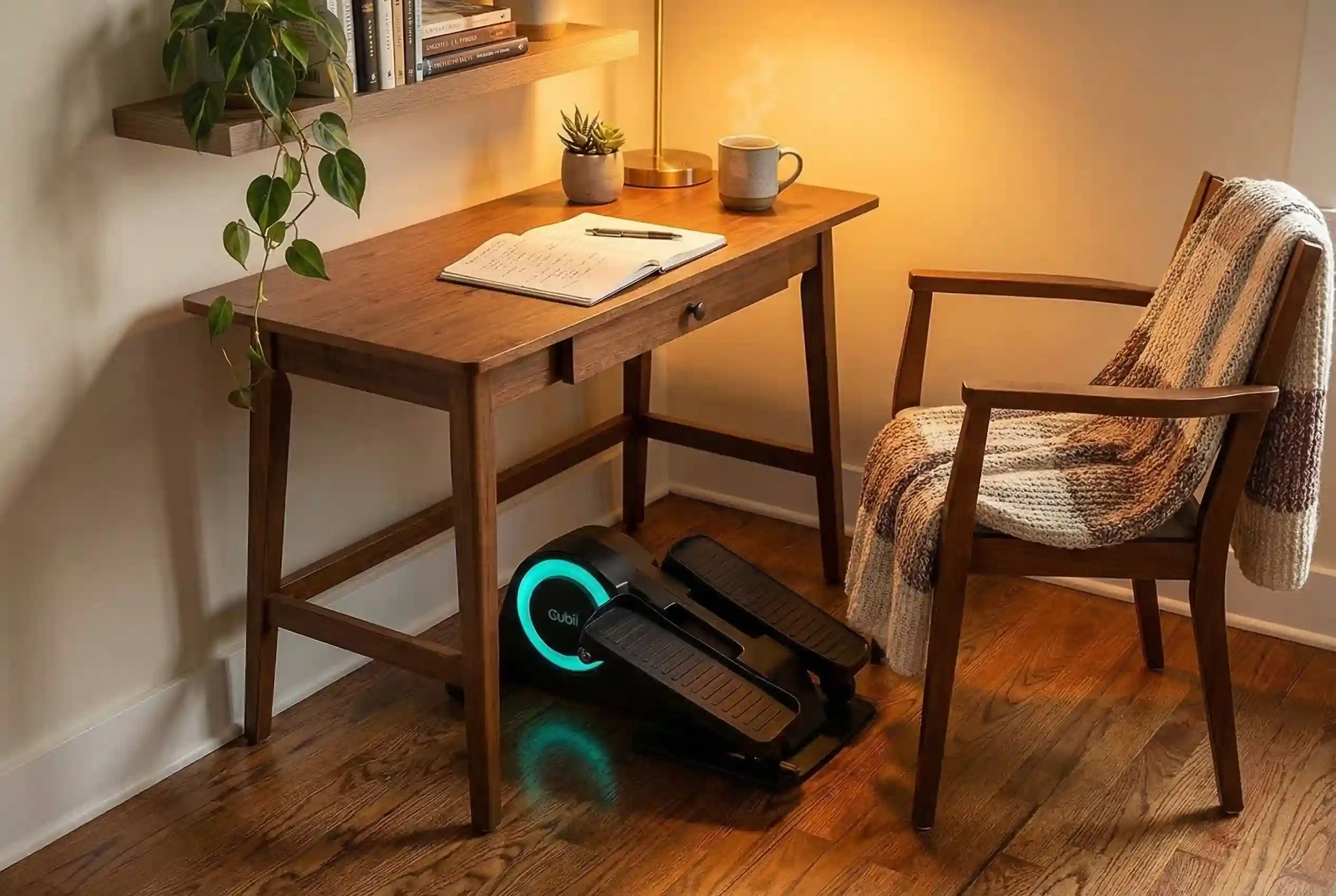
- Check device placement: Place the Cubii Jr1 far enough from your chair so your knees don’t hit the underside of your desk.
How The Cubii Jr1 Compares To Other Exercise Options
People with knee pain have several choices for low-impact exercise. Let’s compare the Cubii Jr1 to some common alternatives:
| Exercise Type | Impact Level | Muscle Groups Used | Ease for Knee Pain | Convenience |
|---|---|---|---|---|
| Cubii Jr1 | Very low | Legs, core | High | Very high (can use while sitting) |
| Stationary Bike | Low | Legs | High | Medium (needs space) |
| Swimming | Very low | Whole body | Very high | Low (needs pool) |
| Walking | Medium | Legs, core | Moderate (depends on surface) | High |
| Seated Stepper | Low | Legs | High | High |
The Cubii Jr1 stands out for its convenience and very low impact. Unlike a stationary bike, it doesn’t require mounting or balancing, making it safer for those with poor stability.
Non-obvious Insights For Beginners
- Foot Placement Matters: Many first-time users put their feet too far forward on the pedals, which can put strain on the toes instead of the whole foot. Place your feet so the ball and heel both rest flat—this spreads pressure evenly and supports the knee better.
- Desk Height Can Affect Comfort: If your desk is too low, your knees may bump into it, causing you to sit awkwardly or twist your body. Adjust your chair or use the Cubii Jr1 in a spot with more leg room, like in front of the TV.
- Track Progress Beyond Calories: For those with knee pain, tracking minutes of movement or consistency over weeks is more important than calories burned. Celebrate streaks of daily use, as regular motion is key for joint health.
Real User Experiences
Many users share positive experiences with the Cubii Jr1 for knee pain, but not every story is the same. Here are a few typical examples:
- After Knee Surgery: One user in her late 50s used the Cubii Jr1 as part of her recovery from knee replacement surgery. She started with just a few minutes a day and increased as strength improved. Her physical therapist supported using the device as long as she avoided pain.
- Chronic Arthritis: A man in his 70s with chronic arthritis used the Cubii Jr1 daily to reduce stiffness. He found that using it first thing in the morning helped him move more easily throughout the day.
- Office Worker: A younger user with mild knee pain from sitting too much found the Cubii Jr1 made it easier to stay active during work. He noticed less discomfort after long days at his desk.
However, a few users with severe pain or instability reported that the device was uncomfortable, especially if they tried to use high resistance or long sessions too soon. These stories highlight the importance of starting gently and talking to a doctor if unsure.
Scientific Evidence And Expert Opinions
Research on under-desk ellipticals is limited, but studies show that low-impact, seated exercise can improve joint mobility, muscle strength, and cardiovascular health in people with knee pain. According to the Arthritis Foundation, seated ellipticals and pedal exercisers can help reduce pain and stiffness when used correctly.
A small study published in the Journal of Aging and Physical Activity found that using a seated elliptical increased daily activity levels and improved mood in older adults, though it did not measure specific effects on knee pain.
Physical therapists often recommend devices like the Cubii Jr1 for those who cannot walk or stand easily but need to keep their legs moving. They suggest starting slow and focusing on consistency.
For more detailed guidelines, you can refer to the official Arthritis Foundation recommendations.
Who Should Consider The Cubii Jr1?
The Cubii Jr1 may be a good choice if you:
- Have mild to moderate knee pain (such as from arthritis or overuse)
- Want an exercise you can do while seated
- Need a gentle way to keep your joints moving
- Find walking or standing exercise too hard or painful
- Are recovering from certain types of knee surgery (with doctor’s approval)
- Want to add more activity to your day while at your desk or watching TV
However, it’s less suitable if you:
- Have severe pain, instability, or swelling in your knee
- Need a device for full range-of-motion rehab
- Want a high-intensity workout
- Have been told by your doctor to avoid all knee movement
How To Choose The Right Under-desk Elliptical
If you’re considering the Cubii Jr1 or a similar device, here are key factors to compare:
- Stability: Look for a machine that doesn’t wobble or slide during use.
- Smoothness of motion: Jerky or rough pedals can increase discomfort.
- Resistance levels: More options allow you to adjust as your strength improves.
- Display features: A clear screen helps track time, distance, and progress.
- Noise level: Quieter machines are better for home or office use.
- Size and weight: Make sure it fits your space and is easy to move.
Avoid machines with very short or steep pedal paths, as these can put extra stress on the knees.

Frequently Asked Questions
Can I Use The Cubii Jr1 Right After Knee Surgery?
You should always check with your doctor or physical therapist before using any exercise device after surgery. Some people start gentle movement with the Cubii Jr1 a few weeks post-op, but only if cleared by a medical professional.
Will Using The Cubii Jr1 Cure My Knee Pain?
The Cubii Jr1 is not a cure, but it may help manage pain by keeping your knee moving and muscles strong. Use it as part of a broader plan that includes medical care, stretching, and other exercises.
How Long Should I Use The Cubii Jr1 Each Day?
Start with 5–10 minutes at low resistance. If you feel good, slowly increase to 20–30 minutes per session, once or twice a day. Consistency is more important than duration.
Is The Cubii Jr1 Safe For Seniors With Arthritis?
Yes, many seniors with arthritis use the Cubii Jr1 safely. It’s important to start slowly and listen to your body. If you have severe pain or joint instability, consult your doctor first.
Can I Use The Cubii Jr1 At My Desk During Work?
Yes, the Cubii Jr1 is designed for under-desk use. Make sure your chair and desk are the right height so your knees don’t hit the desk. Take breaks to stand and stretch during long periods of sitting.
Staying active with knee pain can be a challenge, but tools like the Cubii Jr1 offer new options for gentle, effective movement. By starting slowly and listening to your body, you may find that regular use helps manage pain and keeps you moving toward a healthier, more comfortable life.

