
Many people want an easier way to stay active, especially at home or work. The Cubii Jr1 is a popular under-desk elliptical machine. It claims to help you exercise while sitting, even during work or watching TV. But can Cubii Jr1 really replace walking? To answer this, we need to look at what each activity offers, compare their effects, and understand what people really need for health and fitness. This article explores the facts, compares data, and gives clear guidance for anyone wondering if Cubii Jr1 can take the place of walking in their daily routine.
What Is Cubii Jr1?
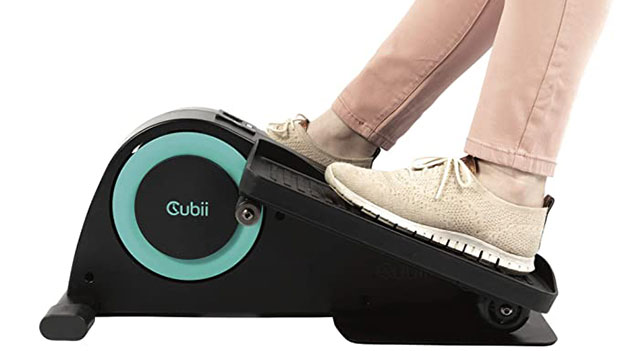
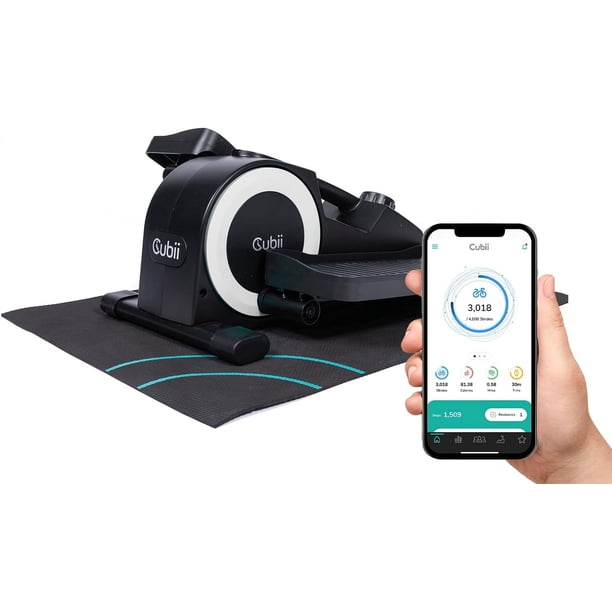
Cubii Jr1 is a compact elliptical designed to be used while sitting. It fits under a desk, so you can pedal your feet while working, reading, or relaxing. The machine has eight resistance levels and a digital display to track calories, distance, RPM, and time. Unlike traditional ellipticals, Cubii Jr1 is quiet, portable, and made for low-impact movement.
Cubii Jr1 targets people who sit for long hours, such as office workers, seniors, or anyone with limited mobility. The brand advertises it as a way to “move more” without needing extra space or gym equipment.
Key Features
- Low-impact exercise for joints
- Portable and lightweight
- Digital monitor for tracking progress
- Eight resistance levels
- Quiet operation
- Fits under most desks
The design aims to make exercise easy and less disruptive, especially for people with busy schedules or mobility issues.
Walking: The Classic Exercise
Walking is one of the most natural forms of exercise. It does not need equipment, special skills, or a gym membership. Walking can be done almost anywhere—indoors, outdoors, at home, or in the office.
Benefits Of Walking
- Improves heart health
- Burns calories
- Boosts mood and energy
- Strengthens muscles and bones
- Helps with weight management
- Supports balance and coordination
Walking also exposes you to sunlight and fresh air, which adds mental health benefits. It is suitable for nearly all ages and fitness levels.
Comparing Cubii Jr1 And Walking
To decide if Cubii Jr1 can replace walking, let’s compare both activities in detail. This includes calorie burn, muscle engagement, impact on health, and practical factors.
Calorie Burn
Calorie burn depends on speed, resistance, duration, and body weight. Here’s a comparison based on average numbers:
| Activity | Duration | Calories Burned (per hour) | Body Weight (150 lbs) |
|---|---|---|---|
| Cubii Jr1 (moderate resistance) | 1 hour | 150-180 | 150 lbs |
| Walking (3 mph) | 1 hour | 220-260 | 150 lbs |
| Walking (brisk, 4 mph) | 1 hour | 320-350 | 150 lbs |
Walking burns more calories per hour. Cubii Jr1 is effective for calorie burn, but still less than regular walking at moderate or brisk pace.
Muscle Engagement
Both activities use lower body muscles, but the way they are engaged differs.
| Muscle Group | Cubii Jr1 | Walking |
|---|---|---|
| Quads | Moderate | High |
| Hamstrings | Moderate | High |
| Glutes | Low | High |
| Calves | Moderate | High |
| Core | Low | Moderate |
Cubii Jr1 mainly works the thighs and calves, but less so the glutes and core. Walking uses all the major lower body muscles, plus the core for balance.
Impact On Cardiovascular Health
Walking is a weight-bearing activity. This means your heart works harder, and your bones get stronger. Cubii Jr1 is also good for heart health, but the intensity is lower because you are sitting.
Studies show that moderate walking reduces the risk of heart disease, stroke, and diabetes. Cubii Jr1 can help increase daily movement and heart rate, but may not reach the same cardiovascular benefits as regular walking.
Impact On Bone Health
Walking strengthens bones because of the impact and weight-bearing. It helps prevent osteoporosis and improves bone density. Cubii Jr1, as a seated activity, is non-weight-bearing, so it does not give the same bone health benefits.
Practical Factors
There are situations where Cubii Jr1 is more practical:
- Limited mobility: People with joint pain or balance issues can use Cubii Jr1 safely.
- Busy schedules: Office workers can exercise during meetings or emails.
- Bad weather: Cubii Jr1 can be used indoors, anytime.
Walking is best for people who can move freely and have safe outdoor or indoor space.
Real-life Examples: Who Benefits Most?
Office Workers
Many office workers sit for 8-10 hours a day. Studies show that sitting for long periods increases the risk of obesity, diabetes, and heart disease. Cubii Jr1 helps these workers add movement without leaving their desk.
Example: Sarah, age 40, works from home. She uses Cubii Jr1 while answering emails for 30 minutes daily. She tracks her calories and feels more energetic. However, she also walks outside with her dog for 20 minutes in the evening. The Cubii Jr1 adds activity, but does not fully replace her daily walk.
Seniors
Older adults often have joint pain or balance problems. Walking may be difficult or unsafe. Cubii Jr1 allows seniors to exercise safely at home.
Example: Mike, age 75, has knee arthritis. He uses Cubii Jr1 for 20 minutes twice a day. He feels less stiff and improves his leg strength. For him, Cubii Jr1 is a good substitute for walking, but his doctor recommends standing or walking when possible for bone health.
People Recovering From Injury
After surgery or injury, doctors often recommend gentle, low-impact exercise. Cubii Jr1 is ideal for these situations.
Example: Lisa, age 28, broke her ankle. She uses Cubii Jr1 while sitting to maintain fitness during recovery. Once healed, she returns to walking for better overall health.
Non-obvious Insights Beginners Miss
- Movement Variety Matters: Using only Cubii Jr1 can cause muscle imbalances. Walking moves your whole body, improves balance, and works your core. Cubii Jr1 does not fully replace these benefits.
- Mental Health Effects: Walking outdoors improves mood and reduces stress because of sunlight and nature. Cubii Jr1, as an indoor and seated activity, does not offer these mental health boosts.
- Bone Strength: Weight-bearing exercise is critical for bone health. People who only use Cubii Jr1 may miss this, especially seniors.
- Calories and Weight Loss: Cubii Jr1 burns fewer calories than walking. Beginners often overestimate the calorie burn of seated exercise.
Can Cubii Jr1 Replace Walking For Weight Loss?
Weight loss depends on burning more calories than you eat. Cubii Jr1 helps burn calories, but at a slower rate than walking.
Example Calculation
Suppose a person uses Cubii Jr1 at moderate resistance for 30 minutes a day. That burns about 75-90 calories. If they walk briskly for 30 minutes, they burn about 160-170 calories.
Over a week:
- Cubii Jr1: 525–630 calories
- Walking: 1,120–1,190 calories
Walking gives more total calorie burn. Cubii Jr1 can help, but for faster weight loss, walking or other higher-intensity activity is more effective.
Is Cubii Jr1 Good For Heart Health?
Cubii Jr1 increases heart rate and improves circulation, especially for people who move very little. Regular use can help lower blood pressure and improve cholesterol. However, walking is better for heart health because it is more intense, uses more muscles, and is a weight-bearing activity.
Doctors suggest at least 150 minutes of moderate-intensity aerobic activity per week. Cubii Jr1 can help reach this target, but adding walking or other exercises gives more benefits.
Is Cubii Jr1 Suitable For Everyone?
Cubii Jr1 is safe for most people, including seniors, office workers, and those with mobility issues. It is not suitable for people looking for high-intensity workouts, bone-strengthening exercise, or full-body movement.
People recovering from injury, or who cannot walk safely, can use Cubii Jr1 as a substitute. However, it should not be the only form of exercise for healthy adults.

Combining Cubii Jr1 And Walking
The best approach is to combine both activities. Use Cubii Jr1 for extra movement during the day, especially when sitting. Walk when possible for better calorie burn, muscle engagement, and mental health.
Simple Routine Example
- Morning: Use Cubii Jr1 for 15 minutes during breakfast or emails.
- Afternoon: Take a 20-minute walk outside.
- Evening: Use Cubii Jr1 for 10 minutes while watching TV.
This routine keeps you moving all day, improves health, and fits busy schedules.
Data Table: Pros And Cons
Here is a clear comparison of Cubii Jr1 and walking:
| Factor | Cubii Jr1 | Walking |
|---|---|---|
| Calorie Burn | Moderate | High |
| Muscle Engagement | Lower body only | Whole body |
| Bone Health | Low | High |
| Heart Health | Good | Better |
| Practical for Busy People | Excellent | Good |
| Outdoor Experience | No | Yes |
| Safety for Seniors | High | Depends |
| Weight Loss | Moderate | High |
| Stress Reduction | Low | High |
| Joint Impact | Low | Medium |
Common Mistakes When Using Cubii Jr1
- Neglecting Other Exercise: Some users skip all other movement, relying only on Cubii Jr1. This limits muscle and bone benefits.
- Poor Posture: Sitting for long periods with bad posture can cause back pain. Adjust your chair and position for safe use.
- Overestimating Calorie Burn: Many think Cubii Jr1 burns as many calories as walking. Tracking progress with a fitness app helps.
- Ignoring Mental Health: Indoor, seated activity can miss out on mental health benefits of outdoor walking.
Expert Guidance: When Cubii Jr1 Is Enough
Cubii Jr1 can replace walking only in special situations:
- If you cannot walk safely because of injury, illness, or age.
- When weather or environment makes walking impossible.
- If you need to add movement to a very sedentary lifestyle.
For most people, Cubii Jr1 is best used as a supplement to walking, not a replacement.
Scientific Research And Studies
Research shows that sedentary behavior increases health risks. Any movement, including Cubii Jr1, helps lower these risks. However, studies also confirm that weight-bearing exercises like walking give extra benefits for heart, bones, and mental health.
A 2021 study in the Journal of Physical Activity found that “under-desk elliptical use increases energy expenditure and heart rate, but does not fully match the benefits of walking. ” The American Heart Association recommends combining different types of activity for best results.
If you want more in-depth data, visit the CDC’s Physical Activity Guidelines.
Frequently Asked Questions
Can Cubii Jr1 Help Me Lose Weight?
Cubii Jr1 burns calories and helps with weight loss if combined with a healthy diet. However, walking burns more calories per hour, so adding walking gives faster results. For best weight loss, use Cubii Jr1 to add movement during the day and walk whenever possible.
Is Cubii Jr1 Good For Seniors With Joint Pain?
Yes, Cubii Jr1 is low-impact and safe for seniors with joint pain or balance issues. It allows gentle exercise without stress on the knees or hips. Always consult your doctor before starting any new exercise.
How Long Should I Use Cubii Jr1 Each Day?
Experts recommend 20-30 minutes daily to see health benefits. You can break this into smaller sessions, such as two 15-minute periods. More movement is better, but listen to your body and avoid fatigue.
Does Cubii Jr1 Improve Heart Health?
Cubii Jr1 increases heart rate and improves circulation, especially for people who sit a lot. It supports heart health, but walking and other aerobic exercises give stronger benefits. Try to combine Cubii Jr1 with walking for best results.
Can Cubii Jr1 Replace Walking Completely?
For people who cannot walk safely, Cubii Jr1 is a good substitute. For healthy adults, Cubii Jr1 should supplement walking, not replace it. Walking offers extra benefits for bones, muscles, and mental health.
Final Thoughts
Cubii Jr1 is a smart solution for increasing movement, especially for people who sit a lot or have limited mobility. It can help reduce health risks from sedentary lifestyles and is safe for most users. However, Cubii Jr1 does not fully replace walking.
Walking burns more calories, strengthens bones, improves mood, and engages more muscles. For best health, combine Cubii Jr1 with walking and other activities. Move more during your day, use Cubii Jr1 when sitting, and walk whenever you can. This balanced approach supports your body, mind, and long-term wellness.

