
Staying active is essential at any age, but for seniors, regular exercise can be life-changing. It boosts energy, keeps joints flexible, and supports heart health. Yet, finding a safe and enjoyable way to exercise at home is not always easy. The Peloton Bike has become a popular choice for all ages, including older adults. But is it really a good fit for seniors? This guide explores the benefits, challenges, tips, and everything you need to know about using a Peloton Bike as an older adult.
Why The Peloton Bike Appeals To Seniors
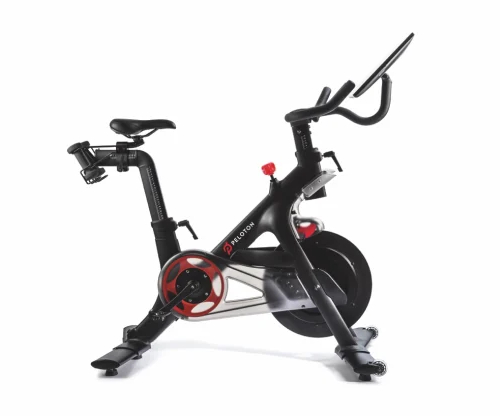
The Peloton Bike is more than just a stationary bike. It combines high-quality exercise equipment with interactive classes, making workouts engaging and social. Here are some reasons why seniors are drawn to Peloton:
- Low-impact exercise: Cycling is gentle on the joints, making it suitable for people with knee or hip concerns.
- Home convenience: No need to drive to the gym. You can ride anytime in the comfort of your own home.
- Structured classes: Peloton offers a wide range of classes—short, long, gentle, or intense—so you can choose what fits your needs.
- Motivation and community: The live and on-demand classes create a sense of connection and motivation, even when riding alone.
- Progress tracking: The system tracks your rides, making it easy to see improvements over time.
Many seniors find that these features help them stay consistent with exercise, which is key to maintaining health and independence.
Key Benefits Of Peloton For Seniors
Low-impact Cardio For Joint Health
Cycling is a low-impact activity. This means it puts less stress on the knees, hips, and ankles compared to running or aerobics. For people with arthritis or past injuries, this is a major advantage. The smooth pedaling motion keeps joints moving, which can reduce stiffness and improve range of motion.
Customizable Workouts At Any Level
One of Peloton’s strengths is the variety of class types and difficulty levels. Beginners can start with low-resistance rides or short sessions. As fitness improves, it’s easy to try longer or more challenging classes. Many instructors offer modifications, so you can stand, sit, or slow down as needed.
Social Connection And Motivation
Staying connected is important for emotional health, especially in retirement. Peloton’s live classes and leaderboards add a social element. You can ride “with” family or friends across the country, join age-based groups, or simply draw energy from the instructor and community. For many older adults, this sense of belonging helps fight loneliness and keeps them coming back to the bike.
Cognitive Benefits
Regular exercise has been shown to support brain health. The challenge of following a class, adjusting resistance, and tracking progress can keep the mind sharp. Peloton also offers music, themed rides, and instructor stories to keep things interesting and mentally engaging.
Safe And Controlled Environment
Exercising indoors on a stationary bike means no worries about weather, poor sidewalks, or traffic. For seniors who may have balance issues or concerns about falls, the Peloton provides a safer setting to get cardio activity.
Potential Challenges And How Seniors Can Overcome Them
While the Peloton Bike has many advantages, it’s important to be aware of some possible hurdles:
Physical Comfort And Fit
Some seniors find the bike seat uncomfortable at first. The standard seat is narrow and firm, which can cause discomfort during long rides. However, this is not a deal-breaker—many people, young and old, swap out the seat for a wider, cushioned version.
Padded bike shorts can also make a big difference.
Getting the right bike fit is key. Proper seat height and handlebar position help prevent knee, back, or wrist pain. Seniors should take time to adjust the bike, or ask for help from a family member or Peloton support.
Technology Learning Curve
The Peloton screen and app are simple but may be new for those not used to touchscreens or streaming services. There’s an adjustment period, but Peloton’s setup guides are clear, and there are many video tutorials. Some seniors find it helpful to ask a grandchild or friend to walk them through the basics.
Cost Considerations
The Peloton Bike is an investment. Beyond the cost of the bike itself, there’s a monthly subscription fee for the classes. For some seniors on a fixed income, this is a real concern. However, many find the value worthwhile, especially when compared to gym memberships, travel costs, or the motivation boost that comes from interactive classes.
Safety Concerns
Seniors with balance issues, heart conditions, or limited mobility should consult their doctor before starting any new exercise program, including Peloton. It’s wise to begin slowly, use the bike’s support handles when mounting or dismounting, and keep water nearby to stay hydrated.
How To Set Up A Peloton Bike For Senior-friendly Use
A comfortable and safe setup makes all the difference. Here’s how seniors can optimize their Peloton experience:
- Choose the right location: Place the bike on a stable surface, with enough room to get on and off easily. Avoid clutter or rugs that might cause tripping.
- Adjust the seat and handlebars: The seat should be at hip height when standing next to the bike. The handlebars should be close enough to reach without stretching. If unsure, Peloton’s website has a helpful setup video.
- Consider pedals and shoes: Some seniors prefer to swap Peloton’s clip-in pedals for flat pedals or toe cages, which are easier for some to use.
- Use a sturdy step stool: For those who need extra support getting on the bike, a non-slip step stool can help.
- Keep essentials nearby: Water, a towel, and a phone should be within arm’s reach.
Example Of Seat And Handlebar Adjustments
Here’s a quick reference for common adjustments:
| Adjustment | How to Set | Why It Matters |
|---|---|---|
| Seat Height | Hip level when standing | Prevents knee pain |
| Handlebar Height | Slightly above seat for upright posture | Reduces back/wrist strain |
| Seat Distance | Knee over ankle when pedal is forward | Prevents joint stress |
Paying attention to these details can turn an uncomfortable ride into an enjoyable one.
Choosing The Right Peloton Classes For Seniors
Peloton offers hundreds of classes, but not all are suitable for beginners or older riders. Here’s how to find the best options:
Search By Duration And Intensity
Shorter classes (10-20 minutes) are a good starting point. Look for Beginner, Low Impact, or Recovery rides. These focus on steady, moderate effort and smooth pedaling.
Instructor Style Matters
Some instructors are fast-paced and high-energy, while others are calm and encouraging. Seniors may prefer instructors who clearly explain each move and offer modifications.
Here’s a comparison of class types often chosen by seniors:
| Class Type | Duration | Intensity | Best For |
|---|---|---|---|
| Low Impact Ride | 10–30 min | Gentle | Joint health, beginners |
| Beginner Ride | 20–30 min | Light to moderate | New riders |
| Recovery Ride | 10–20 min | Very gentle | Active rest days |
| Scenic Ride | 5–30 min | Varies | Mental relaxation |
Try Scenic And Music Rides
Peloton’s scenic rides show beautiful landscapes on the screen. These are less structured and let you pedal at your own pace. Music-themed rides can also make the time fly and reduce the feeling of “working out.”
Listen To Your Body
Seniors should feel free to pause, skip, or slow down during any class. The goal is steady progress, not competition.
Comparing The Peloton Bike And Other Home Exercise Options
Is Peloton really the best choice for seniors, or are there better alternatives? Let’s compare the Peloton Bike to other popular home exercise equipment:
| Equipment | Pros | Cons |
|---|---|---|
| Peloton Bike | Interactive classes, motivation, progress tracking | High cost, learning curve |
| Traditional Stationary Bike | Lower cost, simple to use | No classes, less motivation |
| Elliptical Trainer | Low impact, works upper/lower body | Bigger footprint, may be harder to step on |
| Treadmill | Familiar movement, adjustable speed | Higher impact on joints, risk of falls |
| Recumbent Bike | Supportive seat, easy entry | No interactive classes, less variety |
The Peloton stands out for its engaging classes and sense of community, which can help seniors stay consistent. However, for those mainly seeking gentle movement without technology, a traditional or recumbent bike may be enough.
Safety Tips For Seniors Using The Peloton Bike
Safety comes first, especially for older adults starting a new exercise routine. Here’s how seniors can ride with confidence:
- Consult a doctor: Get medical clearance before beginning.
- Warm up and cool down: Start with gentle pedaling for 3-5 minutes before increasing intensity. Finish each session by slowing down and stretching.
- Stay hydrated: Keep water within easy reach.
- Start slow: Begin with short rides (10–15 minutes) and gradually increase duration.
- Use proper footwear: Cycling shoes or sturdy sneakers with good grip prevent slipping.
- Listen to your body: Stop if you feel dizzy, short of breath, or have chest pain.
- Keep the area clear: Avoid tripping hazards around the bike.
- Learn the controls: Know how to pause or stop the ride quickly if needed.
Common Mistakes Seniors Should Avoid
- Skipping the warm-up: Jumping straight into intense pedaling can strain muscles.
- Ignoring discomfort: Numbness or pain may mean the bike is not adjusted correctly.
- Doing too much, too soon: Increase time and intensity slowly to avoid injury.
- Not using resistance: Pedaling with no resistance can put stress on the knees.
Real Stories: Seniors Thriving With Peloton
Many older adults are not just using the Peloton—they’re excelling with it. Here are a few inspiring examples:
- Betty, age 75: Started with 10-minute rides after knee surgery. After 6 months, she completes 30-minute classes and feels more energetic for daily activities.
- James, age 68: Joined a “Silver Cyclists” group on Peloton and found new friends to motivate him. He says the community keeps him accountable.
- Linda, age 80: Prefers scenic rides and uses the bike daily to keep arthritis at bay. She credits the gentle movement for her improved mood and flexibility.
These stories show that age is not a barrier when the right tools and support are in place.
Customizing The Peloton Experience For Seniors
Peloton’s features can be tailored to fit the needs of older adults:
Accessibility Settings
- Font size: Increase display size for easier reading.
- Closed captions: Many classes offer captions for those who prefer or need them.
- Volume controls: Adjust music and instructor volume independently.
Health Tracking
Peloton’s app syncs with fitness trackers and heart rate monitors. Seniors can watch their progress and share results with their doctor or family.
Community Support
Peloton has online groups for all interests and ages. Joining a senior-focused group can offer support, advice, and encouragement.
Setting Realistic Goals
Instead of comparing to younger riders, focus on personal improvement:
- Increase ride length by 5 minutes each week.
- Try a new instructor or class type once a month.
- Set a goal to ride 3 times per week.
These small steps add up and can lead to big changes in strength, mood, and health.
Peloton Bike Vs. Peloton Bike+: Which Is Better For Seniors?
Peloton offers two main bike models: the original Bike and the Bike+. Here’s a quick comparison to help seniors decide:
- Peloton Bike: Lower cost, smaller screen (21.5”), manual resistance adjustment.
- Peloton Bike+: Larger rotating screen (23.8”), auto-follow resistance, better sound system, more expensive.
For most seniors, the original Peloton Bike is enough. The Bike+ is ideal for those who plan to do off-bike workouts (like stretching or yoga) and want the screen to rotate. The auto-resistance can be helpful for those who have trouble turning the resistance knob.
How Peloton Rides Help With Common Senior Health Concerns
Cardiovascular Health
Regular cycling improves heart health by strengthening the heart muscle and lowering blood pressure. Studies show that moderate-intensity exercise, like cycling, can reduce the risk of heart disease and stroke.
Weight Management
Staying active helps control weight, which can reduce the risk of diabetes, joint pain, and other age-related issues. Even short rides add up over time.
Balance And Fall Prevention
While cycling itself does not improve balance like standing exercises, staying active keeps the legs strong. Peloton also offers balance and core classes that seniors can add to their routine.
Mood And Mental Health
Exercise releases endorphins, which help reduce anxiety and depression. The social aspect of Peloton can also boost mood and give a sense of purpose.
How To Make Peloton Workouts More Enjoyable For Seniors
- Create a routine: Set a regular time each day for rides.
- Invite a friend or family member: Riding “together” over video or at the same time makes workouts social.
- Try themed rides: Music, holiday, or decade-themed classes add fun.
- Mix up classes: Include stretching, yoga, or meditation on rest days.
Equipment And Accessories That Make Riding Easier
Here are some useful add-ons to make Peloton more comfortable for seniors:
- Gel seat cover: Provides extra cushioning.
- Step stool with handle: Makes mounting the bike safer.
- Fan: Keeps you cool during workouts.
- Bluetooth headphones: Improve sound quality without disturbing others.
- Heart rate monitor: Tracks exercise intensity.
Choosing the right accessories can make each ride more pleasant and safe.
Common Questions Seniors Have Before Buying A Peloton Bike
- Is it hard to assemble? Peloton offers professional setup, but some seniors may need help moving the bike (it weighs about 135 lbs).
- Can I use it without a subscription? Yes, but you’ll miss out on classes and progress tracking.
- Will it fit in a small room? The bike’s footprint is about 4’ by 2’, so it fits in most spaces.
- Is there a trial period? Peloton often offers a 30-day home trial.
- What if I have bad knees or hips? Always check with your doctor, but many seniors with joint issues do well with cycling.
How The Peloton Community Supports Seniors
There’s a growing number of seniors using Peloton, and the company supports this community in several ways:
- Age-based groups: Examples include “Peloton Seniors” and “Silver Cyclists.”
- Instructor shout-outs: Many instructors acknowledge older riders and milestones.
- Online forums: Peloton’s website and social media have active groups where seniors share tips and encouragement.
Joining these groups can make the Peloton journey more enjoyable and less lonely.
Are There Any Downsides To Peloton For Seniors?
While many seniors love Peloton, it’s not perfect for everyone:
- Cost: The bike and subscription may be out of reach for some.
- Tech challenges: Some older adults need help setting up and using the system.
- Physical limitations: Severe arthritis, advanced balance issues, or certain heart conditions may make cycling difficult.
It’s important to weigh these factors and talk to a healthcare provider before investing.
Making Peloton Part Of A Balanced Fitness Plan
Cycling is great for the heart and legs, but it’s best when combined with other activities. Peloton offers strength, stretching, yoga, and meditation classes—many suitable for older adults.
A balanced weekly plan could look like:
- 2–3 cycling sessions
- 1–2 stretching or yoga classes
- 1 core or light strength class
Mixing up activities helps prevent boredom and supports overall health.
The Future Of Senior Fitness And Peloton
As the population ages, more companies are designing fitness products for older adults. Peloton’s focus on community, variety, and at-home convenience positions it well for this trend. In the future, expect even more senior-friendly features, instructors, and classes.
For now, seniors interested in Peloton can enjoy a safe, social, and motivating way to stay active—without leaving home.
Frequently Asked Questions
What Makes The Peloton Bike Good For Seniors?
The Peloton Bike offers low-impact exercise, which is gentle on joints. It has adjustable settings for comfort and a wide range of class types, including many suitable for beginners and older adults. The interactive classes and community support also help with motivation and consistency.
Can Seniors Use Peloton If They Have Arthritis Or Joint Pain?
Yes, many seniors with arthritis or joint pain find cycling more comfortable than walking or running. It’s important to start with low-impact or beginner classes, adjust the bike for a comfortable fit, and consult a doctor before starting.
Is The Peloton Bike Safe For Seniors With Heart Conditions?
Seniors with heart conditions should always check with their doctor first. Peloton rides can be adjusted for intensity, so it’s possible to exercise within safe limits. Using a heart rate monitor can help track effort and stay in a recommended zone.
Do You Need Special Shoes To Ride The Peloton Bike?
The standard Peloton pedals require cycling shoes that clip in. However, seniors can replace these with flat pedals or toe cages, which work with regular sneakers. This can make it easier and safer to get on and off the bike.
Where Can I Learn More About Peloton And Senior Fitness?
For official advice on senior exercise and more about the Peloton Bike, check out the CDC’s Physical Activity Guidelines for Older Adults.
Staying active as a senior is possible, enjoyable, and rewarding with the right tools. The Peloton Bike, with its flexibility and community, is helping many older adults discover a new passion for fitness—one ride at a time.

