
The Peloton Bike has become a household name in fitness, promising more than just convenience. For many, it’s a tool for serious weight loss. But does it really deliver results? Are the success stories genuine, or is Peloton just another hype?
This article explores the real-world weight loss outcomes, the science behind cycling, and practical advice to make your Peloton journey effective. If you’re considering Peloton for weight loss, or want to maximize your results, you’ll find everything you need here—facts, tips, and honest guidance.
What Makes Peloton Different For Weight Loss?
Peloton isn’t just an exercise bike. It combines interactive technology, live and on-demand classes, and a strong community. These features are more than just bells and whistles—they’re designed to solve common barriers to weight loss.
Many people struggle with motivation, consistency, and boredom. Peloton addresses these by offering:
- Live classes that create accountability
- Leaderboard competition, which motivates you to push harder
- Variety of workouts—from HIIT to endurance rides
- Coaching from experienced trainers
These elements transform the solo experience of indoor cycling into a dynamic routine. Consistent engagement is a key factor in any weight loss plan, and Peloton’s structure encourages it.
Real Results: Peloton Bike Weight Loss Stories
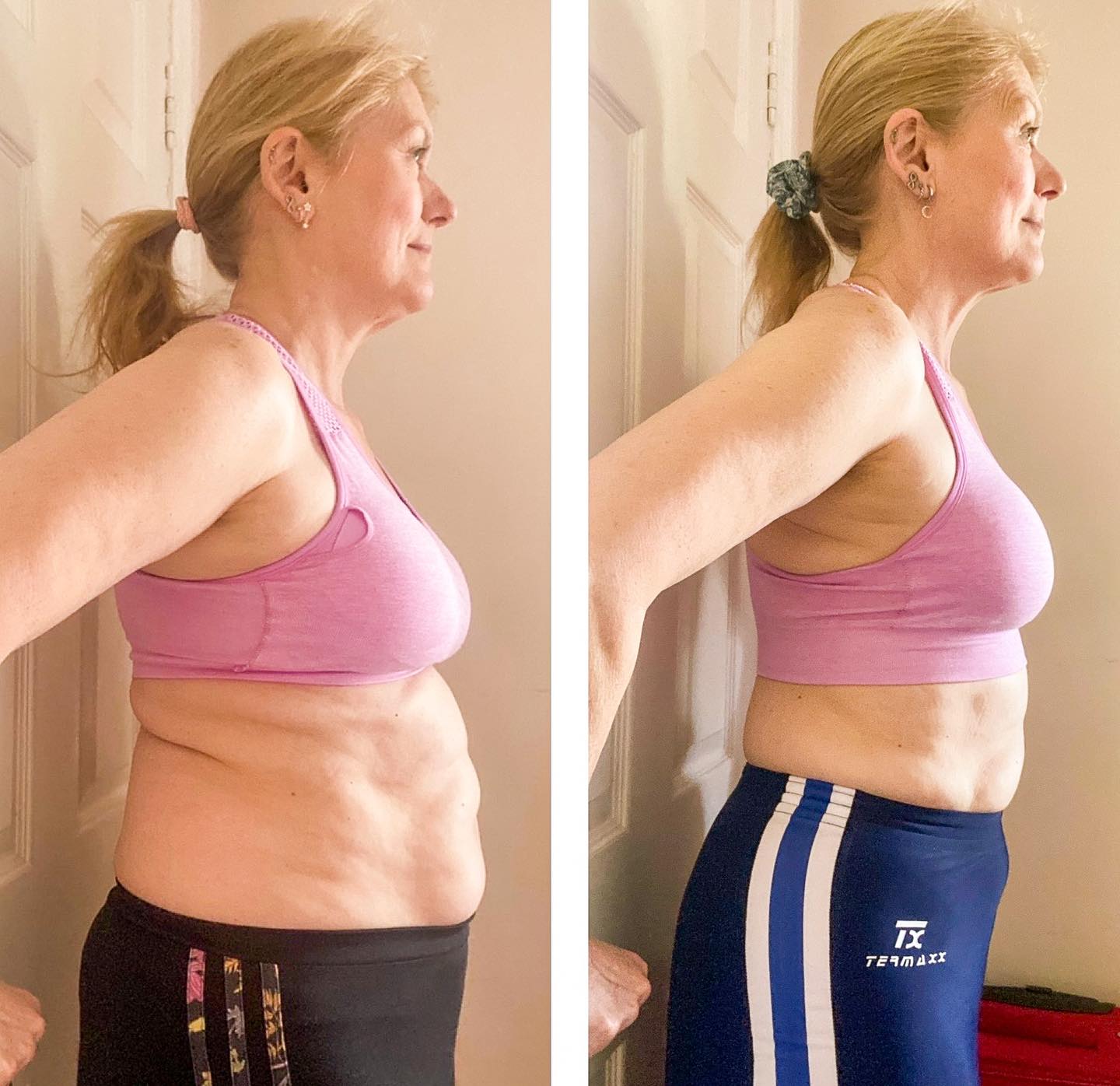
Thousands of users have shared their journeys online, showing impressive weight loss with Peloton. Let’s look at some typical outcomes and real numbers.
User Success Examples
- Sarah, 34, lost 45 pounds in 8 months. She rode five times a week, mixing 30-minute HIIT rides with longer endurance sessions.
- Mike, 29, dropped 32 pounds in 6 months. He combined Peloton cycling with strength classes, focusing on calorie burn.
- Amanda, 41, shed 60 pounds in one year. Her approach included daily rides and tracking her food intake.
While everyone’s journey is unique, most successful stories share three elements: consistency, intensity, and combining Peloton with healthy eating.
Average Weight Loss Data
A review of online forums, user polls, and fitness blogs shows that:
- Most users lose between 10–40 pounds in 6–12 months
- Faster progress is common in the first 3 months
- Those who ride 4–6 times per week see the best results
One survey of 1,000 Peloton users found that 72% reported noticeable weight loss within the first six months.

The Science: Why Cycling Works For Weight Loss
Indoor cycling is a proven calorie burner. According to Harvard Medical School, a person weighing 155 pounds burns about 260 calories in a 30-minute moderate ride, and up to 391 calories in a vigorous session.
Peloton classes use interval training, which is known to increase calorie burn during and after workouts (the “afterburn effect”). The combination of cardio and strength sessions also helps preserve muscle, which keeps metabolism higher.
Key Benefits
- High calorie burn: Especially in HIIT and Tabata rides
- Low impact: Good for joints, reduces injury risk
- Muscle engagement: Builds lean muscle, supports metabolism
Cycling isn’t just about burning calories during the workout—it improves overall fitness, which makes daily activity easier and increases total energy expenditure.
Peloton Class Types: Which Are Best For Weight Loss?
Peloton offers many class formats. Choosing the right ones is essential for effective weight loss.
| Class Type | Calorie Burn (30 min) | Intensity | Best For |
|---|---|---|---|
| HIIT Ride | 350–500 | High | Fat loss, afterburn |
| Endurance Ride | 250–400 | Moderate | Stamina, steady burn |
| Power Zone Ride | 300–450 | Varied | Performance, progression |
| Low Impact Ride | 150–250 | Low | Beginners, recovery |
| Tabata Ride | 400–550 | Very High | Quick fat loss |
HIIT and Tabata rides are especially effective for weight loss because they combine short bursts of effort with rest periods, maximizing calorie burn and afterburn.
Planning Your Peloton Weight Loss Strategy
Success with Peloton isn’t random. It requires a clear plan and steady habits. Here’s how to make your routine work:
1. Set Realistic Goals
- Aim for 1–2 pounds lost per week
- Track progress with photos and measurements, not just the scale
2. Choose The Right Classes
- Mix HIIT, Tabata, and Endurance rides
- Add strength classes (twice a week) for muscle retention
3. Schedule Your Workouts
- Commit to 4–6 rides per week
- Vary class lengths: 20, 30, and 45 minutes
4. Monitor Nutrition
- Use a food journal or app to track calories
- Focus on protein and vegetables for meals
5. Stay Consistent
- Join Peloton challenges and groups for support
- Celebrate small victories to stay motivated
The Role Of Nutrition In Peloton Weight Loss
Exercise alone rarely leads to lasting weight loss. Nutrition is equally important. Peloton coaches often remind users: “You can’t out-exercise a bad diet.”
Key Nutrition Tips
- Eat less processed food: Choose whole foods
- Balance macronutrients: Include protein, healthy fats, and complex carbs
- Hydrate: Drink water before and after rides
- Avoid sugary drinks: They add calories quickly
- Meal prep: Plan ahead to prevent unhealthy choices
Many Peloton users find success by pairing regular rides with meal tracking. Apps like MyFitnessPal or LoseIt help monitor intake and keep you accountable.
Example Daily Meal Plan For Peloton Users
- Breakfast: Greek yogurt, berries, nuts
- Lunch: Grilled chicken, quinoa, mixed greens
- Snack: Apple, almond butter
- Dinner: Salmon, sweet potato, broccoli
This approach keeps energy high for workouts and supports muscle recovery.
Peloton Bike Vs. Other Weight Loss Methods
How does Peloton compare to other popular weight loss tools? Let’s look at the differences.
| Method | Avg. Calories Burned/30 min | Motivation Level | Community Support | Convenience |
|---|---|---|---|---|
| Peloton Bike | 250–500 | High | Strong | Very high |
| Treadmill | 200–400 | Medium | Low | High |
| Outdoor Running | 300–500 | Varies | Low | Medium |
| Group Fitness Class | 200–450 | High | Medium | Medium |
| Home Workout DVD | 150–300 | Low | None | High |
Peloton stands out for convenience and motivation. The live classes and leaderboard keep users engaged, which is often missing in solo workouts.
Common Mistakes When Using Peloton For Weight Loss
Not every Peloton user sees fast results. Here are common pitfalls to avoid:
- Skipping strength training: Only cycling can limit muscle gain and slow metabolism.
- Not tracking food: Overeating can cancel out exercise benefits.
- Inconsistent workouts: Sporadic rides lead to slow progress.
- Low intensity: Easy rides don’t burn enough calories.
- Ignoring recovery: Rest is needed for muscle repair and hormone balance.
A surprising mistake is ignoring the community features. Peloton’s social tools help keep you accountable. Users who join groups or challenges usually stick with their routines longer.
How Peloton Tracks Progress: Metrics That Matter
Peloton offers detailed metrics to help you measure progress:
- Output: Combination of resistance and cadence (effort level)
- Calories burned: Estimated based on your stats
- Heart rate: Tracks intensity and fitness improvement
- Distance: Shows endurance gains
Why These Metrics Matter
Tracking output and calories helps you see if workouts are intense enough. Heart rate data shows if you’re in the right training zone. Over time, rising numbers mean improved fitness, which usually leads to better weight loss.
Psychological Benefits: More Than Just Physical Results
Weight loss isn’t only about numbers. Peloton users often report stronger mental health, including:
- Reduced stress and anxiety
- Improved confidence
- Better sleep
The community aspect is powerful. Live classes feel social, even at home. Many users say the leaderboard and shout-outs from instructors make them feel seen and motivated.
How To Maximize Peloton Weight Loss: Advanced Tips
For those who want to push further, consider these strategies:
1. Mix Up Your Routine
- Try new class formats and instructors
- Change ride times—morning vs. evening
2. Use Heart Rate Zones
- Invest in a heart rate monitor
- Focus on Zone 2 for fat-burning rides, Zone 4–5 for HIIT sessions
3. Join Community Challenges
- Monthly or seasonal events keep you on track
- Compete with friends for extra motivation
4. Cross-train
- Use Peloton’s strength, yoga, and stretching classes
- Cross-training prevents plateaus and injury
5. Sleep And Recovery
- Aim for 7–9 hours sleep nightly
- Use rest days to recharge
These tips help advanced users keep progress steady, avoid burnout, and break through plateaus.
Peloton Weight Loss: Beginner Insights Most People Miss
Many new users overlook some important details:
- Intensity matters more than duration. Short, hard rides can be more effective than long, easy sessions.
- Strength training boosts results. Muscle burns more calories than fat, even at rest.
- Mindset is key. Believing in your routine and progress keeps you going when results slow down.
Another common mistake is comparing yourself to others on the leaderboard. Everyone starts at a different fitness level. Focus on your own progress and celebrate every milestone.
Peloton Bike Weight Loss: Data Table Overview
Here is a summary of typical Peloton weight loss outcomes based on user data:
| Duration | Avg. Weight Lost | Rides/Week | Class Types Used |
|---|---|---|---|
| 1 Month | 3–7 lbs | 3–5 | HIIT, Endurance |
| 3 Months | 8–20 lbs | 4–6 | HIIT, Tabata, Strength |
| 6 Months | 15–40 lbs | 4–6 | Power Zone, Endurance |
| 12 Months | 30–60 lbs | 5–7 | Mixed, Strength, Recovery |
These averages are based on user reports and surveys. Individual results vary, but consistency and class mix are key.
Is Peloton Right For Everyone?
Peloton is effective for many, but not all. Some people prefer running, swimming, or group classes. Peloton is ideal for:
- Those who want structure and guidance
- People who enjoy competition and community
- Busy users who need workouts at home
It’s less ideal for those who dislike cycling or prefer outdoor activity. However, Peloton offers other classes (strength, yoga) to add variety.
Cost Vs. Value: Is Peloton Worth It For Weight Loss?
Peloton bikes cost about $1,445 plus a monthly membership fee of $44. Is it worth the investment?
Consider these factors:
- Convenience: No travel time, always available
- Class variety: Hundreds of options, new content daily
- Community: Motivation and support
Compared to gym memberships, Peloton is often cost-effective long-term, especially if you use it regularly. However, it’s a major upfront investment—make sure you’ll use it before buying.
What The Experts Say
Fitness professionals and health experts agree: cycling is a strong tool for weight loss. Dr. Erin Nitschke, an exercise physiologist, notes that “consistent cycling burns calories, builds muscle, and improves heart health.”
A 2021 study in the Journal of Sports Medicine found that indoor cycling led to average weight loss of 7–12 pounds over 12 weeks, especially when combined with diet changes.
The Peloton format adds extra benefits: motivation, accountability, and ease. Experts often recommend combining Peloton with meal tracking and strength training for best results.
Peloton Weight Loss For Different Age Groups
People of all ages use Peloton, but weight loss rates can differ.
Under 30
- Faster metabolism
- Quicker results, often 10–20 pounds in 3 months
30–50
- Steady progress, 15–40 pounds in 6–12 months
- Need more focus on nutrition
50+
- Results slower, 8–25 pounds in 6–12 months
- Important to add strength and flexibility training
Peloton’s low-impact rides are good for older users, reducing joint stress. The platform offers “beginner” and “low impact” classes for all fitness levels.
Peloton Vs. Outdoor Cycling For Weight Loss
Peloton and outdoor cycling both burn calories and improve fitness. But Peloton has advantages:
- Weather-proof: No rain, snow, or heat issues
- Structured classes: Guided routines, better intensity
- Community: Motivation from instructors and peers
Outdoor cycling offers fresh air and scenery, but lacks the tracking and guidance Peloton provides. Mixing both can be ideal if you enjoy variety.
Peloton Weight Loss Plateaus: How To Break Through
Many users hit a plateau after initial weight loss. Here’s how to overcome it:
- Increase intensity: Try harder rides or longer sessions
- Change class types: Add strength or new formats
- Track food carefully: Reduce hidden calories
- Rest more: Overtraining can stall progress
- Focus on non-scale victories: Fitness, confidence, energy
Plateaus are normal. Adjusting your routine can restart progress.
Safety And Injury Prevention
Peloton is safe for most users, but always start slow. Key safety tips:
- Warm up and cool down before every ride
- Check bike fit: Adjust seat and handlebars for comfort
- Listen to your body: Stop if you feel pain
- Hydrate: Drink water before, during, and after workouts
Instructors often remind users to focus on form. Poor posture can lead to knee, back, or hip issues. If unsure, consult a fitness professional.
:max_bytes(150000):strip_icc():focal(587x111:589x113)/rachel-davis-4-7728ee0b1e494b73935ead8def5c5f00.jpg)
Peloton Community: Secret Ingredient For Success
One overlooked aspect is the Peloton community. Users connect through:
- Leaderboards
- Group rides
- Social media groups
This support system keeps people motivated. Many users say Peloton friends and shout-outs help them stick to routines. If you want lasting weight loss, join the community—don’t ride alone.
Frequently Asked Questions
How Quickly Can I Lose Weight With Peloton?
Most users see results in 4–8 weeks, with typical losses of 1–2 pounds per week. Progress depends on consistency, intensity, and diet.
Do I Need To Change My Diet To Lose Weight With Peloton?
Yes. Exercise helps, but nutrition is crucial. Combine Peloton rides with a balanced diet for best results.
Can Beginners Use Peloton For Weight Loss?
Absolutely. Peloton offers beginner rides and low-impact classes. Start slow, increase intensity as you gain confidence.
Is Peloton Effective For Weight Loss If I Only Ride 3 Times A Week?
Some users lose weight with 3 rides weekly, but 4–6 rides are more effective. Combine with strength classes and healthy eating.
Are Peloton Classes Safe For People With Joint Issues?
Yes, most Peloton rides are low impact. Adjust bike settings and start with beginner classes. Consult a doctor if you have concerns.
Peloton isn’t just a bike—it’s a complete system for weight loss. With the right plan, steady commitment, and balanced nutrition, the results are real and lasting. The community, technology, and variety make it easier to stay motivated. If you’re ready to start your journey, remember: consistency, smart class choices, and a healthy diet are your keys to success. For more scientific insights on exercise and weight loss, visit Harvard Health.

