
Is Cubii Jr1 Good For Rehabilitation?
Rehabilitation often feels like a mountain to climb. Whether you’re recovering from surgery, managing a chronic illness, or trying to regain strength after an injury, the right tools can make all the difference. One device that’s getting a lot of attention lately is the Cubii Jr1 under-desk elliptical. But is this compact exercise machine actually good for rehabilitation? Let’s take a closer look at what makes the Cubii Jr1 unique, how it fits into rehab routines, and what users and professionals say about its effectiveness.
What Is The Cubii Jr1?
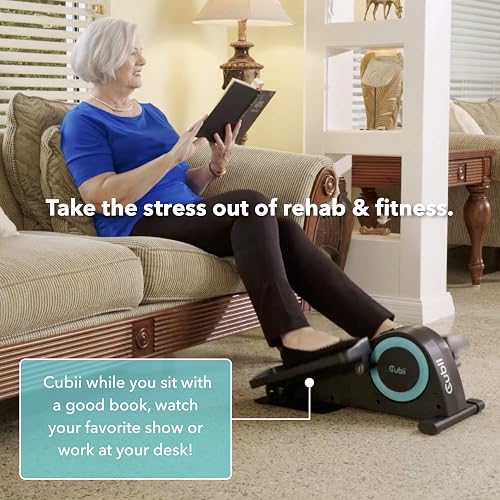
The Cubii Jr1 is a small, seated elliptical machine designed to fit under a desk or table. Unlike traditional ellipticals, you use it while sitting down, pedaling with your legs in a smooth, circular motion. It has eight levels of resistance and a built-in display to track steps, distance, calories, and time. The Jr1 is popular among office workers, older adults, and people seeking gentle exercise at home.
But what truly sets the Cubii Jr1 apart is its focus on low-impact movement. Unlike stair climbers or treadmills, it puts almost no pressure on the joints. For people in rehabilitation, this can be a game-changer.
Who Might Need Rehabilitation?
Before judging if the Cubii Jr1 is a good fit, it’s important to know who uses rehabilitation and why. Rehabilitation covers a wide range of needs, including:
- Post-surgery recovery: After knee, hip, or back operations.
- Stroke recovery: Regaining movement and coordination.
- Chronic diseases: Managing symptoms of conditions like arthritis, multiple sclerosis, or Parkinson’s.
- Injury recovery: Healing from sprains, strains, or fractures.
- General mobility improvement: For older adults or those with sedentary lifestyles.
Each person’s needs are different. Some require gentle motion to prevent stiffness, while others need to rebuild strength and endurance. This variety means that no single tool works for everyone, but the Cubii Jr1 targets a broad range of these needs.
How The Cubii Jr1 Supports Rehabilitation
The Cubii Jr1 isn’t just a mini-exercise bike. Its design and features target several key aspects of physical rehabilitation.
Low-impact Exercise
One of the main challenges in rehabilitation is finding exercises that don’t strain joints or healing tissues. The Cubii Jr1’s smooth, elliptical motion keeps feet moving in a circular path, reducing impact compared to walking or running. This is especially important for:
- Knee replacement patients
- Arthritis sufferers
- People with balance issues
By keeping the feet on the pedals, users avoid sudden jolts or twists that could cause pain or delay healing.
Seated Position
Exercising while seated has clear benefits for those with limited mobility or balance concerns. With the Cubii Jr1, users can:
- Exercise safely without worrying about falls.
- Work out longer, since sitting requires less energy.
- Start movement early in recovery, even before they’re ready to stand for long periods.
This makes the Cubii Jr1 accessible for people who might be intimidated by larger gym equipment.
Adjustable Resistance
Rehabilitation often requires progressive overload—increasing difficulty over time to rebuild strength. The Cubii Jr1 offers eight resistance levels, so users can:
- Start low, focusing on gentle motion.
- Gradually increase intensity as muscles and joints improve.
- Adapt workouts to daily energy levels or pain.
This flexibility is crucial for long-term recovery.
Easy Tracking
The built-in display helps users measure progress. For rehabilitation, seeing improvement in steps, distance, or time can boost motivation and provide valuable feedback for therapists.
Key Features For Rehabilitation
To understand if the Cubii Jr1 is truly good for rehabilitation, it helps to compare its features with what rehab specialists recommend.
| Feature | Cubii Jr1 | Physical Therapy Standard |
|---|---|---|
| Low-impact movement | Yes | Required for joint recovery |
| Seated exercise | Yes | Recommended for limited mobility |
| Adjustable resistance | 8 levels | Needed for progressive rehab |
| Balance support | Full support (seated) | Essential for fall risk patients |
| Data tracking | Built-in display | Useful but not always required |
As the table shows, the Cubii Jr1 meets or exceeds many important rehab needs.
Real-world Examples: Who Has Used Cubii Jr1 For Rehab?
Numbers and features only go so far—real stories matter. Many Cubii Jr1 users share their experiences online, and some physical therapists include it in rehab plans.
- Seniors after knee replacement: Many older adults report using the Cubii Jr1 to get their knees moving soon after surgery. Because the motion is gentle, they can exercise daily without pain.
- Stroke survivors: Some users recovering from mild strokes say the Cubii Jr1 helps them regain coordination and strength in their legs, especially when standing is still difficult.
- People with arthritis: Reviews often mention less joint stiffness and improved circulation after regular use.
One non-obvious insight: Many users mention that the Cubii Jr1 helps with swelling reduction. Keeping the legs moving (even a little) improves blood flow and can prevent fluid buildup, which is a common rehab goal.
Comparing The Cubii Jr1 To Other Rehab Devices
The Cubii Jr1 isn’t the only device used for rehabilitation. How does it stack up against alternatives like stationary bikes, traditional ellipticals, or manual pedal exercisers?
| Device | Impact Level | Space Needed | Best For |
|---|---|---|---|
| Cubii Jr1 | Very low | Under desk | Seated exercise, gentle rehab |
| Stationary bike | Low to moderate | Room corner | Cardio, leg strength |
| Traditional elliptical | Moderate | Large area | Full-body workout |
| Pedal exerciser (manual) | Low | Under desk | Simple movement |
The Cubii Jr1 stands out for its compact design and very gentle movement. While a stationary bike offers more intense workouts, it can be harder to use for those with limited range of motion or who need to stay seated. Traditional ellipticals are great for cardio but are often too intense for early-stage rehab. Manual pedal exercisers are similar in size but lack the smoothness and resistance options of the Cubii Jr1.
Scientific Evidence And Professional Opinions
Is there research backing the use of devices like the Cubii Jr1 for rehabilitation? While there are no large studies focused only on the Cubii Jr1, several research papers support similar seated elliptical or pedal machines for rehab purposes.
- A 2017 study in the Journal of Geriatric Physical Therapy found that seated pedal exercises improved lower limb function in older adults, especially those with arthritis and after hip surgery.
- The American Physical Therapy Association recommends low-impact, repetitive movement during recovery from many orthopedic procedures.
Physical therapists often use under-desk ellipticals and similar devices as part of a complete plan. They point out that these machines are most effective when:
- Used regularly (daily or almost daily)
- Combined with stretching and strength exercises
- Monitored for pain or unusual symptoms
One important insight: Some therapists say the Cubii Jr1 is especially good for maintaining a habit of movement. It’s less about replacing walking or weight-bearing exercise and more about keeping the legs active when other options are limited.
For more information on exercise and rehabilitation, you can visit the CDC’s guide to physical activity for older adults.
Limitations And Who Should Avoid The Cubii Jr1
No device is perfect for everyone. The Cubii Jr1 has some limitations:
- Not for upper body rehab: It focuses only on the legs. If you need to work on your arms or core, you’ll need other exercises.
- Limited range of motion: The elliptical path is small. For those who need a bigger range (like athletes or advanced rehab), it might not be enough.
- No standing support: It does not help with balance or weight-bearing, which are key for some rehab goals.
- Needs a chair with no wheels: Rolling chairs can be dangerous when using the Cubii Jr1.
A non-obvious challenge: People with very large feet or long legs might find the machine a bit cramped. Some users with knee problems say the angle takes a little getting used to.
People with these conditions should check with their doctor or therapist before using the Cubii Jr1:
- Severe circulation problems (e.g., deep vein thrombosis)
- Acute pain or swelling without a clear cause
- Recent leg or foot fractures (unless cleared for motion)
- Severe balance or cognitive issues

Practical Tips For Using The Cubii Jr1 In Rehabilitation
If you and your medical team decide the Cubii Jr1 is a good fit, here are some tips to get the most from it:
- Start slow: Use the lowest resistance and pedal for just 5–10 minutes at a time. Add a few minutes each session as you feel stronger.
- Watch your posture: Sit tall, keep your feet centered on the pedals, and make sure your knees don’t knock together.
- Stay consistent: Daily, gentle use is better than long, occasional sessions.
- Listen to your body: Mild muscle soreness is normal, but sharp pain or swelling is not. Stop and check with your provider if you notice problems.
- Pair with other exercises: Use the Cubii Jr1 for movement, but add stretching and, when possible, some standing or balance work.
- Track progress: Write down your time or distance each day. Even small gains add up and can boost your confidence.
Advanced tip: Some users put a yoga mat under the machine to keep it from sliding, or use a non-slip chair for extra safety.
Cost And Accessibility
Compared to other rehab devices, the Cubii Jr1 is mid-priced. It often costs between $200 and $250, depending on the retailer. Insurance and Medicare usually do not cover it, since it’s sold as a home fitness product, not a medical device.
For many, the cost is balanced by the convenience and long-term use. Unlike gym memberships or physical therapy appointments, the Cubii Jr1 is a one-time purchase. And because it’s easy to use at home, it may help users stick with their rehab routines longer.

User Reviews: What Real People Say
Looking at user reviews gives a more personal look at the Cubii Jr1’s impact on rehabilitation.
- Positive feedback: Most reviewers mention increased mobility, less stiffness, and a sense of accomplishment. Many note that it’s easy to use while watching TV or reading.
- Challenges: Some users report the device sliding on smooth floors or feeling awkward at first. A few wish for more resistance or a larger movement path.
- Unexpected benefits: Several users say that regular pedaling with the Cubii Jr1 improves their mood and energy, not just their legs. This mental boost can be important during long recoveries.
One common theme: Users who set a daily goal—even a small one—tend to stick with the device and see better results.
How To Decide If Cubii Jr1 Is Right For Your Rehab
Choosing the right rehab tool depends on personal needs, medical advice, and goals. Here’s a quick guide to help make the decision:
| Situation | Cubii Jr1 Suitability | Reason |
|---|---|---|
| Recovering from knee/hip surgery | Good | Gentle, seated movement |
| Balance problems | Excellent | No standing required |
| Early stroke recovery | Helpful | Encourages safe leg movement |
| Need for full-body rehab | Poor | Legs only |
| Advanced athletic rehab | Limited | Small range, low intensity |
Always check with your doctor or therapist before starting any new device, especially after surgery or major illness.
The Bottom Line
So, is the Cubii Jr1 good for rehabilitation? For many people, the answer is yes—especially those who need gentle, seated, low-impact exercise to get moving again. It fits well into routines for older adults, post-surgery patients, and anyone needing safe, regular leg movement. The Cubii Jr1 isn’t a miracle cure, and it doesn’t replace professional therapy, but it can play a valuable supporting role in recovery.
It’s most effective when used regularly, combined with other rehab activities, and chosen as part of a personalized plan. As with any tool, results depend on how it’s used and the goals of the person. If you value convenience, safety, and steady progress, the Cubii Jr1 is worth considering for your rehabilitation journey.
Frequently Asked Questions
Is The Cubii Jr1 Good For Knee Replacement Recovery?
Yes, the Cubii Jr1 is often recommended for knee replacement rehabilitation because it allows gentle, controlled movement without putting weight on the joint. Many users report less stiffness and better range of motion after using it. Always follow your surgeon or therapist’s advice on when to start.
Can The Cubii Jr1 Help With Arthritis Pain?
The Cubii Jr1’s low-impact exercise can help reduce joint stiffness, improve circulation, and maintain leg strength. Many people with arthritis find it easier to use than walking or standing machines, but always start slow and monitor your body’s response.
How Long Should I Use The Cubii Jr1 Each Day For Rehabilitation?
Most professionals suggest starting with 5–10 minutes once or twice a day, then slowly increasing as tolerated. Consistency is more important than duration. Some people work up to 30 minutes daily, but always check with your therapist.
Is It Safe To Use The Cubii Jr1 After A Stroke?
For many stroke survivors, the Cubii Jr1 is safe and beneficial, especially in the early stages of recovery. It encourages gentle leg movement without balance risk. However, people with severe weakness or cognitive issues should use it only under supervision.
Does Insurance Cover The Cubii Jr1 For Rehabilitation?
No, most insurance plans, including Medicare, do not cover the Cubii Jr1 because it’s considered a home fitness device, not a medical device. Some therapists may have similar equipment in clinics, which may be covered during therapy sessions.

