
If you enjoy indoor cycling, you’ve probably heard about the Peloton Bike. It’s a favorite for many fitness lovers because it brings studio-style classes right into your home. But as more people move into apartments or share homes with family, a new question is rising: how loud is the Peloton Bike? Can you ride early in the morning without waking everyone up? Or, will a sweaty evening session disturb your neighbors through the wall?
Noise level is an important factor to consider when buying an exercise bike. It affects not only your comfort but also the people living around you. Some users expect these bikes to be almost silent, while others worry about things like vibration, mechanical sounds, or even the thumping of intense pedaling. In this article, you’ll get a clear, detailed look at the Peloton Bike noise level. We’ll break down what makes a bike loud or quiet, compare Peloton with other indoor bikes, and give you practical tips to keep noise to a minimum.
Whether you’re living in a small apartment, sharing a space with light sleepers, or just sensitive to sound, understanding the true noise level of the Peloton Bike will help you make the right decision. Let’s find out how noisy (or quiet) your ride could be.
What Determines Exercise Bike Noise?
Many people believe all exercise bikes are loud, but that’s not true. The noise level depends on several factors, and understanding them will help you choose the quietest option for your space.
Resistance System
The resistance system is one of the most important contributors to noise. There are two main types:
- Magnetic resistance: Uses magnets to create resistance. This system is almost silent because no parts touch each other.
- Friction resistance: Uses pads that press against the flywheel. This system produces more noise because of the physical contact.
Peloton Bikes use magnetic resistance (on the Bike+), while the original Peloton Bike uses friction resistance. This difference leads to noticeable changes in noise.
Flywheel And Drivetrain
The flywheel helps to keep pedaling smooth. Heavier flywheels can make more noise if not balanced properly. The drivetrain (the part that connects pedals to the flywheel) can be chain-based (louder) or belt-driven (quieter). Both Peloton models use a poly-v belt drive, which is much quieter than chains.
Frame And Build Quality
A sturdy, well-built frame absorbs vibration. Cheaper, lighter bikes can vibrate and rattle, which adds to the sound. The Peloton frame is heavy and stable, reducing extra noise.
Flooring And Placement
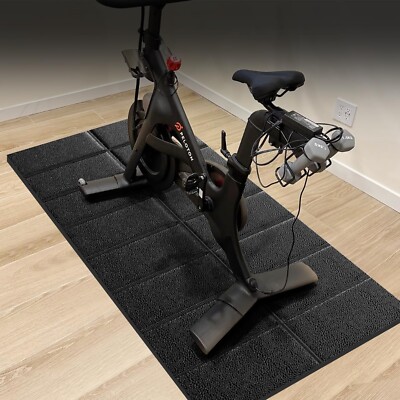
Where you place your bike matters. On hardwood or tile, vibrations can transfer and create more noise. Thick carpets or rubber mats absorb sound and reduce noise for people below you.
User Weight And Pedaling Style
Heavier riders and intense, fast pedaling can increase the overall noise. Standing up while cycling or shifting your weight quickly can also create brief, louder sounds.
How Loud Is The Peloton Bike? Real-world Measurements
The most common question is: “How many decibels does a Peloton Bike make?” Let’s look at real numbers and what they mean in everyday life.
Decibel Levels Explained
Sound is measured in decibels (dB). Every 10 dB increase is roughly twice as loud to your ears. Here are some everyday examples:
- 30 dB: Whisper
- 40 dB: Quiet library
- 50 dB: Moderate rainfall
- 60 dB: Normal conversation
- 70 dB: Vacuum cleaner
Peloton Bike Decibel Readings
Multiple user tests and independent measurements show that the original Peloton Bike produces around 40–50 dB during steady riding. The Peloton Bike+, with its magnetic resistance, is even quieter, averaging 35–45 dB. For comparison, both are quieter than a normal conversation and similar to the hum of a modern refrigerator.
Here’s a comparison with some popular indoor bikes:
| Bike Model | Resistance Type | Noise Level (dB) |
|---|---|---|
| Peloton Bike | Friction | 40–50 |
| Peloton Bike+ | Magnetic | 35–45 |
| Schwinn IC4 | Magnetic | 35–45 |
| Echelon EX-5S | Magnetic | 38–48 |
| Sunny SF-B1805 | Magnetic | 38–46 |
| NordicTrack S22i | Magnetic | 40–50 |
The Peloton Bike+ is among the quietest home exercise bikes on the market. The original Peloton Bike is still quiet, but you may notice a soft “whoosh” or light rubbing sound as the brake pad touches the flywheel.
What Sounds Will You Actually Hear?
- A gentle hum from the belt drive
- Occasional soft rubbing from the friction pad (original Bike)
- Clicking or creaking if the bike is not fully tightened or is on an uneven floor
- Your own breathing, shoes, or shifting weight
Most users say the loudest sound is actually the fan or speakers they use during their workout—not the bike itself.
Peloton Bike Vs. Other Indoor Bikes: Noise Comparison
It’s helpful to see how the Peloton compares to other exercise bikes, especially if you’re worried about noise in an apartment or shared home.
Magnetic Vs. Friction Resistance
As shown in the table above, magnetic resistance bikes, like the Peloton Bike+, are consistently quieter than friction-based bikes. If you want the quietest experience, choose magnetic resistance.
Belt Drive Vs. Chain Drive
Chain-driven bikes, like some older spin models, can be much noisier. The belt drive system on both Peloton models is nearly silent and requires less maintenance.
Comparison In Real-world Settings
Let’s look at a practical scenario: riding in an apartment with neighbors below.
| Bike | Noise in Room (dB) | Noise Below (dB) |
|---|---|---|
| Peloton Bike+ | 38–45 | 25–30 |
| Cheap Chain Bike | 50–60 | 35–40 |
| Treadmill | 60–70 | 40–50 |
You can see that the Peloton Bike+ is far quieter than a treadmill or a cheap chain bike, both in your room and for neighbors below.
Common Sources Of Peloton Bike Noise (and How To Fix Them)
Even the quietest bikes can get noisy with time or improper use. Here are the most common sources of noise with the Peloton Bike and how to solve them.
1. Squeaky Pedals Or Crank
If you hear squeaking, the pedals or crank arms may be loose or need lubrication. Tighten all connections with a wrench and apply bike-specific grease if needed.
2. Rubbing Or Scraping Sounds
On the original Peloton Bike, the friction pad may rub unevenly. If you hear this:
- Check for dust or debris on the flywheel and pad
- Wipe both with a clean, dry cloth
- Adjust the resistance knob to make sure the pad isn’t too tight
3. Clicking Or Creaking Noises
These sounds usually come from parts that are not fully tightened. Focus on:
- Handlebars
- Seat post and saddle
- Pedals and crank arms
Retighten all bolts and screws regularly.
4. Vibration Or Rattling
If your bike is on a hard floor, you might feel or hear vibrations. Place a rubber mat under the bike to absorb sound.
5. Loose Screws Or Parts
After regular use, some parts may loosen. Inspect your bike every few weeks and tighten any loose screws.
Pro Tip
Sometimes, the loudest sounds come from your cycling shoes clicking into the pedals. This is normal and fades as you ride.

Best Practices To Keep Your Peloton Bike Quiet
You can make your Peloton Bike even quieter by following a few simple tips:
- Use a thick mat: Put a high-density rubber mat under your bike. This reduces vibrations and protects your floor.
- Check and tighten hardware: Regularly inspect and tighten all bolts and screws.
- Keep it clean: Dust and debris can cause extra noise. Wipe down the flywheel and pads weekly.
- Lubricate moving parts: Use a silicone-based lubricant for the pedal threads and crank arms.
- Balance your bike: Make sure your bike is level to prevent rocking and rattling.
- Avoid heavy impacts: Don’t drop onto the seat or slam pedals. Ride smoothly for less noise.
These steps not only reduce noise but also extend the life of your Peloton Bike.
Noise In Different Living Situations
The amount of noise you can tolerate—or that others around you can tolerate—depends a lot on where you live and who you live with.
Apartments And Shared Walls
If you live in an apartment or condo, noise can easily travel through walls and floors. Here are some extra tips:
- Place your bike on an interior wall, not a shared wall
- Use a thick mat and, if possible, a second layer of carpet
- Ride during daytime hours when other noises can mask the sound
Houses With Hardwood Floors
On hardwood, vibrations can echo. Use a mat and consider adding furniture pads under the bike’s feet.
Early Morning Or Late-night Rides
If you work out when others are sleeping, use headphones for the class audio, and avoid slamming pedals. The bike’s mechanical noise is low, but your movement and breathing might be heard.
Kids, Pets, And Light Sleepers
For families with babies or pets, the Peloton’s low noise is a big advantage. But even small sounds can disturb light sleepers, so communicate your workout times.
Maintenance And Long-term Noise Concerns
One thing beginners often miss is that even a quiet bike can get noisier over time. Regular maintenance is key.
Regular Cleaning
Wipe your bike after each use, especially around the flywheel and resistance pad. This prevents dust build-up, which can create squeaks.
Lubrication Schedule
Check your bike’s manual for recommended lubrication points. Usually, you’ll need to oil the pedal threads and crank arms every few months.
Pad Replacement
On the original Peloton Bike, the friction pad will wear out after 1–2 years of regular use. If it starts to squeak loudly or feels uneven, it’s time to replace it.
Belt Tension
If you hear a high-pitched squeal, the belt may be too tight or too loose. Adjust tension according to Peloton’s instructions.
Professional Servicing
If you can’t find the source of noise, consider a professional tune-up. Peloton offers in-home service for most regions.
Real-world Insight
Many owners report that, with basic care, their Peloton Bike stays quiet for years. However, skipping maintenance can lead to a gradual increase in noise, especially with the original friction-resistance model.
Accessories That Affect Peloton Bike Noise
Some add-ons and accessories can change your noise experience—sometimes in surprising ways.
Cycling Shoes And Cleats
Clip-in shoes make a clicking sound when you start, but are nearly silent while pedaling. Avoid walking around in them off the bike to prevent extra noise.
Mats And Floor Covers
A high-quality mat absorbs vibration and muffles sound. Look for one at least 1/4 inch thick, made of dense rubber.
Fans
Many riders use a fan for cooling. Keep in mind, fans often make more noise than the bike itself. Choose a quiet, low-decibel model if you’re concerned.
Headphones And Speakers
The Peloton screen has built-in speakers, but using headphones lets you keep overall noise low, especially early or late in the day.
Aftermarket Pedals Or Saddles
Upgrading pedals or seats can sometimes introduce new noises if not installed tightly. Check tightness and compatibility.
Device Holders Or Mounts
If you add a phone or tablet holder, make sure it’s secure so it doesn’t rattle during hard sprints.
Peloton Bike+ And The Quest For Silence
The Peloton Bike+ is designed to be extra quiet. Here’s why it’s even better for noise-sensitive homes:
- Magnetic resistance: No physical contact, so there’s no rubbing sound.
- Improved belt drive: Smoother and quieter than the original.
- Heavier frame: Absorbs vibration better, reducing rattling on hard floors.
Some users say the loudest part of the Bike+ is tapping the touchscreen!
Is Bike+ Worth The Upgrade For Noise?
If your main concern is sound, and you have the budget, the Bike+ is a clear winner. The difference may seem small on paper, but in a silent home, it’s noticeable.
Non-obvious insight: The magnetic system not only cuts noise but also reduces maintenance, since there’s no pad to replace or adjust.
The Role Of Music And Classes In Perceived Noise
A surprising point: most of the sound during your Peloton ride comes from your class audio, not the bike itself. If you play music through speakers, that will be far louder than the pedaling.
How To Manage Audio Noise
- Use headphones or earbuds for private listening
- Lower the screen volume, especially at night
- Place a towel over the speaker if you want to muffle class instructions
If you want to keep your workout almost silent, turn off the speakers and follow the class visually.
User Experiences: What Real Owners Say
It’s helpful to learn from people living in all types of homes. Here are some real user insights about the Peloton Bike noise level:
- “I ride my Peloton in a New York apartment and my downstairs neighbor has never complained. I use a thick mat and keep the resistance pad clean.”
- “The loudest thing is my own breathing! The bike is super quiet, but I do hear a gentle hum when I sprint.”
- “I had a chain-driven spin bike before, and it rattled the whole house. With Peloton, I can ride at 5 a.m. and not wake my spouse.”
- “After 18 months, my original Peloton started making a rubbing sound. A quick cleaning and tightening fixed it.”
- “I was worried about noise because of my baby’s room next door, but the Bike+ is almost silent. I wear headphones to keep it peaceful.”
Common Misunderstandings
- Many people think all indoor bikes are noisy, but modern magnetic-resistance bikes are very quiet.
- Some users blame the bike for noise that actually comes from loose floors or furniture.
Two Key Insights Beginners Often Miss
- Vibration travels more than sound: Even if your bike is quiet, vibrations can go through the floor and be heard below. Always use a mat or shock-absorbing pads.
- Maintenance is essential: A well-cared-for bike stays quiet. Most noise complaints come from skipped cleaning or loose parts, not from the bike design itself.
Is The Peloton Bike Quiet Enough For Apartments?
For most apartments and shared homes, the Peloton Bike and Bike+ are among the quietest exercise options available. They are much quieter than treadmills, rowers, or chain-driven spin bikes.
- The only people likely to notice are those in the same room
- With proper setup, neighbors and roommates should hear almost nothing
- If you’re extremely sensitive to noise, the Bike+ is your best bet
If you need the quietest possible ride, avoid playing loud music and choose a time of day when background noise (traffic, neighbors) is higher.
When To Worry About Noise
While the Peloton Bike is quiet, some situations require extra caution:
- Old buildings with thin floors may transfer more vibration
- If you ride late at night, adjust your routine to reduce impact
- If you share a wall with a light sleeper, use a mat and ride smoothly
In rare cases, if you can hear the bike clearly in another room, check your setup—something may be loose or your floor may need extra padding.
Peloton Bike Noise Vs. Other Workout Equipment
For perspective, here’s how the Peloton compares to other common home exercise machines:
| Equipment | Average Noise (dB) | Peak Noise (dB) | Comments |
|---|---|---|---|
| Peloton Bike+ | 38–45 | 50 | Very quiet, low vibration |
| Peloton Bike (original) | 40–50 | 55 | Low hum, light rubbing sound possible |
| Treadmill | 60–70 | 80 | Loud motor, heavy footfalls |
| Rowing machine | 50–65 | 70 | Water/air resistance noise |
| Elliptical | 45–55 | 60 | Some vibration, mechanical whir |
If you want a home workout with minimal noise, the Peloton Bike+ is a top choice.
Frequently Asked Questions
How Loud Is A Peloton Bike In An Apartment?
The Peloton Bike is about as loud as a quiet conversation (40–50 dB). Most neighbors will not hear it, especially if you use a mat and avoid riding late at night. In older buildings with thin floors, you might want extra padding to reduce vibration.
Can The Peloton Bike Wake Up My Family Or Roommates?
In most cases, no. The noise is very low, and with headphones, the main sound will be your own pedaling and breathing. If your family or roommates are light sleepers, ride at moderate speeds and avoid slamming the pedals.
Is The Peloton Bike Quieter Than A Treadmill?
Yes, much quieter. Treadmills make more noise from both the motor and footfalls. The Peloton Bike and Bike+ are among the quietest large workout machines you can buy.
What Should I Do If My Peloton Bike Gets Noisy?
Check all bolts, clean around the flywheel and pad, and lubricate the pedal threads. Most noise comes from loose or dirty parts, not from the bike itself. If the problem continues, contact Peloton support for help.
Does The Peloton Bike+ Make Any Noise At All?
The Bike+ is almost silent, but you may hear a soft hum from the belt and a faint clicking when you change resistance. The loudest sound is usually from the speakers or fan, not the bike.
If you want more details on decibel levels and exercise equipment, you can visit the Wikipedia Decibel page for technical explanations.
The Peloton Bike is a smart pick if you want to work out at home without disturbing those around you. With regular care and the right setup, you can ride at any hour and keep the peace—literally and figuratively.


