
Peloton Bike Shoes Compatibility: The Complete Guide
Riding a Peloton bike can change your fitness journey—if you have the right shoes. Many new and experienced riders are surprised to learn that not all cycling shoes will work with a Peloton bike. This small detail can affect your comfort, safety, and even your workout performance. Whether you’re new to indoor cycling or thinking about upgrading your gear, understanding Peloton bike shoes compatibility is essential. This guide explains everything you need to know in clear, simple language. You’ll learn about pedal systems, shoe types, what matters most, and how to avoid common mistakes. Let’s help you ride with confidence and comfort.
Understanding Peloton Pedal System
The heart of shoe compatibility is the pedal system. Peloton uses a specific type, which affects what shoes you can wear.
What Pedals Does Peloton Use?
Every standard Peloton bike comes with LOOK Delta-compatible pedals. These pedals require a shoe cleat system that matches the three-bolt Delta pattern. Some users switch to different pedals, but out-of-the-box, Peloton bikes need Delta cleats.
Key Features Of Peloton Pedals
- Three-bolt design: The pedal has three holes for the cleat to attach to the shoe, forming a triangle.
- Clip-in style: You “clip in” your shoes, which locks you to the pedal for better power transfer and control.
- No toe cages by default: Standard Peloton bikes do not have toe cages for regular sneakers.
Why Does This Matter?
If your shoes don’t match the pedal’s cleat system, you cannot clip in properly. This is not just about comfort—it’s about safety and getting the most from your ride.
Types Of Cycling Shoe Cleat Systems
Cycling shoes come in several types, each designed for a specific pedal and riding style.
Main Cleat Systems
- Delta (LOOK Delta):
- Three holes in a triangle shape.
- Used on Peloton bikes as standard.
- Offers strong connection and stability.
- SPD (Shimano Pedaling Dynamics):
- Two holes side by side.
- Common in mountain biking and some spin studios.
- Smaller cleat, easier for walking, but NOT standard on Peloton.
- SPD-SL:
- Also three holes, but not always compatible with Peloton’s version.
- Used in road cycling.
- Keo (LOOK Keo):
- Similar to Delta but smaller and not directly compatible.
Key Differences
The main issue is the bolt pattern on the bottom of the shoe. Peloton’s Delta pedals need shoes that accept a three-bolt cleat. Shoes made only for two-bolt SPD cleats will not work without an adapter.
Can You Use Spd Shoes On Peloton?
Not directly. SPD cleats and shoes are for a two-bolt system. Some brands make shoes that fit both Delta and SPD cleats, but you must check for three-bolt compatibility.
What Shoes Are Compatible With Peloton Bikes?
This is the question every rider wants to answer. The right shoes have:
- A three-bolt sole for Delta cleats
- A stiff sole (for good power transfer)
- Comfortable fit for your foot shape
Official Peloton Shoes
Peloton sells its own branded shoes. These are designed to work perfectly with the bike’s pedals. They come with Delta cleats pre-installed.
Pros:
- Guaranteed fit with Peloton pedals
- Good quality for most riders
- Easy to buy during bike purchase
Cons:
- Sizing can be tricky (especially for wide or narrow feet)
- Fewer style and feature options than some other brands
Third-party Compatible Shoes
Many other brands make Delta-compatible cycling shoes. Some popular examples include:
- Shimano RC1: Known for comfort and durability
- TIEM Slipstream: Stylish with a sneaker-like look (needs added Delta cleats)
- Fizik R5: Lightweight and high-performance
- Tommaso Pista: Good value and comes with Delta cleats
- Venzo Cycling Shoes: Affordable and versatile
Shoes That Are Not Compatible
- Shoes with only SPD two-bolt holes (unless you use an adapter)
- Regular gym sneakers (unless using toe cages, which Peloton does not include)
- Mountain bike shoes with only two-bolt patterns
How To Choose The Right Shoes For Peloton
Picking the right cycling shoes isn’t just about compatibility. Comfort, durability, and fit make a big difference in your ride.
Factors To Consider
- Cleat Compatibility
- Must have a three-bolt system for Delta cleats.
- Fit and Sizing
- Try shoes on if possible. Cycling shoes often fit tighter than normal shoes.
- Some brands run narrow or wide; check reviews or sizing charts.
- Closure System
- Velcro straps: Quick and simple.
- Ratchet buckles: Allow fine adjustment.
- BOA dials: Offer precise fit, often on higher-end shoes.
- Laces: Less common but found on sneaker-style cycling shoes.
- Ventilation
- Good airflow keeps your feet cool during long rides.
- Stiffness
- A stiff sole improves power transfer but may feel less flexible off the bike.
- Price
- Shoes range from $50–$400. You don’t need the most expensive pair, but very cheap shoes may lack durability.
Shoe Comparison Example
Here’s a side-by-side comparison of popular Peloton-compatible shoes:
| Shoe Model | Cleat Compatibility | Closure Type | Price Range | Best For |
|---|---|---|---|---|
| Peloton Shoes | Delta (3-bolt) | Velcro | $125–$150 | Peloton Beginners |
| Shimano RC1 | Delta & SPD-SL | Velcro | $90–$120 | All-round Use |
| TIEM Slipstream | Delta (w/ cleats) | Laces | $130–$150 | Style & Walkability |
| Tommaso Pista | Delta & SPD | Velcro | $80–$110 | Budget Option |
| Fizik R5 | Delta & SPD-SL | Boa Dial & Strap | $150–$200 | Performance |
Wide And Narrow Foot Options
Most cycling shoes run narrow. If you have wide feet, look for brands that offer wide sizes (like Shimano or Lake). For narrow feet, brands like Fizik often fit better.
Gender And Shoe Design
Men’s and women’s cycling shoes differ in width, arch support, and heel cup shape. Always try on both types if you’re unsure—some women prefer the fit of men’s shoes and vice versa.
Installing And Adjusting Cleats
Once you’ve chosen your shoes, you’ll need to install and adjust the cleats. This step is easy to overlook but critical for comfort and injury prevention.
How To Install Delta Cleats
- Position the cleat over the three holes on the bottom of the shoe.
- Use the included screws to attach the cleat. Tighten firmly, but don’t over-tighten.
- Angle adjustment: Most riders start with the cleat pointing straight forward. Some people adjust the angle for knee comfort.
Cleat Position Tips
- The ball of your foot should sit directly over the pedal axle.
- If you feel knee pain, you may need to adjust the angle slightly.
- Mark the shoe sole with a pencil before installing, so you can repeat your favorite position.
How Often Should You Check Cleats?
Cleats can loosen over time. Check the screws every few weeks, especially if you hear squeaking or feel extra movement.
Can You Use Regular Shoes With Peloton?
Some riders want to use regular athletic shoes. By default, Peloton pedals require clip-in shoes. However, there are solutions.
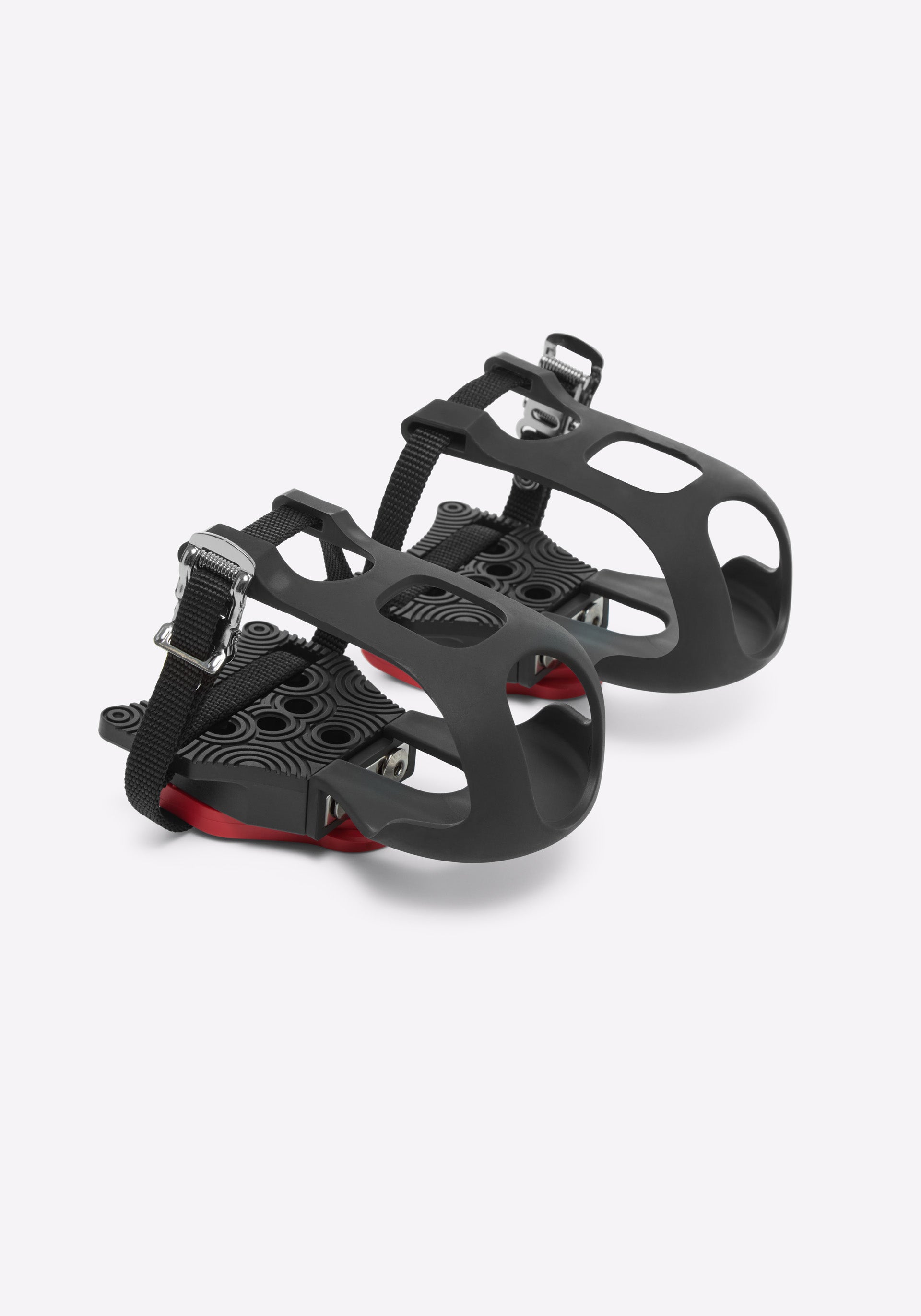
Toe Cage Adapters
You can buy toe cage adapters that attach to the Delta pedals. These let you use regular sneakers, but they may not provide the best performance or safety. Most serious Peloton users switch to clip-in shoes for better results.
Why Clip-in Shoes Are Better
- More efficient power transfer
- Less risk of slipping
- Allows pulling up as well as pushing down on the pedal
When Toe Cages Make Sense
- If you share your Peloton with family who don’t want cycling shoes
- For short, low-intensity rides
Upgrading Or Changing Peloton Pedals
Some users prefer different pedals, especially if they already own SPD shoes. Switching pedals is possible, but there are pros and cons.
How To Change Pedals
- Use a pedal wrench to unscrew the existing Delta pedals.
- Install SPD or dual-sided pedals (accept both Delta and SPD).
When To Change Pedals
- You already own expensive SPD shoes and don’t want to buy new ones.
- You ride outdoors and want the same shoes on both bikes.
Downsides Of Changing Pedals
- May void Peloton’s warranty if not done correctly.
- Takes time and a bit of skill.
- Must re-tighten and check pedals regularly for safety.
Shoe Maintenance And Durability
Good cycling shoes can last years if cared for properly. However, indoor cycling brings its own challenges—sweat, humidity, and regular use.
Cleaning Tips
- Wipe shoes with a damp cloth after each ride.
- Remove insoles occasionally and air out to prevent odor.
- Never put cycling shoes in the washing machine.
Cleat Care
- Check for worn or cracked cleats every few months.
- Replace cleats if you notice slipping, clicking, or trouble clipping in.
Lifespan Of Peloton Shoes
Most quality cycling shoes last 2–5 years with regular use. Cleats wear out faster—expect to replace them every 6–12 months if you ride often.
Common Mistakes With Peloton Shoe Compatibility
Even experienced riders make mistakes. Avoid these common problems:
- Buying SPD-only shoes: Many first-time buyers pick up mountain bike shoes thinking they’ll work. Always check for a three-bolt Delta pattern.
- Wrong cleat installation: Misaligned cleats can cause knee pain or make it hard to clip in.
- Ignoring fit: Tight or loose shoes can cause blisters or numbness.
- Not checking pedal tightness: Loose pedals can be dangerous.
- Assuming all cycling shoes are the same: Road, mountain, and spin shoes have key differences.
A non-obvious mistake: Some shoes advertise “universal compatibility,” but this often means the shoe has both two-bolt and three-bolt holes. You still need to attach the correct Delta cleats for Peloton use.
Popular Peloton-compatible Shoes Compared
Here’s a quick look at how some top choices stack up for Peloton riders:
| Brand & Model | Delta Compatibility | Best Features | Drawbacks |
|---|---|---|---|
| Peloton Shoes | Yes | Easy order, fits pedals, decent quality | Limited sizes, can be stiff |
| TIEM Slipstream | Yes (needs cleat install) | Looks like a sneaker, easy to walk | Less stiff, needs separate cleat purchase |
| Shimano RC1 | Yes | Reputable brand, comfortable | Runs narrow |
| Tommaso Pista | Yes | Budget friendly, includes cleats | Basic design, limited colors |
| Fizik R5 | Yes | Performance, high comfort | Higher price |

Adapters And Dual-cleat Shoes: A Deeper Look
Some shoes offer both two-bolt and three-bolt mounting points, or you can buy adapters. Here’s what you need to know:
Dual-cleat Shoes
These shoes have holes for both Delta (three-bolt) and SPD (two-bolt) cleats. You can switch between indoor and outdoor bikes by changing cleats. Popular for people who use multiple bike types.
Pros:
- Flexibility for different bikes
- Can be a good value if you ride both indoors and outdoors
Cons:
- Sometimes heavier
- May not be as stiff as single-cleat shoes
Cleat Adapters
You can buy an adapter plate to fit two-bolt SPD shoes onto Delta pedals. However, this is not always comfortable or safe for heavy use.
Tip: For the best experience, use shoes and cleats designed for Delta from the start.
Special Considerations: Foot Pain And Injury Prevention
Comfort matters, especially if you ride often. The wrong shoes—or poorly fitted cleats—can cause pain or even injury.
Hot Spots And Numbness
If you feel burning or numbness in your feet, your shoes may be too tight, too loose, or the wrong shape for your foot. Try different brands or sizes.
Knee Or Hip Pain
Often caused by misaligned cleats. If you have pain, try adjusting cleat position or angle. If you’re unsure, a local bike shop can help with fitting.
Arches And Insoles
Some riders need extra arch support. There are cycling-specific insoles available, or you can use your own orthotics if they fit.
Insider tip: Most beginners ignore insole quality, but it can make a huge difference over long rides.
Caring For Your Cycling Shoes
You spent time and money choosing the right shoes—keep them in top shape with these tips.
- After sweaty rides, remove the insoles and let both shoes and insoles dry completely.
- Use a shoe deodorizer spray if odor is a problem.
- Store shoes in a cool, dry place—never in a hot garage or damp basement.
- Replace worn-out cleats promptly to avoid damaging the pedal or risking a fall.
Non-obvious insight: The cleat screws can rust from sweat. Use a tiny drop of bike grease on the threads during installation to prevent this.
Eco-friendly Shoe Choices
More brands are creating eco-friendly cycling shoes. Some use recycled materials, water-based glues, and less packaging. If this matters to you, look for brands like Shimano and Adidas, who now offer greener options.

Where To Buy Peloton-compatible Shoes
You can buy cycling shoes at:
- Peloton’s official website
- Online sports retailers (like REI, Amazon, or Zappos)
- Local bike shops (for expert fitting)
- Direct from shoe brands (Shimano, Fizik, TIEM, etc.)
Why local bike shops can be better: They can help you try on shoes, fit them to your foot, and sometimes even install the cleats for you.
For more information on cycling shoe types and fit, check out the Wikipedia entry on cycling shoes.
Frequently Asked Questions
What Type Of Shoes Work With Peloton Bikes?
You need cycling shoes with a three-bolt sole that accept Delta cleats. Most road cycling shoes and the official Peloton shoes fit this requirement. Shoes made for mountain biking (SPD) are not compatible unless you use an adapter.
Can I Use My Regular Sneakers On A Peloton Bike?
Not by default. Peloton bikes come with clip-in pedals, not toe cages. If you want to use regular sneakers, you’ll need to buy toe cage adapters that attach to the pedals. For best performance, though, use proper cycling shoes.
How Do I Know If My Shoes Are Delta Compatible?
Look at the bottom of the shoe. If there are three holes in a triangle pattern, the shoe is Delta compatible. If there are only two holes side by side, the shoe is made for SPD cleats and is not compatible with Peloton pedals without an adapter.
Do I Need To Buy Peloton’s Own Branded Shoes?
No, you can use any Delta-compatible cycling shoe. Many riders prefer third-party brands for fit, style, or price reasons. Just make sure the shoe works with Delta cleats.
How Often Should I Replace My Cycling Shoes Or Cleats?
Cycling shoes can last 2–5 years with regular indoor use. Cleats wear out faster—replace them every 6–12 months or when you notice slipping, trouble clipping in, or visible wear.
Peloton bike shoes compatibility is simple once you know the basics: focus on the three-bolt Delta system, choose a shoe that fits your foot and riding style, and pay attention to cleat installation and care. The right shoes make every ride safer, more comfortable, and more fun. With this knowledge, you can avoid common mistakes and get the most from your Peloton journey—one powerful pedal stroke at a time.

