
If you’ve ever scrolled through social media or watched TV lately, chances are you’ve seen the Peloton Bike. This sleek exercise machine has become a big name in home fitness. Many people wonder if it’s truly worth the high price. Is it just a trend, or does it deliver real value? In this article, you’ll find a clear, honest look at the Peloton Bike. You’ll learn what makes it special, how it compares to other options, who it’s best for, and whether it lives up to the hype. By the end, you’ll know if the Peloton Bike is a smart investment for your health, happiness, and wallet.
What Is The Peloton Bike?
The Peloton Bike is an indoor stationary bike that connects to the internet. It comes with a large touchscreen display. This screen shows live and recorded cycling classes led by professional instructors. You can join classes with thousands of people from around the world. The bike tracks your stats—like speed, resistance, and calories burned—so you can monitor your progress.
Peloton’s main draw is its interactive experience. The bike lets you feel like you’re in a studio, even if you’re at home. You can compete with others on a leaderboard. You can also join different class types, from beginner rides to high-intensity sessions.
The bike offers other workouts, too, such as strength training and yoga, through its app.
Peloton Bike Models And Pricing
Peloton sells two main bike models: the original Peloton Bike and the Peloton Bike+. Each has different features and prices. Let’s look at how they compare.
| Feature | Peloton Bike | Peloton Bike+ |
|---|---|---|
| Price | $1,445 | $2,495 |
| Screen Size | 21.5 inches | 23.8 inches, rotates |
| Sound | Basic speakers | Enhanced speakers |
| Auto-Follow Resistance | No | Yes |
| Adjustability | Manual | More advanced |
| Monthly Membership | $44 | $44 |
The original Peloton Bike is more affordable. The Bike+ costs more, but offers a larger screen that rotates for off-bike classes, better sound, and automatic resistance changes. Both require a monthly membership to access classes and features.
What Sets Peloton Apart?
Peloton is not just a bike—it’s a complete fitness platform. Here are some unique features:
- Live and On-Demand Classes: You can join live sessions or choose from thousands of recorded classes.
- Leaderboard Competition: See your rank in real-time and compete with others.
- Variety of Instructors: Peloton hires energetic, motivating coaches from different backgrounds.
- Diverse Workouts: Besides cycling, you get access to yoga, stretching, running, and strength classes.
- Community Feel: Peloton users often join social groups, challenges, and interact with each other.
- Performance Tracking: The bike tracks your stats and shows progress over time.
These features make Peloton more interactive and engaging than most home bikes.
The Peloton Experience: What Users Say
Peloton’s popularity comes from its loyal user base. Most owners praise the bike’s quality and the variety of classes. Many say the bike helps them stay motivated, even when they struggle with regular gym routines.
A survey by Statista in 2023 found that 87% of Peloton users felt more motivated to exercise at home. Over 70% reported improved fitness levels after six months. Reviews often mention the friendly instructors and the sense of community.
Some users share that the leaderboard pushes them to work harder. Others like the convenience: they can ride any time, without commuting to a gym. A few say Peloton helps them create a healthy routine.
However, not all feedback is positive. Some people complain about the price, or say the monthly fees add up. Others wish there were more beginner-friendly classes.

Comparing Peloton To Other Exercise Bikes
Peloton is not the only option for indoor cycling. Many brands offer similar bikes, often at lower prices. Let’s see how Peloton stacks up against its main competitors.
| Bike | Price | Screen | Membership | Unique Features |
|---|---|---|---|---|
| Peloton Bike | $1,445 | 21.5-inch touchscreen | $44/month | Live classes, leaderboard |
| NordicTrack S22i | $1,299 | 22-inch touchscreen | $39/month | Incline/decline, Google Maps rides |
| Echelon EX-5 | $899 | 10-inch touchscreen | $39/month | Live classes, compact design |
| Bowflex C7 | $999 | 7-inch touchscreen | $19/month | Built-in apps, cheaper membership |
Peloton stands out for its community and class quality. Competitors like NordicTrack offer incline features and outdoor simulation. Echelon and Bowflex are more budget-friendly, but their screens and classes aren’t as advanced.
Real Costs: What You Need To Know
The Peloton Bike is not a small investment. Besides the bike price, you need to pay for the monthly membership. Let’s break down the real costs:
- Bike Purchase: $1,445 or $2,495 for Bike+
- Membership Fee: $44 per month
- Shoe and Accessory Costs: Peloton recommends cycling shoes ($125–$150), plus optional weights and mats ($50–$100)
Over one year, the total cost can reach $2,000–$2,800. Over three years, it may be $3,500 or more. Some users try to save by buying used bikes or third-party accessories.
Many people overlook the ongoing membership fee. This is required to access classes, stats, and leaderboards. If you cancel, the bike loses much of its value—only basic manual rides are possible.
Is Peloton Bike Worth It For Different Types Of Users?
Peloton is best for certain people. Here’s who gains the most value:
Home Fitness Enthusiasts
If you love working out at home, Peloton offers a rich experience. The variety keeps exercise interesting, and the classes fit all skill levels. The convenience of no commute is a big plus.
Competitive Cyclists
Peloton’s leaderboard and performance tracking appeal to competitive personalities. Riders can push themselves against others and set personal records.
Busy Professionals
Peloton is ideal for people with tight schedules. Classes are available 24/7, so you can ride whenever you have time—morning, lunchtime, or late night.
Families
Multiple profiles allow different family members to use the bike. Peloton offers classes for teens and adults, plus stretching and yoga for older users.
Beginners
Peloton has beginner rides, but some users say the classes can be intense. New riders should start slow and look for introductory sessions.
People Seeking Community
Peloton’s social features—like high-fives, challenges, and group rides—make it great for those who want support and motivation.
Who Should Avoid The Peloton Bike?
Peloton is not for everyone. Here are cases where it may not be worth it:
- Budget-Conscious Buyers: If money is tight, the high upfront and monthly costs can be hard to justify.
- Casual Exercisers: If you only ride occasionally, a basic bike or gym membership may be cheaper.
- People Without Space: The bike is large and needs room for safe use.
- Those Who Prefer Outdoor Exercise: If you love biking outside, Peloton may feel less exciting.
- Individuals Who Dislike Group Classes: Peloton’s main appeal is its interactive classes; if you prefer solo workouts, other bikes may suit you better.
Peloton Bike: Pros And Cons
Let’s summarize the main advantages and disadvantages.
Pros
- Motivating Classes: Instructors and leaderboards keep you engaged.
- High Build Quality: The bike is sturdy and smooth.
- Flexible Schedule: Ride any time, no need to travel.
- Wide Variety: Cycling, yoga, strength, and more.
- Community Support: Join groups, challenges, and connect with others.
- Performance Tracking: Detailed stats help monitor progress.
Cons
- High Cost: Price and membership add up.
- Requires Space: Not ideal for small apartments.
- Membership is Essential: Without it, features are limited.
- Potential for Burnout: Some users feel pressure to perform.
Peloton Digital App: An Alternative
Some people want the Peloton experience without the bike. Peloton offers a digital app for $12. 99 per month. You can use your own stationary bike and join classes on your phone or tablet.
The app gives access to cycling, running, yoga, and strength classes. However, you won’t get the full leaderboard, performance tracking, or integrated bike features. It’s a cheaper way to try Peloton before committing.
Peloton Vs. Gym Membership
Many buyers compare Peloton to a gym membership. Let’s weigh the differences:
- Peloton: Higher upfront cost, but home convenience. No travel time. Classes are always available.
- Gym Membership: Monthly fee ($30–$90), access to equipment and trainers. Social atmosphere, but may require commuting.
After 2–3 years, Peloton’s cost may be similar to a premium gym. However, gyms offer more equipment and face-to-face coaching. Peloton offers comfort and flexibility. Some users keep both, using Peloton for cardio and the gym for weights.
Health Benefits Of Using The Peloton Bike
The Peloton Bike offers several health benefits:
- Cardiovascular Fitness: Regular cycling improves heart health and endurance.
- Weight Loss: Many users burn 300–600 calories per 45-minute ride.
- Muscle Strength: Cycling builds leg muscles; off-bike classes improve overall strength.
- Mental Health: Exercise reduces stress, and Peloton’s community helps fight isolation.
- Consistency: Peloton’s classes and tracking encourage regular workouts.
A 2022 study found that people who used Peloton three times a week for six months saw a 15% increase in aerobic capacity and lost an average of 8 pounds. The routine and social features helped users stick to their goals.
Peloton Bike And Accessibility
Peloton tries to make its platform accessible. The bike has adjustable seats, handlebars, and screen angles. Classes offer different levels, from beginner to advanced.
However, the bike may not fit all body types. Very tall or short users sometimes struggle with adjustments. Peloton offers guidance for setup, but some users need extra help.
Peloton also provides closed captions and audio cues in many classes. This helps those with hearing or vision challenges. Still, some users wish for more inclusive features.
Peloton Bike Maintenance And Support
The Peloton Bike is designed for easy care. Owners should wipe down the frame and screen after each ride. Peloton recommends checking the pedals and seat regularly.
If problems occur, Peloton offers customer support and online tutorials. The bike comes with a one-year warranty, covering parts and labor. Extended warranties are available for extra peace of mind.
Some users report minor issues—like squeaky pedals or loose bolts. These are usually easy to fix. Peloton sends replacement parts quickly if needed.
Peloton Community And Social Features
Peloton’s community is one of its strongest assets. Riders can:
- Join official Peloton Facebook groups
- Take part in monthly challenges
- Give and receive virtual high-fives
- Join themed rides (like music or charity events)
- Follow friends and family
This social network helps users stay motivated and connected. Many people say the community support is what keeps them riding, even when motivation dips.
Peloton Bike And Motivation
Staying motivated is hard for most people. Peloton’s system is built to help:
- Leaderboards: Compete with others for higher rankings
- Streaks and Badges: Earn rewards for regular workouts
- Personal Records: Track best performances
- Group Rides: Join friends or community events
These features encourage consistency. Peloton makes exercise feel fun, not just a chore. Some users say they exercise more with Peloton than any other platform.
Peloton Bike: Common Mistakes To Avoid
If you’re considering Peloton, watch for these pitfalls:
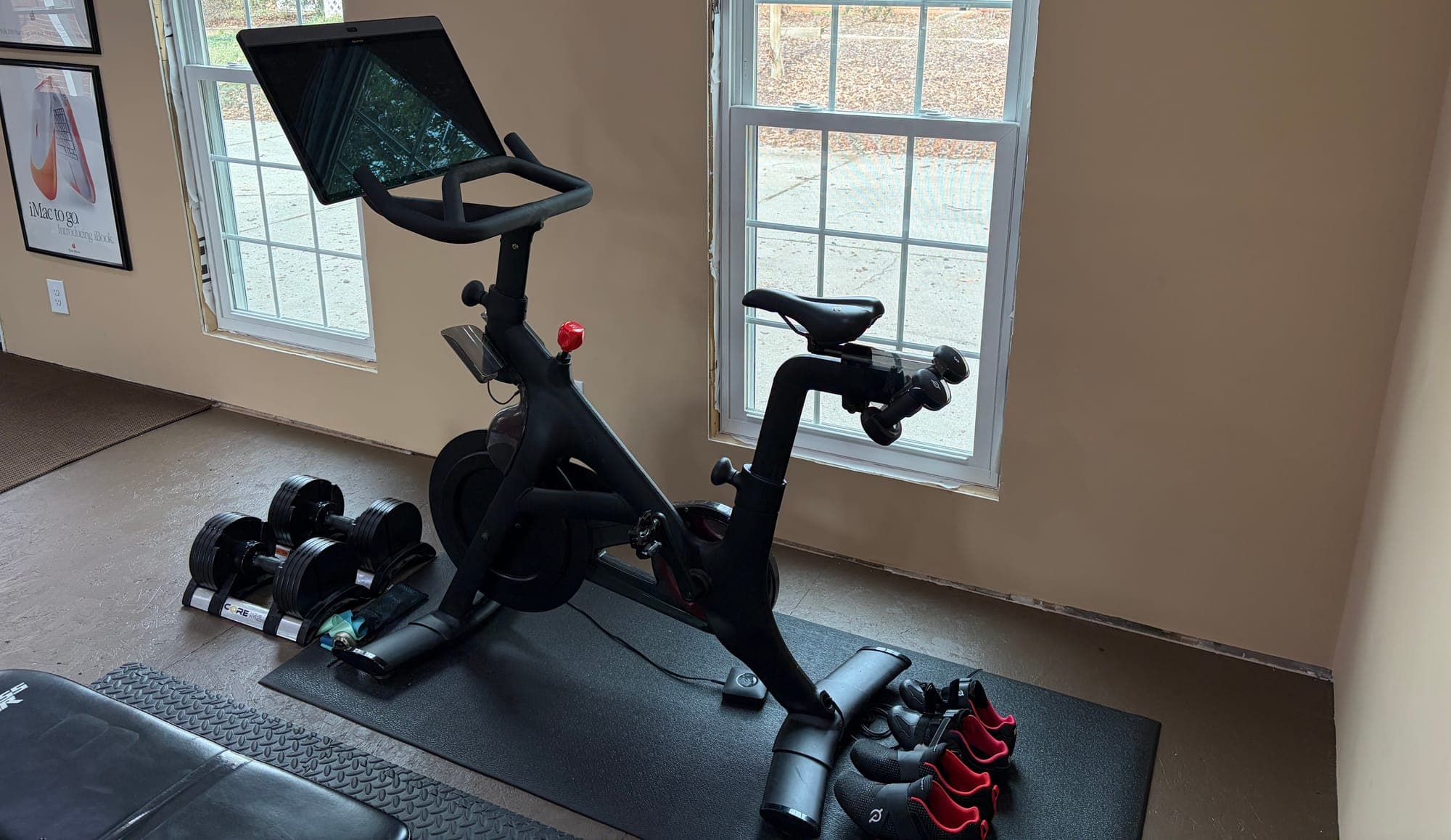
- Ignoring Space Requirements: Measure your area before buying. The bike needs 4–6 feet of clear space.
- Skipping Shoe Purchase: Peloton bikes use special cleats. Buying the right shoes improves comfort and safety.
- Expecting Instant Results: Fitness gains take time. Start with realistic goals.
- Overtraining: It’s easy to ride too often. Listen to your body and rest as needed.
- Neglecting Maintenance: Regular cleaning and checks prevent problems.
Many beginners forget about ongoing costs. Don’t overlook the membership fee—it’s needed to unlock the bike’s full features.
Peloton Bike And Upgrades
Peloton regularly updates its software. New features, classes, and challenges appear every month. The company also releases special rides—like holiday-themed classes or celebrity sessions.
Owners can upgrade accessories—such as seats, pedals, and screens. Peloton offers replacement parts, but some users prefer third-party upgrades for extra comfort.
Is Peloton A Good Investment?
Peloton costs more than most bikes, but offers a unique experience. If you value motivation, community, and convenience, it can be a solid investment. Peloton’s resale value stays high, so you can sell the bike if your needs change.
Some people find Peloton cheaper than long-term gym memberships. Others use it to replace personal trainers or group fitness classes. If you use the bike regularly, the cost per ride drops over time.
Peloton Bike And Families
Peloton is popular with families. Multiple profiles let each person track their stats and join classes. Some families schedule group rides or compete together.
Peloton offers classes for kids, teens, and adults. Family-friendly workouts include stretching and yoga. The bike is sturdy and safe, but younger kids should be supervised.
Peloton Bike: Safety Tips
Safety matters when using any exercise equipment. Here are key tips:
- Adjust the Bike Properly: Set seat and handlebars to fit your height.
- Wear Proper Shoes: Use cycling shoes with cleats for secure footing.
- Warm Up and Cool Down: Follow class instructions to avoid injury.
- Keep the Area Clear: Remove objects near the bike.
- Supervise Children: Don’t let kids use the bike unsupervised.
Following these steps prevents accidents and keeps workouts safe.
Peloton Bike And Technology
Peloton’s technology is a big part of its appeal. The touchscreen streams HD video, tracks stats, and connects to Wi-Fi. Software updates add new features—like scenic rides or improved stats.
Peloton integrates with fitness trackers (like Apple Watch and Fitbit). You can sync heart rate data, calories, and steps. This helps you monitor progress across devices.
Peloton’s app works on phones, tablets, and TVs. You can start a ride on the bike, then switch to yoga on your TV.
Peloton Bike: Environmental Impact
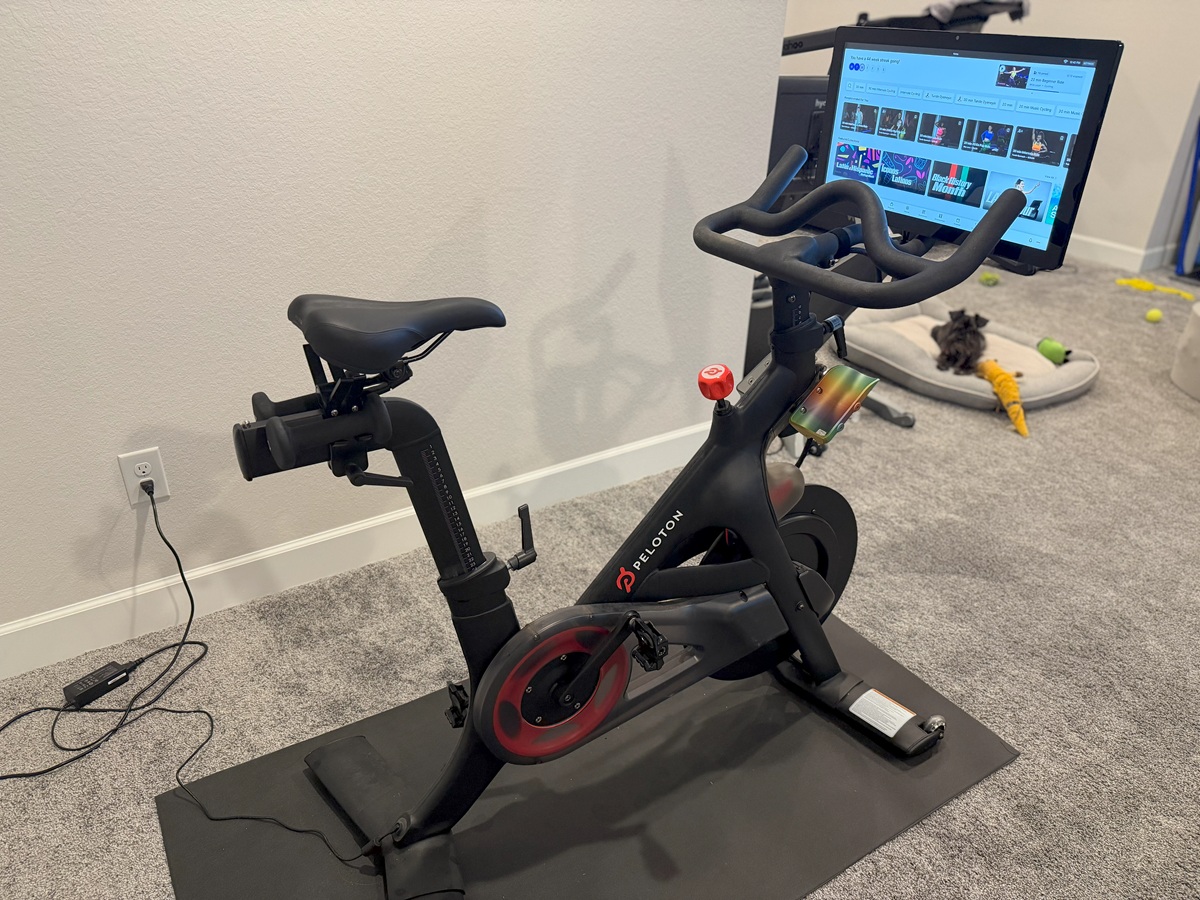
Many people care about the environment. Peloton bikes use electricity for the screen and Wi-Fi. However, they don’t need fuel or emit pollution. The bike is durable and lasts many years.
Peloton offers recycling for old bikes and parts. The company also supports charity rides and wellness programs.
If you switch from commuting to a gym to working out at home, you may reduce your carbon footprint.
Peloton Bike: Non-obvious Insights
Most buyers focus on the bike and classes, but there are hidden benefits and drawbacks:
- Social Accountability: Peloton’s group features make it harder to skip workouts. Many users say this keeps them consistent.
- Customization: You can choose class length, style, music, and difficulty. Few bikes offer this level of personalization.
- Resale Market: Used Peloton bikes often sell for $800–$1,000. This is higher than most fitness machines.
- Accessory Costs: Many new owners forget extra costs—like shoes, mats, weights. These add up quickly.
On the flip side, Peloton’s reliance on internet means outages can disrupt workouts. Some users report screen or software glitches.
Peloton Bike: The Big Picture
Peloton is more than a bike—it’s a fitness platform, community, and lifestyle. For motivated exercisers, it delivers real value. For casual users, the price may be hard to justify.
If you want to improve fitness, join a supportive group, and work out at home, Peloton is a strong option. If you prefer outdoor exercise or dislike monthly fees, look elsewhere.
To learn more about Peloton’s impact on fitness and exercise, visit Wikipedia.
Frequently Asked Questions
Is The Peloton Bike Worth The Price?
For people who value motivation, community, and high-quality classes, Peloton is often worth the price. Regular users get more value than occasional riders. If you use it several times a week, the cost per session drops. For casual exercisers, a cheaper bike may be better.
Can I Use The Peloton Bike Without A Membership?
You can use the bike for manual rides, but most features—like classes, leaderboards, and stats—require a membership. Without it, the bike loses much of its appeal.
How Does Peloton Compare To Cheaper Bikes?
Peloton offers better class quality, community, and tracking. Cheaper bikes lack live classes and interactive features. If you’re motivated by solo rides, a basic bike is fine. If you want support and variety, Peloton stands out.
Is The Peloton Bike Good For Beginners?
Peloton has beginner classes and detailed guidance. Some classes can be intense, so new users should start slow and build up. The app offers tips for setup and safe use.
What Happens If I Want To Sell My Peloton Bike?
Peloton bikes hold resale value well. You can sell the bike online or through local groups. Used bikes often sell for $800–$1,000, depending on age and condition.
Peloton’s rise shows how technology and community can change home fitness. If you’re looking for a motivating, interactive workout experience, Peloton is a strong contender. The bike’s price is high, but for many, the benefits are worth it. If you value flexibility, support, and variety, Peloton might be the best investment for your health and happiness.

