
How Long Should I Use Cubii Jr1 Daily
Many people struggle to stay active, especially if they sit for long hours at work or home. The Cubii Jr1 has become a popular solution, allowing you to exercise while sitting. But how long should you use the Cubii Jr1 daily? This question is important if you want to get the best results without risking injury or wasting time. Understanding the right duration can help you reach your fitness goals, stay healthy, and enjoy your new pedal machine safely.
This article will guide you through the ideal daily usage for the Cubii Jr1, based on your goals and health needs. We’ll look at real data, expert advice, and practical examples. You’ll learn how to use the Cubii Jr1 for weight loss, rehab, fitness, and general wellness.
Plus, we’ll discuss factors that affect your usage time, and share common mistakes to avoid. By the end, you’ll feel confident setting a routine that fits your life.
What Is The Cubii Jr1?
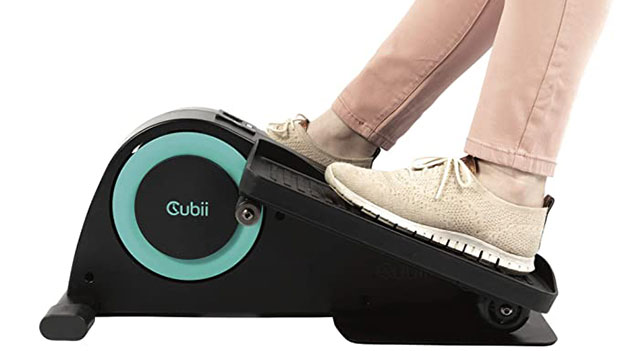
The Cubii Jr1 is a compact under-desk elliptical. Unlike regular ellipticals, it is designed for sitting use. You simply place it under your desk or in front of your chair, then pedal quietly and smoothly. It’s ideal for office workers, seniors, people with limited mobility, or anyone who wants to add activity to their daily routine.
Some key features include:
- Eight resistance levels for different workout intensities
- Quiet operation for use in shared spaces
- LCD display to track time, calories, distance, and strides
- Low-impact movement, suitable for knees and joints
The Cubii Jr1 is not just a fitness device—it’s a tool for active sitting. Many people use it for gentle exercise, calorie burning, or rehab, making it a versatile option for everyday activity.
Why Duration Matters
Using the Cubii Jr1 is simple, but the duration is crucial. Too little use may not give you the benefits you want. Too much may cause discomfort or overuse injuries, especially for beginners. Your daily usage should match your personal goals, health status, and fitness level.
Factors influencing usage time:
- Fitness goals (weight loss, rehab, endurance, general activity)
- Age and physical condition
- Work schedule and lifestyle
- Medical advice (if you have health issues)
Setting the right duration helps you avoid fatigue, joint pain, and boredom. It also improves consistency, which is key for results.

Recommended Daily Usage
There is no single answer for “how long should I use Cubii Jr1 daily. ” However, experts and research give clear guidelines based on different goals. Let’s break them down.
For General Wellness
If you want to stay active during the day, aim for 30–60 minutes total. You can split this into shorter sessions, such as:
- Three 10-minute sessions
- Two 15-minute sessions
- One 30-minute session
The American Heart Association suggests adults get at least 150 minutes of moderate activity per week. Using Cubii Jr1 for 30 minutes daily easily meets this target.
For Weight Loss
If your goal is weight loss, longer and higher-intensity sessions may help. Consider 60–90 minutes daily, combined with healthy eating. But start with shorter sessions if you’re new to exercise.
Studies show that sitting pedal machines can burn 120–150 calories per hour at moderate resistance. So, using Cubii Jr1 for 60 minutes could burn up to 150 calories. In a week, this adds up to more than 1000 calories, supporting gradual weight loss.
For Rehabilitation
For rehab or gentle movement (such as after knee surgery), use Cubii Jr1 as guided by your therapist. Most rehab protocols suggest:
- 10–20 minutes daily at low resistance
- Split into two or more short sessions
Never push beyond your comfort zone. The Cubii Jr1 is low-impact, but you must listen to your body.
For Desk Workers
If you sit all day, use Cubii Jr1 in short bursts throughout your work hours. Example routine:
- 10 minutes every hour (during breaks)
- 5 minutes every 30 minutes
Total usage: 30–60 minutes daily. This helps reduce stiffness and keeps you alert.
For Seniors
Older adults may benefit from 15–30 minutes daily at low resistance. The goal is gentle movement, not intense exercise. Split sessions are easier for most seniors.
Real-world Examples
Let’s look at practical examples of Cubii Jr1 users:
- Office worker: Uses Cubii Jr1 for 10 minutes at the start of each hour, totaling 40–50 minutes daily.
- Senior: Pedals during TV time for two 15-minute sessions, totaling 30 minutes.
- Rehab patient: Follows therapist’s plan—two 10-minute sessions at low resistance.
These routines show the flexibility of the Cubii Jr1. You can adjust session length and frequency based on your needs.
Comparing Cubii Jr1 Usage To Other Machines
How does Cubii Jr1 usage compare to other fitness devices? The following table shows typical daily usage for common equipment.
| Device | Recommended Daily Usage | Calories Burned (per hour) | Impact Level |
|---|---|---|---|
| Cubii Jr1 | 30–60 min | 120–150 | Low |
| Stationary Bike | 30–45 min | 300–500 | Medium |
| Treadmill | 20–40 min | 350–600 | Medium/High |
| Standard Elliptical | 30–60 min | 250–400 | Medium |
As you can see, the Cubii Jr1 burns fewer calories per hour than full-sized machines. However, it allows for longer, more frequent sessions because it’s easy to use while sitting. It’s also safer for joints and suitable for people who cannot use high-impact devices.

Factors Affecting Your Daily Usage
How long you should use Cubii Jr1 depends on several factors. Let’s look at each in detail.
Fitness Level
Beginners should start with short sessions—10–20 minutes per day. As you gain stamina, increase your time gradually.
Age
Older adults often need lower resistance and shorter sessions, to avoid fatigue. Younger users can handle longer workouts.
Health Conditions
If you have arthritis, heart issues, or are recovering from injury, ask your doctor for advice. Use Cubii Jr1 at low intensity and watch for pain.
Work Schedule
Busy people can break up their usage into small sessions. Consistency is more important than length.
Motivation And Enjoyment
If you enjoy using Cubii Jr1 while watching TV or during calls, you’ll naturally use it longer. Try to build it into your daily routine.
Resistance Level
Higher resistance burns more calories but is harder on joints. For longer sessions, use lower resistance.
How To Structure Your Cubii Jr1 Routine
Setting up a routine helps you get the most from your Cubii Jr1. Here’s a simple plan:
- Start with 15–20 minutes daily for the first week
- Add 5 minutes each week, up to 60 minutes
- Split sessions if needed (e.g., two 30-minute segments)
- Use different resistance levels for variety
- Track your progress with the LCD display
Example weekly progression:
| Week | Daily Usage (minutes) | Resistance Level |
|---|---|---|
| 1 | 15 | Low |
| 2 | 20 | Low/Medium |
| 3 | 25 | Medium |
| 4 | 30 | Medium/High |
| 5+ | 30–60 | Medium/High |
This progression helps you build endurance safely. If you feel pain or fatigue, reduce your session length.
Common Mistakes To Avoid
Many Cubii Jr1 users make mistakes that can limit their results or cause discomfort. Watch out for these:
- Doing too much too soon: Starting with long sessions can lead to knee pain or muscle fatigue.
- Ignoring resistance: High resistance may strain your legs. Adjust slowly.
- Bad posture: Slouching while pedaling can cause back pain. Sit upright.
- Skipping rest days: Muscles need time to recover. Take one or two rest days per week.
- Not tracking progress: Use the LCD display to watch your calories, time, and strides.
These mistakes are easy to avoid with a smart routine and attention to your body.
Benefits Of Using Cubii Jr1 Daily
Regular use of Cubii Jr1 offers many benefits:
- Improved circulation: Sitting for long periods slows blood flow. Pedaling boosts circulation.
- Calorie burn: Helps with weight management, even while sitting.
- Joint health: Low-impact movement reduces stiffness and improves mobility.
- Mental focus: Light activity increases alertness and mood.
- Convenience: Easy to use at work or home, no need for gym visits.
Studies show that active sitting can reduce heart disease risk and improve overall health. The Cubii Jr1 is a practical way to reach activity goals for people with busy schedules.
How To Make The Most Of Your Cubii Jr1 Time
To maximize your results:
- Combine with other activities: Use Cubii Jr1 while watching TV, reading, or on conference calls.
- Pair with strength exercises: Try simple upper-body moves during pedal sessions.
- Track your metrics: Set weekly targets for time and calories.
- Adjust resistance: Mix low and high resistance for variety.
- Stay hydrated: Drink water before and after sessions.
One non-obvious insight: You can use Cubii Jr1 as a warm-up before standing exercises, reducing injury risk.
Another tip: For people with limited mobility, Cubii Jr1 can be a gateway to more active habits. Start small, then add other activities like walking or stretching.
Tips For Safe And Effective Cubii Jr1 Use
Safety is key for any exercise routine. Here are practical tips:
- Check chair stability: Use a sturdy chair without wheels to avoid slipping.
- Maintain good posture: Keep your back straight and shoulders relaxed.
- Wear comfortable shoes: Avoid slippers or sandals.
- Listen to your body: Stop if you feel pain or dizziness.
- Clean your Cubii Jr1: Wipe pedals and body regularly.
Always check your device for loose parts or wear. If you have medical concerns, ask your doctor before starting.
Tracking Your Progress
The Cubii Jr1 comes with an LCD display. You can track:
- Time spent
- Calories burned
- Distance covered
- Strides
Set weekly goals, such as:
- 150 minutes per week (for health)
- 1000 calories burned (for weight loss)
Write down your numbers in a notebook or phone app. Seeing progress keeps you motivated.
How To Adjust Usage Over Time
Your routine may change as you get stronger. Here’s how to adjust:
- Increase session length slowly (5–10 minutes per week)
- Raise resistance for more challenge
- Try interval sessions (alternate fast and slow pedaling)
- Add other exercises to your routine
If your schedule changes, use Cubii Jr1 in shorter bursts. Consistency matters more than perfection.
Cubii Jr1 For Different User Types
The Cubii Jr1 serves many user groups. Here’s how daily usage varies:
| User Type | Recommended Daily Usage | Session Frequency | Tips |
|---|---|---|---|
| Desk Worker | 30–60 min | Split into 3–6 sessions | Use during breaks |
| Senior | 15–30 min | 1–2 sessions | Low resistance |
| Weight Loss | 60–90 min | 2–3 sessions | Combine with diet |
| Rehab Patient | 10–20 min | 2–3 sessions | Follow therapist advice |
This comparison shows how Cubii Jr1 usage can be tailored for specific needs.
Expert Recommendations
Physical therapists and fitness experts support using under-desk ellipticals like Cubii Jr1 for regular activity. The main advice:
- Start small, increase gradually
- Pay attention to your body
- Use Cubii Jr1 as part of a balanced activity plan
One expert tip: Pair Cubii Jr1 sessions with stretching to reduce muscle tension.
For more scientific research on active sitting, see this study.
Frequently Asked Questions
How Many Calories Can I Burn With Cubii Jr1 Daily?
You can burn 120–150 calories per hour at moderate resistance. For a 30-minute session, expect about 60–75 calories. This varies by age, weight, and resistance level.
Is It Safe To Use Cubii Jr1 Every Day?
Yes, it’s safe for most people to use Cubii Jr1 daily. It’s low-impact and gentle on joints. Take rest days if you feel soreness or fatigue.
Can I Use Cubii Jr1 Under Any Desk?
Cubii Jr1 fits under most desks with at least 18 inches of clearance. Make sure your knees don’t hit the desk while pedaling. Test before starting.
Will Cubii Jr1 Help With Knee Pain?
Cubii Jr1 offers low-impact movement, which can help reduce stiffness and improve joint health. If you have severe knee pain, ask your doctor first.
How Do I Know If I’m Using Cubii Jr1 Too Much?
Signs of overuse include knee pain, leg fatigue, or swelling. If you feel discomfort, reduce your session length or resistance. Always listen to your body.
Staying active while sitting can be a game-changer for health and wellness. The Cubii Jr1 makes it easy to add movement to your day, whether you’re working, watching TV, or recovering from injury. The right daily usage depends on your goals, but most people benefit from 30–60 minutes per day, split into shorter sessions. By starting slow, avoiding common mistakes, and tracking your progress, you’ll enjoy the benefits without risk. Adjust your routine as you get stronger and stay consistent—your body will thank you.

