
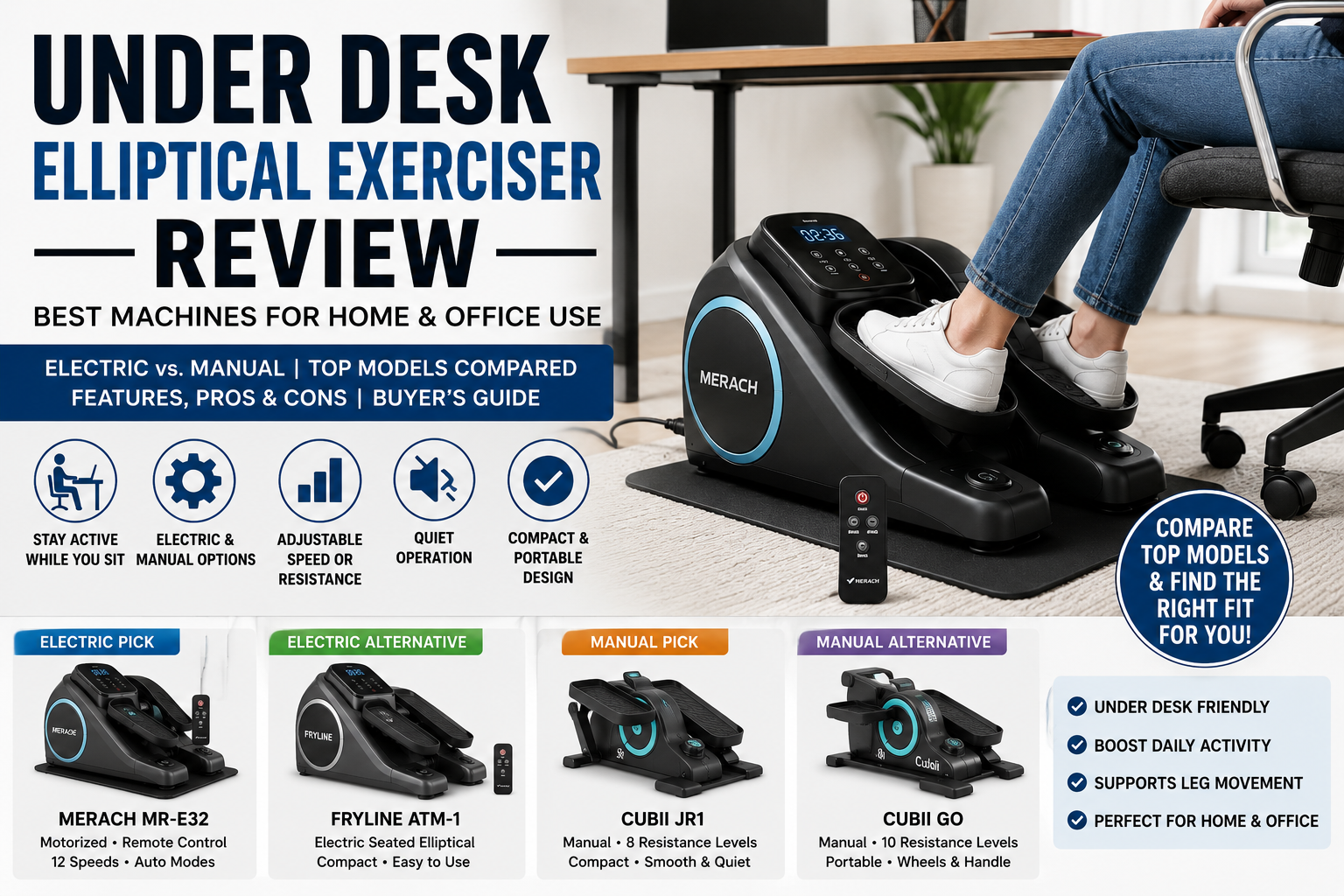
If you want to stay active while sitting, you may have heard of under-desk ellipticals. Two popular options are the Cubii Jr1 and the Cubii Go. Both let you exercise your legs while working, reading, or watching TV. But which one is better for you? This detailed comparison will help you decide with clear facts, expert insights, and answers to common questions.
Why Under-desk Ellipticals Are Popular
Modern lifestyles often mean long hours at a desk. This can lead to health problems like poor blood flow, weight gain, and stiff muscles. Under-desk ellipticals, like the Cubii Jr1 and Cubii Go, offer a way to move more without leaving your seat.
They let you burn calories, boost your energy, and even improve your mood—all while you work or relax.
But not all mini ellipticals are the same. The Cubii Jr1 and Cubii Go both aim to make exercise easy, but each has its own features, strengths, and limitations. Understanding these differences will help you make a smart choice for your home or office.
Overview: Cubii Jr1 And Cubii Go
Before diving deep, it helps to know what each machine offers at a glance.
| Feature | Cubii Jr1 | Cubii Go |
|---|---|---|
| Weight | ~27 lbs | ~19.4 lbs |
| Resistance Levels | 8 | 8 |
| Display | LCD, basic stats | LCD, basic stats |
| Portability | Carrying handle, heavier | Retractable handle, lighter |
| Bluetooth/App | No | No |
| Noise Level | Very quiet | Very quiet |
| Pedal Design | Standard | Wider, larger |
| Price Range (2024) | $200–$250 | $250–$300 |
Both models focus on low-impact exercise and can fit under most desks. But details matter, especially for long-term use.
Design And Build Quality
Cubii Jr1
The Cubii Jr1 is known for its sturdy build. It feels solid, with a reliable frame that supports regular daily use. The pedals are smooth and the unit stays stable on the floor, thanks to its weight.
Cubii Go
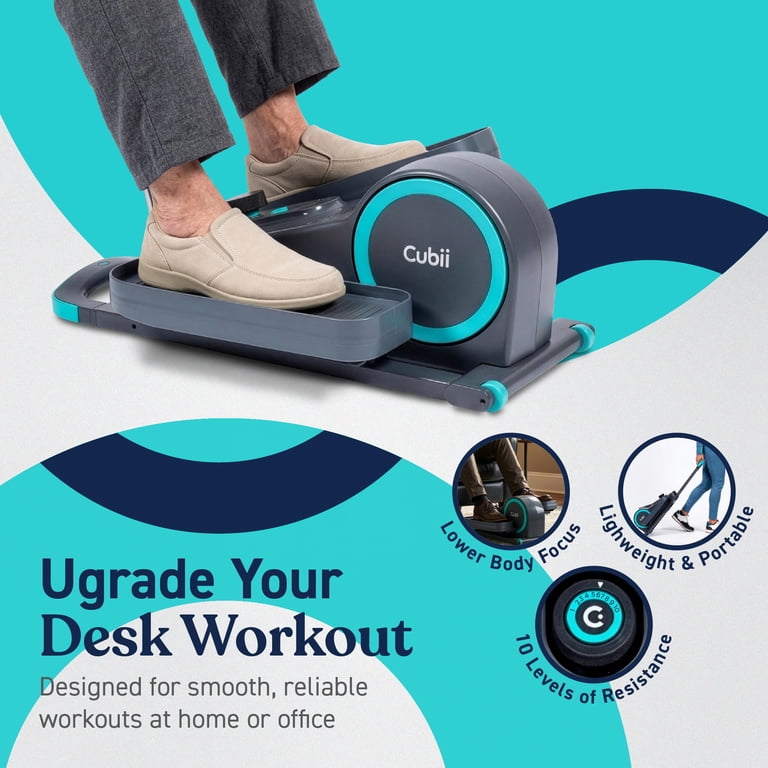
The Cubii Go is lighter, which makes it easier to move around. Its body is made from high-quality plastic and reinforced with steel where needed. The design is more modern, with a hidden, retractable handle that helps with portability.
Key Differences
- Cubii Jr1 is heavier and feels more planted during use.
- Cubii Go is easier to carry and store, ideal for people who want to move it often.
- The Cubii Go’s larger pedals help users with bigger feet or those who want more surface area.
Non-obvious Insight
Many beginners think heavier is always better for stability. However, the Cubii Go’s lighter weight and smart design mean it’s stable for most users—even on carpet—if you use it correctly.
Performance And User Experience
Resistance Levels
Both machines offer 8 levels of resistance. This allows users to adjust the difficulty based on their fitness level or goals.
- Low resistance is perfect for gentle movement during long meetings or reading.
- High resistance gives a better workout, burning more calories and strengthening your legs.
Pedal Motion
The pedal motion on both models is smooth. This is important for reducing joint stress, especially for older users or those with knee problems.
- The Jr1 has a slightly more elliptical path, which feels natural.
- The Go’s motion is a bit more circular, which some users find more comfortable for extended sessions.
Noise Level
Both machines are designed to be very quiet. You can use them in an office, during calls, or while watching TV without distraction. The magnetic resistance system means there are no loud parts or grinding noises.
Real-world Example
A user working from home may pedal for several hours a day. Both Cubii models can handle this with ease, but the Go’s lighter frame makes it simpler to move from a desk to a couch, or even take to another room.
Non-obvious Insight
Many first-time users forget to check the height clearance under their desk. Both Cubii models are compact, but you need at least 25 inches from the floor to your desktop for comfortable use. Measure before you buy to avoid disappointment.
Tracking Progress And Motivation
Both the Cubii Jr1 and Cubii Go feature a basic LCD display. The screen shows:
- Strides
- Distance
- Calories burned
- Active time
However, neither model connects to a smartphone app or Bluetooth. This means you’ll need to record your data manually if you want to track long-term trends.
How The Display Differs
- The Jr1’s display sits on top of the unit, easy to glance at.
- The Go’s display is also on top, but is a bit larger and easier to read for those with vision challenges.
If you want app connectivity or automatic tracking, you’ll need to consider the Cubii Pro, which is not covered in this comparison.
Portability And Storage
Cubii Jr1
At nearly 27 pounds, the Jr1 is not difficult to move, but it’s not the most portable. It comes with a built-in handle, but some users find it a little awkward to carry for long distances, especially up stairs.
Cubii Go
The Go was designed for easy movement. At just 19.4 pounds, it’s lighter than most competitors. The retractable handle is hidden when not in use, so the unit looks sleek. You can slide it under a bed or stow it in a closet with less effort.
Practical Example
If you plan to use your elliptical in different rooms, or need to store it away each night, the Cubii Go offers clear advantages.
Assembly And Setup
Both Cubii models arrive almost fully assembled. Most people can set them up in under 10 minutes.
- Attach the pedals with the included tool.
- Insert batteries for the display (usually included).
- Place the unit on a stable surface and you’re ready.
Common Mistake
Some users forget to tighten the pedals enough, leading to squeaks or wobbling. Make sure the pedals are firmly attached before your first workout.
Comfort And Ergonomics
Pedal Size And Shape
The Cubii Go has wider, larger pedals, which feel more comfortable for users with big feet or those who like to change foot positions during use. The Jr1’s pedals are slightly smaller but still comfortable for most.
Sitting Position
Both models work best when you sit up straight, with your feet naturally reaching the pedals. If your chair is too high or low, you may feel strain in your knees or hips.
Non-obvious Insight
Using an under-desk elliptical for too long without breaks can cause mild fatigue in your hip flexors. Try alternating between pedaling and resting every 30 minutes, especially in the beginning.
Who Each Model Is Best For
Cubii Jr1
- Best for: People who want the most stable machine, don’t need to move it often, or have a fixed workout spot.
- Not ideal for: Users who plan to carry the elliptical from room to room.
Cubii Go
- Best for: Users who need portability, have less space, or want larger pedals.
- Not ideal for: Those who prefer a heavier, “anchored” feel during workouts.
Price And Value
As of 2024, prices can change, but generally:
- Cubii Jr1: $200–$250
- Cubii Go: $250–$300
The extra cost for the Go comes from its lighter build, portability, and improved pedal design.
Is It Worth Paying More For The Cubii Go?
If you will move your elliptical often, the lighter weight and easier storage make the Go worth the extra cost. If your machine will stay in one spot, the Jr1 offers better value.
Durability And Maintenance
Both models are built for daily, long-term use. User reviews and expert tests show that both can last for years with proper care.
Maintenance Tips
- Wipe down the pedals and body every week.
- Check pedal screws every few months to keep them tight.
- Keep the unit away from wet floors or heavy dust.
Durability: User Feedback
Thousands of users report no major problems after a year or more. The main issue, when it happens, is pedal looseness—but this is almost always due to setup, not poor quality.
Pros And Cons Side-by-side
This summary helps you see the strengths and weaknesses quickly.
| Feature | Cubii Jr1 Pros | Cubii Jr1 Cons | Cubii Go Pros | Cubii Go Cons |
|---|---|---|---|---|
| Weight | Stable, sturdy | Harder to move | Lighter, portable | Less “anchored” feel |
| Pedals | Comfortable, non-slip | Smaller size | Larger, more foot room | May be too wide for small desks |
| Price | Lower cost | No portability features | Easy to carry, store | Higher price |
| Design | Classic look | Bulkier | Modern, sleek | Plastic body may scratch |
User Experience And Feedback
What Real Users Say
- Cubii Jr1 users often praise the solid feel. Many say it helps them move more during long meetings, and that it’s easy to use for all ages.
- Cubii Go users love the portability. They mention taking it from home office to living room, and even using it while traveling by car.
Example: Office Use
A manager who sits for eight hours daily shared that the Cubii Go made it simple to stay active. They noticed less leg fatigue and felt more energized after just a week.
Example: Seniors
Older adults appreciate the Jr1’s stability. Some say it helps with circulation and joint pain, and the heavier weight means it won’t slide on hardwood floors.
Common Buyer Mistakes
- Ignoring desk clearance: Not measuring under-desk height, leading to awkward use.
- Expecting full cardio workouts: These machines are for light to moderate exercise, not intense training.
- Not considering weight: Choosing the Jr1 for portability, then finding it too heavy to move.
- Forgetting about noise: While both are quiet, using them on an uneven floor can create vibrations.

Practical Tips For Getting The Most Out Of Your Cubii
- Start slow: Use the lowest resistance until your muscles adapt.
- Track your sessions: Write down your stats if you want to see progress over time.
- Use a supportive chair: Avoid chairs with wheels, or lock them to prevent rolling.
- Stay hydrated: Even light exercise increases water needs.
- Mix it up: Try pedaling backward sometimes to work different muscles.
Real-world Scenarios
Working From Home
If you’re at your desk all day, either model helps you avoid sitting still. The Jr1 feels more solid under a fixed desk, while the Go is perfect for those who move between rooms or share the device with family.
Small Apartments
Space is often limited. The Cubii Go’s smaller size and lighter weight make it easy to slide under a bed or tuck away when not in use.
Recovery From Injury
Doctors sometimes recommend gentle exercise after leg or knee injuries. Both Cubii models offer low-impact motion that’s easier on joints than walking or running. But always check with your doctor before starting any new exercise.
Which Should You Choose?
After all these details, here’s a simple way to decide:
- Choose Cubii Jr1 if you want a stable, affordable machine that stays in one spot.
- Pick Cubii Go if you value portability, need larger pedals, or want a lighter unit.
If you’re still unsure, think about where you’ll use the elliptical most and how often you’ll move it. That’s the factor most buyers overlook, but it’s the one that makes the biggest difference in daily life.
Where To Buy And Warranty
Both Cubii models are available from the official Cubii website, Amazon, and major retailers. Make sure you buy from a trusted seller to get the full warranty.
- Warranty: Usually 1 year for parts and labor.
- Customer Service: Cubii is known for quick responses and helpful support.
For more information about under-desk ellipticals, you can visit the Wikipedia page on elliptical trainers.
Frequently Asked Questions
Is The Cubii Go Better Than The Cubii Jr1 For Small Desks?
The Cubii Go is more portable and has bigger pedals, but the Jr1’s smaller footprint can fit under tighter desks. Measure your space before deciding.
Can I Use The Cubii Jr1 Or Go While Standing?
No. Both machines are designed for use while sitting. Standing could damage the device and is not safe.
How Many Calories Can I Burn Using A Cubii Each Day?
On average, users burn 100–150 calories per hour at moderate resistance. Actual numbers depend on your speed, resistance, and body weight.
Do The Cubii Jr1 Or Go Connect To Fitness Apps?
Neither model connects to apps or Bluetooth. You must track your progress manually or upgrade to a Cubii Pro for app features.
Are These Machines Noisy?
Both Cubii Jr1 and Go are very quiet. You can use them during meetings, calls, or while watching TV without disturbing others.
—
Choosing between the Cubii Jr1 and Cubii Go comes down to your needs: stability and value, or portability and comfort. Both models deliver effective, quiet under-desk exercise. With the right choice, you can turn sitting time into healthy, active time every day.

