
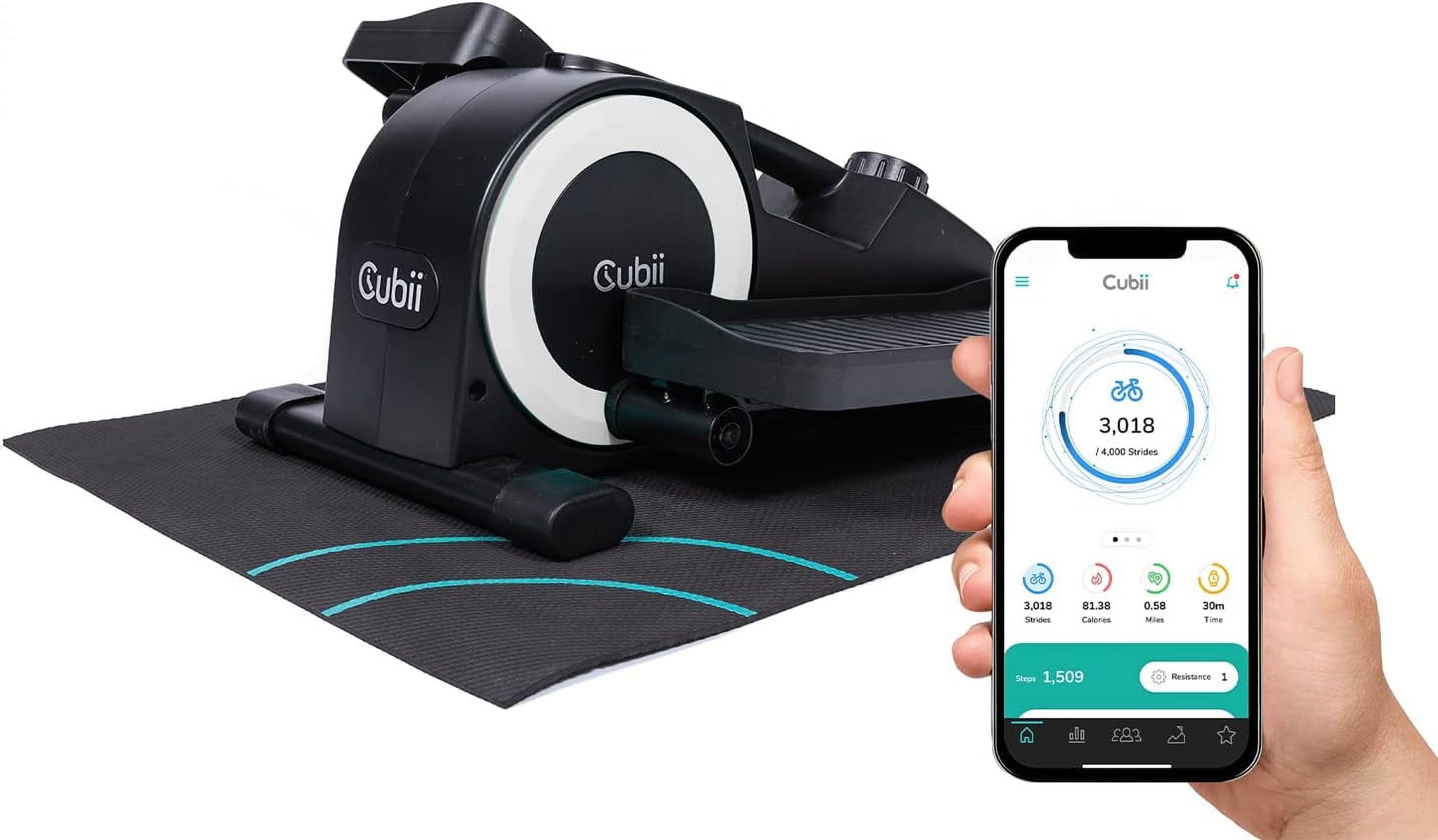
If you own a Cubii Jr1 elliptical, you probably chose it for its promise of smooth, low-impact exercise. But what happens when the resistance stops working as it should? Maybe the pedal feels too easy even on high settings, or it’s stuck and won’t adjust. These issues can turn your workout into frustration. The good news is, most Cubii Jr1 resistance problems can be fixed at home with a little patience and the right steps. In this guide, I’ll walk you through everything you need to know, from common causes to advanced troubleshooting, so you can get your Cubii Jr1 working like new again.
Understanding Cubii Jr1 Resistance Mechanism
To fix resistance issues, it helps to know how the Cubii Jr1 works. This under-desk elliptical uses a manual resistance system controlled by a dial. Inside, a magnetic flywheel creates resistance: as you turn the dial, magnets move closer or farther from the flywheel, changing the effort needed to pedal.
Most problems come from three main parts:
- The resistance dial
- The magnetic mechanism
- The drive belt
If any of these parts fail, you might notice:
- No change in resistance
- Resistance stuck at one level
- Unusual noises
- Loose or jammed dial
Common Causes Of Resistance Issues
Before grabbing tools, let’s identify why your Cubii Jr1 might not adjust resistance properly.
- Loose resistance cable: The dial connects to the magnets by a cable. If this cable slips or stretches, turning the dial may do nothing.
- Misaligned magnets: If magnets shift out of place, the resistance won’t increase or decrease correctly.
- Broken resistance dial: The dial itself may crack or detach from the mechanism.
- Damaged belt: The drive belt transfers motion. If it’s worn or loose, resistance can feel inconsistent.
- Internal debris: Dust or small objects inside can block movement.
- Lack of lubrication: Dry parts may cause stiffness or “stuck” resistance.
Most issues are mechanical, not electronic. The Cubii Jr1 doesn’t use complex sensors, so repairs are usually straightforward.
Preparing For Troubleshooting
Before fixing your Cubii Jr1, gather the right tools and prepare your workspace. This will make repairs safer and easier.
You’ll need:
- Phillips screwdriver
- Flat-head screwdriver
- Needle-nose pliers
- Lubricating oil (like WD-40)
- Clean cloth
- Flashlight
Find a flat surface, like a table or floor, and clear space around you. Keep small parts in a tray or bowl so you don’t lose them.
Safety tips:
- Unplug the Cubii Jr1 if you use the digital display or charger.
- Work in good light.
- Don’t force parts—if something won’t move, check for hidden screws or clips.
Step-by-step Guide To Fixing Cubii Jr1 Resistance Issues
Let’s break down the repair process into clear steps. If you’re unsure about any part, move slowly and check manufacturer instructions.
1. Assess The Problem
First, check what’s wrong:
- Turn the resistance dial through all settings. Does it feel loose, tight, or stuck?
- Pedal at each setting. Is resistance changing?
- Listen for noises: Clicking, grinding, or squeaking?
Write down your findings. This will help you target the right fix.
2. Remove The Pedal Arms
To access internal parts, you need to remove the pedal arms.
- Use a Phillips screwdriver to unscrew bolts holding each pedal arm.
- Keep screws together for later.
- Gently lift each pedal arm off.
This exposes the main body, making repairs easier.
3. Open The Main Housing
Now, you’ll need to open the Cubii Jr1’s housing.
- Find all screws around the edges and under the unit.
- Remove screws with a Phillips screwdriver.
- Carefully separate the top cover. If it sticks, check for hidden screws.
Use a flashlight to look inside. Don’t force the cover—it can crack.
4. Inspect The Resistance Dial And Cable
Look at the resistance dial and the cable connecting it to the magnets.
- Check for loose or disconnected cable.
- If the cable is detached, use needle-nose pliers to reattach it.
- If the cable is frayed, you may need a replacement. Contact Cubii support for parts.
Check the dial itself:
- Is it cracked or broken? If so, replace it.
- Does it turn smoothly? If not, add a drop of lubricating oil.
5. Check The Magnet Assembly
Find the magnet assembly near the flywheel.
- Look for magnets that are misaligned or have fallen off.
- If magnets are loose, gently push them back into place.
- If they are damaged, replacements may be needed.
Turn the dial while watching the magnets. They should move closer or farther from the flywheel. If nothing happens, the cable may be stuck.
6. Examine The Drive Belt
Look for the drive belt, usually black and rubbery.
- Check if it’s tight and in good condition.
- If the belt is loose, try to tighten it. Some models have a tension screw.
- If the belt is worn or broken, order a new one from Cubii.
A loose belt can make resistance feel inconsistent, even if magnets are working.
7. Clean And Lubricate Moving Parts
Use a clean cloth to wipe away dust and debris.
- Lubricate moving parts, especially the resistance dial and cable.
- Avoid over-oiling—just a small drop is enough.
This reduces friction and prevents future problems.
8. Reassemble The Cubii Jr1
Once repairs are done, put everything back together.
- Replace the housing cover and screw it tightly.
- Reattach pedal arms.
- Test the resistance dial and pedal motion.
If resistance works smoothly, you’ve fixed the issue.

Comparing Common Cubii Jr1 Resistance Problems
Here’s a quick comparison of the most frequent issues and their symptoms:
| Problem | Symptoms | Fix |
|---|---|---|
| Loose resistance cable | Dial turns but resistance doesn’t change | Reattach or replace cable |
| Misaligned magnets | No resistance change, strange noises | Realign magnets |
| Broken dial | Dial feels loose, won’t turn | Replace dial |
| Damaged belt | Resistance feels inconsistent | Tighten or replace belt |
| Internal debris | Stuck or noisy resistance | Clean inside housing |
Advanced Troubleshooting For Persistent Issues
If basic fixes don’t work, try these advanced steps.
Resetting The Resistance Mechanism
Sometimes, The Resistance Mechanism Needs A “reset.”
- Remove the housing and locate the cable.
- Detach the cable from the magnet assembly.
- Manually move the magnets to the lowest and highest positions.
- Reattach cable, ensuring it’s tight.
This Can Solve Issues Where The Dial Is “off Track.”
Replacing Parts
If you find broken parts, replacements are best.
- Order parts from Cubii’s official website or customer support.
- Follow their instructions for installation.
- Use only genuine Cubii parts to avoid compatibility issues.
Contacting Customer Support
If you can’t fix the problem, reach out to Cubii.
- Prepare your unit’s serial number.
- Describe the issue and steps you’ve tried.
- They may offer replacement parts or service.
Cubii support is known for helpful responses. For warranty details, see their official site: Cubii Official Website.
Preventing Future Resistance Problems
Once your Cubii Jr1 is fixed, regular maintenance can prevent new issues.
Maintenance tips:
- Clean the unit monthly with a dry cloth.
- Check screws and bolts for tightness.
- Lubricate moving parts every 3–6 months.
- Avoid placing the Cubii in dusty or humid areas.
- Don’t force the resistance dial—turn gently.
These steps keep your elliptical smooth and reduce wear.
User Experiences: Real-world Examples
To show how common these problems are, here are stories from Cubii Jr1 owners:
Sarah, 42: “After six months, my resistance dial stopped working. It felt loose and wouldn’t change levels. I opened the unit and found the cable had slipped off. Reattaching it was easy, and now it works perfectly.”
Mike, 34: “I noticed squeaking and no resistance change. Turns out, a magnet had fallen out of place. I realigned it and wiped away dust. The pedal now feels normal, and the noise is gone.”
Linda, 58: “My drive belt was loose, so resistance felt weak. Tightening the belt made a big difference. I also started cleaning the unit every month, and haven’t had issues since.”
These examples show that most fixes are simple with basic tools.
Comparing Cubii Jr1 With Other Under-desk Ellipticals
How does the Cubii Jr1’s resistance mechanism compare to other models? This data can help you understand what makes the Jr1 unique.
| Model | Resistance Type | Common Issues | Ease of Repair |
|---|---|---|---|
| Cubii Jr1 | Manual Magnetic | Loose cable, dial, belt | Easy |
| DeskCycle 2 | Manual Magnetic | Cable stretch, internal debris | Moderate |
| Sunny Health Mini | Manual Friction | Pad wear, resistance knob | Easy |
| Stamina InMotion | Manual Friction | Pad replacement, noisy | Moderate |
Cubii Jr1 stands out for its simple, magnetic mechanism. Repairs are usually easier than with friction-based models.
Signs You Need Professional Help
While most resistance issues can be fixed at home, some signs mean you should get expert help:
- Strange electrical smells: This means possible wiring damage.
- Broken internal plastic: If housing cracks, repairs may need special tools.
- Persistent resistance failure: If the dial or cable keeps failing after repairs.
If you notice these signs, contact Cubii or a local technician.
Frequently Asked Questions
What Should I Do If The Resistance Dial Is Stuck?
If the dial won’t turn, first check for dirt or debris around it. Open the housing and look for blockages. Clean and lubricate the dial’s base. If it’s still stuck, inspect the cable for tangles or breaks. Replace the dial if damaged.
Why Does My Cubii Jr1 Make Noise When Adjusting Resistance?
Noises can come from misaligned magnets, a loose drive belt, or dry moving parts. Open the housing and check these areas. Clean out debris and add a small amount of lubricant. Realign magnets if needed.
Can I Use Third-party Replacement Parts?
It’s best to use genuine Cubii parts. Third-party parts may not fit or work properly, and can void your warranty. If you need a replacement, contact Cubii support or buy from their official website.
How Often Should I Clean And Lubricate My Cubii Jr1?
For best performance, clean your Cubii Jr1 monthly and lubricate moving parts every 3–6 months. If you use it daily, consider cleaning more often. Always wipe away dust and check for loose screws.
Is It Safe To Repair The Cubii Jr1 Myself?
Yes, most resistance issues can be fixed safely with basic tools. Follow step-by-step instructions and work in a clean, well-lit area. Don’t force parts. If you’re unsure or see electrical damage, contact a professional.
Final Thoughts
Fixing Cubii Jr1 resistance issues doesn’t require expert skills—just careful steps and a little patience. Most problems come from loose cables, misaligned magnets, or worn belts, and can be solved with simple tools. Regular maintenance will keep your elliptical running smoothly, and knowing how the mechanism works makes repairs easier. If you ever feel stuck, Cubii’s support team is ready to help. With these tips, your Cubii Jr1 will deliver reliable workouts for years to come.


