
If you’re searching for a reliable indoor cycling experience, the Keiser M3i Indoor Cycle stands out. This bike is found in homes, gyms, and studios around the world. But what makes it different? How does it actually work, and what should you know before using or buying it? In this article, you’ll discover the mechanical details, digital features, and user experience that set the Keiser M3i apart. Whether you’re a beginner or a seasoned rider, understanding how this indoor cycle works will help you get the most from every session.
What Is The Keiser M3i Indoor Cycle?
The Keiser M3i is a high-end stationary bike designed for indoor cycling workouts. It’s made by Keiser Corporation, a company known for innovative fitness equipment. The M3i targets both commercial gyms and home users who want a professional cycling experience.
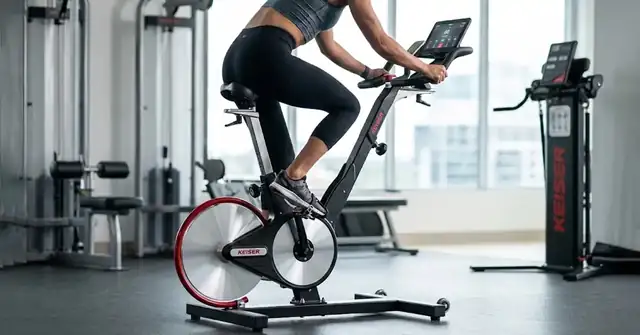
This bike uses a unique magnetic resistance system instead of the old-fashioned friction pads. It also has a rear-flywheel design, a digital display, and Bluetooth connectivity for tracking your workouts. All these features work together to give a smooth, quiet, and customizable ride.
Core Components And How They Function
Understanding how the Keiser M3i works starts with its key parts. Each component plays an important role in your cycling workout.
Frame And Build Quality
The frame is made from high-quality, corrosion-resistant materials. It’s designed to last for years, even with heavy use. The M3i’s V-shaped frame supports riders from 4’10” to 7’ tall and up to 350 lbs, making it suitable for almost everyone.
Magnetic Resistance System
Instead of using brake pads to create resistance, the Keiser M3i uses magnets. Here’s how it works:
- As you turn the resistance lever, the magnets move closer or farther from the flywheel.
- The closer the magnets are, the stronger the resistance.
- Because there’s no physical contact, there’s almost no wear and tear or noise.
This system offers several benefits:
- Silent operation (good for apartments)
- Smooth resistance changes
- Low maintenance
Beginners often overlook that magnetic resistance is not just quieter—it also provides more precise control over your workout intensity.
Rear-flywheel Design
The flywheel is positioned behind the seat, not in front like most stationary bikes. This unique design keeps sweat away from the flywheel, reducing corrosion. It also gives the bike a modern look and helps protect moving parts from dust and moisture.
Drivetrain: Poly-v Belt
The M3i uses a Poly-V belt drive system, not a chain. This means:
- Less noise
- No need for oil or heavy maintenance
- Smoother, more realistic road feel
Many first-time users don’t realize that a belt drive also means a more consistent workout, as there’s no chain slack or slipping.
Adjustable Handlebars And Seat
Both the handlebars and seat can be adjusted up, down, forward, and backward. This makes it easy to find your ideal riding position, which is important for comfort and injury prevention.
Pedals And Crank Arms
The M3i comes with dual-sided pedals:
- One side fits regular athletic shoes
- The other fits SPD-compatible cycling shoes
This flexibility lets you ride with or without special gear.
How The Magnetic Resistance Works
The magnetic resistance system is the heart of the M3i. Here’s a closer look at how it operates:
- The flywheel spins as you pedal.
- Magnets are mounted on a bracket close to the flywheel.
- Turning the resistance lever moves the magnets closer or farther from the flywheel.
- The magnetic field creates drag, making it harder or easier to pedal.
Because nothing actually touches the flywheel, the ride stays smooth and silent. This means fewer breakdowns and a longer-lasting bike.
Digital Console And Bluetooth Features
The Keiser M3i is not just about hardware. Its digital console and Bluetooth technology offer useful feedback and workout tracking.
The M Series Computer
The bike’s computer tracks:
- RPM (revolutions per minute)
- Power (watts)
- Heart rate (with compatible monitors)
- Elapsed time
- Distance
- Gear/resistance level
- Calories burned
Data updates in real time, so you always know how hard you’re working.
Bluetooth And App Integration
The M3i connects via Bluetooth to popular cycling apps, including:
- Keiser M Series app
- Zwift
- Peloton Digital
- TrainerRoad
This allows you to:
- Save workout data
- Join virtual classes
- Race against friends or other riders
- Analyze performance over time
A non-obvious benefit: with app integration, you can ride with others anywhere in the world, not just in your gym or home.

Setting Up And Adjusting The Keiser M3i
Proper setup is key for a comfortable, safe workout. Here’s how to get started:
- Adjust the seat height so your knee is slightly bent at the bottom of the pedal stroke.
- Move the seat forward or backward to align your knees with the pedal axles.
- Adjust handlebar height for comfort (higher for beginners, lower for advanced riders).
- Move handlebars forward or backward to avoid reaching too far.
- Check pedal straps or clip in if you’re using cycling shoes.
Take a few minutes to find the right settings before your first ride. Many beginners skip this step and end up with knee or back pain.
Riding Experience: What Makes It Special?
People choose the Keiser M3i for its unique feel and reliable performance. Here’s what stands out:
Ultra-smooth Ride
The combination of magnetic resistance and a belt drive makes pedaling nearly silent and extremely smooth. There are no jerky transitions or sudden changes in resistance.
Realistic Road Feel
The flywheel weight and drive system are designed to mimic outdoor cycling. This helps you train for real rides, not just spin in place.
Stable And Safe
The V-shaped frame and wide base keep the bike steady, even during intense sprints or when you ride out of the saddle.
Low Maintenance
Thanks to the magnetic system and belt drive, the Keiser M3i rarely needs repairs. Just wipe it down and check the bolts once in a while.
Easy To Move
Integrated transport wheels let you roll the bike to a new location without heavy lifting.
Comparing The Keiser M3i To Other Indoor Cycles
It’s useful to see how the M3i stacks up against similar bikes. Here’s a simple comparison with two popular competitors:
| Feature | Keiser M3i | Peloton Bike | Schwinn IC4 |
|---|---|---|---|
| Resistance Type | Magnetic | Magnetic | Magnetic |
| Drive System | Belt | Belt | Belt |
| Flywheel Position | Rear | Front | Front |
| Bluetooth Connectivity | Yes | Yes | Yes |
| Max User Weight | 350 lbs | 297 lbs | 330 lbs |
| Adjustability | 4-way seat & handlebars | 2-way seat, 2-way handlebars | 4-way seat & handlebars |
The rear-flywheel and higher weight capacity are two things that make the Keiser M3i unique.
Using The Keiser M3i: Step-by-step Guide
If you’re new to the M3i, here’s how to get started with a workout:
- Turn on the console by pedaling (it’s battery powered).
- Select your app (if using Bluetooth).
- Set your resistance using the lever. Start low to warm up.
- Track your stats on the display.
- Adjust your position as needed during the ride.
- Cool down and stretch after your workout.
Remember, resistance levels on the M3i are called “gears” and shown as numbers (1–24). It’s not about how high you can go, but how you use the resistance for your fitness goals.
Maintenance And Longevity
The Keiser M3i is designed for easy care. Here’s how to keep it in top condition:
- Wipe down after every use to prevent sweat damage.
- Check bolts and screws monthly.
- Replace batteries in the console when needed.
- Lubricate seat post and handlebar tubes if they become stiff.
Because the system is mostly frictionless, you won’t need to replace brake pads or belts often. Many owners report their bikes last over five years with minimal attention.
Who Should Choose The Keiser M3i?
The M3i is ideal for:
- Serious cyclists who want a realistic training bike.
- Home users looking for a quiet, low-maintenance machine.
- Fitness studios that need durable, adjustable bikes for multiple users.
- People of all heights (from under 5 feet to over 7 feet tall).
However, the M3i is a premium product. If you’re just starting out or on a tight budget, there are less expensive options. But for those who want quality, it’s hard to beat.
Real User Experiences And Insights
Many users share positive feedback about the Keiser M3i. Here are a few real-life insights:
- Noise Level: Most owners say the bike is so quiet, you can ride while others sleep nearby.
- App Compatibility: The ability to connect to Zwift or Peloton Digital gives more options than some bikes with locked ecosystems.
- Fit for Families: Because it adjusts quickly, several people of different heights can use the same bike in one home.
- Resale Value: The M3i holds its value better than most indoor cycles, often reselling for over 60% of the original price.
One detail many beginners miss: the M3i’s display is simple but not a touchscreen. If you want built-in video classes or entertainment, you’ll need a separate device or screen.
Advanced Features And Accessories
The base Keiser M3i works well on its own, but you can add accessories:
- Media tray: Holds your phone or tablet.
- Floor mat: Protects your floor from sweat and vibration.
- Dumbbell holder: For upper body workouts during rides.
- Toe cages: For those who don’t use cycling shoes.
A less obvious feature: the bike’s resistance lever is micro-adjustable, so you can make very small changes. This is helpful for interval training or rehab.
Data Tracking And Progress
Staying motivated is easier when you can see your progress. The M3i gives you:
- Session summaries: On the console or app
- Power output: In watts, for precise training
- Personal records: When using apps like Keiser M Series or Zwift
A smart tip: track your average watts over time. This shows if you’re getting stronger, not just spinning your legs faster.
Safety And Ergonomics
Safety is often overlooked with indoor bikes, but the M3i gets it right:
- Enclosed flywheel: Reduces risk of injury from moving parts.
- Sturdy frame: Prevents tipping, even during intense rides.
- Soft-touch handlebars: Reduce hand fatigue.
- Wide, stable base: Keeps the bike planted on any floor.
Always use proper cycling form and adjust the bike for your body to prevent injury.

Environmental Impact
The Keiser M3i is designed to last, which reduces waste. It’s also battery powered, not plugged in, so it uses very little energy. The rear-flywheel and sealed bearings help keep dust and sweat out, meaning fewer parts need to be replaced over time.
Price And Value
The Keiser M3i costs more than most home bikes, usually around $2,000–$2,400 (as of 2024). Here’s a simple value comparison:
| Bike | Average Price | Warranty (Frame/Parts) | Bluetooth/App Support |
|---|---|---|---|
| Keiser M3i | $2,200 | 10 yrs / 3 yrs | Yes |
| Peloton Bike | $1,445 | 5 yrs / 1 yr | Yes |
| Schwinn IC4 | $999 | 10 yrs / 3 yrs | Yes |
While the M3i is an investment, many owners say it pays off in low maintenance and long service life.
Common Mistakes When Using The Keiser M3i
Some users don’t get the most from their bike because they:
- Skip the setup—leading to poor posture and discomfort.
- Use too little resistance, making workouts less effective.
- Forget to connect the console to their favorite app.
- Neglect regular cleaning, which can shorten the bike’s life.
Take time to learn your bike’s features and maintain it for the best experience.
Is The Keiser M3i Right For You?
If you want a quiet, professional-grade indoor cycle that works with modern apps and lasts for years, the Keiser M3i is hard to beat. It’s not just about the ride—it’s about reliable performance, comfort, and future-proof technology.
Still, it’s important to compare your needs. If you’re focused on live instructor classes with built-in screens, something like the Peloton might fit you better. But if you want flexibility, durability, and a bike you can trust, the M3i is an excellent choice.
For further details and updates on the Keiser M3i, visit the official Keiser website.
Frequently Asked Questions
How Does The Magnetic Resistance On The Keiser M3i Compare To Friction Resistance?
Magnetic resistance uses magnets to slow the flywheel, making the ride smoother and quieter. There’s no contact, so there’s less wear and almost no noise. Friction resistance uses pads, which wear out and can be noisy.
Can I Use The Keiser M3i With Zwift Or Peloton Apps?
Yes. The M3i’s Bluetooth feature lets you connect to Zwift, Peloton Digital, TrainerRoad, and other apps. You can track your stats, join virtual classes, or ride with friends online.
How Much Space Does The Keiser M3i Need?
The bike’s footprint is about 49” long x 26” wide. It fits in most home gyms, bedrooms, or living rooms. You’ll need a bit of extra space to get on and off safely.
What Kind Of Maintenance Does The Keiser M3i Need?
Minimal maintenance. Wipe it down after each use, check bolts monthly, and change console batteries as needed. The magnetic resistance and belt drive mean no brake pads or chains to replace.
Is The Keiser M3i Suitable For Beginners?
Absolutely. The bike is easy to adjust and works for all fitness levels. Beginners can start with low resistance and increase as they get stronger. The simple console and app support make tracking progress easy.
The Keiser M3i Indoor Cycle offers a rare mix of durability, technology, and smooth operation. By understanding how it works and how to use it well, you can enjoy safe, effective, and enjoyable workouts for years to come.

