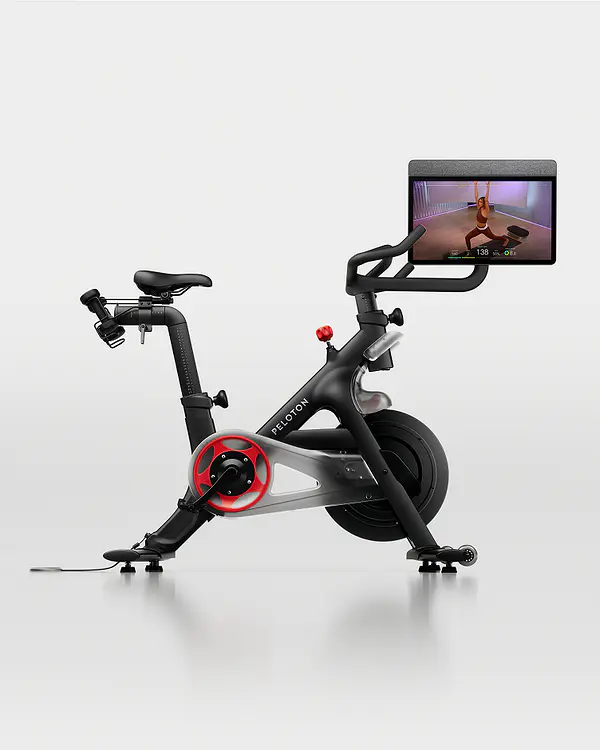
Peloton bikes have changed the way people think about home workouts. With their sleek design, live classes, and interactive features, these bikes are popular in homes and gyms worldwide. But one important question often comes up before buying: What is the Peloton bike weight limit? Understanding this detail isn’t just about safety—it can affect how well the bike works for you, how long it lasts, and whether it’s the right fit for your fitness journey.
Maybe you’re new to cycling, or you’ve been on your health journey for a while. You might want to know if the Peloton bike will support your body type. Or perhaps you’re considering this investment for your family, and you want to be sure it’s a safe option for everyone who might use it.
No matter your reason, you deserve clear, honest answers.
This article will break down everything you need to know about the weight limit of Peloton bikes. We’ll discuss what the manufacturer recommends, why these limits matter, how they compare to other bikes, and what happens if you ignore the guidelines.
You’ll also find real-world advice, useful tables, expert tips, and a detailed FAQ section to help you make an informed decision.
Let’s dive into the facts and details that matter most for anyone considering a Peloton bike.
What Is The Peloton Bike Weight Limit?
The Peloton Bike and Peloton Bike+ are built for many users, but both have a maximum user weight limit. According to Peloton’s official specifications, both models support up to 297 pounds (135 kg). This means if you weigh 297 pounds or less, the bike is considered safe and effective for use.
Why such a specific number? It comes from the testing Peloton does to meet international safety standards. The frame, pedals, and moving parts are all tested to make sure they work well for users up to that weight. If you weigh more than 297 pounds, using the bike can be risky—it could damage the bike or cause a safety problem.
Peloton Bike Vs. Peloton Bike+ Weight Limit
Both main Peloton models share the same 297-pound weight limit. Here’s a quick comparison:
| Model | Max User Weight | Height Range |
|---|---|---|
| Peloton Bike | 297 lbs (135 kg) | 4’11” to 6’5” |
| Peloton Bike+ | 297 lbs (135 kg) | 4’11” to 6’5” |
No matter which model you choose, the weight limit is the same. This makes your decision more about features, price, and screen size than about weight concerns.
Why Is The Weight Limit Important?
Some people wonder if the weight limit is just a suggestion. It’s not. The limit is there for your safety and the bike’s durability. Exceeding it can cause:
- Frame damage: The metal frame may bend or break.
- Pedal issues: The pedals could come loose or snap.
- Warranty problems: Damage from exceeding the limit may not be covered.
- User injury: The risk of falling or sudden bike failure increases.
Peloton and most fitness brands set these limits carefully after lab testing, so it’s not worth risking your safety or your investment.
How Does Peloton Compare To Other Exercise Bikes?
If you’re worried about the Peloton bike weight limit, you might wonder how it stacks up against other options. The truth: not all stationary bikes are the same. Some brands offer higher limits, while others stick close to Peloton’s numbers.
Here’s a look at popular stationary bikes and their max user weights:
| Bike Brand/Model | Max User Weight | Notes |
|---|---|---|
| Peloton Bike/Bike+ | 297 lbs (135 kg) | Standard, fits most users |
| NordicTrack Commercial S22i | 350 lbs (159 kg) | Higher than Peloton |
| Echelon Smart Connect EX5 | 300 lbs (136 kg) | Almost the same as Peloton |
| Schwinn IC4 | 330 lbs (150 kg) | Moderately higher |
| Sole SB900 | 300 lbs (136 kg) | Similar to Peloton |
| Keiser M3i | 350 lbs (159 kg) | Popular for heavier users |
| Sunny Health SF-B1805 | 300 lbs (136 kg) | Budget option |
As you can see, Peloton is close to the industry average. Some premium bikes offer more support for heavier riders, but most home bikes have limits between 297 and 350 pounds.
Why Don’t All Bikes Support Higher Weights?
It comes down to design and cost. Stronger frames and parts cost more. Heavier-duty bikes also need larger, sturdier shipping boxes and stronger home flooring. For most home users, the 297–350 pound range covers the majority of buyers. Commercial bikes in gyms often go higher, but they’re more expensive.
Non-obvious Insight: Weight Limit Vs. Build Quality
A bike with a higher weight limit isn’t always better for everyone. Some bikes with higher limits may be less comfortable or more difficult to adjust for smaller users. If you’re well below the limit, focus more on comfort, fit, and ride feel.
What Happens If You Exceed The Peloton Bike Weight Limit?
It might be tempting to use the bike even if you’re a few pounds over the weight limit. But what could really happen?
Safety Risks
- Sudden part failure: The frame or seat post could break without warning.
- Pedal or crank damage: These parts are under stress and can fail if overloaded.
- Unstable ride: The bike may rock or wobble, especially during standing rides.
Warranty And Insurance
Peloton’s warranty is void if you exceed the recommended weight. If a part breaks due to overloading, you could be left with a costly repair bill. Even home insurance may not cover accidents caused by ignoring manufacturer guidelines.
Long-term Durability
Consistently riding above the weight limit shortens the life of the bike. The wear on bearings, belts, and the frame increases. Even if nothing breaks right away, you may face early maintenance problems, squeaks, or loose parts.
Real-world Stories
Some online forums share stories of users who ignored the limit. Results are mixed—some had no problems for months, while others experienced sudden failures. The risk is unpredictable, and the consequences can be severe.
Peloton Bike For Heavier Users: What Are The Options?
If you weigh more than 297 pounds, you might feel left out. But you still have choices if you want a connected cycling experience.
Consider Heavier-duty Bikes
Look for brands that offer bikes with a 350-pound or higher limit. Some gym-quality models go up to 400–500 pounds. These bikes cost more but are built for safety and durability.
Alternative Approaches
- Start with other cardio: Treadmills, ellipticals, and rowing machines often support higher weights.
- Lose weight gradually: If you’re close to the limit, you might combine cycling with other exercise and diet changes until you’re within the safe range.
- Gym memberships: Many commercial gyms have heavy-duty bikes. Try these before investing in home equipment.
Upgrading Your Home Setup
Some users add special mats or reinforce floors for extra safety, but this does not increase the bike’s official weight limit. Modifications can also void your warranty.
Non-obvious Insight: Accessories And Weight
Even if your weight is below 297 pounds, remember that shoes, water bottles, and accessories count as part of your total on the bike. If you’re right at the limit, consider these small extras.

Height And Body Size: Does It Affect The Weight Limit?
Peloton’s specs aren’t just about weight. They also list a recommended height range of 4’11” to 6’5”. This is based on the seat, handlebar, and pedal positions.
- If you’re taller than 6’5”, you might not get a full leg extension, which can cause knee pain.
- If you’re shorter than 4’11”, even the lowest seat setting might be too high.
Body shape matters, too. If you have a long torso or legs, adjustability is key. Peloton’s design fits most people, but the bike is not highly customizable for extreme body types.
Special Cases
Some users with larger body sizes find the standard seat or handlebars uncomfortable. Wider aftermarket seats or padded shorts can help, but again, they don’t change the official limits.
Peloton Tread And Row: Are Their Weight Limits Different?
Peloton offers more than just bikes. If you’re interested in their Tread or Row machines, their limits are different:
- Peloton Tread: Max user weight is 300 lbs (136 kg)
- Peloton Row: Max user weight is 300 lbs (136 kg)
These are slightly higher than the bike, but not by much. If you’re close to these numbers, always double-check the latest specs on Peloton’s website.
How To Check If A Bike Is Right For Your Weight
Choosing the right indoor bike is about more than weight. Here are steps to make sure you’re picking safely:
- Check the official specs: Never trust just the marketing. Look for the manufacturer’s manual or website.
- Consider your total riding weight: Include shoes, clothing, and anything else you’ll have on.
- Test in person if possible: If you’re at or near the limit, try a bike in a showroom or gym.
- Ask about warranty coverage: Will it cover issues if you’re close to the max?
- Look for reviews from similar users: People with your body type can share real-world experiences.
Peloton Bike Weight: The Physical Machine
Sometimes, people ask about the weight of the Peloton bike itself—not the user. This matters for moving and setup.
- Peloton Bike: 135 lbs (61 kg)
- Peloton Bike+: 140 lbs (63.5 kg)
You’ll need two adults to move the bike safely. Make sure your floors can support the bike’s weight plus your own.
Setting Up Your Peloton Bike For Maximum Safety
Once you’re sure you’re within the weight limit, you’ll want the safest, most stable setup possible.
Floor Surface
Place your Peloton on a flat, hard surface. Carpets can cause wobbling. Use a heavy-duty exercise mat to protect floors and add grip.
Positioning
- Leave space around the bike: At least two feet on each side.
- Keep away from windows or sharp objects: For safety if you fall or the bike tips.
- Check for level: Adjust the feet so the bike doesn’t rock.
Assembly
Peloton offers a white-glove delivery and setup service. If you assemble it yourself, use all bolts and follow the manual closely. A loose part can be dangerous.
Regular Maintenance
Even within the weight limit, check these regularly:
- Pedals (tightness and wear)
- Seat and handlebars (secure and not loose)
- Frame (no cracks or bends)
If you notice anything unusual, stop riding and call Peloton support.
Common Myths About Peloton Bike Weight Limit
With so many online opinions, it’s easy to get confused. Let’s clear up some common myths:
Myth 1: You Can Ignore The Limit By Riding Gently
Some think that if you pedal slowly or don’t stand, the limit doesn’t matter. In reality, the frame and parts are always under stress. Even gentle riding can cause damage if you’re over the limit.
Myth 2: “the Limit Is Just A Suggestion”
The 297-pound limit is not a suggestion. It’s the maximum tested in the lab. Anything above is untested territory.
Myth 3: “heavier People Can Use The Bike With Stronger Pedals”
Upgrading pedals does not change the main frame’s strength. The weakest part still sets the limit.
Myth 4: “you Can Reinforce The Bike At Home”
Some try to add supports or weld parts. This can make the bike unsafe and voids all warranties. Only the manufacturer can set a new limit.
Myth 5: “all Stationary Bikes Are The Same”
As shown in our earlier table, weight limits vary. Always check each brand and model.
Practical Tips For Heavier Riders
If you’re close to the weight limit, these tips can help you get the most out of your Peloton experience:
Choose The Right Shoes
Peloton bikes use clip-in cycling shoes. Use only official or approved shoes, as off-brand models may not support higher weights and can slip.
Adjust Seat And Handlebars Correctly
A correct fit prevents injury. Set the seat so your knee is slightly bent at the bottom of the pedal stroke. Handlebar height should be comfortable for your back.
Monitor For Noises
Heavier riders may notice creaks or clicks sooner. These can be signs of loose parts—tighten them quickly.
Use A Support Mat
A thick mat adds stability, especially on tile or wood. It helps prevent the bike from shifting during intense rides.
Start Slowly
If you’re new to cycling, begin with shorter, lower-resistance rides. Build up time and intensity as your body adapts.
What If You’re Over The Weight Limit But Still Want A Peloton Experience?
The Peloton community is known for being supportive. If you’re above the bike’s weight limit, here’s what you can do:
- Join digital classes: You don’t need the bike to access Peloton’s classes. Use a heavier-duty bike and follow along with the app.
- Connect with others: Many forums and social media groups exist for larger riders. They share tips on equipment, modifications, and motivation.
- Focus on progress, not perfection: Many have started their journey above the limit, using other equipment until they reach a safe weight for the Peloton bike.
Peloton’s Official Statement On Weight Limit
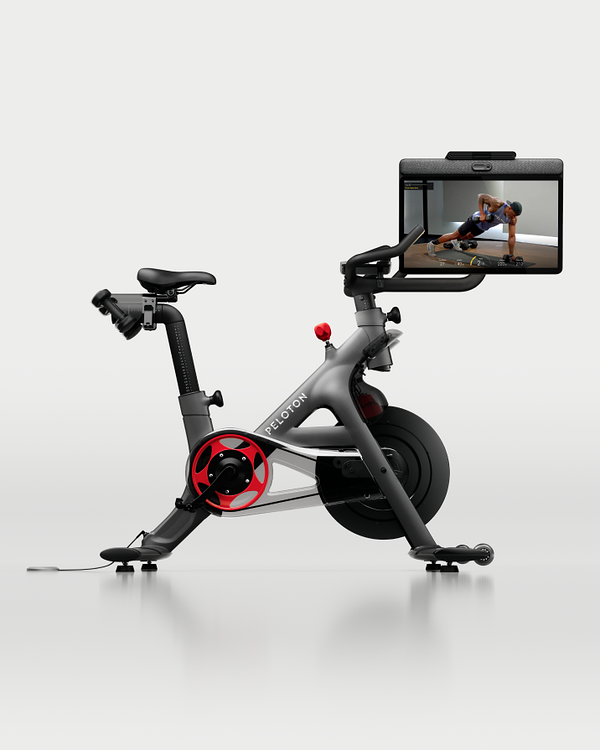
Peloton is clear about its 297-pound user weight limit. The company’s support site and user manual both state this number. Their policy is that exceeding it is not recommended, and doing so may void your warranty.
For the latest info, always check the official site:
peloton Support
How To Talk To Peloton Support About Weight Concerns
If you have questions about your specific situation, contact Peloton support directly. They can offer advice, confirm specs, and answer questions about warranty or replacement parts.
When reaching out:
- Be honest about your weight and needs.
- Ask if there are any new models or accessories planned.
- Request written confirmation about warranty coverage.
The Science Behind Exercise Equipment Weight Limits
Manufacturers set limits based on stress testing. They simulate years of use at maximum weight, including sudden movements and standing rides. Limits aren’t just about “sitting”—they consider all the forces of pedaling, sprinting, and moving on the bike.
Testing Standards
Peloton follows standards set by organizations like ASTM and ISO. These groups define safety tests for fitness equipment. Passing these tests is required for selling bikes in many countries.
Why The Limit Is Not Just About Frame Strength
- Pedals, cranks, and bolts are all tested.
- The seat tube and post are often the first to fail.
- Electronics and sensors must also work under load.
Upgrading Or Modifying Your Peloton For Higher Weight
Some people ask if they can swap out parts to increase the weight limit. In short—no. Peloton does not approve any changes that boost the bike’s official capacity. Even if you install a stronger seat post or pedals, the frame and other parts are unchanged.
Risks Of Modifying The Bike
- Voided warranty: You lose all support from Peloton.
- Unknown safety: Changes may make the bike unstable.
- Insurance issues: Home insurance may not cover injuries on a modified bike.
If you truly need a higher weight limit, buy a bike designed for it from the start.
The Bigger Picture: Weight Limits And Fitness
Some people feel discouraged by equipment limits, but it’s important to remember:
- Your fitness journey is personal.
- Most brands are working to be more inclusive.
- There are always safe options, even if they cost more or require starting at a gym.
The Peloton community celebrates all riders, and many have used other equipment or methods before transitioning to the bike.
Frequently Asked Questions
What Is The Weight Limit For The Peloton Bike And Bike+?
Both the Peloton Bike and Bike+ support a maximum user weight of 297 pounds (135 kg). This includes the rider and any accessories they’re wearing or carrying. Exceeding this limit is not recommended and could void your warranty.
Can I Use A Peloton Bike If I’m Slightly Over The Weight Limit?
It’s not safe to use the bike if you’re over the 297-pound limit. The risk of part failure and injury increases, and any damage may not be covered by warranty. Consider using a bike with a higher weight rating or alternative cardio equipment until you’re within the safe range.
How Does The Peloton Bike Weight Limit Compare To Other Brands?
Peloton’s 297-pound limit is typical for home exercise bikes. Some brands, like NordicTrack or Keiser, offer models with limits up to 350 pounds or more. Always check each brand’s specs to find the best fit for your needs.
Does The Weight Limit Include Accessories And Shoes?
Yes, the weight limit covers your total weight on the bike, including shoes, clothing, water bottles, and any accessories. If you’re close to the limit, factor in these extras before riding.
Can I Increase The Peloton Bike’s Weight Limit With Upgrades Or Modifications?
No. Modifying the bike—such as changing pedals, seats, or frame parts—does not raise the official weight limit. It may also void your warranty and create safety risks. Always use the bike as intended by the manufacturer.
Peloton bikes are a fantastic way to get fit at home, but it’s crucial to respect their design limits for your safety and long-term enjoyment. If you have more questions or unique needs, contact Peloton support or visit their official website for up-to-date information.
Remember, your fitness journey is about progress, not perfection, and the right equipment can help keep you motivated and safe.