
Peloton Bike Vs Peloton Bike Plus: Choosing the Best for Your Home Fitness
The rise of indoor cycling has changed how people exercise at home. Peloton is a leader in this trend, famous for its high-quality bikes and engaging classes. But when it comes to buying, many people feel confused between the Peloton Bike and the Peloton Bike Plus. Both look similar from outside, but there are important differences under the hood.
If you want a Peloton bike, you probably ask: Which model is right for me? Is the Bike Plus worth the extra money? What features matter most for daily use? This article will help you understand every detail, compare the models side by side, and guide you to the best choice for your needs. We’ll use simple English, clear tables, and practical examples so you can decide with confidence.
Peloton Bike And Bike Plus: Quick Overview
The original Peloton Bike launched in 2014 and quickly became popular for its mix of live classes and smooth ride. The Peloton Bike Plus arrived in 2020, offering new features and improvements aimed at serious riders and tech lovers.
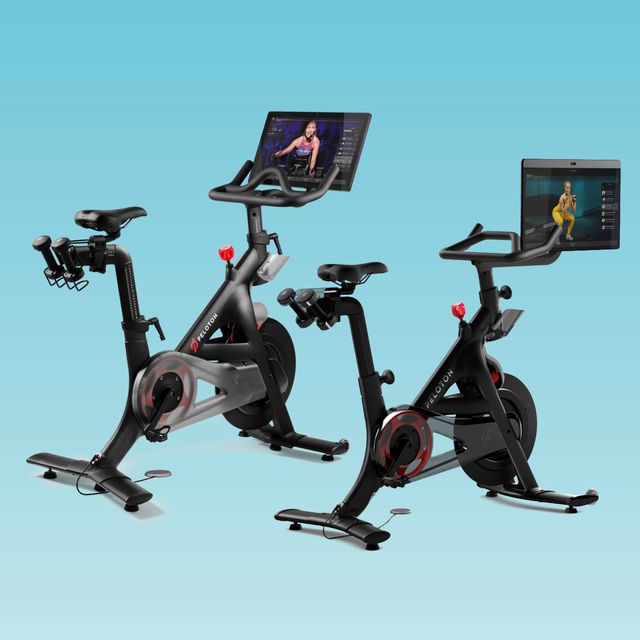
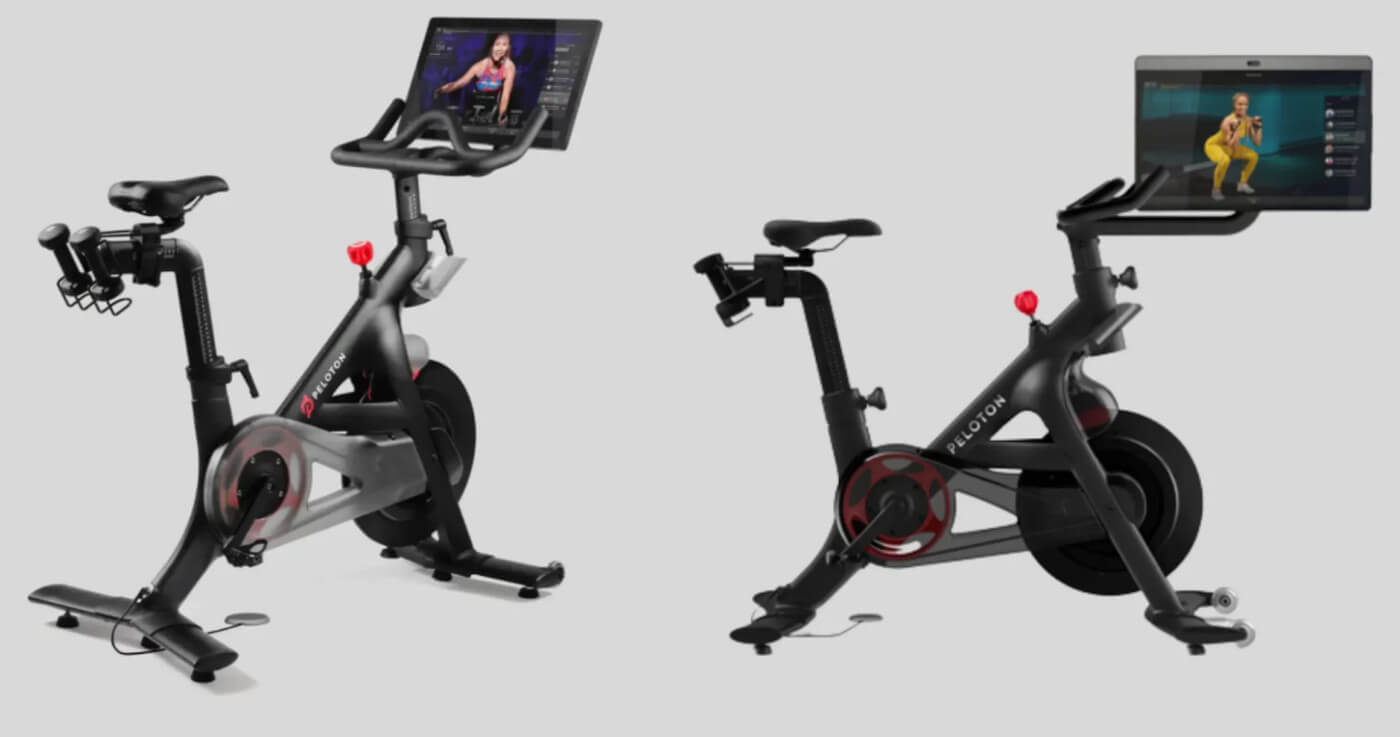
Both bikes let you stream thousands of cycling classes, track your progress, and join a community. However, the Bike Plus adds several advanced features, like a rotating screen, auto-follow resistance, and improved sound.
Let’s look at their basic specs side by side:
| Feature | Peloton Bike | Peloton Bike Plus |
|---|---|---|
| Launch Year | 2014 | 2020 |
| Screen Size | 21.5″ fixed HD touchscreen | 23.8″ rotating HD touchscreen |
| Resistance | Manual knob | Auto-follow + manual |
| Audio | 2-channel stereo speakers | 4-channel front-facing speakers + subwoofer |
| Price (2024) | $1,445 | $2,495 |
| Dimensions | 4′ x 2′ | 4′ x 2′ |
| Weight | 135 lbs | 140 lbs |
| Warranty | 1 year | 1 year |
Design And Build Quality
Both bikes use strong steel frames, designed for daily use. The Peloton Bike Plus feels slightly more premium, with better cable management and upgraded materials on the handlebars and seat. Its larger screen also adds to the modern look.
Most users say both bikes are stable, even during intense workouts. The pedals use Delta-compatible cleats, so you need special cycling shoes (not regular sneakers). The seat and handlebars adjust to fit riders from about 4’11” to 6’5”.
While the Bike Plus weighs a bit more, both models are easy to move using built-in wheels. If you live in a small apartment, the footprint is almost the same. The main visual difference is the screen—Bike Plus has a bigger, more flexible display.
Screen And Display Features
For many buyers, the screen is a major factor. The Peloton Bike’s 21.5-inch screen is crisp and bright, but fixed in place. You can only adjust the angle up and down. This works fine for cycling, but limits other workouts.
The Bike Plus improves on this with a 23.8-inch screen that rotates 360 degrees. This is perfect for Peloton’s off-bike classes—like yoga, strength, or stretching. You can turn the screen to face your mat or floor space, making the experience much smoother.
Another key difference: Bike Plus has anti-reflective coating, meaning less glare in bright rooms. Both screens use HD resolution, so video quality is sharp. However, the larger display and rotation make Bike Plus more versatile for family use or cross-training.
Audio And Sound Quality
Sound matters more than many people realize. Peloton classes are motivating, but only if you can hear the music and instructor clearly. The original Bike uses 2-channel stereo speakers facing downward. Audio is decent, but can feel weak in noisy rooms.
Bike Plus upgrades to 4-channel front-facing speakers and adds a subwoofer for deeper bass. This makes music and voices clearer, especially during high-energy classes. If you enjoy loud workouts or share the bike with others, the improved sound adds a lot.
Both bikes have headphone jacks and Bluetooth support for wireless headphones. But if you want a true studio feel, Bike Plus delivers a richer audio experience.
Resistance And Riding Experience
Resistance is how you make workouts harder or easier. The Peloton Bike uses a manual resistance knob—you turn it to adjust effort, watching the screen for recommended levels.
Bike Plus adds a unique auto-follow feature. This lets the bike adjust resistance automatically during classes, following instructor cues. It’s useful for interval training, or when you want to focus on form instead of turning the knob.
Here’s a quick comparison:
| Resistance Feature | Peloton Bike | Peloton Bike Plus |
|---|---|---|
| Manual knob | ✔️ | ✔️ |
| Auto-follow | ❌ | ✔️ |
| Resistance Range | 0–100 | 0–100 |
| Accuracy | Good | Very Good |
Most beginners use manual mode. But as you get stronger, auto-follow helps you stay in sync with class intensity. This is one of the most loved features among advanced riders.
Connectivity And Technology
Both bikes connect to Wi-Fi and Bluetooth, but Bike Plus adds extra features:
- Apple GymKit integration: Bike Plus lets you pair with Apple Watch to track heart rate and calories directly. The original Bike does not support GymKit.
- USB-C charging: Bike Plus includes a USB-C port for charging devices. The original Bike uses standard USB.
- Faster processor: Bike Plus runs smoother, loads classes faster, and handles updates with less lag.
These features matter if you use smart devices or care about fitness tracking. For some users, Apple Watch integration is a big reason to choose Bike Plus.
Class Experience And Content
Both bikes offer the same Peloton membership. You get access to live and on-demand classes, leaderboards, and community features. The variety includes cycling, strength, yoga, cardio, meditation, and more.
Peloton’s instructors are famous for their energy and coaching. You can filter classes by length, difficulty, music style, or instructor. Both bikes support heart rate monitors, and display your stats during workouts.
However, the rotating screen on Bike Plus makes it easier to follow off-bike classes. If you enjoy strength training or want to use Peloton’s full library, Bike Plus is more flexible.
Price And Value For Money
Cost is a major factor for most buyers. In 2024, the original Peloton Bike costs $1,445, while the Bike Plus is $2,495—over $1,000 more. Both require a $44/month membership to access classes.
Is Bike Plus worth the extra money? It depends on your needs:
- If you only want cycling and don’t care about advanced features, the original Bike is a better deal.
- If you want premium sound, auto-follow resistance, and a rotating screen, Bike Plus offers more value for families or serious athletes.
Don’t forget to budget for shoes, mat, and accessories. Peloton often offers package deals, but the price gap remains significant.
Installation, Setup, And Maintenance
Peloton offers white-glove delivery for both models, meaning they set up the bike in your home. Setup usually takes 30–45 minutes. You need a strong Wi-Fi signal and space around the bike for safety.
Maintenance is simple: wipe down the frame and screen after workouts, check bolts monthly, and lubricate pedals if needed. Both bikes are reliable, but Bike Plus has slightly better cable management, making cleaning easier.
If you move often, both bikes are portable but not lightweight. Plan ahead for stairs or tight spaces.
User Experience: Real Feedback And Reviews
Thousands of reviews show both bikes are well-loved, but opinions differ on value. Some users say the original Bike is “perfect for solo riders” and “great for basic workouts. ” Others mention that Bike Plus “feels more modern,” “makes off-bike classes easier,” and “auto-follow saves energy during intervals.
”
A few common insights:
- Rotating screen is a game-changer for families or multi-sport users.
- Auto-follow resistance is especially useful for HIIT and advanced classes.
- Sound quality is much better on Bike Plus, especially in shared spaces.
- Original Bike is a good value, but feels less flexible for full-body workouts.
One non-obvious tip: If you plan to use Peloton’s strength or yoga classes often, Bike Plus is worth the investment. But for pure cycling, the original Bike delivers everything most riders need.
Accessories And Upgrades
Both bikes can be customized with accessories. Peloton sells cycling shoes, heart rate monitors, bike mats, and more. You can also buy third-party seat cushions or handlebar covers for extra comfort.
Bike Plus comes with improved speakers and a USB-C port, but both models support Bluetooth headphones and wireless heart rate straps. If you want to add weights for strength classes, Bike Plus’s rotating screen makes it easier to follow along.
A less obvious point: Not all accessories fit both bikes. For example, the screen mount on Bike Plus is unique, so check compatibility before buying add-ons.
Warranty, Support, And After-sales Service
Peloton offers a 1-year warranty for both bikes, covering parts and labor. Extended warranties are available at extra cost. Customer support is known for fast response, but some users report delays during peak times.
If you buy used, warranty may not transfer. Peloton’s support site has guides for troubleshooting, but repairs for electronics usually require professional help.
Bike Plus’s improved hardware makes it slightly easier to upgrade or fix. For example, the speakers and screen are modular, while the original Bike uses older parts.
Comparing Peloton Bike Vs Bike Plus: What Matters Most?
Choosing between the two models is not just about specs. It’s about how you plan to use the bike, your budget, and your fitness goals.
Here’s a summary of the most important differences:
| Key Feature | Peloton Bike | Peloton Bike Plus |
|---|---|---|
| Screen rotation | No | Yes |
| Auto-follow resistance | No | Yes |
| Sound quality | Good | Excellent |
| Apple GymKit | No | Yes |
| Price | $1,445 | $2,495 |
| Best for | Solo cyclists, budget buyers | Families, tech lovers, cross-training |
Who Should Choose The Peloton Bike?
The original Peloton Bike is ideal for:
- Cycling-focused users who want basic features.
- Budget-conscious buyers who want to save money.
- Small spaces where rotating screen is not needed.
- People who don’t use Apple Watch or need advanced tech.
It’s reliable, easy to use, and offers all cycling classes. Many solo riders say it’s “all you need” for indoor workouts.
Who Should Choose The Peloton Bike Plus?
Bike Plus is best for:
- Families or multiple users who want flexibility.
- People who do strength, yoga, or stretching classes often.
- Tech fans who value auto-follow, Apple Watch integration, and premium sound.
- Anyone who wants the “studio feel” and future-proof features.
If you share the bike or want a full-body workout experience, Bike Plus is a smart investment. The rotating screen and auto-follow resistance are especially helpful for busy homes.
Hidden Insights: What Beginners Often Miss
Many first-time buyers focus only on price or screen size. But two important points are often overlooked:
- Auto-follow resistance saves mental energy. In interval classes, you don’t have to watch the screen and adjust the knob constantly. This keeps you focused on form, not the controls.
- Rotating screen improves group workouts. If you and a partner do yoga or strength together, the screen’s flexibility makes sharing smoother. It also lets you use the bike as a hub for family fitness.
Another less obvious tip: Both bikes need a strong Wi-Fi signal. Weak internet can cause classes to lag or drop, so plan your setup carefully.

Real-world Examples: How Different Users Benefit
Let’s look at three scenarios:
- Solo cyclist in a small apartment: The original Peloton Bike fits perfectly. You get all cycling classes, save money, and don’t need the extra features.
- Family with kids and parents: Bike Plus is more flexible. Kids can do stretching, parents can use yoga, and everyone benefits from the rotating screen and better sound.
- Tech-savvy athlete: Bike Plus integrates with Apple Watch and auto-adjusts resistance. It’s ideal for tracking progress and syncing with other devices.
These examples show that the best choice depends on your daily routine and fitness goals.
Comparing Peloton Bike Vs Bike Plus: Common Buyer Mistakes
When shopping for a Peloton bike, many buyers make these mistakes:
- Ignoring the monthly membership cost: Both bikes need a $44/month subscription to access classes. This adds up over time.
- Buying based on screen size only: Bigger screen is nice, but rotation and sound matter more for cross-training.
- Not checking space requirements: Both bikes need about 4’ x 2’ floor space, plus room to move around.
- Assuming all accessories fit: Some parts are unique to Bike Plus, so check compatibility before buying.
- Skipping research on resale value: Bike Plus holds value better, but original Bike is easier to sell due to lower price.
A smart buyer looks beyond specs, considers their real needs, and checks all costs before deciding.
Peloton Bike Vs Bike Plus: Final Decision Guide
To help you choose, ask yourself these questions:
- Do I want to use off-bike classes (strength, yoga, stretching)?
- Is Apple Watch integration important to me?
- Will I share the bike with family or friends?
- Do I care about premium sound and auto-follow resistance?
- What is my total budget, including membership and accessories?
If your answers lean toward flexibility, tech features, and group use, Bike Plus is better. If you only want cycling and value savings, the original Bike is enough.
Remember, Peloton bikes are a long-term investment. Both models offer strong build quality, engaging classes, and community support. Choosing the right model makes your home fitness routine easier and more enjoyable.
Frequently Asked Questions
What Is The Main Difference Between Peloton Bike And Bike Plus?
The main difference is feature set. Bike Plus has a rotating screen, auto-follow resistance, improved sound quality, and Apple Watch integration. The original Bike is more basic but still offers the full cycling experience.
Can I Use Regular Shoes With Peloton Bikes?
No, both bikes use Delta-compatible cleats. You need special cycling shoes that clip into the pedals. Peloton sells shoes, or you can use third-party brands.
Is The Peloton Bike Plus Worth The Extra Money?
If you want to use off-bike classes, share with family, or value tech features like auto-follow and Apple Watch sync, Bike Plus is worth it. If you only care about cycling, the original Bike is a better value.
How Much Space Do I Need For A Peloton Bike?
Both bikes need about 4 feet x 2 feet of floor space. You also need room to move around for safety and off-bike workouts, especially with Bike Plus’s rotating screen.
Where Can I Find More Detailed Specs And Reviews?
You can find official details and user reviews on the Peloton website. For in-depth comparisons, check trusted sources like CNET.
Making Your Peloton Choice
Investing in a Peloton bike is a big step toward better home fitness. Both the Peloton Bike and Bike Plus offer high quality, strong community, and engaging classes. Your choice depends on your goals, budget, and how you plan to use the bike.
Take your time, compare features, and think about your daily routine. Whether you choose the original Bike or the Bike Plus, you’ll join millions of riders enjoying the benefits of Peloton’s platform. The most important thing is to pick the model that fits your life—and keeps you motivated for years to come.

