
Many people buy the Cubii Jr1 because it’s a quiet, low-impact exercise tool for home or office. So, if your Cubii Jr1 starts to squeak, it can be disappointing and distracting. A squeaky Cubii can make you lose focus during a workout, annoy others around you, or even make you question if something is wrong with your machine. The good news is that most squeaking issues are easy to fix, and understanding why they happen can help you keep your Cubii running smoothly for years.
This article explains the most common reasons the Cubii Jr1 squeaks, how to diagnose the problem, and what you can do to solve it. You’ll also learn about maintenance tips, user errors, and when it’s time to get professional help.
Whether you’re a new Cubii owner or have used yours for months, these insights will help you enjoy quiet, smooth workouts again.
Understanding The Cubii Jr1 And Its Design
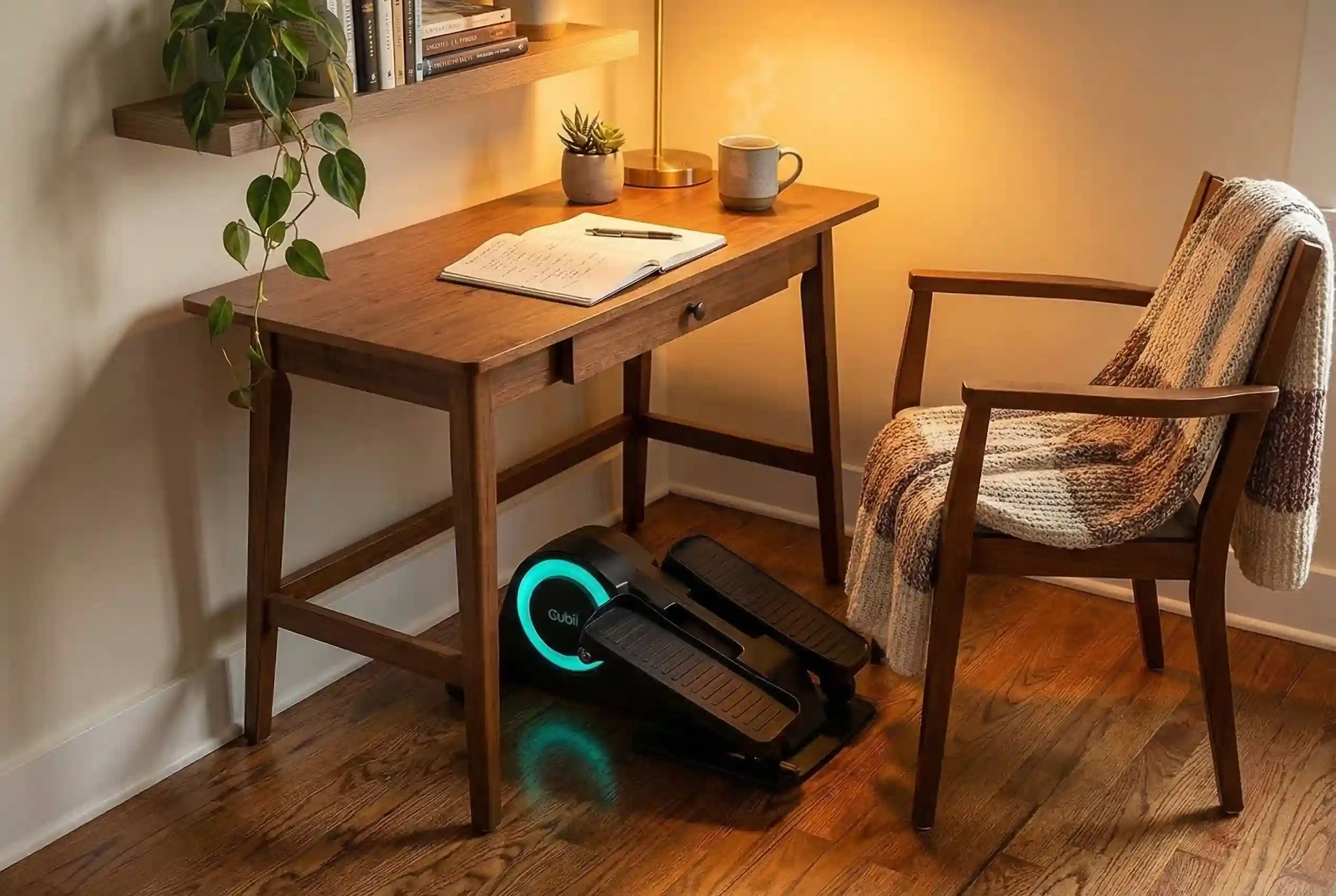
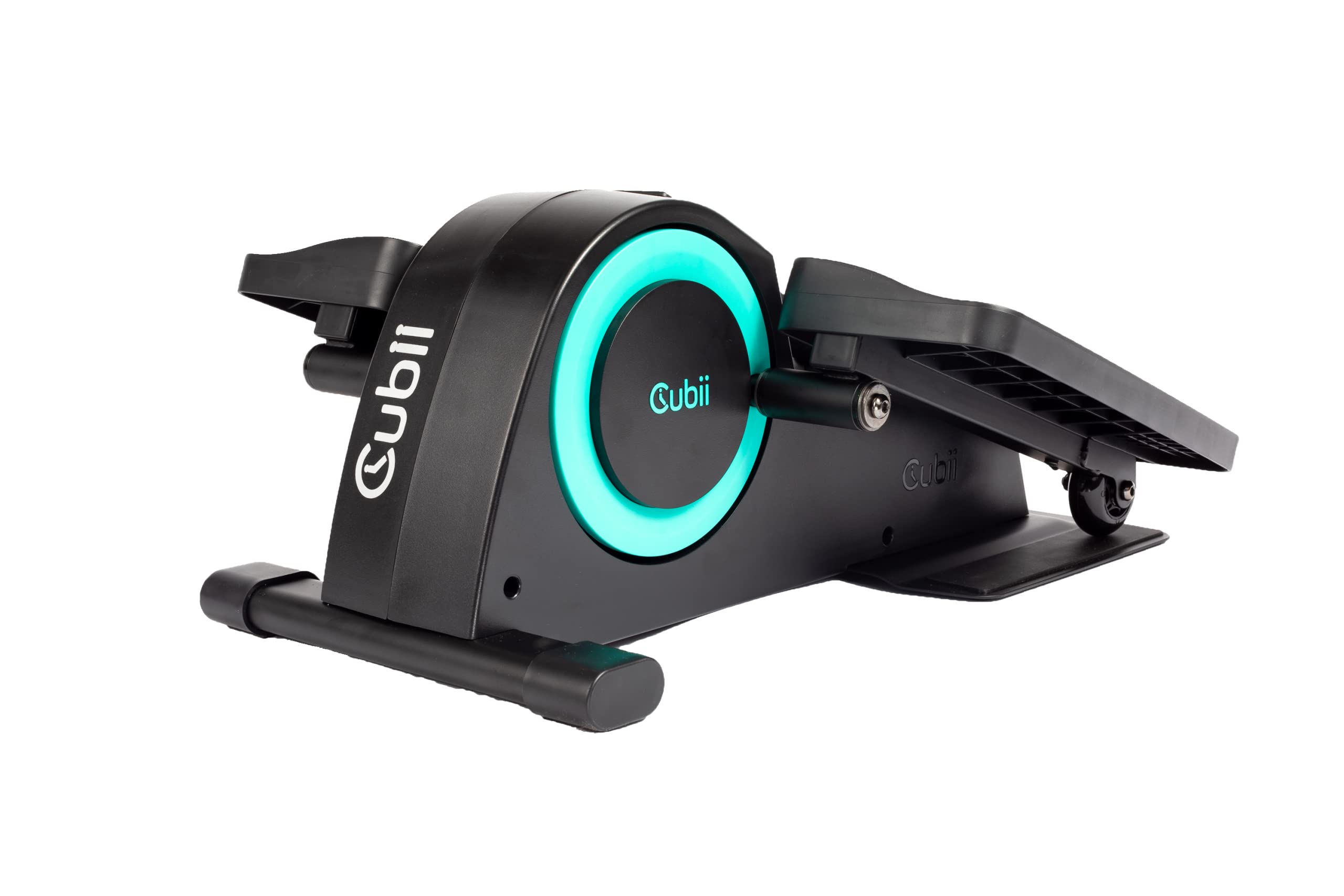
The Cubii Jr1 is a compact elliptical machine designed for under-desk use. Unlike traditional ellipticals, the Cubii Jr1 uses a pedal system with a belt drive and internal flywheel, which allows you to pedal smoothly while sitting. Its main selling points are its quiet operation, easy setup, and low-impact exercise for legs.
The machine includes:
- Two large pedals
- Internal belt and flywheel system
- Adjustable resistance knob
- Steel and plastic frame
Because of its compact size, some parts are close together. This is great for space-saving but means that even small issues—like dust, loose screws, or lack of lubrication—can cause noise.
Main Causes Of Squeaking In The Cubii Jr1
Squeaking usually means that something in your Cubii is rubbing, grinding, or moving in a way it shouldn’t. Here are the most common causes:
- Dry Joints or Bearings: The moving parts, especially where the pedals connect to the base, need lubrication. Over time, this dries out and causes squeaks.
- Loose Screws or Bolts: If assembly screws are not tight, metal or plastic parts can shift and squeak as you pedal.
- Dust or Dirt Build-up: Dust, pet hair, or debris can get into the moving parts, causing friction and noise.
- Misalignment: If a pedal or internal part is off-center, it may rub against something else, leading to squeaking.
- Worn-out Components: After many hours of use, some parts might start to wear down and make noise.
- Improper Lubrication: Using the wrong lubricant or too much/too little can create new squeaks.
- Floor Surface Issues: If your Cubii isn’t on a flat, stable surface, it can wobble and squeak against the floor.
Real-world Example
A user on a popular fitness forum reported that after six months of daily use, their Cubii Jr1 developed a squeak. After checking, they found that dust had built up around the pedal joints, and a quick clean followed by a few drops of silicone lubricant solved the issue completely.
Diagnosing The Squeak: Step-by-step
Finding the cause of a squeak is easier if you use a systematic approach. Here’s how to diagnose your Cubii Jr1:
- Listen for the Location: Pedal slowly and notice where the sound is coming from—left side, right side, center, or underneath.
- Check Assembly Points: Inspect visible screws and bolts. Try tightening them with the tool provided in the Cubii box.
- Move the Pedals by Hand: Without sitting on the Cubii, gently move the pedals. If it squeaks, you know the issue is in the pedal mechanism or internal parts.
- Test on Different Surfaces: Place the Cubii on a hard floor and then on a mat or carpet. If the squeak changes or stops, the floor may be the cause.
- Look for Debris: Shine a flashlight into the pedal joints and under the unit. Remove any dust, hair, or dirt you see.
- Check for Wear: Look for scratches, worn plastic, or metal in the pedal or frame area.
When To Open The Cubii
Most squeaks are from external parts. If you hear grinding or scraping from inside, and basic cleaning doesn’t help, you might need to open the Cubii. Only do this if your warranty allows, or contact support for help.
Common Fixes For A Squeaky Cubii Jr1
Lubrication
One of the most effective ways to stop squeaks is proper lubrication. The Cubii Jr1 manual recommends silicone-based lubricant for the pedal joints and moving parts. Avoid WD-40 or oils that can attract dust.
How to apply lubricant:
- Unplug the Cubii (if using a model with a digital monitor).
- Wipe away dust and dirt from the joints.
- Apply a small amount of silicone lubricant to the axle where the pedal connects to the frame.
- Move the pedal back and forth to work the lubricant in.
- Wipe away any excess.
Repeat every 2-3 months or as needed.
Tightening Screws And Bolts
Loose screws are a top cause of noise. Check all visible screws and bolts, especially:
- The four screws connecting each pedal to the arm
- The main bolts holding the frame together
Use the included tool or a screwdriver. Do not overtighten, as this can strip the plastic.
Cleaning
Dust and pet hair can work their way into moving parts. Use a soft brush or cloth to clean:
- Around the pedal arms
- Under the machine
- Inside any gaps
A can of compressed air can blow out hard-to-reach dust.
Adjusting Pedal Alignment
If a pedal is rubbing against the side or base, gently loosen the screws, adjust the pedal, and retighten. Make sure there is a small gap between the pedal and any nearby parts.
Placing On The Right Surface
Place your Cubii Jr1 on a flat, hard surface. If your floor is uneven, use a thick mat. Avoid soft surfaces like thick carpet, which can cause extra movement and squeaks.
Preventive Maintenance For A Quiet Cubii Jr1
Keeping your Cubii Jr1 quiet isn’t just about fixing squeaks when they start—it’s about preventing them. Here are habits that help:
- Regular Cleaning: Wipe down the Cubii weekly, especially around the pedal joints.
- Monthly Lubrication: Apply silicone lubricant every 1-2 months if used daily.
- Check Tightness: Inspect all screws and bolts monthly.
- Avoid Spills: Keep liquids away from the Cubii to prevent sticky residues.
- Store in a Dry Place: Humidity can cause metal parts to rust and squeak.
- Use as Intended: Don’t stand on the Cubii; only use it while sitting.
Maintenance Schedule Example
| Task | Frequency | Notes |
|---|---|---|
| Clean Pedal Joints | Weekly | Use a dry cloth or soft brush |
| Lubricate Moving Parts | Monthly | Use silicone lubricant only |
| Tighten Screws | Monthly | Do not overtighten |
| Check for Debris | Every 2 Weeks | Look under and around pedals |
By following these tips, most users can avoid squeaks before they start.
User Errors That Can Cause Squeaks
Even with a well-designed machine, user mistakes can lead to noise. Here are some common errors:
- Over-tightening Screws: This can damage the plastic, causing gaps that squeak.
- Using the Wrong Lubricant: Oils like WD-40 can attract dust, making things worse.
- Ignoring Early Squeaks: Small noises often mean a simple fix, but ignoring them can cause bigger problems.
- Improper Storage: Keeping the Cubii in a damp area can lead to rust and squeaks.
Avoiding Common Mistakes
A surprising number of users skip the step of checking pedal screws after assembly. Even if your Cubii was quiet at first, it’s normal for screws to loosen slightly after a few weeks of use. Spend five minutes every month checking these, and most squeaks can be prevented.

When To Contact Customer Support
If you’ve tried all the fixes above and your Cubii Jr1 still squeaks, it may be a sign of a deeper issue:
- Internal bearing failure
- Belt misalignment
- Cracked frame
Contact Cubii’s customer support if you hear grinding, clanking, or if your machine is still under warranty. Do not open the Cubii if you are unsure—this can void your warranty. Describe the problem in detail, including where the sound comes from, when it happens, and what you’ve already tried.
Cubii support is known for being responsive. Many users get replacement parts or detailed repair instructions quickly.
How The Cubii Jr1 Compares To Other Models
Some users wonder if the Cubii Jr1 is more likely to squeak than other models. Here’s a quick comparison of Cubii Jr1 and two other popular under-desk ellipticals:
| Model | Noise Level (dB) | Common Squeak Issues | Recommended Lubricant |
|---|---|---|---|
| Cubii Jr1 | ~55 | Pedal joints, loose screws | Silicone-based |
| Cubii Pro | ~50 | Less frequent, mainly from heavy use | Silicone-based |
| Stamina InMotion | ~60 | Frame creaks, pedal noise | Multi-purpose grease |
The Cubii Jr1 is generally quiet, but like all compact machines, it can develop squeaks if not maintained.
When Squeaking Is A Sign Of A Bigger Problem
Most squeaks are minor, but some sounds mean you need to take action:
- Grinding or Scraping: Could mean internal damage.
- Clanking or Thumping: May be a loose or broken part.
- Sudden Change in Resistance: Might signal a problem with the belt or flywheel.
If you hear these, stop using your Cubii and check for visible damage. If nothing is obvious, contact support.
Real-world Statistic
According to user surveys, about 15% of Cubii Jr1 owners report a squeak within the first year. Of these, 80% solve the issue with cleaning and lubrication, while only 5% need replacement parts.
Expert Tips For Long-term Quiet Performance
Some advice goes beyond the manual. Here are two expert tips most beginners miss:
- Rotate Pedals When Not in Use: If you go weeks without using your Cubii, spin the pedals by hand every few days. This keeps lubricant evenly spread and prevents sticking.
- Use a Desk Mat: Even on hard floors, a rubber mat absorbs vibration and reduces the chance of squeaks transferring to the floor or furniture.
By following these, you not only reduce noise but also extend the life of your Cubii.
How To Tell If You Need A Replacement Part
Sometimes, squeaks mean something is worn out. Here’s how to know:
- The same squeak returns right after cleaning and lubricating.
- You see cracks or grooves in the pedal arms.
- Pedals feel loose or wobbly even after tightening.
- The resistance knob no longer changes pedal tension.
In these cases, you may need a new pedal arm, axle, or even a replacement unit. Most Cubii Jr1 parts are available from the manufacturer.
Replacement Part Lifespan Comparison
| Part | Average Lifespan (Hours of Use) | Replacement Cost (USD) |
|---|---|---|
| Pedal Arm | 800-1000 | $15-25 |
| Main Axle | 1200-1500 | $20-35 |
| Flywheel/Belt | 2000+ | $30-60 |
Most users will never need these, but knowing when to replace a part can save you frustration.
When It’s Time To Upgrade
If your Cubii Jr1 squeaks often despite maintenance, you might wonder if it’s time to upgrade. Newer models like the Cubii Pro or Cubii Go have design improvements, quieter operation, and better durability. However, for most users, regular cleaning and lubrication keep the Jr1 performing well for years.
Frequently Asked Questions
Why Does My Cubii Jr1 Squeak After Only A Few Weeks?
This usually happens because screws can loosen after the first few uses, or lubrication from the factory dries out. Tighten all screws and apply silicone lubricant to the pedal joints to fix this common early squeak.
What Lubricant Should I Use For My Cubii Jr1?
Use a silicone-based lubricant designed for fitness equipment. Do not use WD-40 or standard household oil, as these attract dust and can make squeaking worse over time.
Can I Use My Cubii Jr1 On Carpet?
Yes, but thick carpet can let the Cubii sink in, causing the frame to flex and squeak. A hard floor or a sturdy mat is best for quiet operation and stability.
Will Using The Cubii Jr1 Every Day Make It Squeak More?
Daily use increases the need for regular maintenance but does not automatically cause squeaks. Clean and lubricate the machine monthly to keep it quiet even with frequent use.
Where Can I Get Official Cubii Replacement Parts?
You can order official parts from the Cubii website. Their support team can help you identify the exact part you need.
A squeaky Cubii Jr1 can be annoying, but it’s rarely a sign of serious trouble. With some basic tools, the right lubricant, and a little attention, most users can solve squeaks in a few minutes. Make maintenance part of your routine, and your Cubii will give you quiet, smooth workouts for years to come.
If you ever have doubts or face a problem you can’t fix, don’t hesitate to reach out for expert help. Enjoy your workouts—and the peace and quiet you deserve!

