
Few fitness products have captured as much attention as the Peloton Bike. It promises not only a workout, but an entire experience—live classes, community, and high-tech features right in your living room. But with a price tag that rivals traditional gym memberships and other home bikes, many people ask: *Is Peloton Bike worth it?* If you’re considering this purchase, you need a clear, honest answer. Let’s break down every angle so you can make a confident decision.
What Makes Peloton Bike Different?
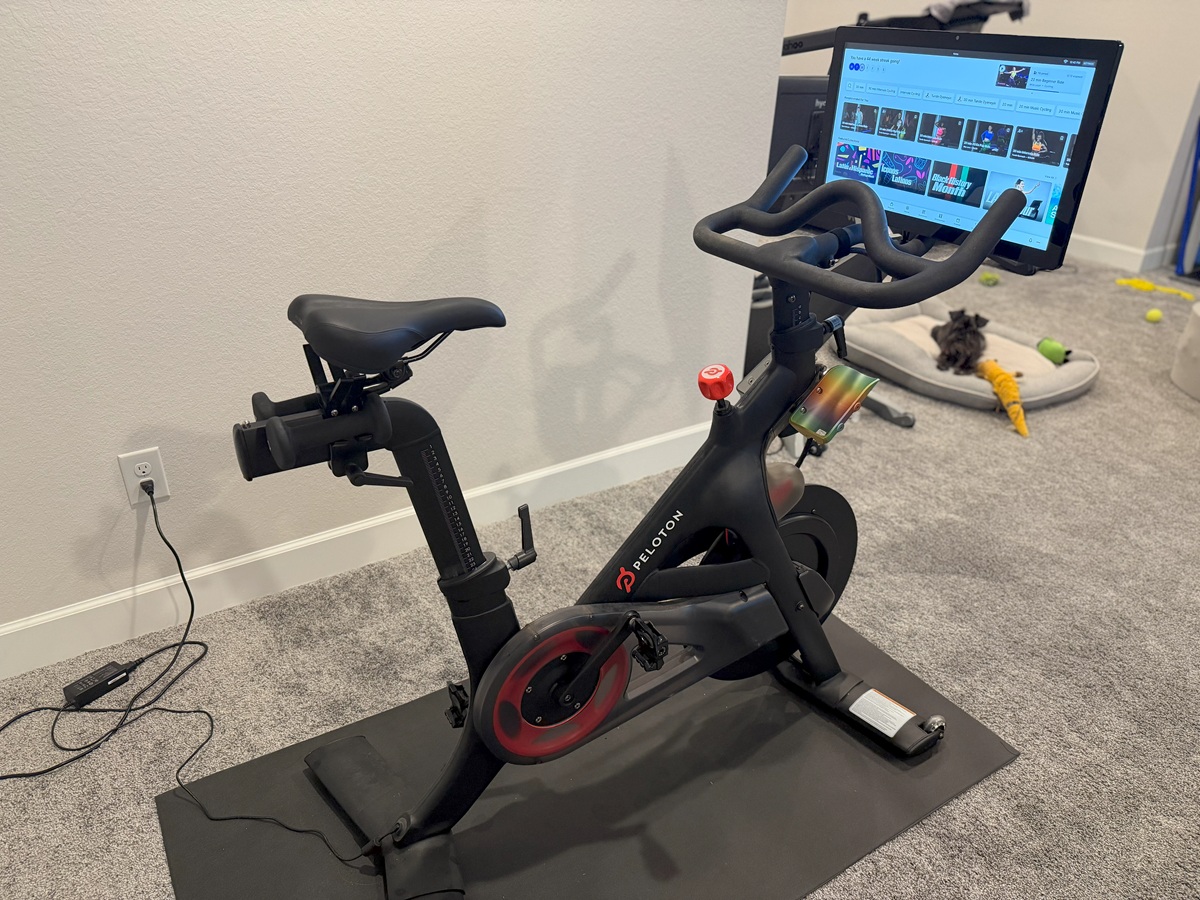
Peloton isn’t just a stationary bike. It’s a combination of hardware and software designed to transform how you exercise at home. The bike itself is solid and stylish, with a 21.5-inch HD touchscreen and smooth magnetic resistance. But the real magic comes from the Peloton app and the live and on-demand classes.
When you ride, you’re not just pedaling alone. You join thousands of others, seeing your position on the leaderboard, and getting encouragement from world-class instructors. This sense of connection is what sets Peloton apart from cheaper bikes.
Peloton also updates its platform regularly, adding new features, classes, and challenges. There are themed rides, music-focused sessions, and even scenic rides for days you want a change of pace. The brand’s focus on community and motivation is unmatched in the home fitness space.
Peloton Bike Cost: What You Really Pay
Buying a Peloton Bike is a big investment. Let’s look at the numbers:
- Peloton Bike: $1,445 (as of mid-2024)
- Peloton Bike+: $2,495 (adds auto-follow resistance, rotating screen, improved audio)
- Monthly Membership: $44 (for access to all classes and features)
- Delivery & Setup: Included in purchase price
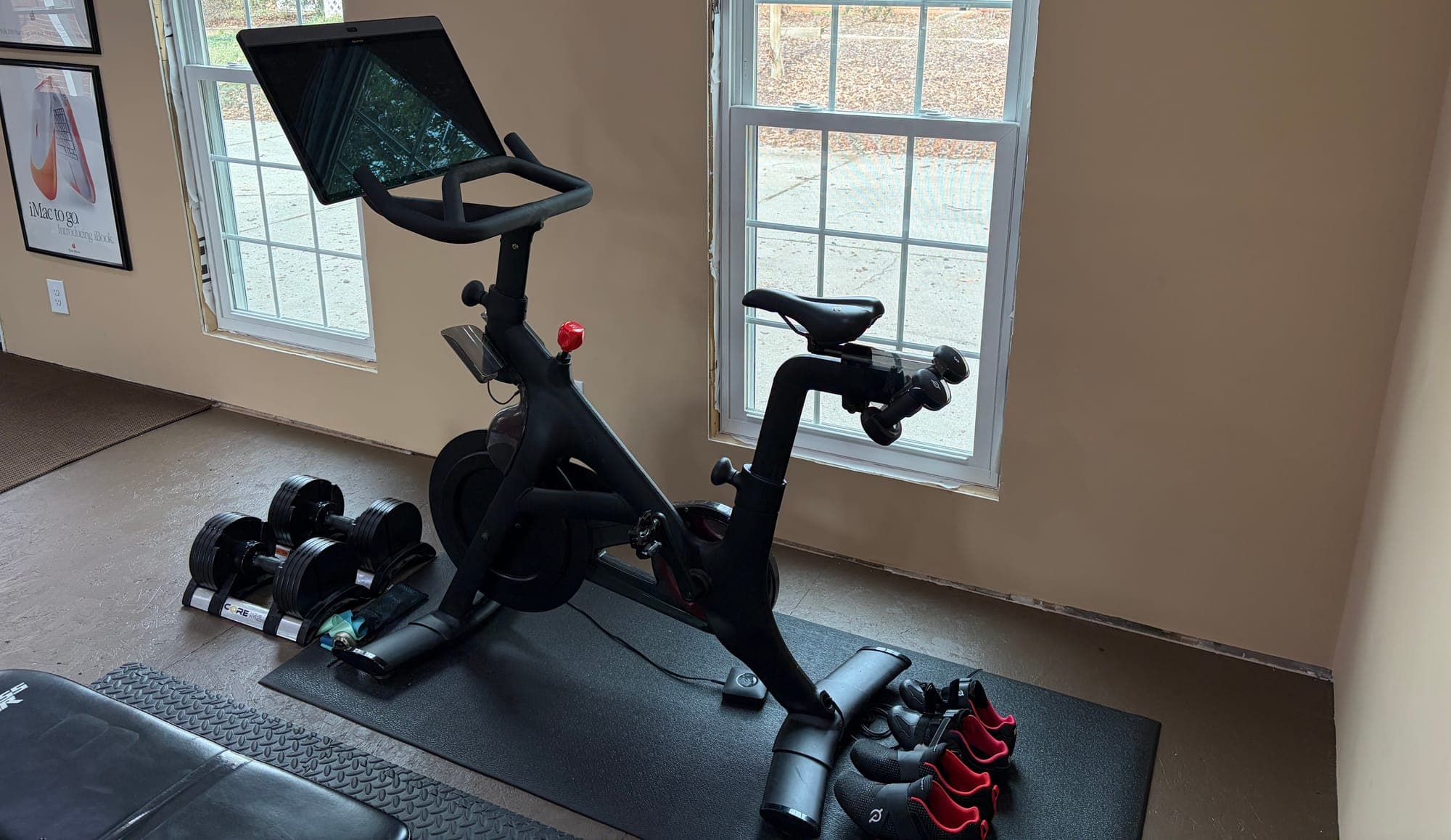
- Accessories: Shoes ($125), mat ($75), weights ($55), heart rate monitor ($90) — optional but often needed
You can use the bike without the membership, but you’ll lose most features. The monthly fee is essential for the full experience.
Here’s a quick price breakdown for the first year:
| Item | Cost |
|---|---|
| Peloton Bike | $1,445 |
| Accessories (average) | $250 |
| Membership (12 months) | $528 |
| Total First Year | $2,223 |
For the Bike+, add $1,050 to the first-year total.
Peloton Vs Gym Memberships And Other Home Bikes
To understand if Peloton Bike is worth it, you need to compare it to other fitness options.
Peloton Bike Vs Gym Membership
Gym memberships vary by location. In the US, the average gym costs $40–$60 per month. Boutique studios (like SoulCycle or Orangetheory) are often $150–$300 per month. Over a year, that adds up:
- Standard gym: $480–$720/year
- Boutique studio: $1,800–$3,600/year
Peloton’s first-year cost is higher, but in following years, you only pay the membership ($528/year). Over time, Peloton can be cheaper than boutique studios, especially if multiple family members use it.
Peloton Bike Vs Other Home Bikes
Many home bikes cost less than Peloton. Let’s compare a few:
| Brand | Bike Price | Monthly App Fee | Features |
|---|---|---|---|
| Echelon EX-5 | $899 | $39 | Live classes, leaderboard, adjustable screen |
| NordicTrack S22i | $1,299 | $39 | Incline/decline, iFit classes, scenic rides |
| Bowflex C6 | $799 | None (uses apps like Peloton, Zwift) | Bluetooth, compatible with multiple platforms |
| Peloton Bike | $1,445 | $44 | Integrated screen, live classes, strong community |
Peloton is more expensive, but its community and instructors are considered the best. Other bikes may be cheaper, but often lack the same quality of classes or platform integration.
Experience-based Benefits: The Peloton Effect
Many Peloton owners report a big change in their fitness habits. The bike’s ease of access removes barriers—no driving, no waiting for equipment, no gym hours. You can ride any time, for any length.
The leaderboard and community challenges make workouts feel competitive and social. This motivates people to push harder. Peloton’s instructors are famous for their energy and encouragement. Riders often say these classes feel more engaging than anything they’ve experienced in person.
The variety of classes—beginner, advanced, themed rides, music genres—means you rarely get bored. You can choose rides from 5 to 90 minutes. Peloton also offers strength training, yoga, stretching, and meditation classes in the app, so you get a full fitness suite.
A less obvious benefit: Peloton’s data tracking. The bike records every ride, showing progress in output, cadence, and resistance. This makes it easy to set goals and watch your improvement.
Drawbacks And Limitations
No product is perfect. Here are some real drawbacks to consider:
- High upfront cost: Not everyone can afford the initial price.
- Ongoing membership fee: Without the monthly payment, the bike is just a basic stationary bike.
- Space requirements: The bike is about 4 feet long and 2 feet wide. You need a clear area for riding and stretching.
- Limited adjustability: The original Peloton Bike lacks a fully adjustable screen (the Bike+ fixes this).
- No offline access: You need an internet connection for most features.
- Wear and tear: Over time, some parts (like pedals or screen) may need replacement.
Some users also report that Peloton’s classes are intense. Beginners may feel overwhelmed. However, there are beginner programs and lower-intensity rides available.
Who Should Consider Peloton Bike?
Peloton is best for people who:
- Want high-quality, interactive classes at home.
- Value motivation from instructors and community.
- Prefer flexible workout times.
- Don’t want to travel to a gym.
- Are comfortable investing in fitness.
It’s less ideal for those who:
- Prefer outdoor cycling.
- Need a machine for multiple types of workouts (rowing, running, etc. ).
- Want a simple, budget-friendly bike.
- Don’t plan to use the classes regularly.
Peloton shines for people who struggle with gym motivation or want a social workout without leaving home.
Real User Experiences
Let’s look at what actual Peloton owners say.
Positive Feedback:
- “I ride almost every day. I’ve never been this consistent with exercise.”
- “The instructors are incredible. They make every ride feel personal.”
- “The leaderboard pushes me to do my best. It’s like racing with friends.”
- “The variety keeps things fresh. I love themed rides and music classes.”
Negative Feedback:
- “It’s expensive, especially when you add accessories.”
- “The membership fee feels high after the first year.”
- “Some classes are too intense for beginners.”
- “I wish the screen could rotate on the original bike.”
These comments echo most online reviews. Peloton users tend to be very loyal, but the price and intensity can be barriers for some.
Peloton Bike+ Vs Peloton Bike
Peloton now offers two main bikes: the original and the Bike+. The Bike+ is more advanced and costs more. Here’s a quick comparison:
| Feature | Peloton Bike | Peloton Bike+ |
|---|---|---|
| Screen | 21.5″ fixed | 23.8″ rotating |
| Audio | Standard speakers | Enhanced sound |
| Resistance | Manual | Auto-follow for classes |
| Price | $1,445 | $2,495 |
The Bike+ is better for those who want to use Peloton’s full-body classes (like yoga or strength) and need a rotating screen. The auto-follow resistance makes interval training easier. For most users, the original bike is enough.
How Peloton Classes Work
Peloton’s classes are famous for their energy and variety. Here’s how they work:
- Live classes: Scheduled every day, often with thousands of riders.
- On-demand classes: Thousands to choose from, anytime.
- Difficulty levels: Beginner, intermediate, advanced.
- Instructor styles: Motivational, tough, playful—pick what fits your mood.
- Music genres: Pop, rock, hip-hop, country, EDM, and more.
- Special rides: Themed events, “Power Zone” training, scenic rides.
Peloton also offers programs for beginners, weight loss, and endurance. The app tracks your progress, making it easy to see improvement.
Peloton App For Non-bike Users
You don’t need a Peloton Bike to use the Peloton app. The app works on phones, tablets, or smart TVs. It offers:
- Strength training
- Yoga
- Running
- Walking
- Meditation
- Outdoor audio classes
The app costs $24/month (lower than bike membership). Many people use the app with regular bikes or other equipment.
Motivation And Accountability: Peloton’s Real Strength
One area where Peloton stands out is motivation. The company builds a sense of accountability through:
- Leaderboard: Compete with others, see your rank.
- Community tags: Join groups (like #MomsOfPeloton or #NYC).
- Streaks and badges: Earn rewards for consistency.
- Shout-outs: Instructors mention riders during live classes.
- Social features: Follow friends, send “high fives.”
This community aspect keeps many users coming back. For people who find solo workouts boring or lonely, Peloton solves the problem.
Is Peloton Bike Worth It For Families?
Peloton allows multiple profiles on one bike. This means families can share the bike and each member gets personal progress tracking. The value increases if two or more people use it regularly.
Consider this: If a couple replaces two $100/month boutique studio memberships, Peloton pays for itself in less than a year. For families with teens or adults who exercise together, the cost per use drops quickly.
Peloton Bike For Beginners
Peloton can be intimidating, but it caters to beginners:
- Beginner rides: Slower pace, gentle introduction.
- Low-impact rides: Focus on form and endurance.
- Intro programs: Teach bike setup, riding posture, class basics.
- Friendly instructors: Some specialize in helping new riders.
A tip many beginners miss: Adjust the bike setup carefully. Poor seat or handlebar position can cause discomfort or injury. Peloton offers video guides, but you may want to ask a local bike shop for help.
Another overlooked point: Start with shorter rides (10–20 minutes) and build up. Don’t feel pressured to compete with advanced riders.
Peloton Bike For Advanced Users
Experienced cyclists or fitness fans often love Peloton’s Power Zone rides and interval training. The leaderboard and advanced metrics are great for tracking progress.
Some users add extra resistance or use longer classes (up to 90 minutes). The app’s data is detailed, helping serious athletes train with precision.
Non-obvious insight: If you’re an outdoor cyclist, Peloton’s classes can help you maintain fitness during bad weather or off-season. Many instructors are also competitive cyclists, offering tips and strategies for real-world riding.
Peloton Community And Social Features
Peloton’s community is one of its strongest assets. Riders connect through:
- Tags: Join groups with similar interests.
- Facebook groups: Share tips, challenges, and ride together.
- Official Peloton events: Compete or ride for charity.
- High fives: Simple encouragement during rides.
The community is supportive and active. Many users say they’ve made real friends through Peloton. This social aspect is rare in home fitness.
Peloton And Mental Health
Exercise is proven to help mental health. Peloton adds extra support through:
- Meditation classes
- Mindful rides
- Positive instructor messages
Riders often report feeling happier and more energetic. Peloton’s mix of tough workouts and positive community helps people stick with exercise routines.
A practical tip: Use Peloton’s meditation and stretching classes after tough rides. This helps recovery and reduces stress.
Peloton Bike Maintenance And Support
Peloton bikes are well-made, but require care:
- Clean the bike regularly to avoid sweat damage.
- Check pedals and bolts every few months.
- Update software for new features.
Peloton offers customer support and a warranty. If you have issues, help is available. Some users report quick repairs, while others face delays—especially for screen problems.
A non-obvious point: Register your bike and keep proof of purchase. This speeds up warranty claims.
Peloton Bike Financing Options
If the price is too high, Peloton offers financing:
- 0% APR for 12, 24, or 39 months
- Monthly payments start around $39/month for the original bike
Financing makes Peloton more accessible. However, you need good credit and must pay the membership separately.
Alternatives To Peloton Bike
Peloton is the market leader, but other options exist:
- Echelon: Similar classes, lower price, less community.
- NordicTrack: Incline/decline, scenic rides, iFit platform.
- Bowflex: Cheaper, connects to multiple apps.
- MYX Fitness: Focuses on heart rate-based training.
Some users buy a basic bike and use the Peloton app, saving money. However, you lose the integrated experience and leaderboard.
Is Peloton Bike Worth It For Weight Loss?
Peloton offers programs for weight loss, including:
- High-intensity interval rides
- Low-impact endurance rides
- Strength and stretching classes
Many users report weight loss, but results depend on diet and consistency. Peloton makes it easier to stick with workouts, which is key for losing weight.
A common mistake: Overestimating calorie burn. The bike estimates calories, but accuracy varies. Combine rides with healthy eating for best results.
Peloton Bike And Injury Prevention
Peloton emphasizes proper form and warm-ups. Classes usually start with instructions and end with cooldowns.
Tips for injury prevention:
- Adjust seat and handlebars carefully.
- Start slow if you’re new.
- Use beginner or low-impact classes.
- Listen to your body—don’t push through pain.
If you have knee or back issues, consult a doctor before riding. Peloton’s classes can be modified for most fitness levels.
Peloton Bike Resale Value
Peloton bikes hold value well. Used bikes often sell for 60–80% of original price, especially if maintained. The company supports transfer of ownership and setup.
Selling your bike is easier than with most fitness equipment. The strong brand and demand help.
Peloton Bike And Technology
Peloton updates its platform often. The bike connects to Wi-Fi and Bluetooth, allowing:
- Heart rate monitoring
- Pairing with headphones
- Connecting to fitness apps
Peloton also releases new classes and features weekly. The screen is responsive, and software is stable.
A non-obvious benefit: Peloton can connect to Apple Health and other tracking apps. This helps people monitor overall fitness.
Peloton Bike And Sustainability
Peloton aims to reduce environmental impact:
- Durable materials
- Efficient shipping and packaging
- Encouraging exercise at home (less travel)
While not perfect, Peloton’s focus on quality means fewer bikes end up in landfills compared to cheap alternatives.
Peloton Bike: The Verdict
Is Peloton Bike worth it? For many people, yes. The quality of classes, community, and motivation are unmatched. The price is high, but over time, it can be cheaper than boutique studios. If you value convenience, interactive workouts, and a strong community, Peloton delivers.
However, it’s not for everyone. If you prefer simple, low-cost fitness or don’t plan to use the classes, other bikes or gyms may be better.
If you’re still unsure, try the Peloton app first. See if the classes and instructors fit your style. Remember, fitness is personal—choose what keeps you moving.
For more data on Peloton’s growth and impact, see Peloton Wikipedia.
Frequently Asked Questions
What Is The Difference Between Peloton Bike And Bike+?
The Bike+ has a larger, rotating screen, auto-follow resistance, and better audio. It’s more expensive but great for full-body workouts. The original Peloton Bike is solid and offers the main features for less money.
Can Multiple People Use The Same Peloton Bike?
Yes, you can create multiple profiles on one bike. Each person gets their own stats and progress tracking. This makes Peloton more valuable for families.
Is Peloton Bike Good For Beginners?
Peloton offers beginner rides and intro programs. Instructors guide you through setup and form. Start with short rides and build up gradually. Adjust the bike carefully to avoid discomfort.
What Happens If I Cancel My Peloton Membership?
Without the membership, you lose access to most classes and features. The bike still works, but only in basic mode. You can use “just ride” mode, but it lacks motivation and data tracking.
How Does Peloton Compare To Cheaper Bikes?
Cheaper bikes lack Peloton’s community, instructors, and integrated experience. You can save money, but often miss out on motivation and quality classes. Some bikes use separate apps, but the experience is not as seamless.
Peloton is not just a bike—it’s a full fitness platform. If you value interactive workouts, motivation, and community, Peloton is often worth the extra cost. If you’re looking for budget fitness, consider other options. In the end, the best choice is the one that keeps you moving and enjoying exercise.


