
Many people want to improve leg strength but face barriers like joint pain, lack of time, or limited mobility. That’s why portable exercise machines, such as the Cubii Jr1, have become popular. You may have seen this compact elliptical under desks in offices, or in living rooms of people watching TV. But there’s an important question: Does Cubii Jr1 help with leg strength?
This article explores the answer in depth. You’ll learn how the Cubii Jr1 works, what types of leg strength it can build, the science behind seated ellipticals, and who benefits most. We’ll compare it to other machines, share real-world results, and discuss mistakes to avoid.
By the end, you’ll have a clear understanding—backed by evidence and expert advice—of how Cubii Jr1 fits into a leg-strengthening plan.
Understanding The Cubii Jr1
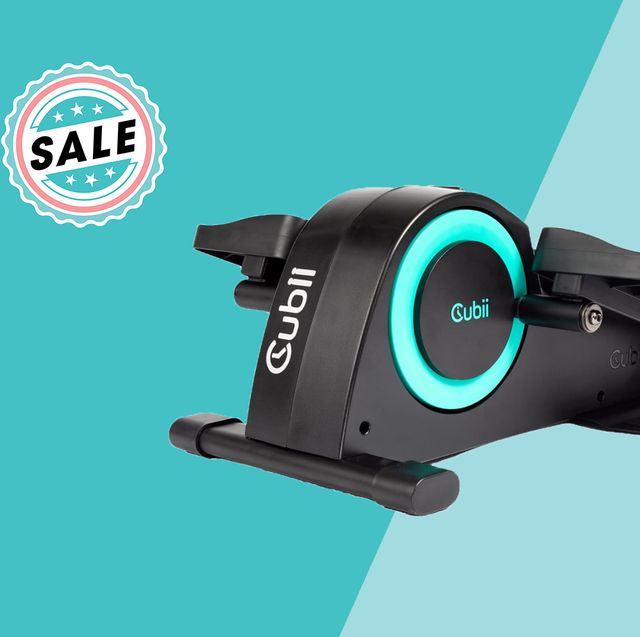
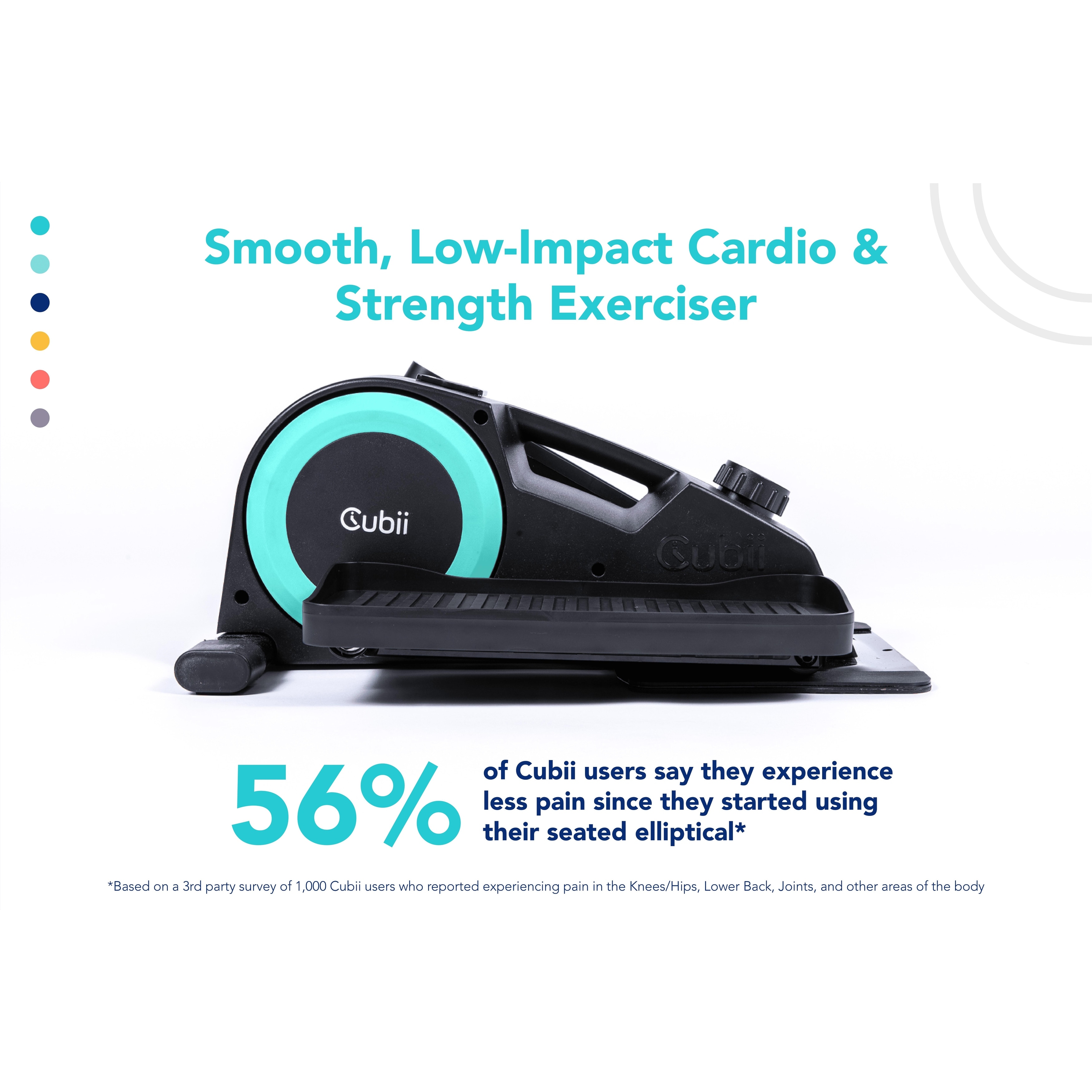
The Cubii Jr1 is a small, under-desk elliptical machine. Users sit in a chair and pedal with their feet, moving the pedals forward and back in a smooth, oval motion. It’s quiet, portable, and designed for use at home or in the office. Unlike traditional ellipticals, it has no handles; only your legs do the work.
Key Features
- 8 resistance levels: Adjustable to match your fitness or rehab needs.
- LCD display: Tracks calories, distance, strides, and time.
- Low-impact: Gentle on knees and ankles, suitable for all ages.
- Compact design: Fits under most desks, easy to move.
How It’s Used
People use the Cubii Jr1 in different ways. Some pedal slowly during meetings or while watching TV. Others use it for dedicated workout sessions, increasing resistance and speed. It’s also used in physical therapy and senior fitness programs because it supports safe movement.
What Is Leg Strength?
Before judging if Cubii Jr1 helps, it’s important to define leg strength. This term covers several things:
- Muscular strength: How much force your leg muscles can produce.
- Muscular endurance: How long your leg muscles can work before getting tired.
- Functional strength: Ability to do daily tasks, like standing, walking, or climbing stairs.
Different types of exercise build these in different ways. For example, lifting heavy weights boosts muscular strength, while cycling or walking improves endurance. Many people want a mix of both, especially as they age or recover from injury.

How The Cubii Jr1 Builds Leg Strength
The Cubii Jr1 provides repetitive, low-impact movement for the legs. Here’s how it affects leg strength:
Muscle Groups Targeted
When you pedal the Cubii Jr1, you mainly use:
- Quadriceps (front of the thigh)
- Hamstrings (back of the thigh)
- Calves (lower leg)
- Hip flexors and extensors
The elliptical motion also involves your glutes and, to a lesser degree, your core muscles for stability.
Types Of Strength Developed
1. Muscular Endurance
The Cubii Jr1 is most effective at building endurance. Pedaling for 20–60 minutes keeps your leg muscles working, which helps them resist fatigue over time. This is valuable for daily activities and long walks.
2. Functional Strength
For older adults or those with mobility issues, using the Cubii Jr1 makes it easier to stand, walk, or climb stairs. Repeated use trains the muscles you need for real-life movement.
3. Muscle Tone
Regular use can make your legs look and feel firmer. While it may not bulk up muscle like heavy weightlifting, many users notice better definition.
4. Mild Muscular Strength
On higher resistance, the Cubii Jr1 challenges your muscles more. This can lead to some increases in strength, especially if you are starting from a low fitness level or recovering from injury.
Limitations For Strength Gains
- The Cubii Jr1 does not replace heavy resistance training. If you want to build maximum power (for sports or lifting heavy objects), you’ll need extra weight or standing exercises.
- It provides constant, moderate resistance. There’s no sudden burst or heavy load, so strength gains are steady but limited.
The Science
A 2021 study in the *Journal of Aging and Physical Activity* tested under-desk elliptical machines with older adults. The group using the machines three times a week for 12 weeks showed:
- Improved muscle endurance in their legs
- Better balance and walking speed
- No significant gain in maximal strength, but strong improvement in daily function
Another trial in a rehab setting found that using seated ellipticals increased quadriceps strength by 8% over eight weeks in people recovering from knee surgery.
Comparing Cubii Jr1 To Other Exercise Machines
Is the Cubii Jr1 as effective as other leg exercise equipment? Here’s a direct comparison:
| Machine | Main Benefit | Muscle Strength | Muscular Endurance | Impact on Joints |
|---|---|---|---|---|
| Cubii Jr1 | Portable, low-impact | Mild to moderate | Strong | Very low |
| Stationary Bike | Cardio, moderate resistance | Moderate | Strong | Low |
| Leg Press Machine | Maximal strength | Very strong | Moderate | Medium |
| Traditional Elliptical | Full-body, standing | Moderate | Strong | Low |
The Cubii Jr1 stands out for being gentle on the joints and easy to use anywhere. It’s less effective for maximum muscle growth, but strong for endurance and daily strength.
Who Benefits Most From Cubii Jr1?
Not every fitness tool is right for everyone. The Cubii Jr1 offers unique value for certain groups:
Older Adults
Aging often brings loss of muscle mass and joint issues. The Cubii Jr1 helps older adults:
- Move safely without risk of falling
- Improve blood flow to the legs
- Build endurance for daily activities
- Reduce stiffness and swelling
People With Limited Mobility
If you have arthritis, are recovering from surgery, or have balance problems, the Cubii Jr1 provides safe leg exercise. It avoids the pain and risk that can come with walking or standing machines.
Office Workers
Sitting all day weakens the legs. The Cubii Jr1 lets office workers stay active, preventing muscle loss and improving circulation even during meetings or calls.
Beginners
For those new to exercise, the Cubii Jr1 is less intimidating than a gym. It allows a gradual start, building confidence and muscle endurance.
Rehabilitation Patients
Physical therapists often recommend seated ellipticals like the Cubii Jr1 for people recovering from injury or surgery, especially after knee or hip replacement.
How To Use Cubii Jr1 For Best Results
Getting stronger legs with the Cubii Jr1 requires more than just casual pedaling. Here’s how to get the most out of your machine:
Step-by-step Usage Plan
1. Set Up Correctly
Place the Cubii Jr1 on a non-slip surface. Sit in a sturdy chair with your feet flat on the pedals. Your knees should bend comfortably.
2. Start Slowly
Begin with 10–15 minutes per session on a low resistance. Focus on smooth, controlled movements.
3. Increase Resistance Gradually
As you get stronger, move up one resistance level every 1–2 weeks. Aim to work at a level that feels challenging but comfortable.
4. Aim For Consistency
For leg strength, use the Cubii Jr1 at least 3–5 days per week. Sessions of 20–30 minutes are ideal for most people.
5. Try Intervals
Mix in short bursts (1–2 minutes) of faster pedaling with slower recovery periods. This builds endurance and slightly increases muscle challenge.
6. Track Your Progress
Use the LCD display to monitor time, strides, and resistance. Set small goals, like increasing total strides each week.
Example Workout
- 5 minutes gentle warm-up
- 15 minutes moderate resistance, steady pace
- 5 minutes intervals (30 sec fast, 90 sec slow)
- 5 minutes cool-down at low resistance
Practical Tips
- Stay hydrated, even though you’re seated.
- Keep posture upright; don’t slouch.
- Wear supportive shoes for best comfort.
- Place the machine so you can’t accidentally kick it away.
What Results Can You Expect?
The results depend on your starting point, effort, and how often you use the Cubii Jr1. Here’s what most users experience:
In The First Month
- Less leg stiffness and more comfortable movement
- Improved circulation (less swelling, warmer feet)
- Slight increase in stamina
After 2–3 Months
- Noticeable muscle tone in quads and calves
- Easier time standing up from chairs or walking further
- Improved balance and confidence
After 6 Months
- Better endurance for stairs, long walks, or standing tasks
- For beginners, up to a 15% increase in leg strength (as measured by simple tests like sit-to-stand repetitions)
- Reduced risk of falls and leg pain
Real User Stories
Many users report being able to walk longer distances, climb stairs with less effort, and play with grandkids again. One user recovering from knee surgery shared: “I could barely stand for five minutes. After three months with the Cubii Jr1, I can walk to the store without resting.”
Common Mistakes When Using The Cubii Jr1
Even a simple machine can be used incorrectly. These are mistakes to avoid:
1. Pedaling Too Softly
Going too slow or using the lowest resistance all the time won’t challenge your muscles enough to build strength.
2. Slouching Or Poor Posture
Sitting hunched can strain your back and reduce leg engagement.
3. Skipping Resistance Increases
You must gradually increase resistance to keep making progress.
4. Treating It As “background” Movement Only
It’s fine to multitask, but set aside focused sessions where you give it real effort.
5. Using Only Short Sessions
For strength and endurance, you need longer sessions (20+ minutes).
6. Not Tracking Progress
Without measuring time, resistance, or strides, it’s hard to stay motivated or see improvement.
Safety And Limitations
While the Cubii Jr1 is safe for most people, there are some things to consider:
- Consult your doctor if you have heart problems, severe arthritis, or are recovering from surgery.
- Stop if you feel sharp pain, dizziness, or numbness.
- It’s not designed for people under 4’10” or over 6’4” due to pedal reach.
- Those wanting maximum muscle growth (bodybuilders, athletes) need heavier resistance.
The Cubii Jr1 Vs. Standing Leg Exercises
Standing exercises like squats, lunges, or step-ups are traditional ways to build leg strength. Here’s how they compare:
| Exercise Type | Muscle Activation | Balance Required | Strength Gain Potential | Injury Risk |
|---|---|---|---|---|
| Cubii Jr1 | Moderate (quads, calves) | None | Mild to moderate | Very low |
| Squats/Lunges | High (full leg, glutes) | High | Strong | Medium to high |
| Step-ups | High (quads, glutes) | Medium | Strong | Medium |
Key insight: The Cubii Jr1 is safer and easier for people with balance problems or joint pain. But, for maximum muscle growth, weight-bearing exercises are needed.
Non-obvious Insights For Beginners
Many new users miss these important points:
- Leg strength is not just about muscles. Using the Cubii Jr1 also improves blood flow, joint lubrication, and nerve signals to the legs. This is why people with diabetes or poor circulation often see big benefits.
- Consistency beats intensity. Doing 20 minutes daily is more effective for leg strength than one hard session per week. The Cubii Jr1 is designed for easy, regular use—which is ideal for steady progress.
- Mixing exercises works best. Combining Cubii Jr1 sessions with other activities (like short walks, chair stands, or light weights) produces faster gains in leg strength and health.
How To Track Progress
Tracking your improvements keeps you motivated. Here’s how:
- Use the LCD display: Record total strides, time, and resistance each week.
- Do a sit-to-stand test: See how many times you can rise from a chair in 30 seconds. Repeat every month.
- Measure daily tasks: Notice if climbing stairs, standing up, or walking long distances gets easier.
Combining Cubii Jr1 With Other Leg Exercises
For best results, blend Cubii Jr1 use with simple standing leg exercises when possible. Some ideas:
- Do 10–15 chair stands after each Cubii session.
- Walk for 5–10 minutes before or after pedaling.
- Try gentle calf raises while holding the back of a chair.
If you’re unsure, ask a physical therapist for guidance. They can design a program based on your health, goals, and ability.
Cost, Value, And Alternatives
The Cubii Jr1 is not the only under-desk elliptical on the market, but it’s one of the most popular. It costs about $249–$269 in the US. Consider these points:
- Value: You pay for convenience, quiet operation, and durability.
- Alternatives: Cheaper models exist, but may be noisier or less smooth.
- Insurance/Medical Use: Some rehab programs cover part of the cost if prescribed by a doctor.
For a full comparison of top under-desk ellipticals, see the review by Consumer Reports.
Frequently Asked Questions
How Long Should I Use The Cubii Jr1 Each Day For Leg Strength?
Most people benefit from 20–30 minutes per session, at least 3–5 times per week. You can split this into shorter sessions if needed. Consistency is more important than session length.
Can The Cubii Jr1 Help With Knee Pain Or Arthritis?
Yes, the low-impact movement is gentle on knees and may help reduce pain and stiffness. However, always start with low resistance and talk to your doctor if you have severe pain.
Will The Cubii Jr1 Build Muscle Like Squats Or Heavy Weights?
The Cubii Jr1 mainly builds endurance and functional strength. For large muscle gains, you’ll need heavier, standing exercises. But for most people, especially beginners, the Cubii provides enough challenge to improve daily strength.
Is The Cubii Jr1 Suitable For Young, Athletic Users?
It’s best for beginners, seniors, or those with mobility limits. Athletes may not find enough resistance for significant muscle growth, but it can be useful for warm-ups, recovery, or light cardio.
Does The Cubii Jr1 Help With Weight Loss In Addition To Leg Strength?
Yes, using the Cubii Jr1 burns calories, especially during longer or higher-resistance sessions. While not a fast weight-loss tool, it supports fat loss as part of a healthy lifestyle.
Final Thoughts
The Cubii Jr1 is a smart, user-friendly way to build leg endurance and improve daily function, especially if you’re new to exercise, older, or need a safe option. While it won’t deliver the powerful muscle gains of heavy squats or gym machines, it fills a valuable gap—making movement possible for those who need it most. Used consistently and with proper resistance, it can make a real difference in leg strength, confidence, and quality of life. For many, the Cubii Jr1 is more than just a machine; it’s a step toward staying active and independent.

