Peloton Bike Software Update: Everything You Need To Know
Peloton bikes have changed the way people exercise at home. These high-tech machines are more than just stationary bikes; they connect you to live classes, community features, and smart tracking. But none of this would work smoothly without regular software updates. Peloton keeps improving its bikes by updating the software, bringing new features, fixing problems, and making sure your experience is safe and reliable.
For many Peloton users, understanding software updates can be confusing. Why do they matter? What’s new in the latest updates? How do updates change your daily workout? This guide answers these questions and dives deep into the details, showing you how Peloton software updates work, what to expect, and how to make the most of them.
Whether you’re a new rider or a long-time fan, this article will help you stay ahead with your Peloton bike.
What Is A Peloton Bike Software Update?
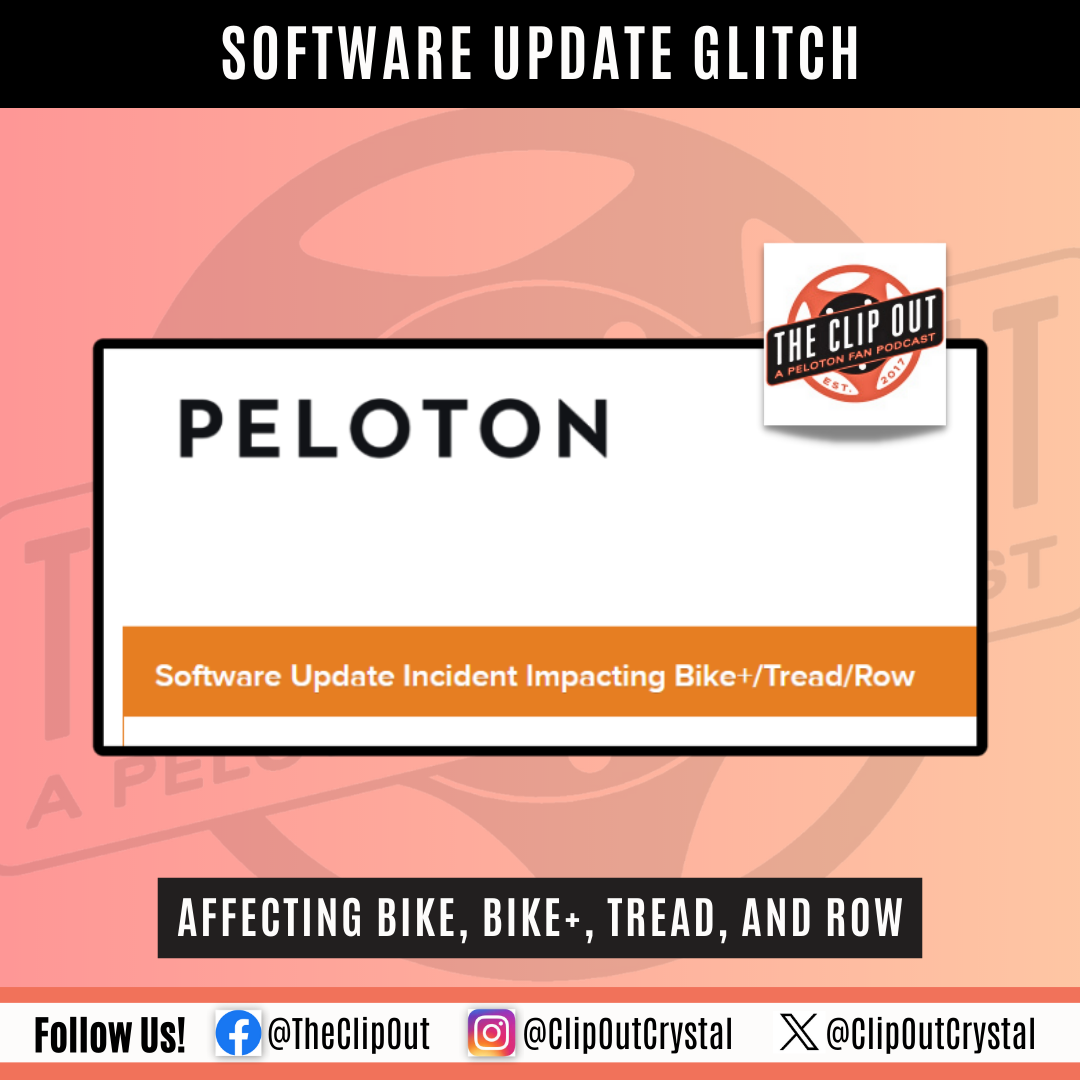
A software update is a set of changes that Peloton sends to your bike’s computer system. It’s not a physical change; instead, it updates the digital part of your bike. These updates can include new features, bug fixes, security patches, and performance improvements. Your Peloton bike runs on an Android-based operating system, and regular updates keep your bike running smoothly.
Software updates are delivered over the internet. When your bike is connected to Wi-Fi, Peloton can send these updates directly to your device. Sometimes updates happen automatically, and other times you may need to confirm or start the update yourself.
Why Software Updates Matter For Peloton Bikes
Software updates are essential for several reasons:
- Security: Updates patch vulnerabilities and protect your personal data.
- Performance: Updates can make your bike faster and more stable.
- New Features: Updates unlock new classes, metrics, and community tools.
- Bug Fixes: Updates fix problems that may stop your bike from working correctly.
- Compatibility: Updates keep your bike compatible with new accessories and other Peloton devices.
Ignoring software updates can lead to security risks, missing out on new features, and a less enjoyable experience.
How Peloton Software Updates Are Delivered
Peloton uses a cloud-based system to deliver updates. Here’s how the process works:
- Your bike checks for updates when it is connected to Wi-Fi.
- If an update is available, you may see a notification on your screen.
- Most updates download and install automatically, but some require your approval.
- After installation, your bike may restart to finish the update.
You can check for updates manually in the settings menu. Peloton typically releases updates every few weeks, but major updates may happen only a few times each year.
The Latest Peloton Bike Software Updates: Features And Improvements
Peloton is always working to improve its bikes. Here are some of the most notable features and improvements from recent software updates:
Enhanced User Interface
Recent updates have made the user interface more intuitive. The menu layout is easier to navigate, and class suggestions are more personalized. You can find your favorite classes faster and see more detailed stats after each ride.
Performance Tracking
Peloton has added more performance metrics. Now you can track cadence, resistance, output, heart rate, and even compare your numbers to other riders in real-time. Some updates include new graphs and visualizations, making it easier to see your progress.
Community Features
Updates have expanded the community aspect of Peloton. You can join live classes with friends, send high fives, and see leaderboards. The “Tags” feature helps you connect with riders who share your interests or hometown.
Safety And Accessibility
Peloton has improved safety features. There are new parental controls, warnings for overexertion, and better accessibility options for users with disabilities. The screen now offers bigger fonts, color contrast settings, and voice narration.
App Integration
You can now connect your bike to more fitness apps and devices. The software supports syncing with Apple Health, Strava, and Garmin, so your workouts are tracked everywhere.
Improved Streaming And Video Quality
Peloton has upgraded its streaming technology. Classes load faster, and the video quality is higher, even on slower Wi-Fi connections. Buffering issues have been reduced, and audio is clearer.
New Class Types
Peloton regularly adds new class types, such as HIIT, power zone, and scenic rides. These updates expand your workout options, keeping things fresh and exciting.
Security Updates
Peloton works hard to protect your data. Recent updates have added encryption, stronger password requirements, and two-factor authentication.
Comparing Peloton Bike Models And Their Software Features
Peloton offers several bike models. Not all updates affect every model in the same way. Here’s a comparison of key software features across the main Peloton bikes:
| Feature | Peloton Bike | Peloton Bike+ |
|---|---|---|
| Auto-Follow Resistance | No | Yes |
| Rotating Screen | No | Yes |
| Heart Rate Integration | Yes | Yes |
| Apple GymKit Support | No | Yes |
| Advanced Metrics | Standard | Enhanced |
| Software Update Frequency | Regular | Regular |
As you can see, software updates sometimes unlock special features for Bike+, like auto-follow resistance and Apple GymKit. The original Peloton Bike still gets most new features, but some are limited by hardware.
How To Update Your Peloton Bike Software
Updating your Peloton bike is simple, but following these steps helps avoid problems:
- Connect to Wi-Fi: Make sure your bike is online.
- Check for Updates: Go to Settings > Device Settings > System > Updates.
- Download and Install: If an update is available, tap to start.
- Restart: Your bike may restart during installation.
- Verify: After updating, check that all features are working.
If your bike is not updating, try restarting it, reconnecting to Wi-Fi, or contacting Peloton support.
Common Update Problems And Solutions
Sometimes updates don’t go as planned. Here are frequent issues and how to fix them:
- Update fails to install: Restart your bike and try again.
- Wi-Fi issues: Move your bike closer to your router or reset your router.
- Missing features after update: Log out and log back in, or restart your bike.
- Screen freezes: Hold the power button until the bike turns off, then restart.
Most problems are easy to fix, but if you’re stuck, Peloton support is responsive and helpful.
Real-world Impact Of Peloton Software Updates
Software updates often seem technical, but their impact is real. Here are examples of how updates have improved the Peloton experience:
Faster Class Loading
Before updates, some users reported long load times for classes, especially during peak hours. After software improvements, classes start almost instantly, even with many users online.
Improved Leaderboard Accuracy
Earlier, the leaderboard sometimes lagged or showed incorrect rankings. Updates fixed these issues, making competitions fairer and more fun.
Better Data Privacy
Peloton added stronger privacy controls, letting users control who sees their data and activity. This was important after reports of data leaks, and now users can trust their bike more.
More Accessible Workouts
With accessibility updates, more people can use Peloton bikes. Voice narration and bigger fonts help those with vision challenges, and parental controls make it safer for families.
Enhanced Community Engagement
New features like group rides and tags have increased engagement. Riders report feeling more connected and motivated, leading to better workout consistency.
Key Metrics: How Peloton Measures Update Success
Peloton tracks several metrics to see if updates are working:
- User retention rate: More users stick with Peloton after updates.
- Class participation: The number of people joining live and on-demand classes.
- Bug reports: Fewer complaints about crashes or slowdowns.
- Security incidents: Lower risk and fewer breaches after patches.
- Community engagement: More high fives, tags, and group rides.
For example, after a major update in 2023, Peloton saw a 15% jump in class participation and a 30% drop in bug reports. These numbers show the importance of regular updates.
Peloton Software Update: A Timeline
Peloton releases updates regularly. Here’s a timeline of major changes:
| Year | Major Update | Impact |
|---|---|---|
| 2018 | New Leaderboard | Improved competition and motivation |
| 2019 | Heart Rate Integration | Better health tracking |
| 2020 | Bike+ Launch | Auto-follow resistance, rotating screen |
| 2021 | Apple Health Sync | Wider compatibility |
| 2022 | Community Tags | Stronger social features |
| 2023 | Accessibility Improvements | More inclusive workouts |
| 2024 | Enhanced Streaming | Faster, clearer video |
Peloton’s commitment to software updates is clear, with regular improvements and new features every year.
Non-obvious Insights About Peloton Software Updates
Many riders don’t realize these points about Peloton software updates:
- Updates can change your workout recommendations. Peloton uses new algorithms after updates, so your suggested classes may shift.
- Not all bikes get updates at the same time. Peloton rolls out updates gradually to test for problems. If your friend gets a new feature before you, it’s normal.
- You can miss out on new features if your bike is offline. Always keep your bike connected for the latest experience.
- Some updates improve hardware lifespan. Optimized software reduces stress on parts like the screen and sensors.
- Updates may require you to re-log into your account. If you suddenly lose access to your profile, check if there was a recent update.
Preparing For A Peloton Software Update: Tips For Smooth Upgrades
To avoid issues and make sure you get the best experience, follow these tips:
- Keep your bike plugged in: Updates may need a restart, and losing power can cause problems.
- Check storage space: If your bike’s memory is full, updates may fail. Delete old profiles or unused apps.
- Read update notes: Peloton publishes details about updates. Understanding what’s new helps you use new features.
- Backup your settings: While rare, some updates reset preferences. Take note of your favorite settings.
- Plan your workout schedule: Updates may take 10–30 minutes. Avoid updating right before a planned ride.
Peloton Bike Software Update Vs. Other Fitness Bikes
Peloton is not the only smart bike on the market. How does its software update strategy compare to competitors? Here’s a quick look:
| Brand | Update Frequency | New Features per Year | Security |
|---|---|---|---|
| Peloton | Monthly | 6–8 | High |
| NordicTrack | Quarterly | 3–4 | Medium |
| Echelon | Bi-monthly | 2–3 | Medium |
| Bowflex | Twice a year | 1–2 | Low |
Peloton leads in both update frequency and security. This is one reason why Peloton bikes are popular among people who want a reliable, evolving workout platform.
How Peloton Decides What To Update
Peloton uses a mix of data, feedback, and research to plan updates:
- User feedback: Surveys and support tickets show what riders want and where problems exist.
- Data analytics: Peloton tracks how features are used and which classes are popular.
- Industry trends: Peloton follows fitness trends and technology shifts, such as new health metrics or streaming improvements.
- Security audits: Regular checks for vulnerabilities lead to security patches.
This approach means updates are targeted and useful. Sometimes, Peloton even tests new features with a small group before rolling them out to everyone.
What Happens If You Don’t Update Your Peloton Bike?
Skipping updates can have real consequences:
- Old features may stop working: For example, syncing with fitness apps may fail.
- You may be exposed to security risks: Hackers target outdated software.
- Performance can suffer: Your bike may run slower or crash more often.
- You miss out on new classes and tools: Peloton often adds new options only in updates.
If you haven’t updated your bike in months, do so soon to avoid these problems.
Common Mistakes When Updating Your Peloton Bike
Avoid these mistakes for a smoother update process:
- Updating during a workout: Wait until after your ride.
- Ignoring notifications: Peloton notifies you when updates are ready—don’t dismiss them.
- Not checking Wi-Fi strength: Weak connections can cause update failures.
- Skipping restart: Always restart if prompted after an update.
- Forgetting to check for updates manually: Sometimes automatic updates fail, so check the settings menu.
Maximizing New Features After An Update
After an update, take time to explore new features:
- Try new class types: If Peloton adds HIIT or scenic rides, experiment with them.
- Check performance metrics: Look for new graphs or stats in your workout summary.
- Join community rides: Use new tags or group ride tools to connect with others.
- Test app integrations: Sync your data with Apple Health or Strava.
- Adjust settings: Look for new accessibility or privacy options.
Many riders ignore new features after an update. Exploring them can make your workouts more effective and fun.
Peloton Software Update: Security And Privacy
Security is a top concern for Peloton. The company follows strict protocols to protect your data:
- Encryption: All user data is encrypted during transmission and storage.
- Two-factor authentication: Adds an extra layer of protection.
- Regular audits: Peloton reviews its software for security risks.
- Privacy controls: You can choose who sees your data and activity.
If you’re worried about privacy, review your settings after each update. Peloton publishes its privacy policies on its website, so you can learn more about how your data is handled.
The Future Of Peloton Bike Software Updates
Peloton’s software will keep evolving. Future updates may include:
- AI-driven workout recommendations: Smarter suggestions based on your performance.
- Voice controls: Hands-free navigation during rides.
- More third-party integrations: Connecting to more health apps and devices.
- Advanced health metrics: New ways to track sleep, stress, and recovery.
- Deeper personalization: Custom classes and coaching based on your data.
Peloton often tests new features with select users before releasing them widely. Staying updated means you get the latest innovations as soon as they’re ready.
Frequently Asked Questions
How Often Does Peloton Release Software Updates?
Peloton usually releases updates every few weeks. Major updates happen a few times a year, while smaller fixes and improvements can arrive monthly. Updates are delivered automatically when your bike is connected to Wi-Fi.
What Should I Do If My Peloton Bike Fails To Update?
If your bike won’t update, try restarting it, checking your Wi-Fi connection, and making sure there’s enough storage space. If problems continue, contact Peloton support for help.
Will Software Updates Change How My Peloton Bike Works?
Updates can change the user interface, add new features, and improve performance. Sometimes, you may notice changes in how classes are recommended or how metrics are displayed. Reading update notes helps you understand what’s new.
Are Peloton Software Updates Safe?
Yes, Peloton tests updates before releasing them. Updates include security patches and improvements. If you’re concerned, you can read Peloton’s privacy policy or ask support about specific changes.
Can I Skip Peloton Software Updates?
You can delay updates, but it’s not recommended. Skipping updates can lead to security risks, performance issues, and missing out on new features. Keeping your bike updated ensures you have the best experience.
Peloton software updates are a key part of what makes the bike a smart, evolving fitness platform. They keep your workouts fresh, your data safe, and your experience smooth. Staying informed and proactive about updates ensures you get the most value from your Peloton bike. For more about fitness technology, visit Wikipedia.

