
Are Sleep Trackers Waterproof?
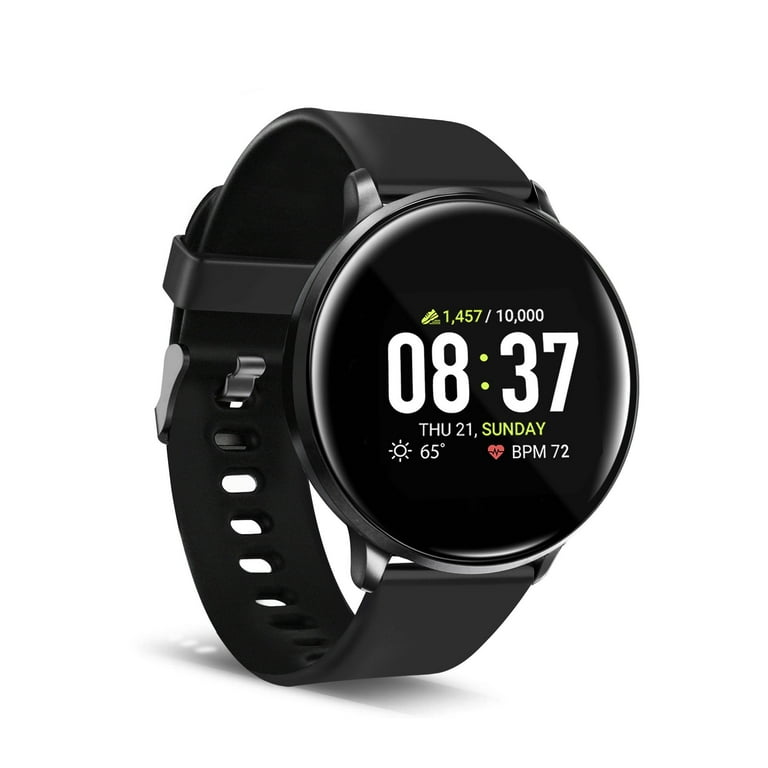
Many people use sleep trackers to improve their rest and understand their sleep habits. These devices often look like smartwatches or slim wristbands. They can track your heart rate, movement, and even the time you spend in different sleep stages. But as you wear these trackers all night—and sometimes all day—you might wonder: are sleep trackers waterproof? Can you shower, swim, or get caught in the rain without damaging your tracker? Let’s break down what you need to know before you get your device wet.
What Does Waterproof Mean For Sleep Trackers?
The word waterproof is used a lot in marketing, but it can be misleading. Most sleep trackers are not truly waterproof; instead, they are water-resistant to different degrees. This means they can handle some contact with water but not all situations.
Sleep trackers usually come with a rating called IP (Ingress Protection) or have an ATM (atmospheres) rating. These ratings help you understand how much water your device can safely handle. Here’s what they mean:
- IP Rating: Usually written as IP67, IP68, etc. The first number shows protection against dust, and the second against water.
- ATM Rating: Found on some fitness watches. 5 ATM means it can handle pressure equal to 50 meters underwater, but that doesn’t mean it’s for deep diving.
For example, an IP68 device can handle being underwater for 30 minutes at a depth of 1. 5 meters. But even then, salt water, soap, or hot water can cause problems.
Common Types Of Sleep Trackers And Their Water Protection
Not all sleep trackers are made the same. Let’s look at popular types and how they handle water:
1. Wrist-worn Trackers
These look like smartwatches or fitness bands. Brands like Fitbit, Garmin, and Xiaomi Mi Band dominate this category.
- Many basic models are IP67 or IP68 rated.
- More advanced trackers, especially those made for sports, may be 5 ATM or higher.
2. Smart Rings
Devices like the Oura Ring and Motiv Ring fit on your finger.
- Most smart rings are designed to be water-resistant, so you can wash your hands or take a shower.
- Some are rated for swimming, but frequent exposure can still damage them over time.
3. Bedside Sleep Monitors
These trackers, like the Withings Sleep Analyzer, go under your mattress.
- They don’t need water resistance because you don’t wear them.
- Spills or wet bedding can harm them, so care is needed.
4. Clip-on Trackers
Some trackers attach to your clothing or pillow.
- These usually have lower water resistance and should be kept dry.
Comparing Water Resistance In Popular Sleep Trackers
Here’s a quick comparison of water protection in well-known devices:
| Device | Type | Water Resistance | Can You Swim? |
|---|---|---|---|
| Fitbit Charge 5 | Wrist Band | 5 ATM (50m) | Yes |
| Apple Watch Series 8 | Smartwatch | WR50 (50m) | Yes |
| Oura Ring Gen 3 | Smart Ring | Up to 100m | Yes |
| Xiaomi Mi Band 7 | Wrist Band | 5 ATM (50m) | Yes |
| Withings Sleep Analyzer | Bedside Pad | No water resistance | No |
How To Check If Your Sleep Tracker Is Waterproof
Before taking your tracker into the shower or pool, you should:
- Read the Manual: Every device comes with a guide. Look for IP or ATM ratings.
- Check the Manufacturer’s Website: Some brands offer extra details or warnings.
- Look for Symbols: Sometimes, your device will have a water drop or swimming symbol on the back or in the app.
If you’re unsure, always play it safe and avoid water.
Real-world Water Exposure: What You Need To Know
Even if your tracker is rated for water, not all water is the same. Here are some common situations and what they mean for your device:
Showering
Most water-resistant trackers can handle a quick shower. But hot water, soap, and shampoo can wear down seals and damage electronics over time. For better safety, take off your tracker before showering if possible.
Swimming
If your tracker is 5 ATM or higher, swimming in a pool is usually fine. Salt water (from the ocean) is more risky. Always rinse your device with fresh water after swimming to remove salt or chlorine.
Rain Or Sweat
All sleep trackers with even basic water resistance can handle sweat or rain. This is helpful for people who exercise or run outside.
Washing Hands
Most modern trackers are safe to wear while washing hands, but avoid soaking them for too long.
What Can Happen If You Get Your Tracker Wet?
If you go beyond what your tracker is designed to handle, you might see:
- Screen fogging or water inside the display
- Battery problems or device won’t charge
- Sensors stop working or give wrong readings
Sometimes, water damage is slow. A tracker may work for days after getting wet, then suddenly fail.
Water Resistance Vs. Waterproof: The Important Difference
Waterproof means a device is safe in water at any depth, for any length of time. Almost no consumer sleep tracker is fully waterproof. Water-resistant means it can handle some water, for a limited time and depth.
Manufacturers often use “waterproof” for marketing, but always check the real rating. Here’s a quick summary:
| Label | What It Really Means |
|---|---|
| Waterproof | Safe in water, any depth/time (almost never true for sleep trackers) |
| Water-resistant | Handles some water, limited depth/time (typical for most trackers) |
Non-obvious Insights About Sleep Trackers And Water
- Water resistance can wear out: The seals and adhesives that keep water out can break down over time, especially with heat, soap, or sweat. A new tracker may handle water better than an older one.
- Water damage might void your warranty: Many brands will not cover water damage, even if the device is rated as water-resistant. Always check your warranty terms before swimming with your tracker.
- Charging after water exposure can be risky: If your tracker is wet, plugging it in can cause short circuits. Wait until it is completely dry before charging.
- Microphone and speaker holes are weak points: Sleep trackers with alarms or voice assistants may have tiny holes that let water in more easily. These parts are harder to seal well.
- Water-resistant does not mean sweatproof forever: Sweat is salty and can slowly damage seals, especially during intense workouts or in humid climates.
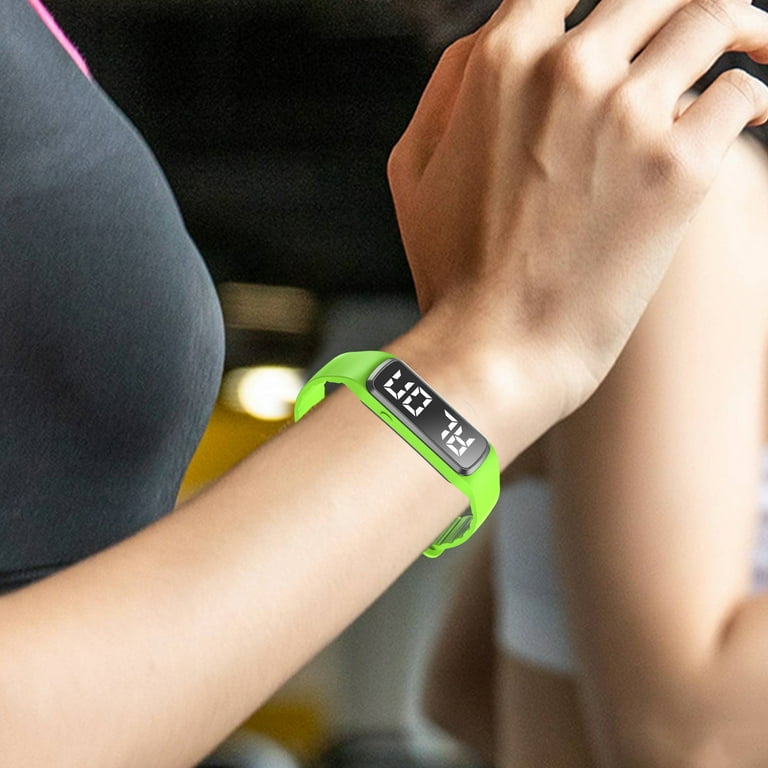
How To Protect Your Sleep Tracker From Water Damage
If you want your tracker to last, follow these tips:
- Remove before hot showers or baths. Steam and heat can break seals.
- Rinse after swimming. Use fresh water to wash off chlorine or salt.
- Dry before charging. Let your tracker air dry completely before plugging it in.
- Check the band and seals. Replace bands if cracked or loose, as water can get inside.
- Store in a dry place. Don’t leave your tracker in a wet gym bag or bathroom.
Some people buy third-party covers or skins for extra protection. But make sure these don’t block sensors or buttons.
Why Not All Sleep Trackers Are Made Waterproof
Making a device waterproof adds cost and design challenges. Thicker casings, better seals, and waterproof charging points all make a tracker bulkier and more expensive. Many people don’t need to swim with their sleep tracker, so brands focus on basic water resistance instead.
Also, some trackers use sensors that need to be exposed to skin or air, making it hard to seal them completely. For bedside or under-mattress trackers, waterproofing is not needed.
How To Choose A Sleep Tracker With The Right Water Resistance
If you want a sleep tracker you can wear anywhere, look for:
- At least 5 ATM or IP68 water resistance
- No exposed charging ports (magnetic or wireless charging is better)
- Few or no holes for speakers or microphones
If you only plan to wear your tracker at night or at home, lower water resistance might be fine.
Here’s a simple decision guide:
| Situation | Recommended Water Resistance |
|---|---|
| Showering or washing hands | IP67 or above |
| Swimming in pool | 5 ATM or above |
| Ocean swimming | 5 ATM + rinse after |
| Just sleep tracking at home | No need |
The Future Of Waterproof Sleep Trackers
Technology keeps improving. New materials and better designs mean more trackers are becoming water-resistant, even for swimming. Some brands now offer swimming-specific modes, tracking your sleep and your swims together.
But always remember: even the best water resistance can fail. Treat your device with care, and it will last longer.

Frequently Asked Questions
What Does 5 Atm Mean For Sleep Trackers?
5 ATM means the device can handle water pressure equal to a depth of 50 meters. This is good for swimming in pools, but not for deep diving or high-speed water sports. Always check if your tracker’s manual says it’s suitable for swimming, as some features (like heart rate) may not work underwater.
Can I Shower With My Sleep Tracker On?
Most modern sleep trackers with at least IP67 or 5 ATM ratings can handle a shower. But hot water, soap, and shampoo can slowly damage seals and sensors. For the longest life, take your tracker off before showering.
Will Salt Water Damage My Sleep Tracker?
Yes, salt water is more harmful than fresh water. It can corrode metal parts and break down seals faster. If you swim in the ocean, rinse your tracker with fresh water afterward and dry it well.
Are Sleep Trackers Covered Under Warranty For Water Damage?
Most brands do not cover water damage, even if the device is rated as water-resistant. Always read your warranty terms carefully. If water gets inside, it may be considered misuse.
Where Can I Find The Water Resistance Rating For My Sleep Tracker?
You can find water resistance ratings in your device’s manual, on the manufacturer’s website, or inside the device app. Many brands, like Fitbit or Oura, have detailed FAQs and support pages. For more technical details, you can check resources like the IP Code Wikipedia page.
Choosing the right sleep tracker means looking beyond just features. Understanding how waterproof your device really is will help you use it confidently, avoid costly mistakes, and get the best out of your sleep tech.

