
Thinking about buying a trampoline but worried about putting it together? You’re not alone.
Many people wonder, “How hard is it to assemble a trampoline? ” The good news is, it might be easier than you think. But, knowing what to expect can save you time, frustration, and even injury. You’ll discover simple tips and clear steps to make your trampoline assembly smooth and stress-free.
Keep reading—you’re just minutes away from turning your backyard into a fun, safe play zone!
Trampoline Types And Assembly Complexity
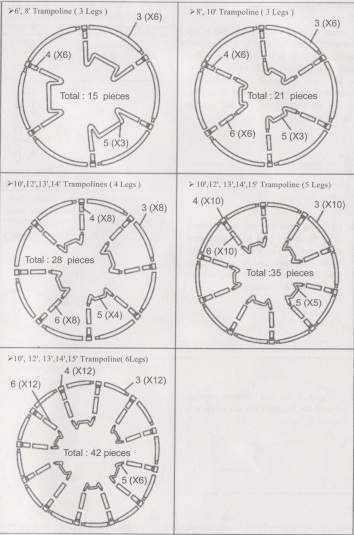
Trampolines come in many types, and each type affects how hard it is to put together. Knowing the differences helps you choose the right one for your skill and time. Some trampolines are simple to assemble, while others need more tools and patience. The design and parts also play a big role in assembly difficulty.
Understanding frame styles, spring systems, and safety features can prepare you for the build. Each part adds to the time and effort you need. Let’s explore these details to see what to expect.
Frame Styles And Their Impact
Frames can be round, rectangular, or oval. Round frames are often easier to assemble due to fewer straight parts. Rectangular frames need more precise alignment, which can take longer.
Heavier frames may require two people to lift and connect. Lighter frames might be simpler but less sturdy. The number of frame pieces also changes assembly time.
Spring Vs. Springless Models
Spring trampolines use metal springs to connect the mat to the frame. Attaching each spring takes time and strength. Using a spring tool helps but still needs effort.
Springless trampolines use flexible rods instead. This design can be faster to build because it has fewer small parts. It also feels safer but might cost more.
Enclosure Nets And Safety Features
Many trampolines include enclosure nets for safety. Installing the net poles and securing the mesh can be tricky and slow. Nets add extra steps to the setup process.
Some nets come pre-attached or have simple clips. Others require tightening straps and careful fitting. Safety pads over springs also need to be placed correctly for protection.
Essential Tools And Preparation
Assembling a trampoline needs some planning and the right tools. Proper preparation makes the process smoother and safer. Knowing what tools to have and where to set up helps avoid delays. This section covers the tools needed, choosing a spot, and how long assembly usually takes.
Required Tools Checklist
You need a few basic tools to put together a trampoline. Most kits include a spring tool and a wrench. A rubber mallet can help fit parts without damage. A screwdriver may be necessary for some models. Keep a tape measure handy to check distances. Having gloves protects your hands during assembly.
Choosing A Suitable Location
Pick a flat and open space for your trampoline. Avoid areas with rocks, trees, or uneven ground. Make sure there is plenty of clearance above and around. The spot should be away from fences and walls. Soft grass or dirt is best for safety and stability. Check local rules about trampoline placement in your yard.
Time Estimates For Assembly
Assembly time depends on trampoline size and your skill level. Small trampolines may take about 1 to 2 hours. Larger models often require 3 to 4 hours or more. Having a helper can speed up the process. Take breaks to avoid mistakes or injury. Read the instructions carefully before starting.
Step-by-step Assembly Process
Assembling a trampoline may seem tough. But breaking it into steps helps a lot. This guide shows the main parts of the process.
Follow each step carefully. Take your time. This way, the trampoline will be safe and ready to use.
Setting Up The Frame
Start by laying out all frame parts on flat ground. Check if you have all pieces before starting. Connect the frame pieces by fitting them into each other. Use the provided screws or pins to lock parts in place. Make sure the frame is stable and level before moving on.
Attaching Springs And Mat
Spread the jumping mat inside the frame. Attach one spring at a time, hooking it to the mat and frame. Use a spring tool if included, to stretch springs safely. Attach springs evenly around the trampoline. This keeps the mat tight and balanced.
Installing Safety Enclosure
Insert the enclosure poles into the frame’s designated slots. Secure poles firmly to avoid wobbling. Attach the net to the poles using clips or ties. Check the net for holes or loose parts. The enclosure keeps jumpers safe and prevents falls.
Common Challenges And Solutions
Building a trampoline can be tricky. Many face common challenges during assembly. Knowing these issues helps you prepare and fix them fast. This section covers frequent problems and easy solutions to keep your project smooth.
Dealing With Tight Springs
Springs hold the trampoline mat tightly. They can be hard to stretch and attach. Use a spring tool or pliers to pull them safely. Attach springs evenly on opposite sides. This balances the tension and makes fitting easier.
Aligning Frame Sections
Trampoline frames come in parts that must fit perfectly. Misaligned parts cause instability and extra work. Lay all pieces on the ground first. Check holes and connectors before joining. Tighten bolts step-by-step, not all at once, to keep parts aligned.
Managing Large Components
Frames and mats are big and heavy. Handling them alone can cause damage or injury. Ask for help from a friend or family member. Work in a clear, open space to move parts easily. Store small pieces in a container to avoid losing them.
Expert Tips For Easier Assembly
Assembling a trampoline can feel tricky, but some expert tips make it easier. These tips help reduce stress and save time. Follow these steps for a smoother build.
Working With A Team
Trampolines are heavy and have many parts. Having at least two people helps a lot. One person can hold pieces while the other fits them together. Teamwork speeds up the process and improves safety. Talk clearly and share tasks. This helps avoid mistakes and frustration.
Using Spring Pullers Safely
Spring pullers are tools to stretch trampoline springs. Use them carefully to avoid injuries. Always pull springs evenly on both sides. Keep your hands and face away from springs. Wear gloves to protect your hands. Take breaks if your hands get tired.
Double-checking Connections
Check every bolt, spring, and frame connection twice. Loose parts can cause accidents or damage. Use a flashlight to see small parts clearly. Tighten screws and bolts firmly but do not over-tighten. A second look helps catch errors early.

Maintenance After Assembly
After assembling a trampoline, maintenance is key to keep it safe and fun. Regular care helps the trampoline last longer. It also keeps it in good shape for jumping.
Regular Inspections
Check the trampoline often for any damage. Look at the springs, frame, and mat. Small tears or rust can cause bigger problems. Finding these early keeps the trampoline safe.
Tightening And Adjustments
Parts can loosen over time. Tighten bolts and screws regularly. Make sure the frame stays firm and stable. Adjust the springs if they feel loose or stretched.
Storage Tips For Longevity
Store the trampoline in a dry place during winter or bad weather. Cover it with a protective tarp if left outside. Remove the mat and springs if storing for a long time. Proper storage stops damage from sun and rain.

Frequently Asked Questions
How Long Does It Take To Assemble A Trampoline?
Assembling a trampoline typically takes 1 to 3 hours. Time varies by model complexity and your experience level. Following the instructions carefully speeds up the process. Having a second person helps with larger trampolines. Proper tools also make assembly easier and safer.
Do I Need Special Tools To Assemble A Trampoline?
Most trampolines come with basic tools like springs and a spring puller. However, having a screwdriver and wrench can help. Specialized tools are rarely needed. Always check the instruction manual for specific tool requirements before starting assembly.
Is Trampoline Assembly Difficult For Beginners?
Trampoline assembly can be moderately challenging for beginners. It requires following detailed instructions and careful handling of parts. Beginners should allow extra time and seek help if needed. Watching tutorial videos can also make the process easier and more manageable.
Can I Assemble A Trampoline Alone?
It is possible to assemble a trampoline alone but not recommended. A second person makes lifting and securing parts safer and faster. Trampolines have heavy and bulky components that require teamwork. For safety and efficiency, enlist help whenever possible.
Conclusion
Assembling a trampoline takes some effort but is doable. Clear instructions and patience help a lot. Having two people makes the job easier and safer. Small steps and checking parts prevent mistakes. Taking your time leads to a sturdy trampoline.
Enjoy the process and the fun afterward. Safety matters—always follow the guide closely. You can build a great trampoline with care. Ready to jump in?

