
Are you wondering if a trampoline is safe for your toddler? You want your little one to have fun and stay active, but safety is your top priority.
Trampolines can look like a great way to burn off energy, but they also come with risks that every parent should know about. You’ll discover what you need to consider before letting your toddler bounce, how to keep them safe, and whether a trampoline is truly a good choice for your family.
Keep reading to protect your child while still letting them enjoy playtime.
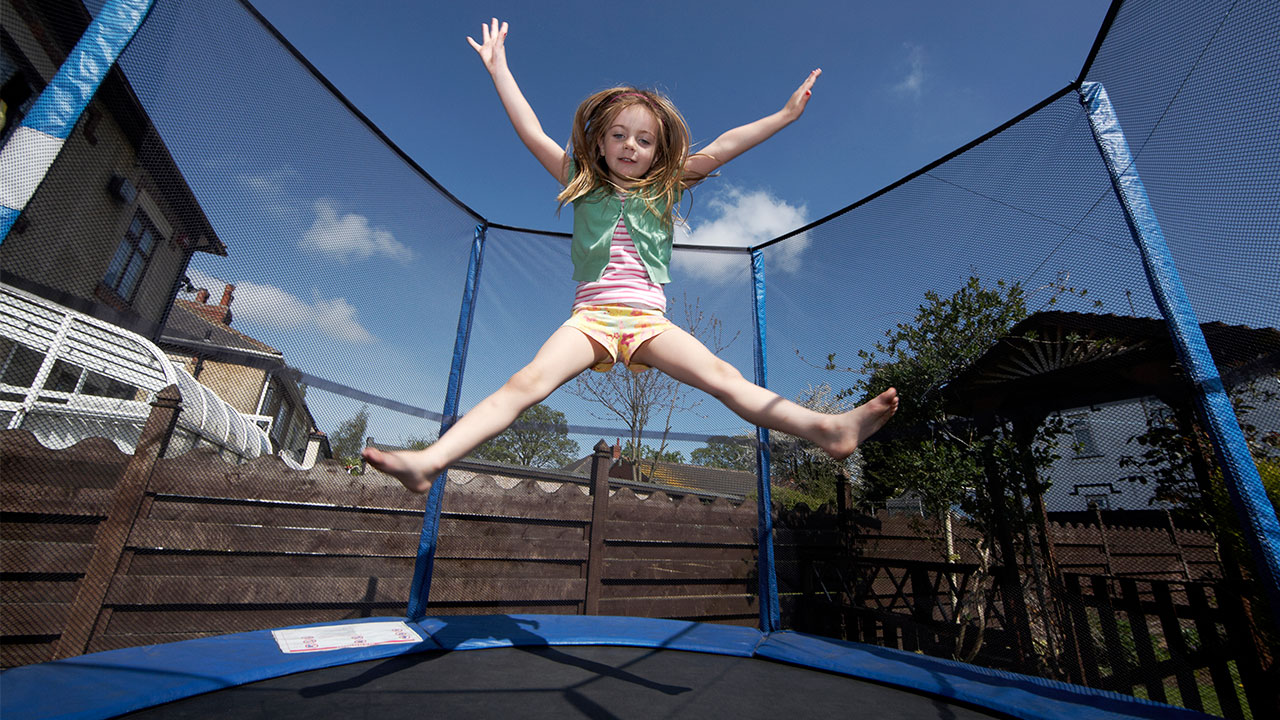
Risks Of Toddler Trampoline Use
Toddlers enjoy jumping and bouncing on trampolines. But these fun activities carry risks. Parents should understand the dangers before letting toddlers use trampolines. Safety matters most for young children.
Trampolines can cause injuries. The risks are higher for toddlers due to their small size and limited coordination. Knowing these risks helps parents make safer choices.
Common Injuries
Toddler trampoline use often leads to falls and collisions. Sprains and fractures are common injuries. Head and neck injuries can happen too. These injuries may need medical care and cause pain. Supervision can reduce injuries but not stop them all.
Age-related Concerns
Toddlers’ bones and muscles are fragile. Their balance is still developing. This makes jumping riskier than for older kids. Toddlers can easily lose control and fall. Experts usually recommend trampolines for children over six years. Using trampolines too early can lead to serious harm.

Choosing The Right Trampoline
Choosing the right trampoline is key for toddler safety. Toddlers need smaller, simpler trampolines. The right size and design reduce the risk of injury. Safety features add an extra layer of protection. Both size and safety features must be considered carefully.
Size And Design Factors
Choose a trampoline that fits your toddler’s age and size. Small trampolines with low height work best. A round shape helps keep toddlers in the center. Avoid large trampolines made for older kids. Look for models with soft padding around the edges. A low-to-the-ground design makes it easier to get on and off. These factors make jumping safer and more fun.
Safety Features To Look For
Safety nets are essential to prevent falls. Check for strong netting that fully encloses the trampoline. Padded frames protect toddlers from bumps. Springs should be covered or hidden to avoid pinching. Non-slip mats around the trampoline add safety. Look for sturdy, stable legs that keep the trampoline steady. These features help reduce accidents and injuries.
Supervision And Rules
Supervision and rules are key to keeping toddlers safe on trampolines. Toddlers need close watching to avoid accidents. Rules help them understand what is safe and what is not. Both work together to create a safe jumping space.
Effective Monitoring
Watch toddlers every second on the trampoline. Stay close and ready to help. Keep distractions away, like phones or books. Active watching stops falls and bumps before they happen. Always be alert and focused on the child.
Setting Clear Boundaries
Explain trampoline rules clearly and simply. Tell toddlers no rough play or flips. Only one child should jump at a time. Set limits on how long they can jump. Use simple words and repeat rules often. Boundaries keep toddlers safe and calm.
Safe Setup And Maintenance
Setting up and maintaining a trampoline safely is very important for toddlers. A safe trampoline reduces risks and keeps playtime fun. Proper setup and regular care help avoid accidents and injuries.
Proper Installation Tips
Choose a flat, soft area for the trampoline. Clear the space of rocks, sticks, and sharp objects. Assemble the trampoline according to the manufacturer’s instructions. Make sure all parts fit tightly and securely. Use a safety net to prevent falls. Anchor the trampoline to the ground with stakes or anchors. Check that the padding covers all springs and frame edges fully.
Regular Inspection And Repairs
Check the trampoline before every use. Look for tears in the mat or safety net. Inspect springs and frame for rust or damage. Replace worn or broken parts immediately. Tighten loose bolts or screws. Clean the trampoline regularly to avoid dirt buildup. Keep the trampoline dry to prevent slipping. Stop use if any damage appears until fixed.
Protective Gear For Toddlers
Protective gear plays a big role in keeping toddlers safe on trampolines. It reduces the risk of injuries and helps parents feel more confident. Toddlers are still learning balance and coordination. Proper gear offers extra support and protection during their jumps and falls.
Helmets And Padding
Helmets protect toddlers’ heads from bumps and falls. Choose a lightweight helmet that fits well and stays in place. Soft padding around the trampoline edges cushions any accidental hits. Use foam pads or safety nets designed for trampolines. These reduce hard impacts and make the trampoline safer.
Footwear Recommendations
Proper footwear helps toddlers keep their grip on the trampoline. Barefoot jumping is common but can cause slips. Soft, non-slip shoes or socks with grips work well. Avoid hard-soled shoes that can damage the trampoline surface or cause tripping. Footwear should be comfortable and flexible for easy movement.

Alternative Activities For Toddlers
Toddlers need safe and fun ways to play and learn. Alternative activities help them grow physically and mentally. These activities offer variety and keep toddlers active without the risks of trampolines.
Both indoor and outdoor options provide a great chance for toddlers to explore and enjoy their time. Parents can choose from many simple activities that fit their space and needs.
Indoor Play Options
Soft building blocks help toddlers develop motor skills. They stack and knock down blocks safely. Play mats with colorful patterns invite crawling and stretching. Simple puzzles improve hand-eye coordination. Reading picture books sparks imagination and language skills. Dancing to music encourages movement and balance. These activities keep toddlers busy and entertained indoors.
Outdoor Alternatives
Playing in a sandbox lets toddlers dig and build. Running on soft grass supports muscle strength. Riding small tricycles improves balance and coordination. Nature walks teach curiosity about the environment. Playing with balls boosts hand and foot control. Swings and slides at playgrounds offer gentle thrills. These outdoor games provide fresh air and healthy exercise.
Frequently Asked Questions
Are Trampolines Safe For Toddlers To Use?
Trampolines can be safe if toddlers are supervised and safety nets are used. Always follow age guidelines and avoid risky tricks.
What Safety Measures Protect Toddlers On Trampolines?
Use safety nets, padded edges, and constant adult supervision. Limit jumping time and ensure only one child jumps at once.
When Is The Right Age For Trampoline Use?
Most experts recommend waiting until toddlers are at least 6 years old. Younger children’s coordination and balance are not fully developed.
How Can I Prevent Injuries On Toddler Trampolines?
Install safety enclosures, keep the surface clear, and teach toddlers safe jumping habits. Regularly check equipment for damage or wear.
Conclusion
Trampolines can be fun but carry some risks for toddlers. Parents should watch children closely and set clear rules. Using safety nets and padding helps reduce injuries. Limit jumping time to keep toddlers safe and happy. Always choose trampolines designed for young kids.
Safety matters most to enjoy playtime without worry. Careful supervision makes trampoline time safer and more fun. Keep these tips in mind for peace of mind.

