
Have you ever wondered if your trampoline can brave the seasons and stay outside all year long? You want to keep it ready for fun whenever the mood strikes, but you also worry about damage from rain, snow, or harsh sun.
What if leaving it outside could actually save you time and effort, without risking its safety? You’ll discover the truth about outdoor trampolines and learn simple tips to protect your investment no matter the weather. Keep reading to find out how to make your trampoline last longer and enjoy endless bouncing fun!
Trampoline Materials And Weather Resistance
Trampoline materials play a big role in how well the trampoline handles all kinds of weather. Strong materials help the trampoline last outside for a long time. Weather resistance means the trampoline can stand up to rain, sun, wind, and snow without breaking down. Let’s explore the key parts of a trampoline that affect its weather resistance.
Frame Construction And Coatings
The frame must be made from strong metal, usually steel. Steel frames give solid support and hold the trampoline shape. A special coating, like powder coating, covers the metal. This coating stops rust and protects the frame from water and sun damage. Without this coating, the metal can rust fast. Frames with thicker coatings last longer outdoors.
Jumping Mat Fabric
The jumping mat needs to be made from tough, weather-resistant fabric. Polypropylene is a common choice for mats. It resists UV rays and dries quickly after rain. A good mat does not fade or tear easily. This fabric also resists mold and mildew, which can grow in wet conditions. Strong stitching adds to the mat’s durability.
Spring Quality And Rust Protection
Springs give the bounce, so they must be strong and rustproof. Galvanized steel springs resist corrosion from rain and snow. Rusty springs can break or lose their bounce. Springs with rust protection last longer outside. Check that springs are covered or coated to keep them safe from weather.
Weatherproof Safety Pads
Safety pads cover the springs and frame edges. They protect jumpers from injury and keep parts dry. These pads should be made with waterproof material. Thick foam inside helps absorb shocks. The outer cover must resist UV rays and not crack in cold weather. Good pads stay soft and safe, even after many seasons outside.

Seasonal Weather Challenges
Trampolines left outside face many weather challenges during the year. Each season brings different risks that affect their safety and lifespan. Understanding these challenges helps you keep your trampoline in good shape longer.
Effects Of Rain And Humidity
Rain can cause rust on metal parts of a trampoline. Water also weakens the trampoline’s fabric and springs over time. High humidity makes moisture stay longer, increasing the chance of mold and mildew. Regular drying and covering can reduce damage from rain and humidity.
Impact Of Snow And Ice
Snow adds heavy weight that can bend or break the frame. Ice makes surfaces slippery and dangerous. Freezing temperatures can make the trampoline material stiff and brittle. Removing snow and ice quickly protects the trampoline’s structure and safety.
Sun Exposure And Uv Damage
Sunlight causes fading and weakening of the trampoline mat. UV rays break down the material fibers, making them tear more easily. Prolonged sun exposure also harms the trampoline’s padding. Using a UV cover or shade helps protect against sun damage.
Wind And Storm Considerations
Strong winds can lift and move a trampoline, causing damage or injury. Storms bring debris that can puncture the trampoline surface. Securing the trampoline with anchors or weights prevents it from blowing away. Checking after storms ensures it stays safe and intact.
Maintenance Tips For Year-round Use
Keeping a trampoline outside all year needs regular care. Good maintenance helps it last longer and stay safe. Follow simple steps to protect your trampoline from weather and wear.
Regular Cleaning And Inspection
Clean the trampoline surface often. Remove leaves, dirt, and debris. Check for tears or holes in the mat. Look over the frame for rust or cracks. Early checks stop small problems from growing.
Protective Covers And Storage Options
Use a cover to shield the trampoline from rain and sun. Choose a waterproof and UV-resistant cover for best protection. In harsh weather, store smaller trampolines indoors. For big trampolines, remove the cover and dry the mat before covering.
Lubricating Springs And Joints
Keep springs and joints moving smoothly. Apply lubricant to reduce noise and stop rust. Use a silicone-based spray for best results. Avoid over-lubricating to prevent dirt buildup.
Replacing Worn Or Damaged Parts
Check for worn springs, torn mats, or bent frames. Replace parts right away to keep the trampoline safe. Use parts made for your trampoline model. Regular replacement improves performance and safety.
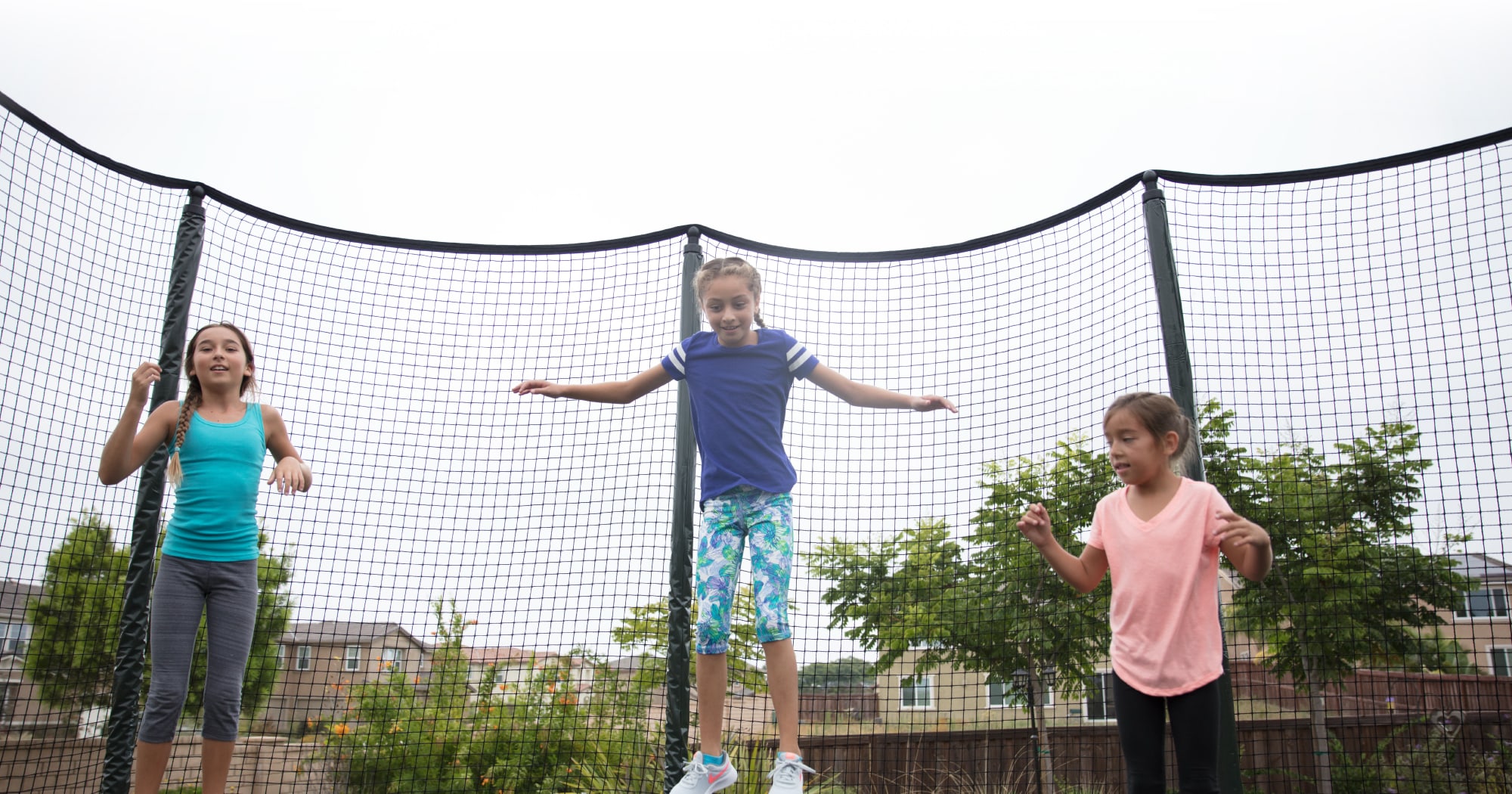
Choosing The Right Trampoline For Outdoor Use
Choosing the right trampoline for outdoor use matters a lot. It affects safety, fun, and how long the trampoline lasts. Outdoor trampolines face weather changes, sun, rain, and wind. Picking a model built for these conditions helps protect your investment. Look for strong materials and smart features.
Consider size and design to fit your space and family needs. Stability features keep the trampoline secure during use. Some brands focus on durability and offer good warranties. These details help you find a trampoline that stays safe outside all year.
Durability Ratings And Warranties
Check the durability rating of the trampoline. It shows how well the trampoline handles weather and use. Look for rust-resistant frames and UV-proof jumping mats. A good warranty covers parts and damage over time. Longer warranties often mean better quality.
Size And Design Factors
Choose a size that fits your yard and the number of users. Larger trampolines offer more jumping space but need more room. Round trampolines give even bounce, while rectangular ones suit serious jumpers. Safety pads and mesh enclosures add protection.
Anchoring And Stability Features
Anchors keep the trampoline from tipping or moving in wind. Look for models with built-in anchor points or ground stakes. Some trampolines have weight bags or sandbags for extra hold. A stable trampoline means safer jumping and less risk of accidents.
Brands Known For Outdoor Durability
Certain brands focus on outdoor use and quality materials. These brands use strong frames and weather-resistant fabrics. Reading reviews helps find reliable options that last. Trusted brands often offer good customer support and clear warranties.
Safety Practices For Outdoor Trampolines
Keeping a trampoline outside all year needs strong safety habits. Weather and daily use can cause wear and risks. Safe practices help protect users and extend trampoline life. Follow these key tips for safety and fun.
Proper Installation Techniques
Place the trampoline on flat, level ground. Avoid hard surfaces like concrete or asphalt. Use ground anchors or stakes to fix it firmly. Check the frame and springs for tightness. Clear the area of rocks, sticks, and debris. Install safety nets or pads to prevent falls.
Securing Against Strong Winds
Strong winds can move or damage trampolines. Use heavy-duty anchors to hold it down. Remove the trampoline cover during storms. Consider disassembling the trampoline in very windy seasons. Store loose parts safely to avoid loss or damage.
Supervision And Usage Guidelines
Always watch children using the trampoline. Limit the number of jumpers to one at a time. Set clear rules like no flips or rough play. Ensure users remove shoes and sharp objects. Teach safe landing and jumping techniques to prevent injuries.
Seasonal Safety Adjustments
Check the trampoline regularly for rust or damage. Clear snow and ice to avoid slippery surfaces. Tighten loose bolts and replace worn parts. Cover the trampoline in winter to protect from weather. Adjust safety nets and pads for any seasonal wear.

Frequently Asked Questions
Can Trampolines Withstand Harsh Winter Weather?
Trampolines can survive winter with proper care. Use a weather-resistant cover and clear snow regularly. This prevents rust and damage to the frame and mat, extending the trampoline’s life.
Should I Cover My Trampoline When Not In Use?
Yes, covering your trampoline protects it from rain, UV rays, and debris. A good cover prevents material wear and prolongs the trampoline’s durability.
How Often Should Trampoline Springs Be Checked Outdoors?
Check trampoline springs every 3-6 months for rust or wear. Replace damaged springs promptly to maintain safety and bounce quality.
Is It Safe To Keep Trampolines Outside During Rain?
Trampolines can stay outside in rain if properly covered. Wet mats can become slippery and damage the frame without protection.
Conclusion
Trampolines can stay outside all year with the right care. Cover it during rain and snow to protect the mat. Check the frame for rust or damage often. Keep the springs clean and replace worn parts quickly. Moving the trampoline to a shaded area helps prevent sun damage.
A little effort extends its life and keeps it safe. Enjoy jumping safely no matter the season. Simple steps make a big difference in trampoline care.

