
Are you thinking about getting a trampoline but can’t decide between springless and spring models? Choosing the right trampoline can make all the difference in your fun and safety.
You want something that’s not only enjoyable but also durable and safe for everyone who uses it. What if the trampoline you pick could give you a smoother bounce, less noise, and a safer experience? Keep reading, because we’re breaking down the key differences between springless and spring trampolines.
By the end, you’ll know exactly which one fits your needs and why it might be the best choice for your backyard.
Springless Vs Spring Trampolines
Choosing between springless and spring trampolines can be tricky. Both types offer fun and fitness but have clear differences. Understanding these differences helps pick the right trampoline for your needs.
Springless trampolines are newer on the market. They aim to improve safety and comfort. Spring trampolines remain popular due to their classic design and bounce. Comparing their features sheds light on which suits your backyard best.
Key Differences
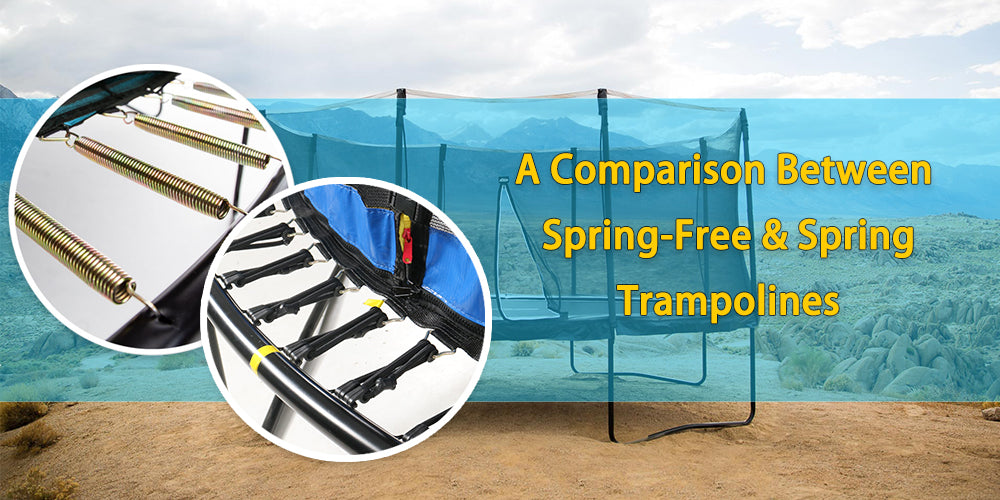
Spring trampolines use metal springs to connect the jumping mat to the frame. These springs create a strong bounce but can pinch skin or catch hair. Springless trampolines use flexible rods instead of springs. This design reduces pinch points and offers a gentler bounce.
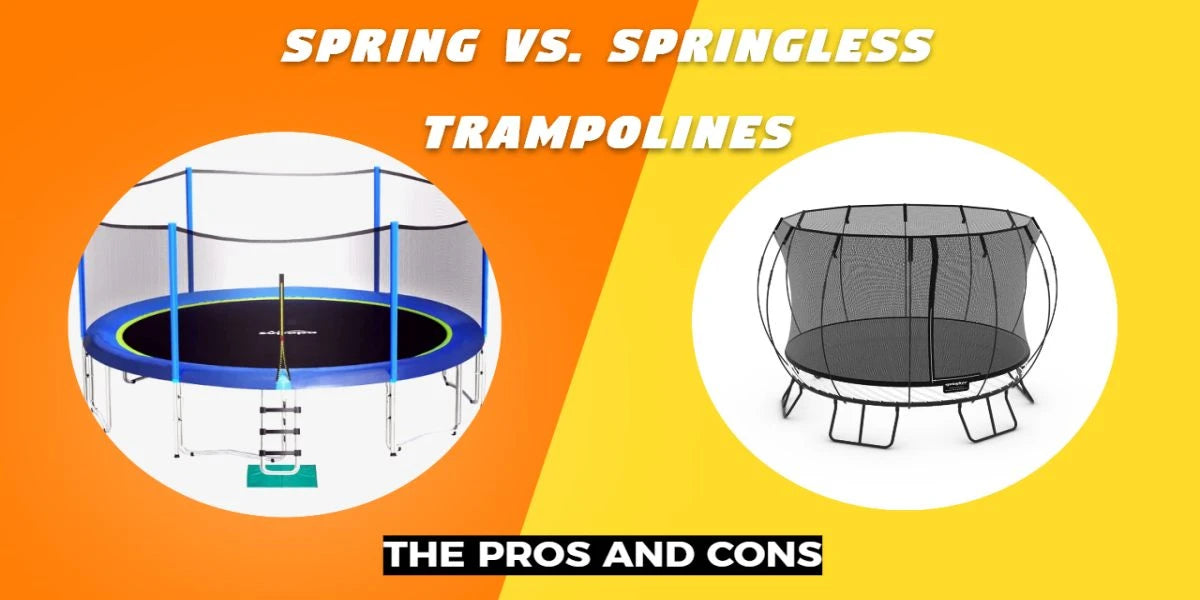
Spring trampolines usually have a round shape. Springless models often come in oval or rectangular shapes. This affects the jumping area and the trampoline’s overall size.
Design And Structure
Spring trampolines have a metal frame with springs around the edge. The springs stretch and compress during use. The frame sits on legs that lift the trampoline off the ground. This design is easy to assemble and repair.
Springless trampolines use curved rods placed under the jumping surface. These rods absorb impact and reduce noise. The frame is often lower to the ground, making it easier to get on and off. This design focuses on safety and stability.
Performance Comparison
Performance is a key factor when choosing between springless and spring trampolines. It affects safety, fun, and long-term use. Understanding how each type performs helps you make a smart choice.
Let’s compare their bounce quality and durability to see which one fits your needs better.
Bounce Quality
Spring trampolines offer a lively, strong bounce. The metal springs stretch and snap back quickly. This creates a classic, high-flying jump. Many users enjoy the fast, powerful bounce.
Springless trampolines use flexible rods under the mat. The bounce is softer and more even. It feels smoother and less jerky. This can be safer for beginners or young children.
Both types provide good bounce but in different ways. Spring trampolines feel more dynamic. Springless ones offer gentler, controlled jumps.
Durability And Maintenance
Spring trampolines need regular care. Springs can rust or lose tension over time. This reduces bounce quality and safety. Springs also require occasional replacement.
Springless trampolines have fewer moving parts. The rods are usually made from weather-resistant materials. They last longer with less maintenance. The frame and mat still need cleaning and checks.
Overall, springless trampolines tend to be more durable and easier to maintain. They suit families wanting low upkeep and long-lasting use.
Safety Considerations
Safety is a key factor when choosing a trampoline. Both springless and spring trampolines have risks and protections. Knowing these helps you pick the safer option for fun and play.
Injury Risks
Spring trampolines have metal springs around the edges. These springs can pinch fingers or skin. Falling on springs can cause bruises or cuts. The hard frame also poses a danger if hit.
Springless trampolines use flexible rods instead of springs. This design lowers the chance of pinching or cuts. The edges are softer, reducing injury risks. However, falling on the frame can still hurt.
Protective Features
Spring trampolines often include padding over springs and frames. Safety nets help stop falls off the trampoline. These features reduce injuries but need regular checks.
Springless trampolines usually have built-in padding around the edges. Many come with safety nets as well. The lack of springs means fewer hard parts to avoid. This can make springless trampolines safer overall.

Space And Installation
Space and installation are key factors when choosing between springless and spring trampolines. The size needed and ease of setup can affect your decision. Understanding these points helps you pick the best option for your yard.
Size Requirements
Springless trampolines often have a smaller frame. They use fewer parts, which reduces the overall size. This makes them ideal for smaller yards or tight spaces.
Spring trampolines usually need more room. Their springs and frame extend beyond the jumping mat. This requires extra clearance around the trampoline for safety.
Setup Process
Springless trampolines are simpler to set up. They have fewer components and no springs to attach. This can save time and effort during installation.
Spring trampolines take longer to assemble. Each spring must be hooked carefully to the frame. This process can be tricky and needs some strength.
Cost And Value
Cost and value are key factors when choosing a trampoline. People want to find a trampoline that fits their budget but also lasts long. Understanding price differences and long-term investment helps make a smart choice. Both springless and spring trampolines have their own benefits and costs.
Price Differences
Spring trampolines usually cost less at the start. They use metal springs, which are cheaper to make. Springless trampolines have special rods or bands instead of springs. These parts make the trampoline safer but cost more. This raises the overall price of springless trampolines.
Prices vary by size and brand. Small trampolines cost less, large ones cost more. Spring trampolines can start from a low price point. Springless trampolines often begin at a higher price. This can surprise some buyers at first.
Long-term Investment
Spring trampolines may need spring replacements after a few years. Springs can rust or break, adding extra costs. The trampoline mat might wear out faster because of spring tension. Repairs can add up over time.
Springless trampolines tend to last longer without many repairs. The rods or bands are strong and weather-resistant. This lowers the need for replacement parts. It saves money on maintenance in the long run.
Choosing a trampoline is about balancing upfront cost and future savings. Spending more now may mean fewer repairs later. This makes springless trampolines a good value for long-term use.
User Experience
User experience plays a big role in choosing between springless and spring trampolines. It affects how safe and fun the trampoline feels. Comfort, bounce, and ease of use all matter. Families want a trampoline that fits their needs and keeps everyone happy. Below, we explore what users say and how trampolines suit different ages.
User Feedback
Many users praise springless trampolines for their safety. The lack of springs means fewer pinches and cuts. Users find the bounce softer and smoother. Some say spring trampolines offer a higher bounce but can hurt if touched. People appreciate the quieter experience of springless models. Others like spring trampolines for their classic feel and strong bounce. Overall, feedback shows a mix of preferences based on what users value most.
Suitability For Different Ages
Springless trampolines suit younger children well. They reduce the chance of injuries from springs. Parents feel more comfortable letting toddlers play. Older kids enjoy spring trampolines for their lively bounce. Teens and adults often prefer the stronger rebound. Both types can fit various ages, but safety and bounce style guide the choice. Picking the right trampoline depends on who will use it most.
Choosing The Right Trampoline
Choosing the right trampoline can be tricky. There are many types and features to consider. Picking the best trampoline depends on your needs and preferences. Some prefer springless models, while others like spring trampolines. Understanding the differences helps you make a smart choice.
Consider Your Needs
Think about who will use the trampoline. Is it for kids or adults? Safety is a big factor. Springless trampolines often offer better safety by reducing pinch points. Space also matters. Measure your yard to see what fits best. Consider how much bounce you want. Spring trampolines usually give a higher bounce. Maintenance is another point. Springless models need less upkeep over time.
Top Brands And Models
Some brands stand out for quality and safety. Look for brands with good reviews and warranties. Popular springless trampolines include models from brands like Springfree. For spring trampolines, Skywalker and Zupapa are common choices. Each brand offers different sizes and shapes. Check the materials and frame strength. A sturdy frame means longer use and better safety. Pick a model that matches your budget and needs.
Frequently Asked Questions
What Are The Main Differences Between Springless And Spring Trampolines?
Springless trampolines use flexible rods instead of metal springs, offering quieter and safer bouncing. Spring trampolines rely on metal springs, which provide a traditional bounce but can be noisier and pose pinch risks.
Are Springless Trampolines Safer For Kids?
Yes, springless trampolines reduce pinch and injury risks due to the absence of metal springs. Their design minimizes gaps where fingers or toes can get caught, making them safer for children.
Do Springless Trampolines Offer Better Bounce Quality?
Springless trampolines provide a smoother and more controlled bounce with flexible rods. However, spring trampolines often deliver a higher, more traditional bounce that some users may prefer.
Which Trampoline Type Is More Durable, Springless Or Spring?
Springless trampolines tend to be more durable as rods resist rust and wear better than metal springs. Springs can degrade over time, requiring occasional replacement for optimal performance.
Conclusion
Springless trampolines offer a quieter and safer jumping experience. They reduce pinch points and require less maintenance. Spring trampolines provide a classic bounce and often cost less. Choosing depends on your needs and budget. Think about safety, noise, and space before deciding.
Both types can bring fun and exercise. Consider what matters most for your family. Enjoy jumping, whichever trampoline you pick!

