
Dip stations are a common sight in gyms and many home workout spaces. They look simple: two parallel bars, usually made of metal, sometimes with padding. But are dip stations worth buying? Many people wonder if this piece of equipment really helps build muscle, if it is safe, or if it will end up gathering dust in the corner. Let’s take a deep dive into dip stations, their value, and whether they fit your fitness goals. If you are thinking about adding one to your routine, this guide will help you decide.
What Is A Dip Station?
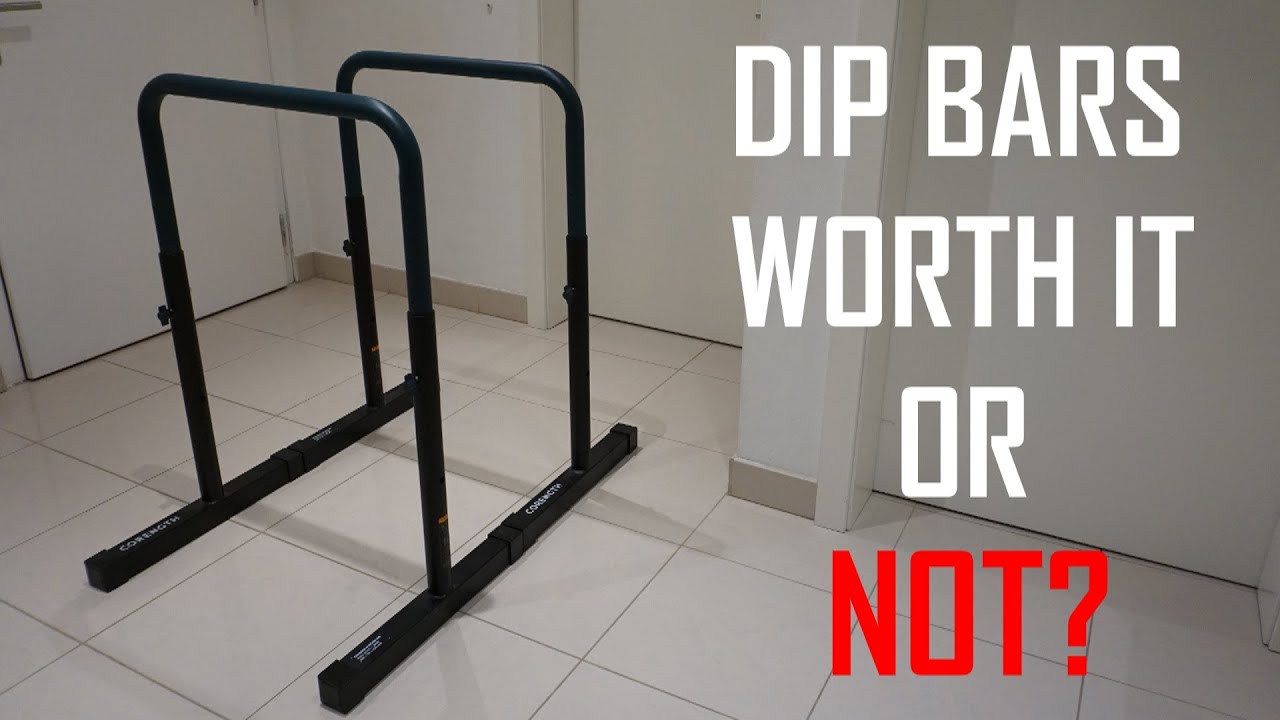
A dip station is a piece of exercise equipment made for bodyweight exercises, especially dips. Dips are an upper body movement where you use your arms to lower and lift your body between two parallel bars. Most dip stations are made from steel or iron for stability. Some models have padded grips or even adjustable heights.
You can find dip stations in commercial gyms, but there are also versions made for home use. Some are simple and compact, while others are larger and include attachments for more exercises.
What Muscles Do Dip Stations Work?
Dip stations target several upper body muscles at once. This makes them very efficient for building strength and muscle. Here are the main muscles involved:
- Triceps – These are the main muscles worked during dips.
- Chest (Pectorals) – Leaning forward during dips puts more focus on the chest.
- Shoulders (Deltoids) – Help stabilize and lift your body.
- Back (Rhomboids and Lats) – Provide support and stability.
- Core (Abdominals) – Engaged to keep your body steady.
Because dips are a compound exercise, you use many muscles together. This burns more calories and helps build balanced strength.
Key Benefits Of Owning A Dip Station
If you’re considering a dip station, it’s important to understand the real benefits. Here’s what you gain with regular use:
1. Upper Body Strength
Dip stations are one of the best tools for building triceps and chest strength. Bodyweight dips are challenging even for experienced athletes. Over time, regular use can lead to bigger, stronger arms and chest.
2. Versatility
Dip stations are not just for dips. With a little creativity, you can do:
- Leg raises for abs
- L-sits for core and hip flexors
- Assisted push-ups
- Rows (with certain models)
- Incline push-ups
This versatility means you can work multiple muscle groups and vary your workouts.
3. Compact And Space-saving
Most dip stations are compact compared to other gym equipment. Many home models are small enough to fit in a corner or closet. Some are even foldable.
4. Great For Progressive Training
You can make dips harder or easier:
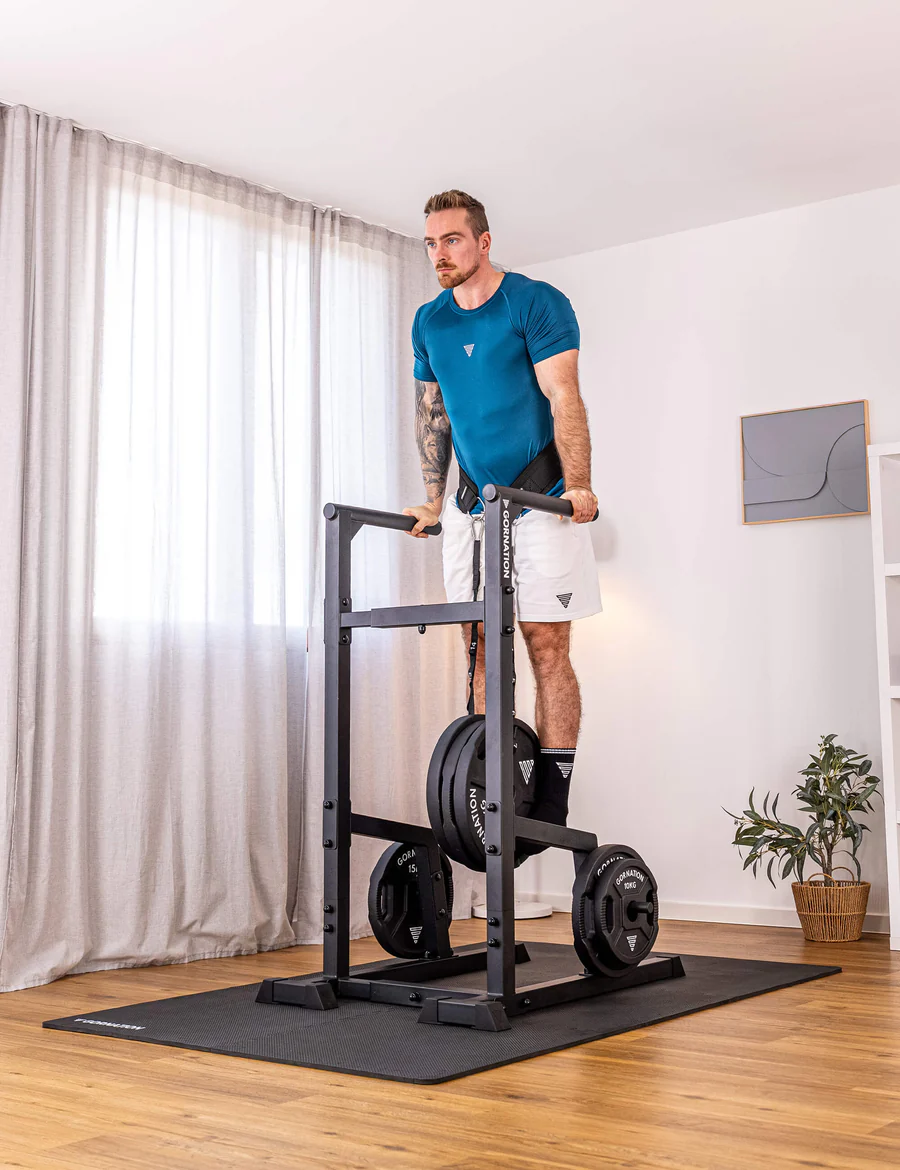
- Add a weight belt to increase resistance
- Use resistance bands for assistance
- Change grip width or angle
This makes a dip station useful for both beginners and advanced users.
5. Low Maintenance
Unlike machines with moving parts, a dip station is simple. There are few things to break, and maintenance is easy—just check bolts and clean occasionally.
6. Safe For Solo Training
With proper technique, dips are safe to do alone. You don’t need a spotter, unlike heavy barbell presses.
7. Affordable Compared To Other Equipment
Dip stations are often less expensive than big machines or a full weight set. This is a good option if you want strength training on a budget.
8. Helps With Functional Strength
Dips build strength that helps with real-life tasks, like pushing, lifting, or climbing.
Drawbacks And Limitations
Dip stations are great, but they are not perfect for everyone. Here are some things to consider before buying:
1. Not Beginner-friendly For Everyone
Dips require a good amount of strength. Many beginners find dips too hard at first, especially if they have weak triceps or shoulders. This can be discouraging.
2. Potential Shoulder Strain
Dips put stress on the shoulder joints. If you have previous shoulder injuries or poor mobility, dips can lead to pain or injury.
3. Limited Lower Body Use
A dip station mainly works the upper body and core. If you want to train your legs, you’ll need other equipment.
4. Quality Varies
Cheap dip stations may wobble or tip over. Stability is very important for safety.
5. Can Take Up Space
Even though they are smaller than some machines, dip stations still need space. In small apartments, even a compact station can feel bulky.
6. Monotony
Some users find dips repetitive after a while. If you need lots of variety, you might get bored.
Types Of Dip Stations
Dip stations come in different shapes and sizes. Choosing the right type depends on your space, goals, and budget. Here’s a comparison of the most common styles:
| Type | Features | Pros | Cons |
|---|---|---|---|
| Standalone | Two bars, fixed or adjustable height, stable base | Very stable, easy to use | Can be bulky |
| Wall-Mounted | Bolted to wall, foldable arms sometimes | Saves floor space, strong | Permanent install needed |
| Power Tower | Includes pull-up bar, push-up handles, sometimes leg raise pads | Very versatile, multi-use | Large, expensive |
| Portable/Leverage | Small, light, easy to store | Good for small spaces, travel | Less stable, weight limit |
How Much Do Dip Stations Cost?
Prices for dip stations can vary a lot based on type, material, and brand. Here’s a breakdown of typical prices:
| Type | Price Range (USD) |
|---|---|
| Portable Dip Bars | $40 – $100 |
| Standalone Dip Stations | $80 – $200 |
| Wall-Mounted Dip Bars | $60 – $150 |
| Power Towers | $150 – $400+ |
Brand names, weight capacity, and extra features (like padding or attachments) can increase the price. For most home users, a solid standalone station or a wall-mounted model offers the best value.

Who Should Buy A Dip Station?
A dip station is a good investment for certain people, but not everyone needs one. Here’s who benefits most:
- Calisthenics enthusiasts – Dips are a key move in bodyweight training.
- People focused on upper body strength – Especially those who want to target triceps and chest.
- Anyone with limited space – Many dip stations are compact.
- Those who dislike crowded gyms – Home dip stations allow private workouts.
But if you are a complete beginner with very little upper body strength, or you have ongoing shoulder problems, a dip station might not be the best first purchase. You may want to build up strength with push-ups or resistance bands first.
How To Choose The Right Dip Station
There are a few important things to look for when buying a dip station. Here’s what matters most:
1. Stability
A good dip station should not wobble or tip over. Look for a wide base or a wall-mount design for safety.
2. Weight Capacity
Check the maximum user weight. A strong station should support at least 250–300 lbs (113–136 kg).
3. Grip Comfort
Padded or textured grips are easier on the hands. This matters if you do many reps.
4. Adjustability
Some stations let you adjust the height or width. This is helpful for different body types or shared use.
5. Space And Size
Measure your workout area before buying. Make sure the dip station will fit comfortably.
6. Extra Features
Some models offer attachments for push-ups, pull-ups, or leg raises. Decide if you need these.
7. Build Quality
Steel frames and strong welds are signs of durability. Avoid stations with thin tubing or poor construction.
8. Price And Warranty
Balance your budget and look for a warranty. A good warranty shows the manufacturer stands behind their product.
What Exercises Can You Do With A Dip Station?
Dip stations allow for more than just dips. Here are some effective exercises:
- Triceps Dips – The classic move for arms and chest.
- Chest Dips – Lean forward to shift focus to chest.
- L-Sit – Hold your legs straight in front to work core and hip flexors.
- Leg Raises – Hang from the bars and lift your knees or legs.
- Incline Push-Ups – Use the bars for an easier push-up angle.
- Bodyweight Rows – Some stations allow inverted rows for back.
- Assisted Dips – Use a resistance band for help.
- Straight Bar Dips – If your station allows, use a single bar for a different challenge.
Mixing these moves prevents boredom and helps you train different muscles.
Are Dip Stations Effective Compared To Other Equipment?
It’s useful to compare dip stations to other common home gym gear. Here’s how they stack up:
| Equipment | Main Uses | Space Needed | Price Range | Beginner Friendly |
|---|---|---|---|---|
| Dip Station | Upper body, core | Small to medium | $40–$400 | Moderate |
| Pull-Up Bar | Back, arms | Very small | $20–$80 | Hard |
| Adjustable Dumbbells | Full body | Small | $80–$300 | Easy |
| Bench Press | Chest, triceps | Large | $150–$600+ | Moderate |
| Resistance Bands | Full body | Very small | $10–$50 | Very easy |
Dip stations offer a unique mix: they are more challenging than resistance bands, more affordable than a full bench setup, and more versatile than a pull-up bar alone.
Common Mistakes When Using A Dip Station
To get the most from a dip station, avoid these typical errors:
- Shoulder Flaring – Keep elbows close to your body to protect the shoulders.
- Partial Range of Motion – Lower yourself until your upper arms are parallel to the floor for best results.
- Rushing Reps – Slow, controlled movement builds more muscle and reduces injury risk.
- Ignoring Core Engagement – Keep your abs tight to avoid swinging.
- Using Poor Equipment – Unstable stations increase injury risk.
Practical Tips For Getting The Most From Your Dip Station
- Warm up your shoulders and arms before using the dip station.
- Start with assisted dips or negative dips if you cannot do a full rep.
- Mix in different exercises to prevent plateaus and boredom.
- Track your progress by counting reps or adding weight.
- Clean the grips regularly for hygiene and better grip.
Non-obvious Insights: What Beginners Often Miss
1. Grip Width Matters
The width of the bars affects which muscles are worked. Narrow grip targets triceps more, wide grip focuses on chest. If your dip station is adjustable, try different grips for balanced growth.
2. Progression Is Key
Many beginners stick with the same number of reps for months. To grow, you should increase difficulty over time. Add reps, sets, or extra weight as you get stronger. This is how you see real results with a dip station.
3. Shoulder Mobility And Warm-up
Dips can strain stiff shoulders. Spend time on shoulder mobility exercises and always warm up before dipping, especially if you work at a desk or have poor posture.
Are Dip Stations Worth The Money?
For many people, dip stations are a smart investment. They are affordable, versatile, and provide a powerful upper body workout. If you use them regularly, you will see gains in strength and muscle. But the value depends on your fitness level, space, and commitment.
If you are just starting out and cannot do a single dip, consider starting with easier exercises and then upgrading to a dip station as you progress.
Remember, even a great dip station is only useful if you use it consistently. If you are motivated, want to build upper body strength, and have a safe space, a dip station can be one of the best buys for your home gym.
For more information about exercise equipment and bodyweight training, you can check Wikipedia for a deeper dive.
Frequently Asked Questions
How Many Dips Should I Do As A Beginner?
Start with 2–3 sets of as many reps as you can with good form. Even if you can only do 1–2 dips, that’s fine. Use assistance (like resistance bands or feet on the ground) to help. Focus on quality, not quantity, and build up gradually.
Can I Use A Dip Station Every Day?
It’s best to give your muscles time to rest. Use the dip station 2–3 times per week for strength gains. Daily use may lead to overtraining or joint pain, especially if you are new to dips.
Are Dip Stations Safe For Shoulders?
Dips can be hard on the shoulders, especially if you go too deep or use poor form. Always warm up, keep elbows close, and don’t lower yourself too far. If you have shoulder problems, ask a trainer or doctor before starting dips.
Is A Dip Station Better Than Push-ups?
Dip stations allow for deeper range of motion and can build muscle faster, especially for triceps and lower chest. Push-ups are more beginner-friendly and work the whole upper body. Both are effective, and using both is best for balanced strength.
How Much Space Do I Need For A Dip Station?
Most dip stations need about 3×4 feet (1×1. 2 meters) of clear space. Make sure you have room to move around and perform the exercise safely. Measure your area before buying to avoid surprises.
Dip stations, when chosen wisely and used correctly, can bring strong results and variety to your workouts. If your goals include upper body strength and you have the motivation, they are often well worth the investment.

