
Smartwatches have become a daily companion for millions of people. These devices promise to track your health, fitness, and daily activity. One of their most popular features is heart rate measurement. People use smartwatches to monitor their pulse during workouts, track stress, and even check for irregularities. But how reliable are these heart rate readings? Can you trust them for important health decisions? Let’s dive deep into how smartwatches measure heart rate, what affects their accuracy, and how their readings compare to medical devices.
How Do Smartwatches Measure Heart Rate?
Most smartwatches use a technology called photoplethysmography (PPG) to measure heart rate. PPG works by shining a light—usually green LED—onto your skin. The sensor reads how much light is reflected back. Since blood absorbs light, changes in reflection help the watch track the rhythm of blood flow.
Some premium devices, like the Apple Watch and Garmin models, also use electrocardiogram (ECG) sensors. ECG measures the electrical signals from your heart. This method is closer to what hospitals use, but it is available only in higher-end smartwatches.
Comparing Smartwatches And Medical Devices
Let’s look at how smartwatches compare to medical-grade heart rate monitors.
| Device Type | Measurement Method | Accuracy | Use Case |
|---|---|---|---|
| Smartwatch | PPG (Light-based) | Good for daily use; not for diagnosis | Fitness, daily health tracking |
| Chest Strap Monitor | ECG (Electrical) | High; used in research | Sports, medical monitoring |
| Hospital ECG | 12-lead ECG | Very high; gold standard | Medical diagnosis |
Smartwatches are convenient and portable. However, they may not always match the accuracy of chest strap monitors or hospital ECGs, especially during intense activity or in people with certain medical conditions.
Real-world Accuracy: What Studies Show
Many scientific studies have compared smartwatches with medical devices. The results are mixed but helpful.
- A 2020 study in the Journal of Medical Internet Research found that the Apple Watch Series 4 was accurate within ±2 beats per minute compared to ECG in resting conditions.
- During exercise, accuracy dropped. The same study showed errors up to ±10 beats per minute when running or cycling.
- The Fitbit Charge 3 showed similar results: Accurate at rest, less reliable during activity.
- Devices like Garmin Fenix and Samsung Galaxy Watch performed well for walking, but struggled during high-intensity workouts.
Most smartwatches are reliable for resting heart rate and light activity. For high-intensity workouts or medical needs, chest straps or hospital-grade devices are better.
Factors That Affect Smartwatch Heart Rate Accuracy
Several things can influence how well your smartwatch measures heart rate.
- Skin Tone: Darker skin absorbs more light, which can affect PPG sensors. Recent models have improved, but some watches are still less accurate for darker skin tones.
- Wrist Movement: Fast or jerky movements confuse the sensor, especially during sports.
- Fit and Placement: If the watch is loose or not placed properly, readings can be off.
- Sweat and Moisture: Water or sweat can interfere with the sensor.
- Tattoos: Ink blocks light, making readings less reliable.
- Hair: Thick wrist hair can disrupt sensor signals.
Let’s compare the effect of these factors:
| Factor | Impact | Mitigation |
|---|---|---|
| Skin Tone | Moderate | Choose devices with improved sensors |
| Wrist Movement | High | Keep wrist steady during readings |
| Fit/Placement | High | Wear snugly, above wrist bone |
| Sweat/Moisture | Low to Moderate | Dry wrist before measuring |
| Tattoos | High | Use alternate wrist or chest strap |
| Hair | Low | Trim if needed |
Popular Smartwatch Models And Their Heart Rate Accuracy
Different brands and models offer varying levels of accuracy. Here’s a look at popular smartwatches:
Apple Watch Series
The Apple Watch is known for its reliable sensors and has been tested in many clinical studies. Series 4 and later offer ECG features. At rest, the error rate is low (±2 bpm). During exercise, accuracy drops but remains better than most competitors.
Fitbit Devices
Fitbit uses PPG sensors for heart rate. Models like Fitbit Charge 4 and Fitbit Sense are accurate for daily monitoring. For intense exercise, they may lag or misread rapid changes.
Garmin Watches
Garmin watches are popular among athletes. Their PPG sensors are tuned for activity. Still, chest strap monitors from Garmin are much more accurate for workouts.
Samsung Galaxy Watch
Samsung Galaxy Watch offers heart rate monitoring and some models have ECG features. Their accuracy is similar to Fitbit and Apple Watch. They are reliable for everyday use, but not for diagnosis.
Huawei And Other Brands
Huawei, Amazfit, and other brands also provide heart rate tracking. Independent tests show their accuracy is similar to Fitbit and Samsung, but they may not perform as well during intense activity.
Here is a quick comparison:
| Brand/Model | Resting Accuracy | Exercise Accuracy | ECG Available? |
|---|---|---|---|
| Apple Watch Series 6 | High | Moderate | Yes |
| Fitbit Charge 4 | High | Low to Moderate | No |
| Garmin Fenix 6 | High | Moderate | No |
| Samsung Galaxy Watch 4 | High | Moderate | Yes |
| Huawei Watch GT | Moderate | Low | No |
Smartwatch Heart Rate For Fitness And Health
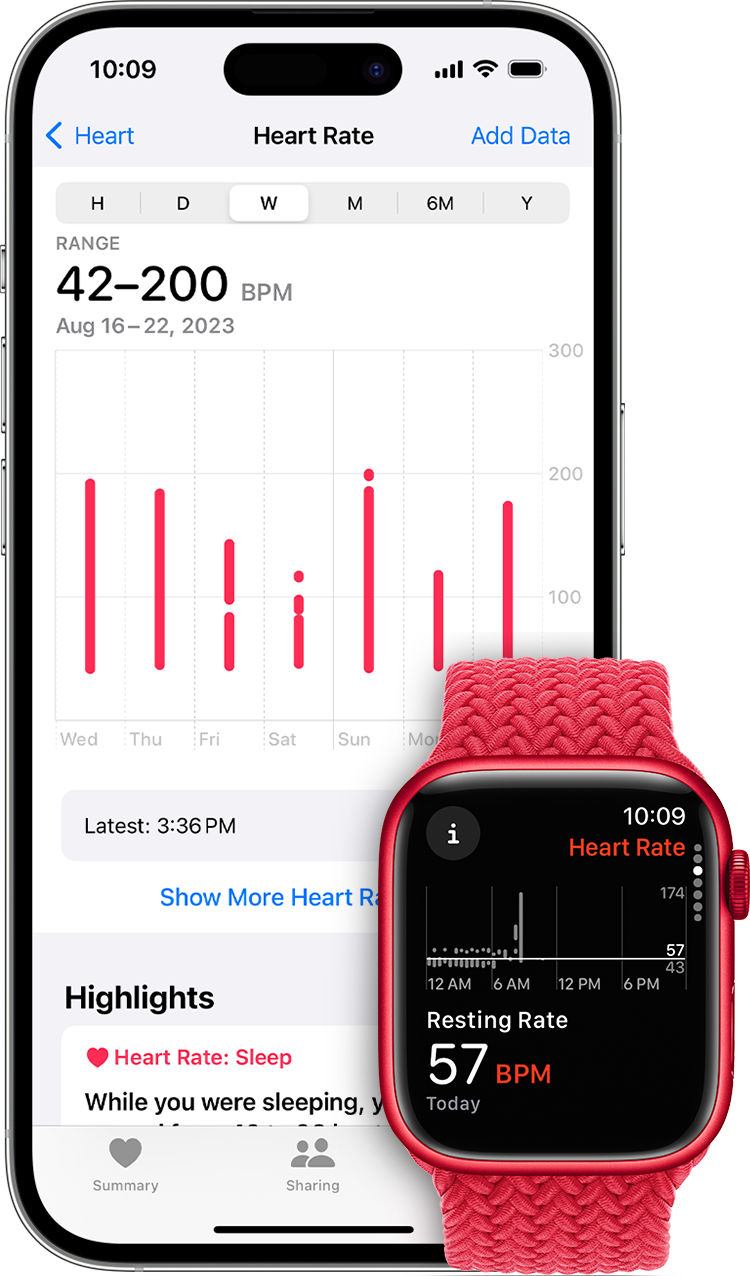
For most people, smartwatch heart rate monitoring is good enough for fitness and daily health tracking. It helps you:
- Track resting heart rate trends
- Monitor heart rate zones during exercise
- Spot unusually high or low heart rates
However, smartwatches are not approved for diagnosing heart conditions. They can alert you to problems, but you must confirm with a doctor.
Using Heart Rate Data For Training
Athletes use heart rate zones to optimize training. Smartwatches help track:
- Fat burn zone: 50–70% of max heart rate
- Cardio zone: 70–85% of max heart rate
- Peak zone: 85–100% of max heart rate
For casual fitness, the accuracy is enough. For professional training, chest straps or medical devices are better.
Heart Rate Alerts
Many smartwatches have heart rate alerts. If your heart rate goes above or below safe levels, the watch will notify you. These alerts help spot issues like:
- Tachycardia (too fast)
- Bradycardia (too slow)
- Irregular rhythm
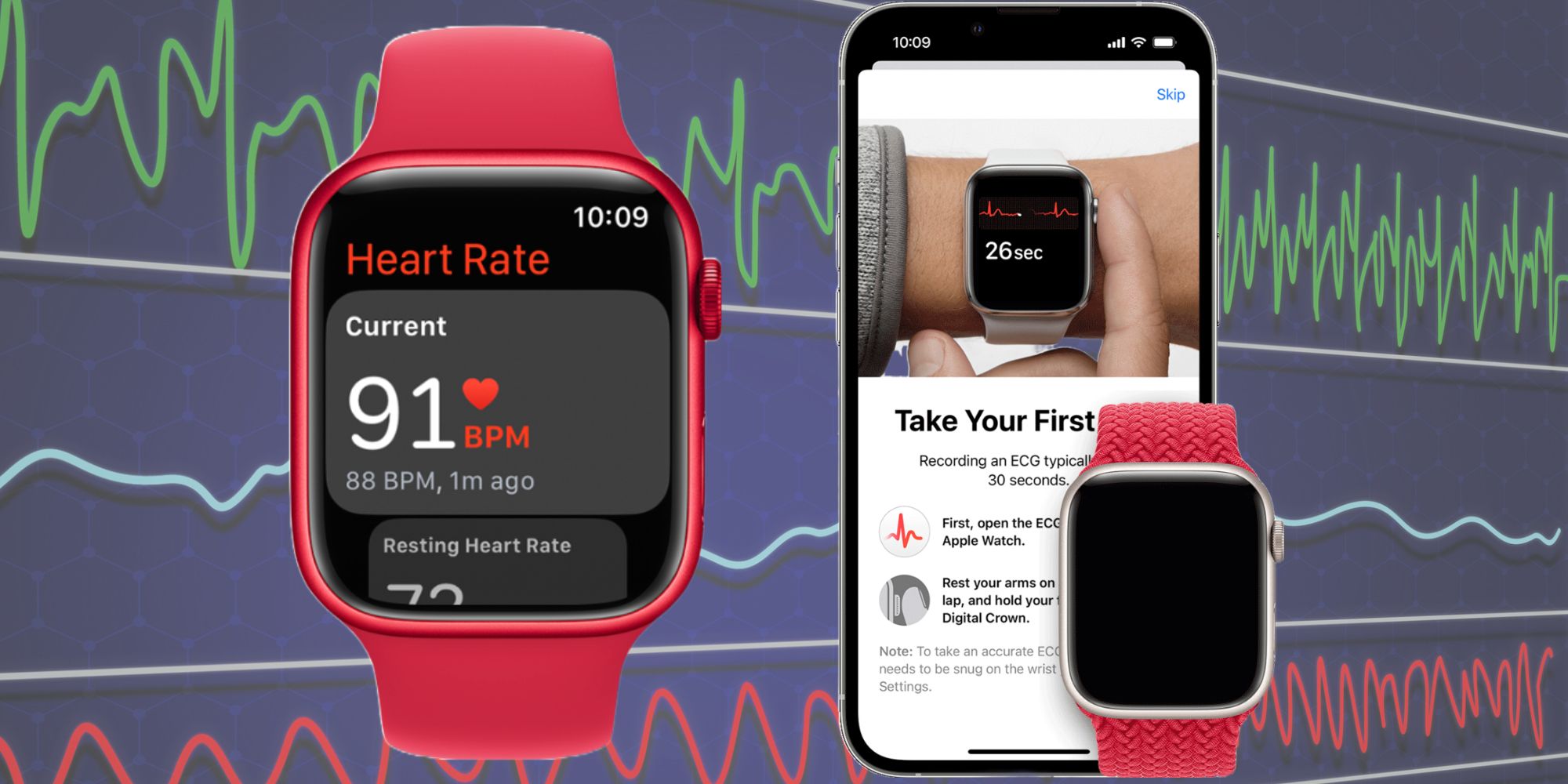
Some watches, like the Apple Watch, even check for atrial fibrillation (AFib) using ECG. But these alerts are just warnings—not a diagnosis.
Medical Use And Limitations
Smartwatches are not replacements for medical devices. Doctors use hospital ECGs and chest straps for accurate measurements. Smartwatches can help with:
- Spotting trends: If your resting heart rate changes suddenly, it can signal stress or illness.
- Sharing data: You can share weekly heart rate trends with your doctor.
- Early warnings: Some watches detect irregular rhythms, prompting you to seek medical help.
But smartwatches cannot diagnose heart disease. They miss some irregularities, especially during movement or sweat. Always confirm smartwatch data with a healthcare professional.
Improvements In Smartwatch Technology
Smartwatch companies are improving sensors every year. Newer models have:
- Multi-wavelength sensors: Using red, green, and infrared lights for better accuracy.
- ECG features: Available in Apple Watch, Samsung Galaxy Watch, and some Fitbit models.
- AI algorithms: Filtering out noise from movement or sweat.
Some models now offer blood oxygen (SpO2) and stress monitoring. These features use similar sensors but are not yet as accurate as medical equipment.
Non-obvious Insights Most Beginners Miss
- Heart rate data is only a snapshot: Smartwatches measure your heart rate every few seconds or minutes. Chest straps and medical devices capture every beat. This means smartwatch readings can miss fast changes.
- Data trends matter more than single readings: Look at your daily or weekly heart rate trends. One high or low reading may be an error, but a consistent change could be important.
- Battery life and sensor performance are linked: When your smartwatch’s battery is low, sensor accuracy can decrease. Always keep your watch charged for best results.
- Firmware updates improve accuracy: Brands often release software updates that fix sensor bugs. If your readings seem off, check for updates.
How To Improve Your Smartwatch Heart Rate Accuracy
You can take steps to get more reliable readings:
- Wear your watch snugly, just above the wrist bone.
- Keep your skin clean and dry.
- Avoid measuring during intense movement.
- Use the same wrist for consistency.
- Update your device regularly.
If you have tattoos or thick hair, try the other wrist or consider a chest strap.
When Should You Trust Smartwatch Heart Rate Data?
Trust smartwatch readings for:
- Resting heart rate
- Walking or light activity
- Daily trends
Be cautious during:
- High-intensity workouts
- Swimming or sweaty conditions
- Medical emergencies
If you notice irregular heart rates or symptoms, consult a doctor.
Smartwatches And Heart Rate: Myths Vs. Facts
Many people believe myths about smartwatch heart rate measurement. Let’s clear up some common misunderstandings:
- Myth: Smartwatches are as accurate as hospital ECGs.
- Fact: They are good for everyday monitoring, but not for diagnosis.
- Myth: All smartwatches are equally accurate.
- Fact: Accuracy varies by brand, model, and sensor quality.
- Myth: Tattoos don’t affect readings.
- Fact: Tattoos can block sensor light and cause errors.
- Myth: Heart rate alerts are always correct.
- Fact: Alerts can be triggered by movement or sensor errors.
Comparing Smartwatches To Chest Strap Monitors
Chest straps use ECG sensors and are worn around the chest. They track electrical signals from the heart, offering higher accuracy. Athletes and researchers prefer chest straps for measuring heart rate during exercise.
Smartwatches use PPG sensors. They are easier to wear but less accurate for rapid or irregular heartbeats. If you need precise data, especially during workouts, a chest strap is better.
Heart Rate Data Privacy
Smartwatches store your heart rate data. Most brands encrypt this data and let you control who sees it. However, sharing data with apps or online services can expose sensitive information. Always check privacy settings and app permissions.
The Future Of Smartwatch Heart Rate Measurement
In the coming years, expect better sensors and smarter algorithms. Companies are working on:
- Continuous ECG monitoring
- Better accuracy for all skin tones
- Integration with medical records
- Detection of more heart conditions
Some research suggests smartwatches may help doctors monitor patients remotely. But for now, they are mainly fitness tools, not medical devices.
If you want to see ongoing studies, visit the Wikipedia Wearable Technology page.
Frequently Asked Questions
Are Smartwatches Accurate For Measuring Heart Rate?
Smartwatches are accurate for resting heart rate and light activity. During exercise or movement, accuracy drops. For medical needs, use a chest strap or hospital ECG.
Can Smartwatches Detect Heart Problems?
Some smartwatches can detect irregular rhythms and alert you. However, they cannot diagnose heart disease. Always confirm with a doctor.
How Can I Get The Most Accurate Heart Rate Reading From My Smartwatch?
Wear your watch snugly, keep your skin clean and dry, and measure when resting. Avoid checking during intense activity for best results.
Do Tattoos Or Skin Color Affect Heart Rate Measurements?
Yes, tattoos and darker skin tones can affect accuracy. Newer models have improved sensors, but results may still vary.
Should I Rely On Smartwatch Heart Rate Data For Health Decisions?
Use smartwatch data for daily trends and alerts. For diagnosis or medical decisions, consult a healthcare professional and use medical-grade devices.
Smartwatches are great tools for fitness and health tracking. They give useful heart rate information for most people. But they are not replacements for medical devices. Understand their strengths and limits, and use them wisely. With new technology, accuracy is improving every year.
For now, trust your smartwatch for daily health—not for medical decisions.


