
A fitness tracker can be a powerful tool for improving your health. But with so many options and features, it’s easy to feel overwhelmed. Some devices look great but don’t deliver useful data. Others promise everything, but their apps are confusing or the battery dies quickly.
How do you know what features really matter? And what should you look for to make sure you’re investing in a tracker that fits your goals, lifestyle, and budget?
This guide will help you understand the key features a fitness tracker should have. We’ll go beyond the basics and highlight details beginners often miss—like why comfort matters as much as accuracy, or how data syncing can affect your motivation.
Whether you’re a first-time buyer or upgrading your current device, you’ll find clear, practical advice to help you make the best choice.
Core Activity Tracking Features
The most important job of a fitness tracker is to collect accurate activity data. It’s tempting to get excited by flashy extras, but the basics must work well.
Step Counting
Tracking steps is the foundation of most fitness trackers. It sounds simple, but accuracy can vary a lot. Look for devices with advanced accelerometers and sensors that reduce errors from hand movement or non-walking activities. A small error—like 500 steps per day—can add up to thousands per week, which misleads you about your real progress.
Distance Tracking
Distance is usually calculated from your step count and stride length. Some trackers let you enter your height for a better estimate, but the most accurate devices use built-in GPS. GPS lets you record exact walking, running, or cycling routes, which is especially useful for outdoor workouts.
Calorie Burn Estimation
Estimating calories burned is tricky. Trackers use algorithms based on your age, weight, and heart rate. For best results, choose a device that asks for your personal details and measures heart rate during activity, not just steps. Remember, calorie numbers are always estimates—they’re best used to track trends, not as exact counts.
Floors Climbed
Climbing stairs or hills burns more energy than walking on flat ground. Many trackers now include a barometric altimeter to count floors climbed. This feature is valuable if you want to track more types of movement or challenge yourself to take the stairs.
Health Monitoring Features
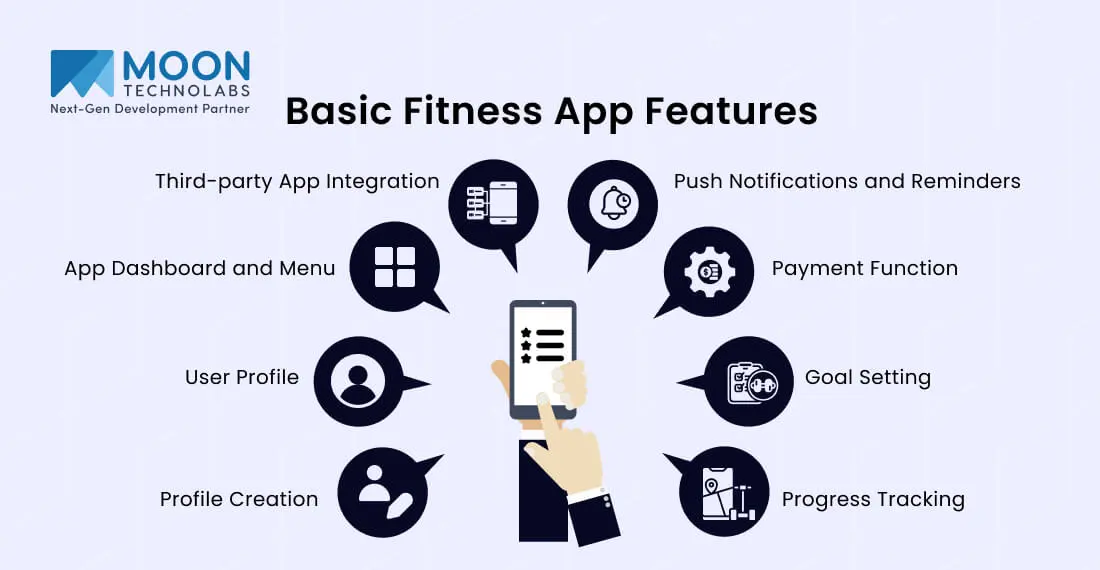
A good fitness tracker does more than count steps. It should give you insights into your overall health, not just activity.
Heart Rate Monitoring
Continuous heart rate tracking is now standard on mid-range and high-end trackers. It helps you understand how hard you’re working, your resting heart rate, and even stress levels. Look for devices with optical sensors that work 24/7, not just during workouts.
Some advanced trackers offer heart rate variability (HRV). HRV can show signs of recovery, fatigue, or even illness before you feel symptoms. While not essential for everyone, it’s a helpful tool for athletes and people managing stress.
Sleep Tracking
Sleep is crucial for recovery and well-being. Trackers use movement and heart rate data to estimate sleep stages (light, deep, REM). Look for devices with:
- Automatic sleep detection (you don’t need to press buttons)
- Details on sleep quality and suggestions for improvement
- Smart alarms that wake you during light sleep (more refreshing)
Keep in mind, wrist-based trackers can’t replace a medical sleep study, but they are good for noticing trends and making changes.
Blood Oxygen (spo2) Monitoring
Some newer trackers include a pulse oximeter to measure your blood oxygen level. This is especially helpful at high altitudes or for people with sleep issues. SpO2 can also flag possible breathing problems before you notice them.
Stress And Recovery Tracking
Many modern trackers analyze your heart rate, HRV, and even skin temperature to estimate your stress level. This feature helps you see the impact of work, travel, or poor sleep on your body. Recovery tools can suggest when to rest or push harder.
Menstrual Health Tracking
Fitness trackers with cycle tracking let users log periods, symptoms, and receive predictions. This helps spot patterns between activity, mood, and the menstrual cycle. It’s a valuable tool for women who want a full view of their health.
Workout And Sport-specific Features
Not all fitness trackers work the same for every sport. Consider your main activities and look for features that match.
Gps And Route Tracking
Built-in GPS is a game-changer for runners, cyclists, and hikers. It tracks your exact route and pace without needing your phone. Some cheaper trackers use your phone’s GPS, which drains your battery and isn’t as reliable. If you exercise outdoors, GPS is a must-have.
Exercise Recognition
Some devices automatically detect activities like running, cycling, swimming, or even yoga. This auto-recognition is useful if you forget to start a workout manually. It also means you’ll get credit for activity you might not think to log.
Sport Modes
The best trackers support a wide range of sport modes (e.g., swimming, rowing, HIIT, strength training). Each mode customizes the metrics and feedback. For example, swimming mode tracks laps and strokes, while cycling mode focuses on speed and cadence.
Water Resistance
If you plan to swim, shower, or sweat heavily, check the water resistance rating. Look for at least 5 ATM (50 meters) for swimming. Lower ratings (like IP67) handle splashes, not submersion.
Advanced Training Metrics
Athletes and serious enthusiasts might want metrics like VO2 Max, training load, recovery time, or running dynamics. These are usually found in higher-end trackers. They help fine-tune your training and prevent overtraining.
Display And Usability Features
A fitness tracker must be comfortable and easy to use every day. Many people stop wearing their device because it’s bulky, the screen is hard to read, or the controls are confusing.
Screen Type And Size
- Color touchscreens are easy to read in all light and let you swipe through data.
- Always-on displays let you check stats without pressing buttons.
- Some trackers use OLED or AMOLED screens, which are brighter and save battery.
If you have poor eyesight, look for a larger screen or customizable font sizes.
Buttons Vs. Touch Controls
Touchscreens look modern but can be tricky with sweaty fingers or gloves. Some trackers combine touchscreens with side buttons for better control during workouts.
Comfort And Fit
You’ll wear your tracker all day (and maybe night), so comfort is critical. Try the band before buying if possible. Look for:
- Adjustable, soft straps (often silicone or fabric)
- Lightweight design that doesn’t dig into your wrist
- Multiple sizes, especially for small wrists
Watch Faces And Customization
Changing the watch face lets you see the data most important to you. Some brands offer hundreds of options, from analog clocks to bold, digital readouts. Customization can keep you motivated and make the tracker feel personal.
Battery Life And Charging
Battery life is a major factor in daily use. If you have to charge every day, you might leave the tracker at home.
Battery Life Expectancy
Most fitness trackers last between 3 and 14 days per charge. Devices with color screens, GPS, or 24/7 heart tracking usually need more frequent charging. Some basic models or those without GPS can last up to three weeks.
Charging Method
Check if the tracker uses a proprietary charger (unique cable or dock) or common options like USB-C. Magnetic chargers are simple but can disconnect easily. If you travel a lot, a common cable is convenient.
Fast Charging
Some new trackers offer quick charge features—just 10-15 minutes for a full day’s use. This can be a lifesaver if you forget to charge overnight.
Power Saving Modes
To extend battery life, some devices let you disable features like GPS, always-on screen, or continuous heart rate. These power saving modes help you finish a long hike or vacation without running out of battery.
App And Data Syncing
Your tracker collects lots of data, but it’s the companion app that makes sense of it. A bad app can ruin even the best hardware.
App Interface
Look for a clear, easy-to-navigate app with:
- Simple dashboards showing your steps, sleep, and trends
- Detailed graphs to spot progress over weeks or months
- The ability to export data (for sharing with doctors or other apps)
Device Compatibility
Check if the app works with your phone’s operating system (Android, iOS, sometimes Windows). Some apps are better on one platform than another.
Wireless Syncing
Automatic syncing via Bluetooth is standard now. Some devices also support Wi-Fi, so you don’t need your phone nearby. If you’re forgetful, choose a tracker that syncs on its own.
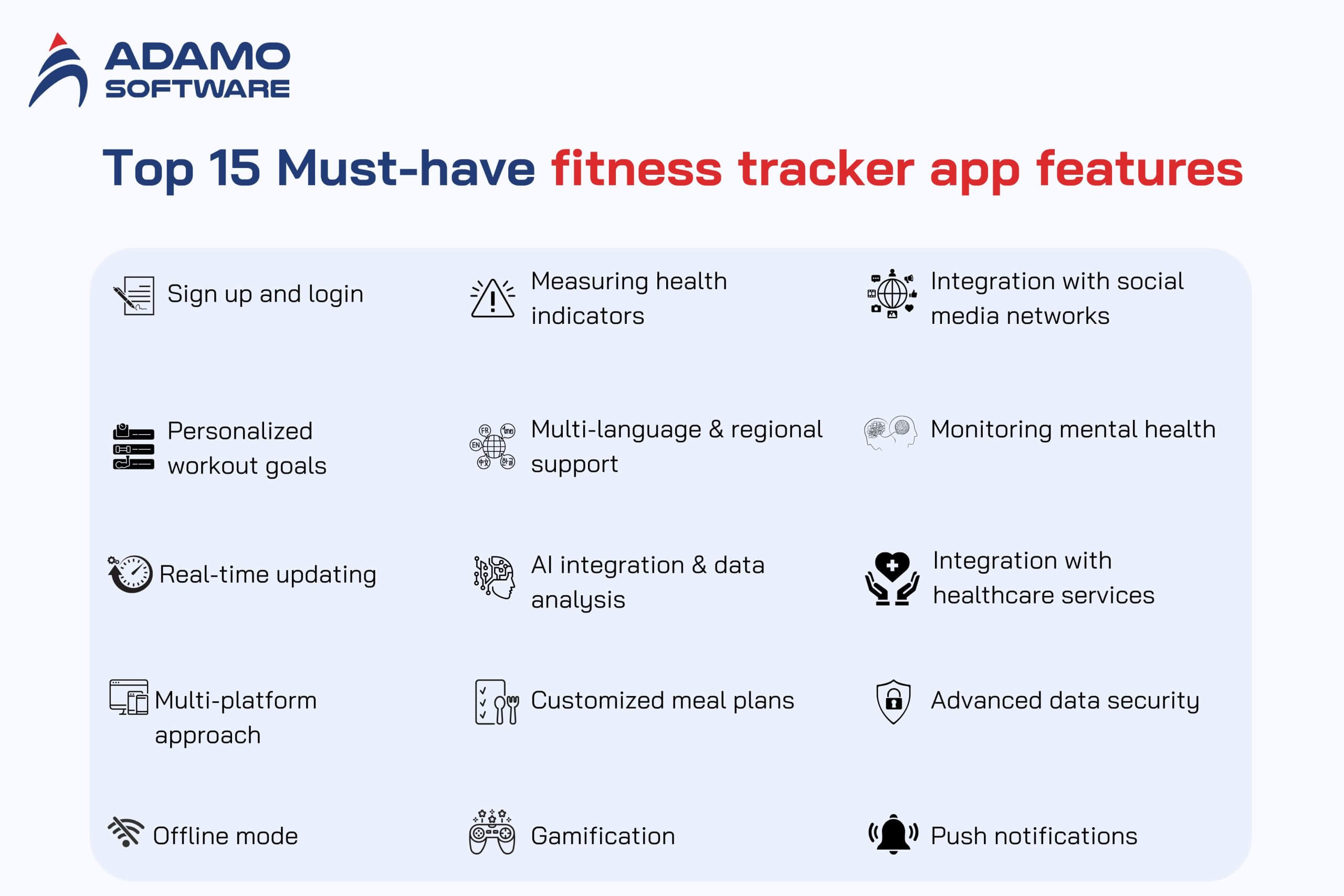
Third-party Integration
Do you use apps like Apple Health, Google Fit, or Strava? Make sure your tracker can share data with these platforms. Integration saves time and gives you a full picture of your health.
Data Privacy
Your fitness data is sensitive. Research the brand’s privacy policy to see how your data is stored and shared. Some companies let you keep your data private, while others may use it for research.
Smart Features
Beyond health, many trackers now include smartwatch features. These can boost convenience but may also drain battery faster.
Notifications
Most trackers can show call, text, and app notifications from your phone. Some even let you reply to messages or take calls directly from your wrist (if paired with your phone). Decide if you want these alerts, or if they’ll just distract you.
Music Control
Music controls let you skip tracks, adjust volume, or start playlists without taking out your phone. Some advanced trackers have built-in storage and Bluetooth support for wireless headphones, letting you run phone-free.
Contactless Payments
With NFC technology, some trackers let you pay at stores with your wrist (like Apple Pay or Google Pay). This is handy for quick stops, but check if your country or bank is supported.
Voice Assistants
A few devices include voice assistants (like Alexa or Google Assistant). You can set reminders, ask questions, or control smart home devices hands-free.
Find My Phone And Other Tools
Little extras like find my phone, weather updates, or calendar reminders make a tracker more useful day-to-day. Consider which tools match your routine.
Build Quality And Durability
A fitness tracker should survive your daily life. Think about where and how you’ll use it.
Materials
Bands are usually silicone, TPU, or fabric. Metal and leather look stylish but may not handle sweat or water well. The tracker body should be sturdy—avoid cheap plastics that scratch easily.
Screen Protection
If you’re active, look for a scratch-resistant screen (like Gorilla Glass or sapphire crystal). If you work in tough environments, a military-grade rating (MIL-STD-810G) is a bonus.
Water And Dust Resistance
Besides water resistance for swimming, check for dust resistance (IP ratings). This matters if you hike, garden, or work outdoors.
Warranty And Support
A good warranty and responsive customer service can save frustration. Research real-world feedback, not just what the company promises.
Personalization And Motivation Features
Staying motivated is tough. The right tracker uses psychology to keep you moving.
Goal Setting
Setting daily or weekly goals (steps, active minutes, sleep) helps you stay focused. The best trackers let you adjust these as your fitness improves.
Reminders To Move
Inactivity alerts nudge you to stand up or walk if you’ve been sitting too long. This gentle reminder can help break bad habits, especially for desk workers.
Social Challenges
Some trackers let you join step competitions or share achievements with friends. Friendly competition can boost motivation, but make sure it’s optional if you prefer privacy.
Badges And Rewards
Visual rewards like badges, streaks, or celebrations can make daily progress feel fun. They’re not just for kids—adults enjoy positive feedback too.
Price And Value
Fitness trackers range from under $50 to over $400. Price doesn’t always equal quality, but cheap trackers may cut corners on sensors, battery, or app support.
Entry-level Trackers
For basic step counting and sleep tracking, entry-level devices ($30–$80) can work well. They may lack advanced features like GPS or heart rate but are simple and reliable.
Mid-range Trackers
Most people find the best value between $80–$200. These trackers have heart rate monitoring, good apps, sleep tracking, and some smart features. Examples include the Fitbit Charge series or Garmin Vivosmart.
High-end Trackers
For advanced athletes or tech fans, $200+ trackers add GPS, more sport modes, music, and premium materials. Popular models include the Garmin Forerunner, Apple Watch, or Fitbit Sense.
Subscription Fees
Some brands lock advanced health data or coaching behind monthly subscriptions. Check what’s included before buying. Free features should cover your main needs.

Two Key Insights Most Beginners Miss
- Comfort and style matter more than you think. If you don’t like wearing your tracker, you’ll stop using it—no matter how many features it has. Always try on the device if you can, or buy from a store with a good return policy.
- Data overload can reduce motivation. More metrics aren’t always better. Too much information can overwhelm beginners and make fitness feel complicated. Start with a device that tracks your main goals (like steps and sleep), then upgrade as your needs change.
Example Comparison: Popular Fitness Trackers
Choosing a tracker can be easier with a side-by-side look at popular models:
| Model | Battery Life | GPS | Heart Rate | Water Resistance | Price (USD) |
|---|---|---|---|---|---|
| Fitbit Charge 5 | 7 days | Yes (built-in) | Yes | 50m | $150 |
| Xiaomi Mi Band 7 | 14 days | No | Yes | 50m | $60 |
| Garmin Vivosmart 5 | 7 days | No | Yes | 50m | $130 |
| Apple Watch SE | 1.5 days | Yes (built-in) | Yes | 50m | $250 |
Feature Checklist For Your Next Fitness Tracker
To help you make a final decision, here’s a practical checklist:
| Feature | Essential | Nice-to-Have |
|---|---|---|
| Step Counter | ✔️ | |
| Heart Rate Monitor | ✔️ | |
| Sleep Tracking | ✔️ | |
| GPS | ✔️ | |
| Water Resistance | ✔️ (for swimming) | |
| Long Battery Life | ✔️ | |
| App Integration | ✔️ | |
| Notifications | ✔️ | |
| Music Controls | ✔️ | |
| Stress Tracking | ✔️ | |
| Menstrual Health | ✔️ |
Frequently Asked Questions
What Is The Most Important Feature In A Fitness Tracker?
For most people, the step counter and heart rate monitor are the most important. They give you a clear picture of your daily movement and how your body responds to activity. Other features are helpful but not essential for beginners.
Do I Need Gps On My Fitness Tracker?
If you run, cycle, or hike outdoors, built-in GPS is very useful for tracking routes and distance. If you mostly walk around your neighborhood or use a treadmill, GPS is less important.
How Accurate Are Fitness Trackers?
Fitness trackers are very good at counting steps and spotting trends, but calories and sleep data are just estimates. Accuracy improves with higher-end sensors and when you enter your real height, weight, and age. No tracker is perfect, but they’re great for motivation and habit-building.
Can Fitness Trackers Work Without A Phone?
Most trackers can record steps, heart rate, and sleep on their own. But for detailed analysis and updates, you’ll need to sync with a phone app. Some high-end models (like Apple Watch with cellular) can work almost fully alone.
Are Fitness Trackers Safe To Wear All Day And Night?
Yes, fitness trackers are safe for daily and nightly use. They use low-power Bluetooth and optical sensors. However, if you notice skin irritation, switch wrists or take short breaks. Always keep your device clean and dry.
Selecting the right fitness tracker is about more than specs—it’s about finding a device that fits your life and helps you grow. Take your time, try different styles, and choose the features that matter most to you. For more science on fitness tracking, you can visit the Wikipedia page on fitness trackers. Your perfect fitness companion is out there—just make sure it’s one you’ll actually want to use every day.

