
Are Fitness Trackers Worth Buying?
Thinking about buying a fitness tracker? You’re not alone. These small devices are everywhere—on wrists at the gym, in offices, and even on the arms of older adults during their daily walks. Many people say fitness trackers help them become healthier, but others believe they’re just expensive gadgets.
So, are fitness trackers really worth your money? Or are they just another tech trend?
Let’s look at what these devices actually do, what you can expect if you buy one, and how to decide if a fitness tracker fits your life. We’ll also examine real data, compare popular models, and break down common myths. By the end, you’ll have a clear answer to the big question: are fitness trackers worth buying?
What Do Fitness Trackers Do?
Fitness trackers are small electronic devices you wear on your wrist, clip to your clothes, or even put in your pocket. Their main job is to track physical activity and give you feedback. But what does this mean in real life?
Most fitness trackers measure:
- Steps taken during the day
- Distance traveled
- Calories burned (estimated)
- Heart rate (in many models)
- Sleep patterns
- Active minutes (time spent in moderate-to-vigorous activity)
- Sedentary time (how long you sit without moving)
Newer or more expensive models add:
- GPS tracking
- Blood oxygen levels
- Stress tracking
- ECG (electrocardiogram) readings
- Water resistance for swimming
Fitness trackers connect to your phone or computer. You can see your progress, set goals, and sometimes even join challenges with friends. Most also give notifications for calls or messages and let you set reminders.
The Real Benefits Of Fitness Trackers
People often ask if these devices actually help you get healthier. The answer depends on how you use them, but there’s good evidence they can make a difference.
1. Motivation To Move
One of the main reasons people buy a fitness tracker is to increase daily activity. Seeing your step count can be a powerful motivator. For example, if you’re close to your 10,000-step goal, you may take a walk instead of watching TV.
In a 2022 review published in The Lancet Digital Health, researchers found that people who use fitness trackers take about 1,800 more steps per day than those who don’t. Over time, this adds up and can lead to weight loss and better heart health.
2. Tracking Progress
It’s hard to improve what you don’t measure. Fitness trackers let you see patterns—maybe you’re more active on weekdays, or you sleep less on weekends. This data helps you find areas to improve.
For example, if you see your heart rate stays high during sleep, you might try to relax before bed. If your steps are low, you may start walking after lunch.
3. Setting And Reaching Goals
Many trackers let you set personal goals, like steps, active minutes, or calories burned. Achieving these goals gives a sense of progress, which is motivating. Some devices even celebrate your achievements with badges or notifications.
4. Building Good Habits
Fitness trackers can help you build routines. For example, you might set reminders to move every hour. Over time, these small changes can lead to lasting habits.
5. Monitoring Health
Some devices track heart rate, sleep, and even blood oxygen. This can help you spot changes early. For example, if your heart rate is higher than usual for many days, it might signal stress or illness. This is not a substitute for a doctor, but it’s useful information.
6. Social Support And Challenges
Many fitness trackers let you connect with friends or join online groups. Competing in step challenges or sharing your progress can boost motivation. Studies show that social support increases the chance of sticking to exercise routines.
7. Sleep Tracking
Good sleep is important for health. Fitness trackers can estimate how long and how well you sleep. While not perfect, they can help you notice trends—like if screen time before bed affects your rest.
8. Heart Health Awareness
Devices with heart rate monitors give you feedback during exercise and rest. This helps you stay in the right “zone” for your fitness goals and can alert you to unusual patterns.
9. Encouraging Mindfulness
Some trackers have features for breathing exercises, stress tracking, or reminders to pause. These can help you manage stress and improve your mental health.
Common Drawbacks And Limitations
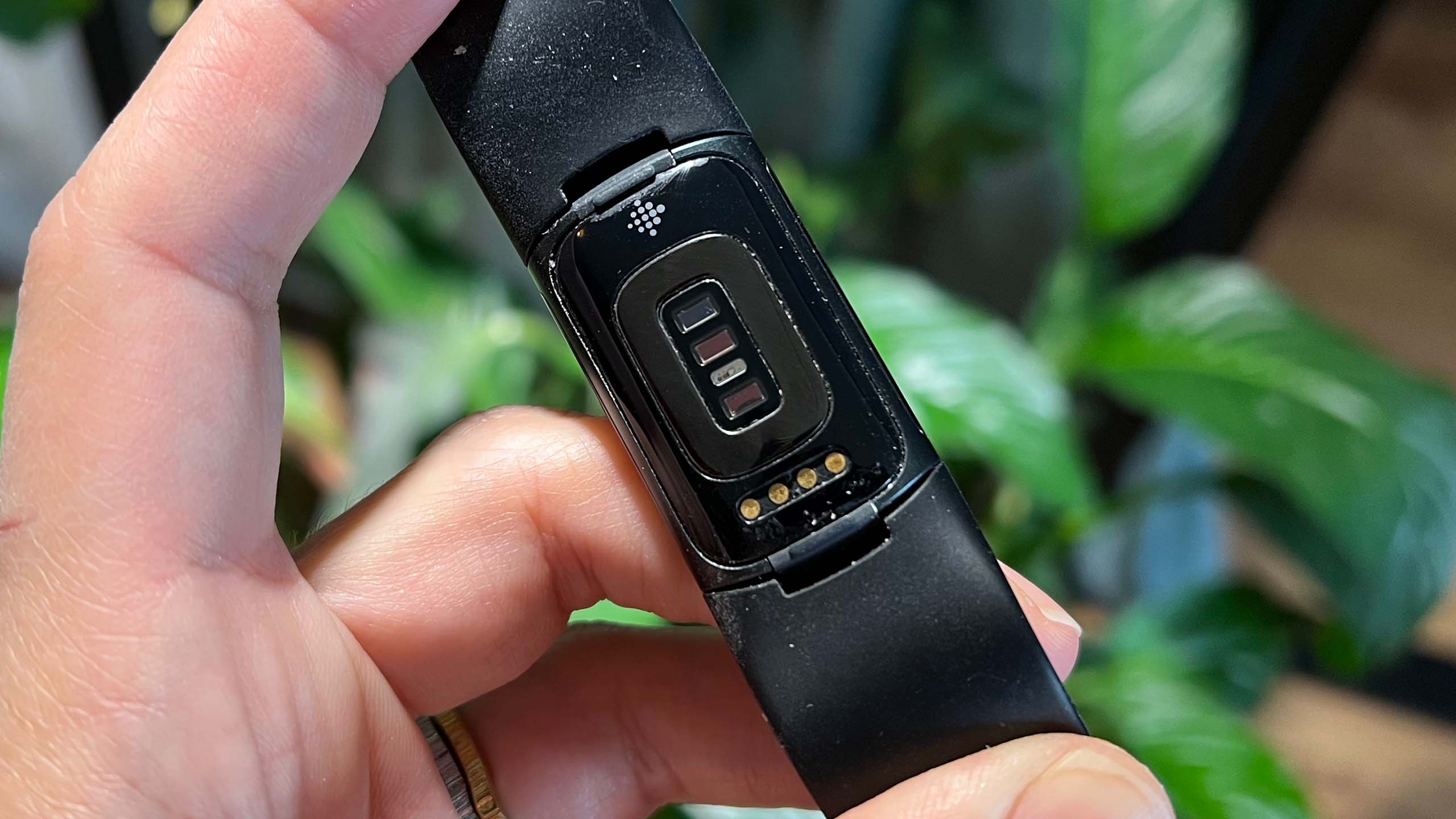
Fitness trackers aren’t perfect. Before you buy, it’s important to know what they can and can’t do.
1. Accuracy Issues
Not all fitness trackers are equally accurate. Step counts are usually close, but calorie estimates can be off by 20-30%. Heart rate monitors on the wrist may not be as precise as chest straps, especially during intense exercise.
2. Short Battery Life
Advanced models with many features may need charging every day or two. This can be annoying, especially if you want to track sleep every night.
3. Potential For Obsession
Some people become too focused on numbers, leading to stress or unhealthy habits. It’s important to use the data as a guide, not as a source of pressure.
4. Not Medical Devices
Fitness trackers are not meant to diagnose or treat health problems. They can give you useful trends, but always consult a doctor if you notice something unusual.
5. Cost
Good fitness trackers aren’t cheap. Basic models start around $30, but popular brands like Fitbit, Garmin, or Apple can cost $100 to $400 or more. If you won’t use the features, it may not be worth the investment.
6. Data Privacy Concerns
Some users worry about who can see their health data. Most major brands have privacy policies, but it’s good to read them before buying.
7. Durability
Fitness trackers are worn daily, so they can get scratched or broken. Cheaper models may not last as long, especially if you wear them during sports or swimming.
How Fitness Trackers Compare: Popular Models Side By Side
To help you see the differences, here’s a comparison of three popular fitness trackers in 2024: Fitbit Charge 6, Garmin Vivosmart 5, and Xiaomi Band 7.
| Feature | Fitbit Charge 6 | Garmin Vivosmart 5 | Xiaomi Band 7 |
|---|---|---|---|
| Price (USD) | $160 | $150 | $50 |
| Steps & Calories | Yes | Yes | Yes |
| Heart Rate | 24/7 | 24/7 | 24/7 |
| Sleep Tracking | Advanced | Basic | Basic |
| GPS | Built-in | Connected | No |
| Battery Life | 7 days | 7 days | 14 days |
| Water Resistance | 50m | 50m | 50m |
| Blood Oxygen | Yes | Yes | Yes |
| Smart Features | Notifications, Payments | Notifications | Notifications |
This table shows that even less expensive models offer core features like steps, heart rate, and sleep tracking. However, advanced tracking, built-in GPS, and smart features are mostly found in mid-to-high-end devices.
Who Benefits Most From Fitness Trackers?
Fitness trackers are not just for “fitness freaks.” They can help a wide range of people:
- Beginners: If you’re just starting to be active, a tracker can help you see progress and keep you motivated.
- Busy Professionals: People with desk jobs may use reminders to move or stand up, which helps fight the effects of sitting too long.
- Older Adults: Some trackers have fall detection or can send alerts to family, which adds safety.
- People with Health Conditions: Tracking heart rate or sleep can help manage some chronic problems (with a doctor’s guidance).
- Athletes: Advanced models offer detailed data for serious training.
But not everyone needs one. If you already have a strong exercise routine and don’t need extra motivation or data, a tracker may not add much value.
When Fitness Trackers May Not Be Worth It
Fitness trackers are useful, but there are times when they might not be worth buying.
- If you never wear watches or jewelry: Some people find wrist devices annoying or uncomfortable.
- If you ignore notifications: If you won’t check the data or set goals, the tracker will just collect dust.
- If you only want basic info: You may not need a tracker if you just want to know roughly how many steps you take. Most smartphones already count steps.
- If your main goal is weight loss: Fitness trackers help with activity, but diet is a bigger factor for weight loss. A tracker alone isn’t magic.

Data And Research: What Studies Say
Let’s look at some real numbers. Are fitness trackers just a trend, or do they help people change?
- Physical Activity: A study published by JAMA in 2022 found that people who use fitness trackers increased their activity by an average of 1,800 steps per day. That’s about 20 extra minutes of walking.
- Weight Loss: Research from Stanford University showed people with trackers lost about 2-3 kg (4-6 lbs) more than those without, over a year.
- Long-Term Use: About 30% of people stop using their tracker after six months. The most common reasons are boredom, broken devices, or loss of interest.
One insight many beginners miss: the first few weeks are exciting, but motivation can drop. Setting new goals, joining challenges, or changing up your routine can help keep things fresh.
Real-world Examples
Consider Sarah, a 42-year-old office worker. She bought a fitness tracker to lose weight and improve her health. In the first month, she noticed she only averaged 5,000 steps per day. She began taking short walks during breaks and reached 10,000 steps most days.
Over six months, she lost 10 pounds, slept better, and felt more energetic.
Another example is Mark, a runner training for a marathon. He used his tracker to monitor heart rate and recovery. The data helped him avoid overtraining and injury.
But there’s also James, who bought a tracker but stopped using it after two months. He found the notifications annoying and never checked his progress. For him, the tracker wasn’t worth the cost.
Are Expensive Fitness Trackers Always Better?
It’s easy to think that more expensive equals better, but that’s not always true with fitness trackers. Cheaper models now have many features once found only in high-end devices. The main differences are:
- Build quality (expensive models use stronger materials)
- Advanced health metrics (like ECG, skin temperature)
- Smart features (like music control, payments)
- Brand support and updates
If you only need basic step and sleep tracking, a budget model is often enough. But if you want deeper insights or use your tracker every day, a higher-end model may last longer and give better data.
Here’s a quick look at what you get for your money:
| Price Range | Features | Ideal For |
|---|---|---|
| $30-$80 | Steps, sleep, basic heart rate, notifications | Beginners, casual users |
| $100-$200 | All above + advanced health, GPS, better build | Active users, runners, cyclists |
| $250-$400 | All above + payments, music, ECG, premium design | Enthusiasts, tech fans |
Hidden Insights: What Most People Don’t Realize
1. Data Only Helps If You Act On It
Many people buy a tracker, look at their numbers, and then change nothing. The real value comes from using the information to create new habits. For example, if you notice you sleep poorly on weekends, you might adjust your routine.
2. You May Need To Adjust Your Goals
The default “10,000 steps” goal is not magic. Some people need more or fewer steps. Adjust your targets based on your lifestyle and health. Customizing your goals can make your tracker more valuable.
3. Software Matters As Much As Hardware
The app that comes with your tracker is just as important as the device. Easy-to-read graphs, clear feedback, and useful reminders make a big difference. Some brands update their software often, adding new features for free.
4. Fitness Trackers Can Help With More Than Exercise
Some people use them for tracking water intake, menstrual cycles, or even mindfulness minutes. Explore all features—you may find a benefit you didn’t expect.
Practical Tips Before Buying A Fitness Tracker
- Define your goals: Do you want to walk more, sleep better, or train for a race? Your goals will guide your choice.
- Check compatibility: Make sure the tracker works with your phone or computer.
- Test comfort: If possible, try one on in a store. Some bands are bulky or irritate skin.
- Look for features you’ll use: Don’t pay extra for advanced features you don’t need.
- Read reviews: User feedback can reveal issues with battery life, accuracy, or durability.
- Understand the return policy: In case the device doesn’t fit your needs.
- Check privacy settings: See who can access your data and how it’s stored.
What About Smartwatches?
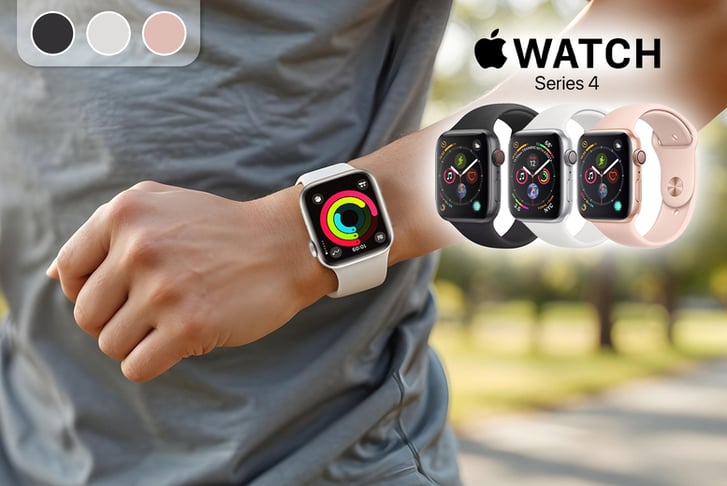
Smartwatches like the Apple Watch or Samsung Galaxy Watch include fitness tracking plus many other features—apps, calls, music, and more. If you want a device for both health and everyday use, a smartwatch might be a better value. However, they are more expensive and need charging more often.
Alternatives To Fitness Trackers
- Smartphones: Most phones have step counters and health apps built-in.
- Pedometers: Simple and cheap, but with fewer features.
- Manual tracking: Using a notebook to write down activity works too, but it takes more effort.
Making Your Fitness Tracker Work For You
If you decide to buy a fitness tracker, get the most from it:
- Set realistic goals.
- Check your progress weekly.
- Use social features if you need motivation.
- Change your routine if you get bored.
- Don’t worry about perfection—use the tracker as a guide, not a judge.
When To Replace Or Upgrade
Fitness trackers last 2-3 years on average. If your battery won’t hold a charge, the strap breaks, or the software stops updating, it’s probably time for a new one. Newer models often have better sensors and more features, but only upgrade if you need them.
For More Information
If you want to explore the science behind fitness trackers, check out the research summary at Wikipedia: Fitness tracker.
Frequently Asked Questions
What Is The Main Difference Between A Fitness Tracker And A Smartwatch?
A fitness tracker focuses on health data like steps, heart rate, and sleep. A smartwatch does all this plus offers apps, calls, music control, and more. Smartwatches are usually more expensive and need charging more often.
Can A Fitness Tracker Help Me Lose Weight?
A fitness tracker can help by motivating you to move more and track your habits. However, weight loss depends mostly on your diet. The tracker is a tool—it’s up to you to use it for healthy changes.
Are Fitness Trackers Safe To Wear All Day?
Yes, for most people, fitness trackers are safe. They use low-energy Bluetooth and do not give off harmful radiation. If you have skin irritation, try cleaning the band or switching wrists.
How Accurate Are Sleep And Heart Rate Readings?
Sleep tracking and heart rate readings are estimates. They are usually close, but not as precise as medical equipment. Use them to spot trends, not for medical decisions.
Do I Need An Expensive Tracker For Good Results?
No. Many budget fitness trackers offer steps, sleep, and heart rate tracking. Advanced features are nice but not necessary for most people. Choose a device that fits your needs and budget.
—
Fitness trackers are helpful tools for many people, offering motivation, data, and support for building healthier habits. They’re not magic solutions, but when used wisely, they can make it easier to stay active and aware of your health. Decide what matters most to you, choose the right device, and use the data to guide—not control—your journey to better health.

