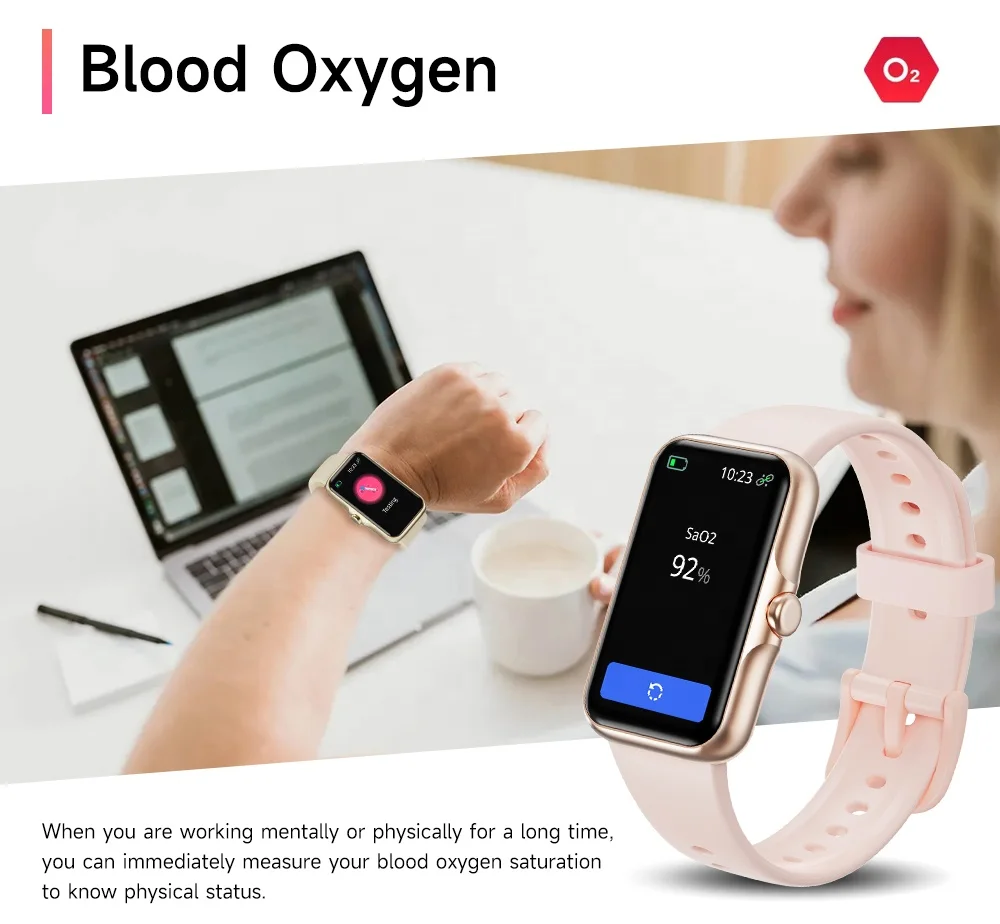
In recent years, fitness trackers have become a popular tool for people who want to understand their health better. These small devices can monitor your heart rate, count your steps, and even track your sleep. But now, many users are curious about another feature: blood oxygen level monitoring. This function has received attention, especially after the COVID-19 pandemic, when people started caring more about their respiratory health. But how do fitness trackers measure blood oxygen? Can you trust the results? Are all trackers capable of this function? Let’s explore these questions in detail and provide a clear guide for anyone interested in this powerful health metric.
What Is Blood Oxygen Level?
Blood oxygen level, often called SpO2, shows how much oxygen your red blood cells carry. It is written as a percentage. For most healthy people, the SpO2 is between 95% and 100%. If the number drops below 90%, it can be a sign of a health problem, such as breathing issues or heart disease.
Oxygen is vital for your body. Every cell needs it to produce energy. When you breathe, your lungs fill your blood with oxygen, which then travels to every part of your body. If your blood does not have enough oxygen, you might feel tired, dizzy, or even confused.
In some cases, low blood oxygen can be dangerous.
Why Track Blood Oxygen?
Understanding your blood oxygen level can give important clues about your health. Here are some reasons why people want to track this metric:
1. Early Detection Of Health Problems
Low SpO2 can be a sign of diseases like asthma, sleep apnea, or even COVID-19. Early detection can help you seek medical advice faster.
2. Monitoring Chronic Illnesses
People with lung or heart problems often need to keep track of their oxygen levels to avoid complications.
3. Sports And Fitness
Athletes and fitness lovers use SpO2 monitoring to understand how their bodies respond to exercise, especially in high altitudes where oxygen is lower.
4. Sleep Monitoring
Drops in SpO2 during sleep can point to problems like sleep apnea, where breathing stops and starts many times.
How Do Fitness Trackers Measure Blood Oxygen?
Most fitness trackers use a method called pulse oximetry. This is a non-invasive way to estimate the oxygen in your blood. The tracker shines a light through your skin, usually on your wrist, and a sensor measures how the light changes as it passes through the blood. Oxygen-rich and oxygen-poor blood absorb light differently, so the tracker can estimate your SpO2.
The Pulse Oximetry Process
1. Light Emission
The device has small LEDs, often red and infrared, that shine light into your skin.
2. Light Absorption
Some of this light passes through your blood vessels.
3. Sensor Detection
A sensor on the other side of the tracker detects how much light comes through.
4. Calculation
The device’s algorithm uses this data to estimate the percentage of oxygen in your blood.
This process sounds simple, but it’s based on complex science. In hospitals, pulse oximeters are usually clipped onto a finger and are highly accurate. Wrist-based trackers try to do the same, but there are some challenges, which we’ll discuss soon.
Which Fitness Trackers Can Measure Blood Oxygen?
Not all fitness trackers have SpO2 sensors. Over the past few years, several leading brands have added this feature to their devices. Here are some examples:
1. Apple Watch (series 6 And Later)
The Apple Watch includes a blood oxygen app that measures your SpO2 on demand or regularly during the day and night.
- Fitbit (Charge 4, Charge 5, Versa 2, Versa 3, Sense, etc.)
Many newer Fitbit models can track SpO2, especially during sleep.
3. Garmin (forerunner, Fenix, Vivosmart 4, Etc.)
Garmin devices often include a “Pulse Ox” sensor to monitor your blood oxygen both during activity and sleep.
4. Samsung Galaxy Watch (active2, Watch3, Watch4, Etc.)
Recent Samsung watches added SpO2 tracking, mainly through manual spot checks.
5. Huawei (band 6, Watch Gt, Etc.)
Some Huawei wearables provide 24/7 SpO2 monitoring.
6. Amazfit (gts 2, Bip U Pro, Etc.)
These budget-friendly trackers also include blood oxygen monitoring.
While these devices offer SpO2 tracking, the feature is not always enabled in all countries due to regulatory reasons. It’s important to check your device’s specifications and local rules.

How Accurate Are Fitness Trackers For Blood Oxygen?
This is one of the most common questions. Hospital-grade pulse oximeters are considered the gold standard. They are accurate because they use the fingertip, which has more blood vessels and less movement. Fitness trackers use the wrist, which brings some challenges:
Factors That Affect Accuracy
- Skin Tone:
Darker skin can affect light absorption, which may lower accuracy.
- Body Hair:
Hair can block the light, making measurements less reliable.
- Movement:
Even small movements can disturb the reading.
- Fit of the Tracker:
A loose or too tight strap can change the results.
- Temperature:
Cold hands or wrists can reduce blood flow, affecting accuracy.
- Tattooed Skin:
Ink can block the light and give wrong readings.
Most brands say their SpO2 features are for “wellness and fitness purposes,” not for medical diagnosis. This means you should not use them to make medical decisions. If you feel unwell or get a low reading, always check with a doctor.
Comparing Hospital Oximeters And Fitness Trackers
Below is a simple comparison between hospital pulse oximeters and wrist fitness trackers:
| Feature | Hospital Pulse Oximeter | Fitness Tracker |
|---|---|---|
| Measurement Site | Fingertip | Wrist |
| Accuracy | High (98-99%) | Moderate (Varies by brand) |
| Approved for Medical Use | Yes | No |
| Continuous Monitoring | No (Spot checks only) | Yes (Some models) |
Fitness trackers are getting better, but their SpO2 readings are best used as a trend over time, not as a one-time medical test.
How To Use Blood Oxygen Tracking On Fitness Trackers
If your device supports SpO2 monitoring, here are steps to get the best results:
1. Wear The Tracker Correctly
Make sure it sits snugly on your wrist, not too tight or loose.
2. Stay Still During Measurement
Movement can affect the sensor, so keep your arm steady.
3. Use Clean, Dry Skin
Sweat, water, or lotion can change the reading.
4. Avoid Tattoos In Sensor Area
If you have a tattoo, wear the tracker on the other wrist.
5. Take Multiple Readings
One low result is not always a problem. Check several times and look for patterns.
6. Check Your Device’s App
Most trackers show detailed SpO2 graphs in their companion apps. These can help you see changes over days or weeks.
Common Problems And Mistakes
Many new users get confused or worried when they see an unusual SpO2 number. Here are some common mistakes and tips:
- Worrying Over One Reading:
It’s normal for SpO2 to drop briefly during sleep or after exercise. Only worry if you see low numbers often.
- Using the Feature with Cold Hands:
Cold skin reduces blood flow, which can give wrong results.
- Not Updating the App or Tracker:
Software updates often improve accuracy. Keep your device and app updated.
- Ignoring Device Limits:
Remember, these are not medical devices. If you feel unwell, see a doctor.
Real-world Examples
Let’s look at how people use SpO2 tracking in daily life:
For Athletes
Mountain climbers use SpO2 readings to check for altitude sickness. At high elevations, oxygen is lower. If their blood oxygen drops below 90%, they know they need to rest or move to lower ground.
For People With Sleep Issues
Those with suspected sleep apnea use SpO2 trackers to spot sudden drops in oxygen at night. These drops can mean their breathing stopped for a few seconds. While a fitness tracker cannot diagnose sleep apnea, it can give clues to share with a doctor.
For Covid-19 Recovery
Some people recovering from COVID-19 check their SpO2 to make sure their lungs are getting better. A steady improvement in numbers can be reassuring.
How To Choose A Fitness Tracker With Spo2
If you want a tracker that can monitor blood oxygen, here are some points to consider:
1. Device Brand And Model
Check if the brand is reliable. Popular brands like Apple, Fitbit, Garmin, and Samsung have better support and updates.
2. Spo2 Feature Availability
Not all devices, even from the same brand, have this feature. Read the specs before buying.
3. Battery Life
Continuous SpO2 tracking can drain the battery quickly. Look for models with strong battery life if you want 24/7 tracking.
4. Comfort And Fit
Since you need to wear the tracker often, comfort is important. A good fit improves accuracy.
5. App Support
A strong app can help you understand your data with easy graphs and insights.
6. Price
Devices with SpO2 are often more expensive. Decide if you need this feature or if a basic tracker is enough.
Comparison Of Popular Fitness Trackers With Spo2
Here’s a snapshot of how popular fitness trackers stack up:
| Tracker | SpO2 Monitoring | Battery Life | Price Range |
|---|---|---|---|
| Apple Watch Series 8 | Yes | Up to 18 hours | High |
| Fitbit Charge 5 | Yes | Up to 7 days | Medium |
| Garmin Vivosmart 4 | Yes | Up to 7 days | Medium |
| Samsung Galaxy Watch 4 | Yes | Up to 40 hours | Medium to High |
| Amazfit Bip U Pro | Yes | Up to 9 days | Low |
Spo2 Tracking Vs. Other Health Features
Blood oxygen monitoring is just one part of overall health tracking. Here’s how SpO2 compares to other popular metrics:
| Feature | Main Benefit | Who Needs It Most? |
|---|---|---|
| SpO2 | Tracks oxygen in blood | People with breathing or heart issues, athletes, high-altitude travelers |
| Heart Rate | Measures beats per minute | All users, especially fitness lovers |
| ECG | Checks heart rhythm | People at risk of heart disease |
| Sleep Tracking | Monitors sleep stages | People with sleep problems |
| Step Counting | Counts daily activity | Anyone wanting to move more |
SpO2 is most useful when you want to see the bigger picture of your wellness, not just one data point.

Non-obvious Insights Most Beginners Miss
Most people focus only on the current SpO2 number, but the real value is in long-term trends. A single low reading is often not a cause for alarm. But if you see a steady drop over several days, or if your numbers are always low, this can be an early warning sign.
Another key point is that resting SpO2 is more important than readings taken during movement or exercise. Your oxygen naturally drops a little when you are active, but it should return to normal when you rest.
How To Make The Most Of Spo2 Tracking
- Watch for Patterns:
Look at your SpO2 data over a week or month, not just one day.
- Pair with Other Metrics:
Notice if drops in SpO2 match with poor sleep, high heart rate, or feeling tired.
- Share Data with Your Doctor:
If you have health concerns, bring your tracker data to your doctor. It can help with diagnosis.
- Don’t Panic Over Small Changes:
Small drops (1-2%) are normal and can be caused by many harmless things.
Privacy And Data Security
Your health data is sensitive. Most major brands use encryption and privacy controls, but always read the privacy policy before you buy. Consider who has access to your data and how it is stored.
Limitations Of Fitness Tracker Spo2
While these devices are helpful, they have clear limits:
- Not for Medical Diagnosis:
Fitness trackers cannot replace medical tests.
- Possible False Readings:
Skin color, tattoos, movement, and even nail polish can affect accuracy.
- Limited Use in Certain People:
People with poor circulation or certain medical conditions may get less reliable results.
The Future Of Spo2 And Fitness Trackers
Technology is improving quickly. Companies are working on better sensors and smarter algorithms. In the future, we can expect even more accurate and useful SpO2 features. Some researchers are also exploring how these devices can work together with telemedicine, giving doctors real-time data from their patients at home.
For more on how pulse oximetry works and its history in medical science, see this Wikipedia article.
Frequently Asked Questions
What Is A Normal Blood Oxygen Level On A Fitness Tracker?
Most healthy people see 95% to 100%. If you see numbers below 90%, you should check again and contact a doctor if the reading stays low.
Can I Use My Fitness Tracker For Medical Diagnosis?
No. Fitness trackers are for wellness and fitness only. They are not as accurate as hospital devices and should not be used for diagnosis.
Why Are My Spo2 Readings Different On My Tracker And Hospital Device?
Wrist-based trackers are less accurate due to movement, skin tone, and sensor limits. Hospital devices use the fingertip and are made for medical use.
Do All Fitness Trackers Have Blood Oxygen Sensors?
No. Only newer or higher-end models from brands like Apple, Fitbit, Garmin, Samsung, and Amazfit usually include this feature. Always check the specs.
Can Spo2 Tracking Help With Covid-19?
It can help you watch for drops in oxygen, which is a sign of COVID-19 problems. But always use a medical device for serious health checks and talk to a doctor if worried.
Fitness trackers can now measure much more than just steps. Blood oxygen tracking is a powerful tool for understanding your health, but it has its limits. Use it as one part of your overall wellness plan, not the only answer.
Over time, as technology gets better, these features will be even more helpful and accurate for everyone.