
Many people want to track their fitness but do not want to spend a lot of money. Cheap fitness trackers, often priced below $50 or even $30, are now everywhere. You can find them on Amazon, at local electronics shops, or even in supermarkets. But a big question stays: Are cheap fitness trackers reliable? Can you trust their numbers for steps, heart rate, and sleep? Or do you need to spend more for something you can depend on?
If you are thinking about buying a budget fitness tracker, you are not alone. Millions of people choose them for their low price and simple features. But the truth about their reliability is not always clear. Sometimes, these trackers work well enough for basic tracking.
Other times, their data can be far from reality. Let’s look closely at what matters, how these devices work, and whether they are a good choice for you.
What Makes A Fitness Tracker “reliable”?
When people talk about a reliable fitness tracker, they usually mean three things:
- Accurate data: Does it count steps, calories, and heartbeats close to the real number?
- Consistent performance: Does it work the same way every day, or does it change without reason?
- Durability: Does it last for months or years, or does it stop working quickly?
A device is only as good as the data it gives you. If your tracker says you walked 10,000 steps but you only walked 6,000, it can make you think you are healthier or more active than you really are.
The same goes for heart rate and sleep data. So, reliability is not just about working. It is about being close to the truth, day after day.
How Cheap Fitness Trackers Work
Almost all fitness trackers, cheap or expensive, use similar parts:
- Accelerometer: Measures movement to count steps.
- Optical heart rate sensor: Uses light to measure your pulse.
- Bluetooth chip: Connects to your phone to send data.
- Battery and screen: For power and display.
The difference is often in the quality of these parts and the software that uses the data. Expensive trackers use better sensors and smarter software. Cheap ones may use older or simpler technology. Sometimes, the design is not as strong, which can cause problems if you drop the device or sweat a lot.
Accuracy Of Cheap Fitness Trackers
Step Counting
Step counting is the most basic feature. Most cheap trackers can count steps, but not always correctly. In tests, budget devices often miss steps when you walk slowly or swing your arms less. Sometimes, they add extra steps if you shake your wrist while sitting. For example, a 2021 study found that some cheap trackers were off by 10-30% compared to manual counting.
Heart Rate Monitoring
Heart rate is harder to measure. Cheap trackers use basic sensors that can be fooled by dark skin, tattoos, or sweat. If you wear the band loosely, the numbers can jump up and down. In exercise, cheap trackers may show your heart rate as much as 20 beats per minute higher or lower than your real rate. For casual use, this might be okay, but for medical or training reasons, it is risky.
Sleep Tracking
Sleep tracking is mostly guesswork for cheap trackers. They use movement to decide when you sleep or wake. If you lie still but do not sleep, the tracker might say you slept. Expensive models use extra sensors and better software, so they do a better job.
Cheap trackers can get total sleep time wrong by an hour or more.
Durability And Build Quality
One thing buyers often miss is how well a cheap tracker survives daily life. Many have weak straps, low water resistance, or plastic cases that scratch easily. Sweat, rain, or a quick shower can damage some models. In online reviews, many users say their budget tracker stopped working after a few months, or the strap broke.
Charging ports on cheap trackers are sometimes exposed, so they can collect dust or water. More expensive brands use strong materials and hidden charging points. If you want a tracker for tough use—gym, swimming, outdoor work—a cheap device may not last.
User Experience: Apps And Features
Cheap fitness trackers almost always need a phone app. These apps are often basic, sometimes translated poorly, and may not sync well with other health apps like Google Fit or Apple Health. You may find that data disappears, updates are slow, or the app crashes.
Notifications and extra features are also limited. Some cheap trackers only show calls or messages, not app alerts. They may not support custom watch faces, reminders, or GPS. If you want more than step counting, you might be disappointed.
Battery Life
Surprisingly, many cheap fitness trackers have good battery life—sometimes 5 to 14 days. They use simple screens and low-power chips, so they last longer between charges than some smartwatches. However, battery life often gets shorter after a few months, as cheap batteries age quickly.
Data Security And Privacy
A hidden risk with cheap fitness trackers is data privacy. Many no-name brands are made by small companies with weak privacy policies. Your health data may be sent to servers outside your country, sometimes with poor security. This can be a big issue if you care about who sees your sleep or activity data.
Brands like Xiaomi or Amazfit are more trusted, but $10-$20 models from unknown makers may not protect your data well. Always check the app’s privacy settings before sharing your information.
How Cheap And Expensive Trackers Compare
Here’s a side-by-side look at how budget and premium fitness trackers stack up:
| Feature | Cheap Tracker ($20-40) | Premium Tracker ($100+) |
|---|---|---|
| Step Counting Accuracy | Often ±15-20% | Usually ±5% |
| Heart Rate Accuracy | ±10-25 bpm (in motion) | ±3-5 bpm |
| Sleep Tracking | Basic, movement only | Advanced, more sensors |
| Water Resistance | Often weak (IP67) | Swim-proof (5ATM+) |
| Build Quality | Plastic, basic straps | Metal, strong straps |
| App Quality | Simple, sometimes buggy | Advanced, many features |
| Battery Life | 5-14 days (new) | 4-10 days (more features) |
| Data Privacy | Often unclear | Better, with clear policies |
Real-world Tests And Reviews
Several organizations and YouTube channels have tested cheap fitness trackers head-to-head with famous brands like Fitbit or Garmin. Here are some real-world findings:
- A test by Wirecutter (New York Times) found that most cheap trackers were okay for step counting but poor for heart rate, sleep, and calories.
- In user forums, people often say, “My $25 tracker counted 2,000 steps when I was on a bumpy bus ride,” or “Sleep data never matches how I feel in the morning.”
- Some YouTubers found that the same cheap tracker gave different results for the same walk—sometimes by 1,000 steps.
While no device is perfect, cheap trackers show bigger errors and more random results.
When Cheap Fitness Trackers Are “good Enough”
For some people, perfect accuracy is not important. If you just want to move more and need a simple reminder, a cheap tracker can help. They are also good for:
- Kids or older adults who lose devices easily
- People on a tight budget
- Those who want to try fitness tracking before spending more
- Using as a step counter for daily motivation
If you know the numbers are not exact, but you use the tracker mainly to build a habit, a cheap model can work.
When Cheap Fitness Trackers Are A Bad Choice
There are times when cheap trackers are not enough. Avoid them if:
- You need to track heart rate for medical reasons (heart problems, training zones)
- You want to log your runs or rides with GPS
- You plan to swim or do tough sports
- You want to connect your tracker to lots of other apps
- Privacy is very important to you
In these cases, spending more on a quality brand gives you safer, more useful data.
Common Mistakes When Choosing A Cheap Tracker
Many buyers make mistakes when picking a budget fitness tracker:
- Focusing only on price: The lowest price can mean poor sensors and weak support.
- Ignoring app reviews: The tracker is only half the story—the app matters for data and privacy.
- Not checking warranty: Many cheap trackers have no warranty or return policy.
- Expecting smartwatch features: $20 trackers will not match the features of a $200 smartwatch.
- Not reading user reviews: Learn from others’ problems, like short battery life or broken straps.
- Assuming all brands are equal: Brands like Xiaomi or Amazfit are usually better than unknown names.
How To Choose A Reliable Cheap Fitness Tracker
If you decide to buy a budget device, here are tips to get the best value:
- Choose a known brand: Xiaomi, Amazfit, and Realme have better quality and support.
- Check app ratings and privacy: Search Google Play or App Store for real user reviews.
- Look for basic water resistance: At least IP67 for sweat and rain.
- Read warranty info: At least 6-12 months is best.
- Test the strap strength: Weak straps break easily.
- Try before you buy: If possible, check accuracy with your phone or another device.
- Set real expectations: Use it for steps and simple tracking, not for medical use.
- Watch out for fake reviews: Some cheap trackers have lots of fake positive reviews.
Examples Of Popular Cheap Fitness Trackers
Here are a few well-known budget trackers that many people try:
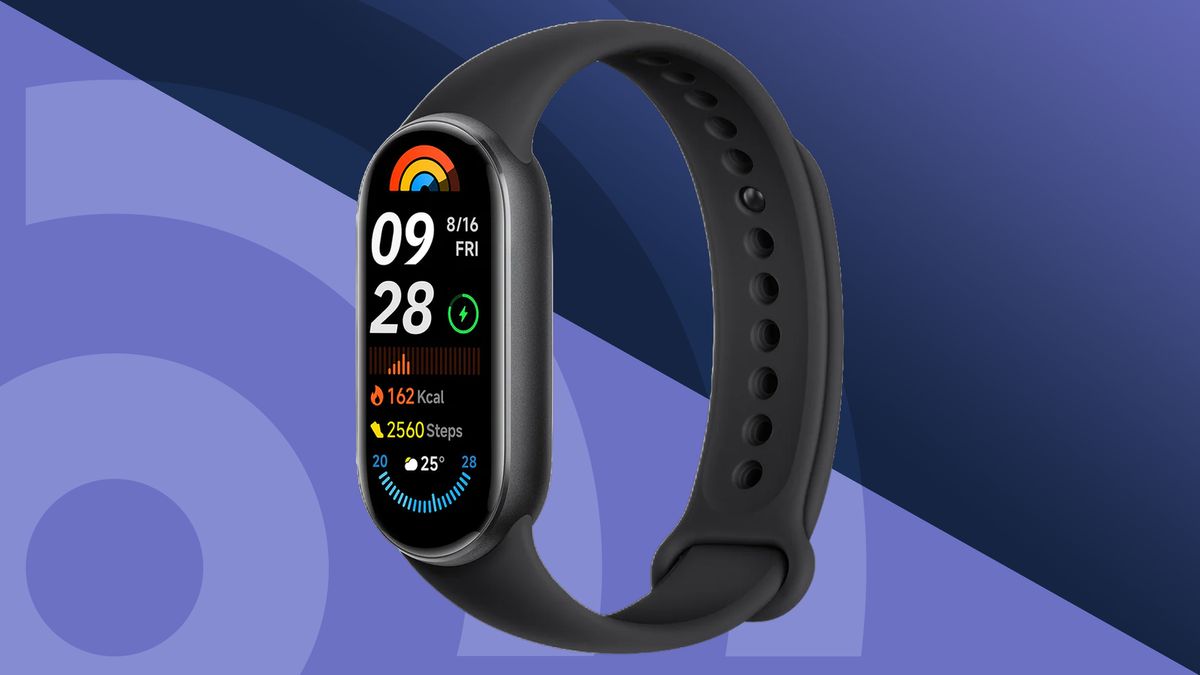
- Xiaomi Mi Band (various versions): Often $30-50, good for steps and notifications, decent app.
- Amazfit Band 5: Around $40, includes basic heart rate and sleep, Alexa support.
- Honor Band: Similar price, simple app, fair accuracy.
- Realme Band: $20-30, basic features, colorful display.
- No-name Amazon brands: Prices as low as $15, but quality is hit or miss.
Most of these are okay for simple use, but the first three brands usually offer better support and updates.
Price Vs. Value: Is It Worth Saving Money?
It is tempting to buy the cheapest tracker you can find. But remember, value is not just price. If a tracker breaks in two months or gives wrong data, even $15 is too much.
For many people, spending $40-50 for a trusted brand is better than $15-20 for a no-name device. The extra cost buys you:
- More accurate steps
- Better app and data safety
- Longer life
- Support if something goes wrong
If you are new to fitness tracking, a cheap tracker can be a good start. But if you take health seriously or want to track real progress, a better model is worth it.
Data And Feature Comparison: Cheap Vs. Expensive
To help you see the differences, here’s another look at what you get at different price levels:
| Price Range | Typical Features | Limitations |
|---|---|---|
| $10-$30 (Ultra Cheap) | Step counter, basic heart rate, notifications | Poor accuracy, weak build, bad app, no support |
| $30-$60 (Budget) | Steps, heart rate, sleep, basic water resistance, better app | Still not perfect accuracy, limited features, basic design |
| $100+ (Premium) | Accurate sensors, GPS, advanced sleep, strong build, top apps | Higher price, more features than some need |
Non-obvious Insights Most Beginners Miss
- Syncing Issues: Many cheap trackers have trouble syncing data to your phone, especially after software updates. Sometimes, your data may disappear if you switch phones or reset the device.
- Hidden Costs: Some apps from unknown brands show ads or ask for payment to unlock features. What looks cheap at first can end up costing more over time.
- No Medical Use Approval: Cheap trackers are not approved for medical use. If you need to track heart rate for a doctor, only use medical-grade devices.
What Science Says About Cheap Fitness Trackers
Studies in the medical field have tested cheap trackers and found:
- Step counting: Often okay for daily totals but not for exact tracking during slow walks or running.
- Heart rate: Good enough for average resting heart rate, but poor for exercise or health monitoring.
- Sleep: Only useful for seeing general patterns, not for diagnosing sleep problems.
One study published in the Journal of Medical Internet Research found that Fitbit and Apple Watch were much more accurate than budget brands for both heart rate and steps. For more on this, see the NIH study on wearable accuracy.
Should You Trust A Cheap Fitness Tracker?
The answer depends on your goal. If you want perfect data, spend more. If you want a simple reminder to move, a cheap tracker can help.
Trust cheap trackers for:
- General step tracking
- Simple motivation
- Basic reminders
Do not trust them for:
- Medical decisions
- Serious sports training
- Detailed sleep or heart health tracking
Final Thoughts
Cheap fitness trackers are popular because they are easy to buy and use. For basic step counting and as a habit builder, they can work well enough. But their data is not always accurate or reliable. If you need more than a simple step counter, or if you want to track your health closely, it is better to invest in a trusted brand.
Always check reviews, test the device if you can, and remember that your health is worth more than the lowest price.
Frequently Asked Questions
Are Cheap Fitness Trackers Accurate For Counting Steps?
Most cheap fitness trackers are reasonably accurate for daily step totals, but they can be wrong by 15-20%. They may count extra steps from hand movement or miss steps if you walk slowly. For casual use, this is usually good enough.
Can I Use A Cheap Fitness Tracker For Heart Health Monitoring?
No, cheap trackers are not reliable for medical heart health. Their sensors can be off by 10-25 beats per minute, especially during exercise. For health problems, always use a device approved by doctors.
How Long Do Cheap Fitness Trackers Usually Last?
Many budget trackers last 6-12 months with daily use. Weak straps, poor water resistance, and basic batteries mean they can break faster than premium brands. If you need something for tough sports or long-term use, consider a stronger device.
Are Cheap Fitness Trackers Waterproof?
Most cheap trackers are splash resistant (IP67), meaning they can handle sweat or rain but not swimming or showers. Only more expensive models are really waterproof (5ATM rating or higher).
Is My Data Safe With A Cheap Fitness Tracker?
Data security is a real risk with unknown brands. Some apps collect more data than needed or store it in places with weak privacy laws. Always check the app’s privacy policy, and choose known brands for better safety.

