
Can Fitness Trackers Track Stress Levels?
Fitness trackers have changed the way many people approach health and wellness. You can now see your steps, heart rate, calories burned, and even your sleep patterns—all from your wrist. But as technology improves, these devices claim to do even more, like tracking your stress.
Can fitness trackers really measure stress levels? Or is it just clever marketing? If you’re curious about whether these devices can help you manage stress, how accurate they are, and what science says, this article will give you practical, easy-to-understand answers.
How Do Fitness Trackers Claim To Measure Stress?
Most modern fitness trackers, such as Fitbit, Garmin, Apple Watch, and Samsung devices, now include a stress tracking feature. But fitness trackers don’t read your mind or emotions directly. Instead, they use several physical signals as stress indicators.
The Main Methods Used
- Heart Rate Variability (HRV):
- HRV is the time between each heartbeat. When you’re stressed, your HRV often drops because your body goes into “fight or flight” mode. Most fitness trackers use HRV as a key measurement for stress.
- Electrodermal Activity (EDA):
- Some advanced trackers, like newer Fitbits, have sensors that measure changes in your skin’s sweat levels. When you’re stressed, your skin may become slightly more moist, and EDA sensors can detect this.
- Breathing Rate:
- Stress often makes you breathe faster and more shallowly. Some trackers measure how your breathing changes over time.
- Sleep Patterns:
- Poor sleep or restless nights can be linked to stress. Some trackers use your sleep quality as a clue for stress detection.
- Physical Activity Patterns:
- Unusual drops or spikes in your activity might show stress or recovery periods.
These measurements are collected by the sensors in your device, then analyzed by algorithms. The device gives you a stress score or alert if it thinks you’re stressed.
What Is Heart Rate Variability (hrv) And Why Does It Matter?
Many people think a high or low heart rate is the most important number for health. But when it comes to stress, heart rate variability is more telling. HRV is simply the difference in time between each heartbeat. For example, if your heart beats 60 times per minute, it doesn’t always beat once every second; there are tiny ups and downs in timing.
A higher HRV generally means your body is relaxed and your nervous system is balanced. A lower HRV can mean your body is under stress, tired, or fighting illness.
Real-world Example
Imagine two people both have a resting heart rate of 70 beats per minute. One has a steady, almost metronome-like rhythm. The other has tiny differences between each beat. The second person, with more variability, is likely less stressed or better able to handle stress.
Fitness trackers use special sensors (usually optical, called PPG sensors) to measure your HRV. They then compare your HRV to your usual baseline and estimate your stress.
How Accurate Are Fitness Trackers At Measuring Stress?
Fitness trackers give you a general idea of your stress levels, but they are not medical devices. Their accuracy depends on many factors:
Factors That Affect Accuracy
- Sensor Quality: High-end devices (like Apple Watch or Fitbit Sense) tend to have better sensors than cheaper models.
- Skin Tone and Fit: Darker skin, tattoos, or loose straps can interfere with readings.
- Movement: Lots of movement or exercise can affect the data.
- Baseline Data: Devices work better if you wear them often, so they learn what’s normal for you.
- Algorithm Differences: Each brand uses its own software to interpret the data, which may give slightly different results.
Several studies show that while trackers can pick up big changes in stress, they might miss mild or short-term stress. They are good for trends, not for moment-to-moment decisions.
Comparing Popular Fitness Trackers
Here’s a quick look at how three popular trackers approach stress measurement:
| Device | Main Stress Sensor | Stress Score System | Unique Feature |
|---|---|---|---|
| Fitbit Sense | EDA, HRV | 0-100 (lower is better) | Guided breathing sessions |
| Apple Watch Series 8 | HRV | No single score, uses HRV trend | Mindfulness app integration |
| Garmin Venu 2 | HRV, Breathing Rate | Color-coded stress bar | Body Battery score |
The Science Behind Stress And Wearables
It’s easy to be skeptical about whether a tiny wrist gadget can really “see” your stress. But there’s real science behind the idea.
What Research Shows
- HRV and Stress: Multiple studies confirm a strong link between lower HRV and higher stress levels. HRV is widely used in research and hospitals to monitor stress, anxiety, and even depression.
- EDA Sensors: EDA has been used for decades in lie detector tests and psychological research. It’s a reliable sign of stress, but can be affected by temperature, movement, and even excitement.
- Breathing and Sleep Data: Fast breathing and poor sleep are classic signs of stress. Trackers that combine several signals (multi-sensor) do a better job than those that use just one.
A 2021 study from the Journal of Medical Internet Research found that consumer wearables can reliably spot chronic stress patterns but are less effective for fast changes in mood or very short-term stress.
What Are The Limitations Of Stress Tracking?
Even the best fitness trackers have limits when it comes to stress:
They Measure Physical, Not Emotional, Stress
Fitness trackers can’t read your thoughts or feelings. They measure physical changes linked to stress. But sometimes your heart rate goes up for other reasons—like excitement, caffeine, or exercise.
False Positives And Negatives
Sometimes, your tracker may say you’re stressed when you’re not (false positive), or miss real stress (false negative). This can happen if you’re sick, have a fever, or just finished running.
Context Matters
Fitness trackers don’t know what’s happening in your life. If you’re nervous before a job interview, the tracker sees only your heart rate and skin. It doesn’t know why you’re stressed, only that your body is showing signs.
Not A Replacement For Medical Advice
If you have ongoing anxiety, depression, or stress problems, don’t rely only on your tracker. Always talk to a healthcare professional for real help.
How Do Fitness Trackers Present Stress Data?
Each brand tries to make stress data easy to read. Here’s how most trackers show your stress:
- Stress Score: A number, usually from 0 to 100. Lower numbers mean less stress.
- Color Bars: Some use green/yellow/red bars to show low, medium, or high stress.
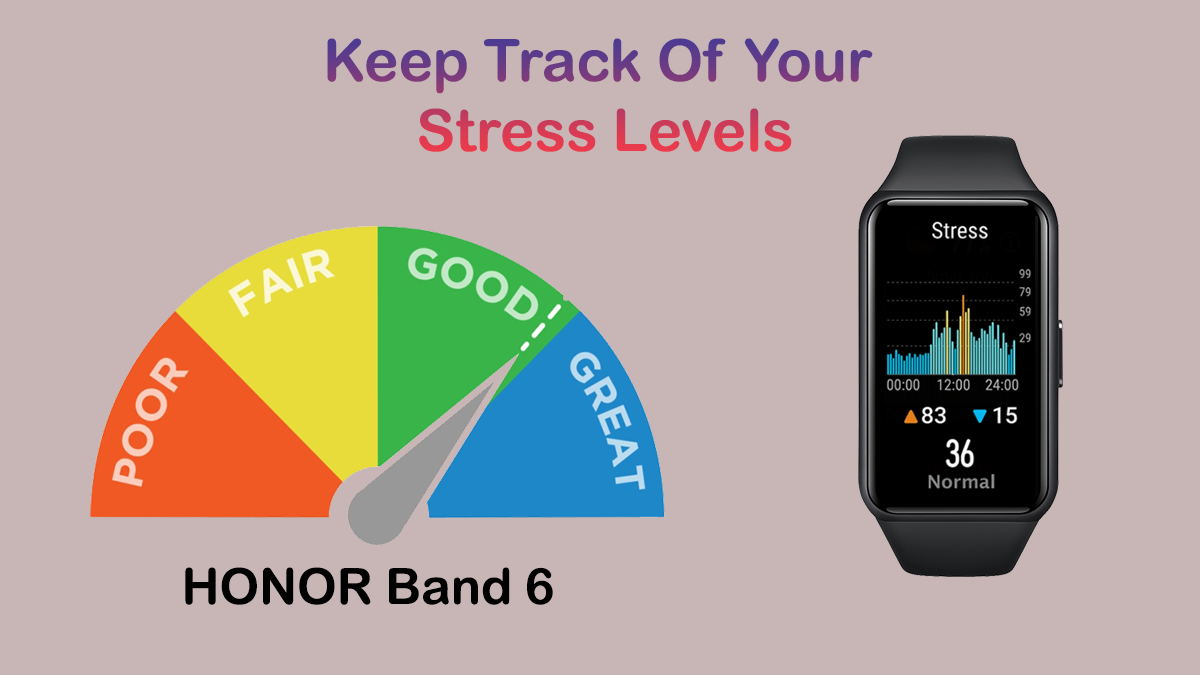
- Daily Timeline: Trackers may show a chart of your stress over the day.
- Notifications: You might get a buzz if your stress goes up, or reminders to breathe deeply.
Example: Fitbit Stress Score
Fitbit uses a daily Stress Management Score. It combines your HRV, EDA, and activity levels. A score above 80 is considered very good, while below 50 means you may be more stressed.
Example: Garmin Body Battery
Garmin doesn’t give a “stress score,” but uses Body Battery, which goes from 0 to 100. This score drops as stress and activity increase, and rises with rest and recovery.
What Can You Do With Your Stress Data?
Getting a stress score is just the start. The real value comes from using that data to make changes. Here’s how you can use fitness tracker data to help manage stress:
Spot Patterns
Over time, you may see that your stress spikes on certain days or after certain events. For example, maybe your stress is higher after late-night work or before meetings.
Practice Relaxation Techniques
Many trackers offer guided breathing exercises or mindfulness reminders. If your device alerts you to high stress, try using these features for a few minutes.
Adjust Your Routine
If you notice your stress is always high on days you skip lunch or sleep poorly, you can make small changes to your routine.
Share With Your Doctor
If you’re working with a doctor or therapist, sharing your stress data can give them helpful insights about your daily life.
Which Fitness Trackers Offer The Best Stress Tracking?
Not all devices are equal. Here’s a look at some top trackers for stress monitoring and what sets them apart.
| Device | Stress Sensors | Best Feature | Price Range (USD) |
|---|---|---|---|
| Fitbit Sense 2 | EDA, HRV, Skin Temp | On-demand EDA scans | $250–$300 |
| Apple Watch Series 8 | HRV, Breathing Rate | Mindfulness app | $399–$499 |
| Garmin Venu 2 | HRV, Pulse Ox, Breathing | Body Battery | $350–$400 |
| Samsung Galaxy Watch 5 | HRV, Stress App | Real-time stress alerts | $279–$329 |
| Whoop 4.0 | HRV, Skin Temp, Sleep | In-depth analytics | Membership, $30/mo |
When choosing a tracker, think about which features matter to you. For example, do you want guided breathing, detailed reports, or just basic alerts? Price, comfort, and phone compatibility also matter.

How To Get The Most Accurate Stress Data
If you want your tracker to give you the best stress insights, follow these tips:
- Wear It Regularly: The more you wear your tracker, the more it learns about your normal patterns.
- Keep It Snug, Not Tight: A good fit helps sensors work best, but don’t cut off circulation.
- Clean the Sensors: Sweat, dirt, or lotion can block sensors. Wipe them gently with a soft cloth.
- Sync Your Data: Keep your app updated and sync often so your device can analyze all the data.
- Log Your Feelings: Many apps let you log your mood or stress events. This helps the device learn your unique stress patterns.
- Avoid Caffeine and Alcohol Before Scans: These can affect your heart rate and skin response.
Common Mistakes People Make With Stress Tracking
Even with good technology, mistakes can happen. Avoid these common errors:
- Believing the Device Is Always Right: Remember, stress tracking is an estimate, not a fact.
- Ignoring Context: If you get a high stress alert after exercise, it may just be physical activity, not emotional stress.
- Obsessing Over Numbers: Checking your stress score every hour can actually make you more anxious.
- Not Using the Features: Many people never try the relaxation or guided breathing tools that come with their tracker.
- Comparing With Others: Your stress score is unique to you. Don’t worry if your friend’s numbers are different.

Can Fitness Trackers Help Reduce Stress?
Trackers themselves don’t lower your stress. But they can be useful tools for stress management if used well. Here’s how:
Encouraging Mindfulness
When you see your stress level go up, it’s a reminder to pause and take a few deep breaths or use a meditation app.
Creating Better Habits
Seeing links between poor sleep, missed meals, or overworking and high stress can motivate you to build healthier routines.
Tracking Progress
If you start relaxation techniques, better sleep habits, or exercise, you can see if your stress scores improve over weeks or months.
Communication With Healthcare Providers
Bringing data to your doctor or therapist can help them understand how stress affects your daily life.
Non-obvious Insights Beginners Usually Miss
- Stress Can Be “Good” or “Bad”: Not all stress is harmful. Short bursts of stress (like before a speech or exam) can be helpful and motivate you. Trackers don’t tell the difference between positive and negative stress.
- Baseline Is Key: Your normal stress score is unique. Two people can have very different scores but feel the same. Focus on your trends, not just the numbers.
- Stress Scores Fluctuate Naturally: Small changes in your stress score are normal and don’t always mean something is wrong.
- Some Stress Is Physical, Not Emotional: Illness, dehydration, and even hot weather can raise your stress score.
- Feedback Loops Matter: If you get anxious about your stress score, your stress can actually go up—a cycle called a feedback loop.
What About Privacy? Is Your Stress Data Safe?
Wearing a fitness tracker means sharing a lot of personal information. Most companies keep your data private, but there are risks:
- Data Sharing: Some apps share data with third parties (like advertisers) if you allow it.
- Cloud Storage: Your data may be stored online. Make sure your app uses good security.
- Account Protection: Use strong passwords and two-factor authentication where possible.
It’s important to read the privacy policy of your device and app. If you’re worried, you can often turn off stress tracking or delete your data.
Are There Alternatives To Fitness Trackers For Stress Tracking?
Yes. If you don’t want to use a wearable, there are other ways to track or manage stress:
- Mobile Apps: Some apps use your phone’s camera or microphone to estimate HRV or breathing rate.
- Manual Logs: Keeping a journal of your feelings and activities can help spot stress patterns.
- Medical Devices: Hospitals use more advanced equipment for serious cases.
- Biofeedback Devices: Special gadgets can give you real-time feedback to help you relax.
Some people prefer old-fashioned methods, while others like the convenience of a tracker.
Can Fitness Trackers Predict Panic Attacks Or Anxiety?
Fitness trackers can sometimes spot early signs of panic attacks (like rapid heart rate or fast breathing), but they cannot predict them with certainty. Some people find alerts helpful if they tend to miss their body’s warning signs. However, if you have panic attacks or anxiety, always consult a healthcare professional for real support.
The Future Of Stress Tracking In Fitness Tech
Stress tracking is just getting started. In the future, expect:
- More Sensors: New trackers may measure hormones or brain activity.
- Smarter Algorithms: Devices will get better at telling the difference between types of stress.
- Personalized Coaching: Trackers may offer tailored advice based on your unique stress profile.
As technology improves, stress tracking may become a bigger part of daily health management.
For a deeper dive on wearable sensors and stress, see this Wikipedia article on wearable technology.
Frequently Asked Questions
What Is The Most Accurate Fitness Tracker For Stress?
No device is perfect, but the Fitbit Sense 2 and Apple Watch Series 8 are known for advanced sensors and strong stress tracking features. However, accuracy also depends on how you wear and use the device.
Can Fitness Trackers Diagnose Anxiety Or Depression?
No, fitness trackers cannot diagnose any mental health condition. They only measure physical signs like HRV or EDA. Always talk to a healthcare provider if you have mental health concerns.
Do I Need To Wear My Tracker All Day For Best Results?
Wearing your tracker most of the day (and night) helps it learn your baseline and spot trends. Occasional use gives less accurate results for stress tracking.
Will Stress Tracking Drain My Battery Faster?
Yes, using advanced features like EDA scans or frequent heart rate checks can use more battery. Some devices offer battery-saving modes or let you adjust how often measurements are taken.
Can Kids Or Teenagers Use Stress Trackers?
Yes, but remember that kids and teens have different heart rates and activity levels. Their stress scores may not match adult numbers, so focus on trends and consult a pediatrician for advice.
If you’re thinking about using a fitness tracker to manage stress, remember that these devices are best for seeing patterns and encouraging healthy habits—not for medical diagnosis. Used wisely, they can be a powerful tool for self-awareness and positive change.
But always listen to your body and mind first.

