
Staying healthy is a goal for many people today. But with busy lives and so many distractions, it’s easy to lose track of how much we move, sleep, and eat. This is where fitness trackers come in. These small devices, worn on your wrist or body, have become a popular tool for anyone who wants to monitor their daily activity and improve their health. But what is a fitness tracker, and why has it become such a big part of modern life? Let’s dive deep into what these devices do, how they work, and why you might want to use one.
What Is A Fitness Tracker?
A fitness tracker is a wearable device designed to help you measure and record different aspects of your physical activity, health, and sometimes even your sleep. Most fitness trackers look like a watch or a slim bracelet. They use sensors to gather data about your movements, heart rate, steps, and more. This information is then shown on the device’s screen or in a connected app on your smartphone.
Fitness trackers can be simple, only counting steps, or advanced, measuring heart rate, blood oxygen, sleep patterns, and even stress levels. Their main goal is to help you understand your daily habits, motivate you to move more, and support you in reaching your health goals.
How Fitness Trackers Work
Fitness trackers use a mix of sensors, algorithms, and software to collect and analyze data. Let’s look at the main components that make these devices work:
Sensors
Most trackers include several sensors:
- Accelerometer: Measures movement and direction. It helps count steps and track activities like running or cycling.
- Gyroscope: Detects rotation and orientation, making activity tracking more accurate.
- Heart Rate Sensor: Uses light to detect your pulse through your skin.
- Altimeter: Tracks changes in altitude, such as climbing stairs.
- GPS: Some advanced trackers have GPS to map your routes when you run, walk, or cycle.
- Temperature and SpO2 Sensors: Measure skin temperature and blood oxygen levels in some models.
Data Collection And Analysis
The tracker gathers data all day. It uses special formulas (algorithms) to translate raw sensor data into useful information, like steps taken, calories burned, or hours slept. This data is often sent to a smartphone app, where you can see detailed charts and summaries.
Communication
Most fitness trackers connect to your phone using Bluetooth. Some advanced models can use Wi-Fi or even have built-in cellular connections. The app is where you check your daily stats, set goals, and review progress over time.
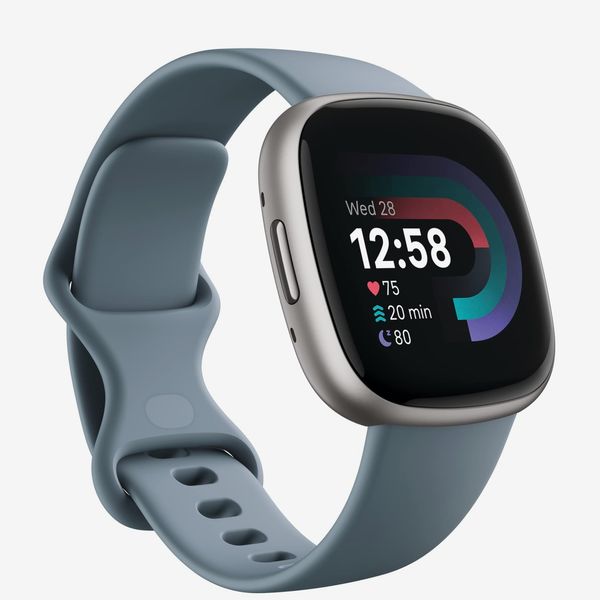
Main Features Of Fitness Trackers
Fitness trackers have grown from simple pedometers into powerful health tools. Here are the most common features you’ll find:
- Step Counting: All fitness trackers can count steps. This is the most basic feature and helps you see how active you are each day.
- Distance Tracking: Using step data and your stride length, trackers estimate the distance you’ve traveled.
- Calorie Counting: By analyzing your activity, trackers estimate how many calories you’ve burned.
- Heart Rate Monitoring: Many devices measure your heart rate all day and during workouts. This can help you track your fitness level and see how hard you’re working.
- Sleep Tracking: Trackers can monitor your sleep patterns, including how long you sleep and the quality of your rest.
- Activity Recognition: Modern trackers can identify different activities, such as walking, running, cycling, or swimming.
- Workout Modes: Many devices have special modes for specific exercises, giving more accurate data.
- GPS Tracking: Some trackers have GPS for mapping outdoor activities without needing your phone.
- Reminders to Move: If you sit too long, trackers can gently remind you to get up and move.
- Smart Notifications: Many trackers show calls, texts, and app alerts from your phone.
- Goal Setting: Set personal goals for steps, distance, or calories, and track your progress.
- Water Resistance: Many are water-resistant or waterproof, so you can wear them in the shower or while swimming.
- Stress Monitoring: Some models analyze heart rate patterns to estimate stress levels.
- Blood Oxygen (SpO2) Monitoring: Advanced trackers can measure your blood oxygen level, which can be important for health and performance.
- Female Health Tracking: Some trackers help women monitor menstrual cycles and related symptoms.
- Music Control: Control music on your phone directly from your wrist.
- Contactless Payments: Advanced models let you pay with your tracker using NFC technology.
- Customizable Watch Faces: Personalize how your tracker looks and the information it shows.
Not every tracker includes all these features, but even basic models offer useful insights for most people.
Types Of Fitness Trackers
There are several kinds of fitness trackers, each designed for different needs:
Basic Bands
These are simple, lightweight devices that focus on step counting and basic activity tracking. They are affordable and easy to use, making them a good choice for beginners.
Advanced Fitness Bands
These offer more features, such as heart rate monitoring, sleep tracking, and sometimes GPS. They are still slim and comfortable but provide deeper insights.
Smartwatches
Smartwatches like the Apple Watch or Samsung Galaxy Watch combine advanced fitness tracking with smartphone features. They have large screens, more sensors, and can run apps, but are usually more expensive.
Sports Watches
Made for athletes, these devices have advanced features like precise GPS, long battery life, and detailed workout analysis. Brands like Garmin and Polar are popular in this category.
Clip-on Trackers
Some trackers are small enough to clip onto your clothes or shoe. They are good for people who don’t want to wear something on their wrist but still want to track activity.
Specialized Trackers
A few trackers focus on special needs, like tracking swimming, cycling, or even monitoring children’s activity.
Here’s a quick comparison of the main types:
| Type | Main Features | Best For | Price Range |
|---|---|---|---|
| Basic Band | Steps, distance, simple sleep | Beginners, budget buyers | Low |
| Advanced Band | Heart rate, sleep, GPS (sometimes) | Everyday users | Medium |
| Smartwatch | Full fitness + smartphone features | Tech lovers, multitaskers | High |
| Sports Watch | Advanced fitness, multi-sport, long battery | Athletes, outdoor use | High |
| Clip-On | Basic tracking, discreet | Non-wrist users | Low |
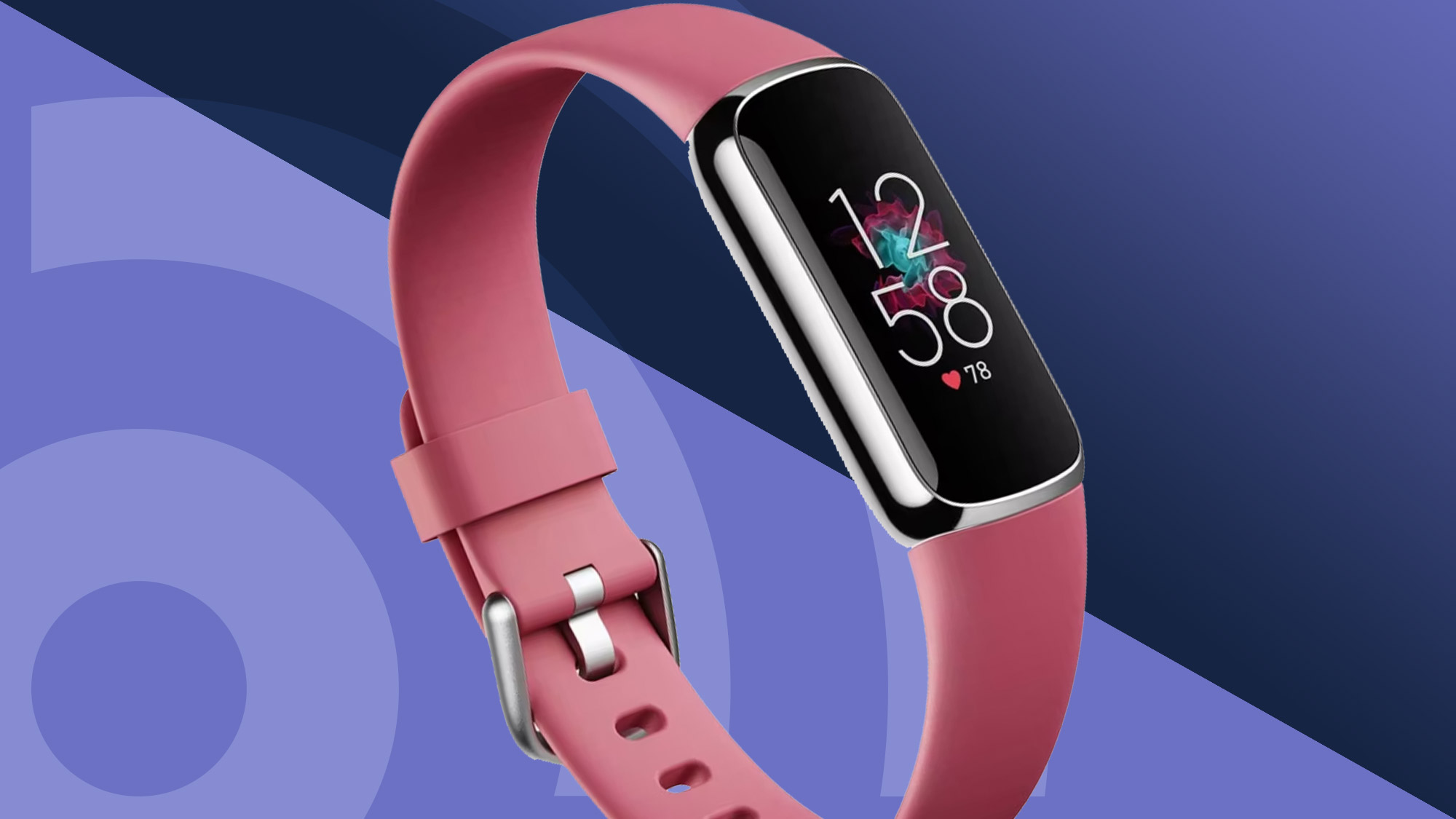
Benefits Of Using A Fitness Tracker
Millions of people use fitness trackers every day. Why? Let’s look at the key benefits:
Motivation And Accountability
One of the biggest advantages is motivation. Seeing your step count rise or getting a “goal reached” message can push you to do more. Many people find that just wearing a tracker makes them more active.
Better Awareness Of Activity
Many people overestimate how much they move. A fitness tracker gives you real data, so you know if you’re meeting health guidelines, like 10,000 steps a day or 30 minutes of exercise.
Health Insights
Trackers help you spot patterns, such as sleeping poorly after late-night screen time or feeling better after a walk. Some even warn you about irregular heart rates or high stress, which can prompt you to seek medical advice.
Goal Setting
Setting daily or weekly goals (steps, workouts, sleep) and tracking progress makes it easier to build healthy habits. Achieving small goals regularly can lead to bigger lifestyle changes.
Social Support
Most trackers let you connect with friends, join challenges, or share achievements. This friendly competition or support can boost your motivation.
Early Problem Detection
Heart rate and sleep monitoring can sometimes reveal hidden problems. For example, some users have discovered heart rhythm issues or sleep apnea thanks to their device, leading to early diagnosis by a doctor.
Customization
You can tailor your tracker to your needs—set reminders, create custom workouts, and adjust alerts. This makes the device more useful and personal.
Non-obvious Insight: Overtraining Detection
Some advanced trackers can alert you if your body shows signs of overtraining—for example, high resting heart rate or poor sleep after several hard workouts. This helps prevent injuries and burnout.
Non-obvious Insight: Tracking Non-exercise Activities
Fitness trackers don’t just count workouts. They also record activities like walking the dog, cleaning, or gardening. This helps you see the value of daily movement, not just gym time.
Common Drawbacks And Limitations
While fitness trackers offer many benefits, they also have some downsides:
Accuracy Issues
No tracker is perfect. Step counts can be off if you move your arms a lot, push a stroller, or do activities like cycling. Heart rate readings may be less accurate during intense exercise or on darker skin tones, though technology is improving.
Battery Life
More features often mean shorter battery life. Basic bands can last for weeks, but smartwatches with big screens and GPS may need charging every day or two.
Data Overload
Some users feel overwhelmed by all the numbers and charts. It’s important to focus on the most useful data and not stress about every small detail.
Privacy Concerns
Trackers collect personal health data, which is stored in apps or the cloud. There’s a risk of data leaks or misuse. Always check privacy policies and use strong passwords.
Cost
Advanced trackers can be expensive. It’s important to choose a device with features you’ll actually use, not just the most expensive one.
False Sense Of Security
Some people think wearing a tracker alone will make them healthy. But the device is only a tool—you still need to move, eat well, and make good choices.
How To Choose The Right Fitness Tracker
There are hundreds of models on the market. Here’s what matters most when picking one:
- Your Main Goal: Do you want to lose weight, train for a race, improve sleep, or just track daily activity? Pick a tracker that matches your focus.
- Feature Set: Don’t pay for features you won’t use. If you never swim, you don’t need waterproofing. If you want to map runs, GPS is important.
- Comfort and Style: You’ll wear this every day, so choose a device that feels good and suits your style.
- Battery Life: If you hate charging devices, choose a simple tracker with longer battery life.
- Compatibility: Make sure the tracker’s app works with your smartphone (Android or iPhone).
- Budget: Decide how much you want to spend and compare options in that range.
- Ecosystem: Some trackers work better with certain fitness apps or smart home devices.
- Data Privacy: Check how your data is stored and if you can control it.
Here’s a helpful table comparing some key features of popular trackers:
| Brand/Model | Step Counting | Heart Rate | GPS | Sleep Tracking | Battery Life |
|---|---|---|---|---|---|
| Fitbit Charge 5 | Yes | Yes | Built-in | Yes | Up to 7 days |
| Xiaomi Mi Band 7 | Yes | Yes | Connected | Yes | Up to 14 days |
| Apple Watch Series 8 | Yes | Yes | Built-in | Yes | Up to 18 hours |
| Garmin Forerunner 255 | Yes | Yes | Built-in | Yes | Up to 14 days |
How Fitness Trackers Help Different People
Fitness trackers are not just for athletes or tech fans. People of all ages and activity levels can benefit:
- Beginners: Trackers help you see your baseline activity and motivate you to move more.
- Older Adults: Gentle reminders and fall detection features can help keep seniors safe and active.
- Kids: Some trackers are made for children, encouraging them to stay active through games and rewards.
- Office Workers: Reminders to move or stretch can help break up long periods of sitting.
- People with Health Conditions: Monitoring heart rate, sleep, or steps can be valuable for people managing diabetes, high blood pressure, or recovering from illness.
Practical Tips For Getting The Most From A Fitness Tracker
If you decide to use a fitness tracker, here are some tips to make it more effective:
- Wear it Regularly: You need consistent data to see trends. Try to wear it all day, and at night if you want to track sleep.
- Set Realistic Goals: Start with goals you can achieve, such as 7,000 steps a day, and increase slowly.
- Use App Features: Explore your tracker’s app to see all the data and tools it offers—like food logging, challenges, or reminders.
- Check Your Data Weekly: Look for patterns, such as days you are less active, and make small changes.
- Don’t Obsess Over Numbers: The goal is better health, not perfect stats every day.
- Keep It Clean: Wash your band regularly to avoid skin irritation.
- Update Software: Install updates for better accuracy and new features.
The Future Of Fitness Trackers
Fitness trackers are evolving quickly. New models are adding more sensors and smarter software. Here are some trends to watch for:
- More Health Monitoring: Future trackers may measure blood pressure, blood sugar, or even detect certain illnesses early.
- Better Accuracy: Improved sensors and AI will make data more reliable.
- More Personalization: Devices will adapt to your body and habits, giving smarter advice.
- Integration with Medical Care: Some trackers already share data with doctors, and this will likely grow.
- Fashion and Comfort: Expect more stylish, comfortable designs.
According to Wikipedia, global sales of wearable fitness trackers reached over 500 million units by 2022, showing just how popular and useful these devices have become.
Frequently Asked Questions
What Is The Difference Between A Fitness Tracker And A Smartwatch?
A fitness tracker is mainly for tracking physical activity, sleep, and sometimes heart rate. A smartwatch offers these features but also acts like a mini smartphone, showing notifications, running apps, and sometimes letting you make calls or send texts. Smartwatches are usually bigger and have more features, but fitness trackers are simpler and often have longer battery life.
Can Fitness Trackers Measure Blood Pressure?
Most common fitness trackers do not measure blood pressure. Some advanced models try to estimate it, but results may not be accurate. For reliable blood pressure readings, it’s best to use a certified medical device.
Are Fitness Trackers Safe To Wear All Day And Night?
Yes, fitness trackers are generally safe to wear. They use low-power sensors and wireless connections that are not harmful. If you notice any skin irritation, try cleaning the band regularly or switching wrists. People with certain skin allergies should check the materials before buying.
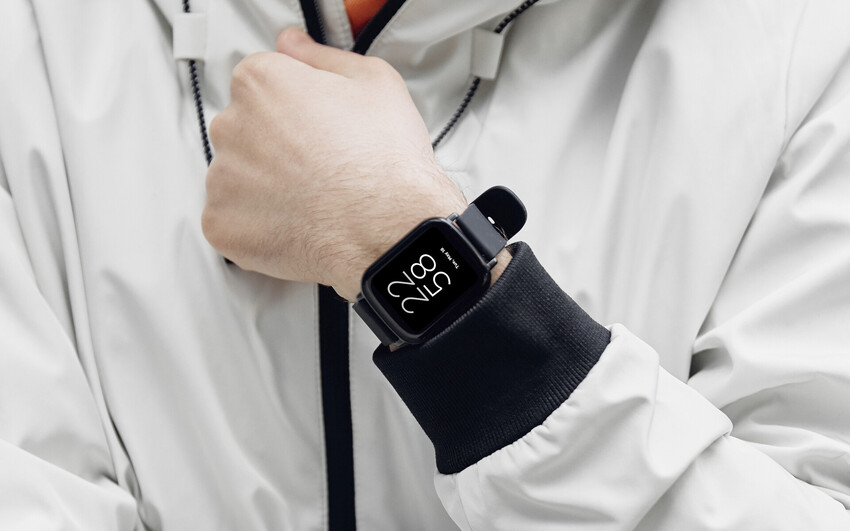
How Accurate Are Fitness Trackers?
Fitness trackers are good for showing general trends, but they are not 100% accurate. Step counts and heart rate can be affected by how you wear the device and the type of activity. Sleep tracking is also an estimate, not a medical-grade reading.
Use the data as a guide, not as a precise measurement.
Can I Use A Fitness Tracker Without A Smartphone?
Some basic fitness trackers work without a phone, but you’ll get limited data. Most features, like detailed reports and GPS mapping, need the tracker to sync with a smartphone app. Some advanced models have their own screens and GPS, so you can use them for basic tracking without a phone.
Fitness trackers have changed the way we understand and manage our health. Whether you’re just starting out or training for a marathon, these devices offer powerful tools to help you move more, sleep better, and take control of your well-being.
When used wisely, they are not just gadgets—they are partners in your journey to a healthier life.

