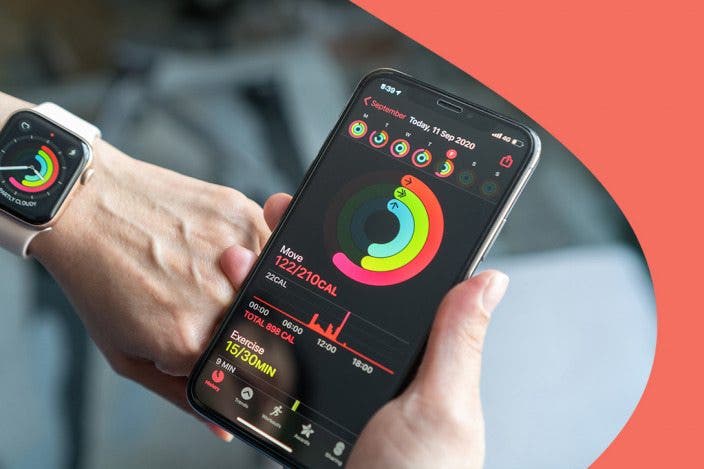
Everywhere you look, people are wearing fitness trackers. These little devices promise to count your steps, track your heart rate, measure your sleep, and even estimate how many calories you burn. But as popular as they are, a big question remains: Are fitness trackers accurate? People use them to set health goals, guide workouts, and even share data with doctors. If the numbers aren’t reliable, it could mean missed goals or even health risks. This article takes a clear, honest look at how accurate fitness trackers are and what you really need to know before trusting the numbers on your wrist.
How Fitness Trackers Work
Before judging accuracy, it helps to know how fitness trackers gather and process information. Most trackers use sensors to collect physical data. The most common sensors are:
- Accelerometers: Measure movement in different directions. These are the main sensors for counting steps.
- Optical heart rate monitors: Use light to detect blood flow and estimate your heart rate.
- Gyroscopes: Detect rotation or changes in direction, helping to spot specific activities.
- GPS: Tracks your location and distance when you walk, run, or cycle outdoors.
Fitness trackers take raw data from these sensors and use algorithms to turn it into information you can use. For example, an accelerometer counts repetitive arm swings as steps, while heart rate sensors shine light through your skin to see how fast your heart is beating.
Step Counting: How Accurate Are They?
Counting steps is the most basic promise of a fitness tracker. But even this simple number can be off. Studies show that most trackers are reasonably accurate when you walk at a normal pace, especially on flat surfaces. The numbers may be within 5%–10% of your real step count. However, the accuracy can drop in certain situations:
- Slow walking: Trackers may miss steps if your movements are gentle or if your arms don’t swing much.
- Pushing a stroller or shopping cart: Many trackers rely on wrist movement, so pushing something can cause undercounting.
- Wrist position: Wearing the tracker too loosely or on your non-dominant hand may affect readings.
- Vigorous arm movements: Activities like washing dishes or clapping can be misread as steps.
If you use a clip-on tracker at your waist, you might get more consistent counts, especially if you often use your hands for other things. But for most people, wrist-based trackers are “good enough” for daily step goals, as long as you’re aware of these limitations.

Heart Rate Monitoring: The Good And The Bad
Most modern fitness trackers use optical sensors to estimate your heart rate. They shine green light into your skin and measure how much light is absorbed by blood as it pulses through your veins. This method is called photoplethysmography (PPG).
When Are Readings Accurate?
Fitness trackers can give fairly accurate heart rate readings when you’re at rest or doing steady activities like walking. For example, several studies have shown that devices from brands like Fitbit, Apple, and Garmin are usually within 5–10 beats per minute (bpm) of a chest strap monitor, which is the gold standard.
When Do They Fail?
Accuracy drops during certain situations:
- High-intensity workouts: Fast arm movements or sweat can interfere with the light sensors, causing errors.
- Dark or tattooed skin: The sensor may have trouble reading through darker pigmentation or ink.
- Wearing position: A loose band, hair under the sensor, or wearing the device too high or low can give false readings.
For serious athletes or anyone monitoring heart health, a chest strap is still the most reliable. However, for casual users, a fitness tracker offers a convenient estimate.
Calorie Burn Estimates: Are They Trustworthy?
This is where most fitness trackers struggle. Estimating how many calories you burn is much harder than counting steps or measuring heart rate. Trackers use a mix of data—your age, weight, sex, heart rate, and movement—to make an educated guess.
What The Research Says
Several independent studies have tested popular trackers, including models from Apple, Fitbit, and Samsung. Results show that calorie counts can be off by 10% to as much as 40% compared to laboratory measurements.
For example, if your tracker says you burned 500 calories during a workout, the real number could be anywhere from 300 to 700 calories. That’s a big difference, especially if you’re using the data for weight loss or nutrition planning.
Why The Numbers Are Off
- Metabolism is unique: Each person burns calories at a different rate, even during the same activity.
- Algorithms are generic: Trackers use average values, not your personal metabolism.
- Unmeasured activities: Lifting weights or cycling may not register the same as walking or running.
If you want to use a fitness tracker for calorie management, treat its calorie numbers as a rough estimate, not a precise measurement.
Sleep Tracking: Can You Rely On It?
Many fitness trackers promise to measure how long and how well you sleep. They do this by sensing movement and, in some cases, heart rate changes. But true sleep science uses polysomnography, a test that measures brain waves, eye movement, and muscle activity—far beyond what a wrist device can do.
What Trackers Can And Can’t Do
Trackers are fairly good at measuring when you fall asleep and when you wake up. They can also estimate total sleep time with moderate accuracy—usually within 30 minutes of real values.
However, they are much less accurate at telling what type of sleep you’re getting (deep, light, REM). Most devices guess sleep stages based on movement and heart rate, but this is very imprecise. For people with sleep disorders, relying on a tracker can be misleading.
A Useful Tool, Not A Medical Device
If you want a general idea of your sleep patterns—whether you’re sleeping more or less over time—a fitness tracker can help. But for medical questions, a sleep study is still the best option.
Gps And Distance Tracking
For runners and cyclists, knowing how far you’ve gone matters. Trackers with built-in GPS can map your route and measure distance. Most modern devices are pretty accurate outdoors, usually within 1–5% of the real distance. However, accuracy depends on several factors:
- Signal quality: Dense trees, tall buildings, or tunnels can block GPS signals.
- Start-up time: If you start moving before the GPS “locks in,” early readings can be inaccurate.
- Type of activity: Walking, running, and cycling are easiest to track. Swimming or indoor workouts are less reliable.
For most people, GPS-enabled trackers are accurate enough for training and logging outdoor activities.
Here’s a quick comparison of how some popular devices perform in real-world distance tracking:
| Device | Reported Distance Error (%) |
|---|---|
| Apple Watch Series 8 | 2–3% |
| Garmin Forerunner 255 | 1–2% |
| Fitbit Charge 5 | 3–5% |
| Xiaomi Mi Band 7 | 5–7% |
Comparing Popular Fitness Trackers: Accuracy Overview
With so many models to choose from, you might wonder if some brands are more accurate than others. Here’s a comparison of common features and reported accuracy for four leading trackers:
| Tracker | Step Count Accuracy | Heart Rate Accuracy | Calorie Estimate Accuracy | Sleep Tracking Accuracy |
|---|---|---|---|---|
| Apple Watch Series 8 | Very Good | Good (rest), Fair (exercise) | Fair | Good (total time) |
| Fitbit Charge 5 | Good | Good (rest), Fair (exercise) | Fair | Fair |
| Garmin Forerunner 255 | Very Good | Very Good (rest & exercise) | Fair | Good |
| Xiaomi Mi Band 7 | Good | Fair | Poor | Fair |
Non-obvious insight: Even top devices from leading brands have similar weaknesses—especially with calorie estimates and sleep stages. No device is perfect, but premium models tend to have better sensors and software.
Why Do Fitness Trackers Get It Wrong?
Understanding the weaknesses of fitness trackers helps set realistic expectations. Here are the main reasons for errors:
- Sensor limitations: Wrist sensors may not always detect body movements correctly, especially for activities like cycling or weightlifting.
- One-size-fits-all algorithms: Most brands use general formulas, not personalized data, for calories and sleep.
- Environmental factors: Poor lighting, sweat, skin tone, tattoos, or loose straps all affect readings.
- Data interpretation: Trackers often guess what activity you’re doing, and a wrong guess can throw off all the numbers.
Non-obvious insight: Many people don’t realize that even small things—like wearing your device on a different wrist or at the wrong tightness—can change your results.
When Accuracy Matters Most
While fitness trackers are fun and motivational, there are times when accuracy is critical:
- Medical conditions: If you need to monitor your heart rate or activity for health reasons, talk to your doctor before relying on a tracker.
- High-performance training: Serious athletes may need more precise data, especially for tracking progress or making training decisions.
- Weight loss: If you’re using calorie data to guide eating or exercise, remember that errors could slow your progress or lead to frustration.
How To Get The Most Accurate Readings
If you want to improve your tracker’s accuracy, try these practical tips:
- Wear it correctly: Make sure your device is snug but not too tight. Place it above your wrist bone, and use the recommended wrist (usually non-dominant).
- Update your profile: Enter your real age, weight, height, and sex in the app. This helps the tracker’s calculations.
- Use built-in activity modes: Start a specific activity (walking, running, cycling) when you exercise. The tracker will use different algorithms for each.
- Keep firmware up to date: Manufacturers release updates that improve accuracy and add new features.
- Sync regularly: Upload your data to the app often. This ensures your stats are stored and analyzed correctly.
- Be aware of limitations: Don’t expect perfect results for calories or sleep stages. Use the data as a trend, not an exact measurement.
Real-world Examples: When Trackers Succeed And Fail
Let’s look at a few scenarios:
- Everyday walking: Fitness trackers are quite accurate for daily step counting, especially on flat surfaces.
- Running outdoors with GPS: Most devices measure distance well, usually within 2–3% of the real route.
- Yoga or weightlifting: Trackers may undercount steps and misjudge calorie burn because the movement is different from walking or running.
- Group sports: Fast changes in direction or using your hands (volleyball, basketball) often confuse the sensors.
- Short naps: Trackers may not detect naps under 30 minutes, or they might record you as “awake” if you lie still but don’t fall asleep.
Recent Advances In Tracker Technology
The accuracy of fitness trackers is improving. Modern devices now use:
- Multi-sensor arrays: Combining accelerometers, heart rate sensors, and even skin temperature sensors for better results.
- Machine learning: Algorithms are getting smarter by learning from large amounts of user data.
- Personalization: Some brands adjust calculations based on your long-term data, making calorie and sleep estimates more tailored.
- SpO2 and ECG sensors: Newer trackers can monitor blood oxygen levels and even perform basic heart rhythm tests. While not perfect, they add another layer of health data.
Even so, most experts agree that trackers are “good enough” for casual users, but not a replacement for professional medical devices.
Are Fitness Trackers Worth Using If They Aren’t Perfect?
You might wonder if it’s even worth using a fitness tracker if the numbers aren’t 100% accurate. For most people, the answer is yes—if you use them the right way.
Motivation Over Perfection
Fitness trackers help you see your progress, set goals, and stay motivated. Even if the numbers aren’t perfect, the *trend* is usually reliable. If your step count goes up week after week, you are probably moving more. If your sleep improves, you’ll notice the change, even if the device misses a few minutes.
Building Healthy Habits
The real power of a fitness tracker is in helping you create healthy habits. Many people find that just wearing a tracker makes them more active, mindful, and goal-oriented. That’s a win, even if every number isn’t exact.
What The Experts Say
Many health professionals use fitness trackers as part of a bigger picture. Doctors and trainers often recommend using trackers to:
- Spot trends: Look for patterns over weeks or months, not single days.
- Stay accountable: Reminders and daily goals can keep you on track.
- Start conversations: Bring your data to a doctor or trainer to discuss your progress.
But they also warn against relying on trackers for medical decisions or exact calorie counting.
You can read more about current research in this scientific review of wearable accuracy.
Frequently Asked Questions
What Is The Most Accurate Fitness Tracker Right Now?
No single tracker is perfect, but devices from Apple, Garmin, and Fitbit are often rated highly for step and heart rate accuracy. For calorie burn and sleep stages, even the best models can have large errors. Chest straps remain the gold standard for heart rate accuracy.

Can I Trust The Calorie Counts From My Fitness Tracker?
No, you should not trust the calorie counts as exact numbers. Most trackers use basic formulas that can be off by 20% or more. Use the number as a rough guide, but do not base your diet or weight loss plan only on tracker data.
Why Does My Fitness Tracker Show Different Step Counts Than My Friend’s?
Trackers use different algorithms, and small differences in how you wear them (tightness, wrist, placement) can change readings. Your walking style and arm swing also matter. Comparing data is more useful when both people use the same device and settings.
Are Fitness Trackers Safe To Wear All Day?
Yes, for most people, fitness trackers are safe to wear daily. They use low-energy Bluetooth and optical sensors, which are not harmful. If you notice skin irritation, try cleaning the band and wearing it more loosely.
Do Fitness Trackers Help Improve Health?
Fitness trackers can help many people build healthier habits by making activity and sleep more visible. While the numbers are not perfect, regular use is linked to increased activity and more awareness of health behaviors.
Fitness trackers are not perfect, but for most people, they are a helpful tool for building better habits and watching progress. The key is to use them for trends and motivation, not as precise medical devices. Stay aware of their strengths and weaknesses, and you’ll get the most benefit from the technology on your wrist.