
Can Fitness Trackers Track Sleep?
The way we sleep shapes our health, mood, and even how well we think. In recent years, fitness trackers have promised a new way to understand our nights. Many people now wear a smart band or watch to bed, hoping to learn about their sleep. But can these small devices really track sleep with accuracy? And what do their numbers mean for your health?
This guide will help you understand how fitness trackers measure sleep, what the data actually tells you, and whether you should trust these results. We’ll look at the science behind sleep tracking, compare popular brands, discuss the technology, and reveal insights most beginners miss.
If you want to improve your sleep or are thinking about buying a fitness tracker, this article will give you clear, practical advice.
How Fitness Trackers Attempt To Track Sleep
Most fitness trackers use a mix of motion sensors (accelerometers), heart rate monitors, and sometimes even light sensors to guess when you’re asleep and what stage of sleep you’re in. Here’s how it works:
- Movement detection: While you sleep, you usually move less. Trackers watch for long periods of little movement. If you are still for a while, the device assumes you are asleep.
- Heart rate changes: Your heart rate drops and changes pattern during sleep. Many trackers use optical sensors to measure your heart rate variability (HRV), which shifts in deep, light, and REM sleep.
- Additional sensors: Some advanced trackers add skin temperature, blood oxygen (SpO2), or even sound sensors to detect snoring or breathing changes.
- Algorithms: All this data runs through software algorithms trained on large groups of people. The tracker uses this information to estimate when you fell asleep, how long you slept, and sometimes even how much time you spent in each sleep stage.
But sleep is complex. Even in sleep labs, experts use brain waves (EEG), eye movements, and muscle activity to truly track sleep. Fitness trackers are much simpler. This means they can make mistakes, especially with sleep stages.
What Sleep Data Do Fitness Trackers Provide?
When you check your sleep report in the morning, you’ll see a mix of numbers and charts. Most trackers provide:
- Total sleep time: The total minutes or hours you were asleep.
- Sleep stages: Time in light, deep, and REM sleep, plus awake periods.
- Sleep quality score: A summary score based on your sleep duration, regularity, and restlessness.
- Sleep onset and wake time: When you fell asleep and woke up.
- Sleep interruptions: How many times you woke up during the night.
- Heart rate during sleep: Your average, lowest, or highest heart rate while sleeping.
- Blood oxygen (SpO2) levels: Some advanced devices show your blood oxygen saturation during sleep.
Each brand presents this data a bit differently, but the main goal is to help you spot trends and improve your sleep habits.
How Accurate Are Fitness Trackers For Sleep?
Fitness trackers can give you a general idea of your sleep, but they are not medical devices. Here’s what research and expert reviews show:
- Total sleep time: Most trackers are fairly good at measuring when you fall asleep and wake up, usually within 30 minutes of actual times for most people.
- Sleep stages (light, deep, REM): This is where trackers struggle. Studies show accuracy for sleep stages is only about 50–70% compared to lab-based tests. Many trackers mistake quiet wakefulness for light sleep.
- Wake after sleep onset (WASO): Trackers often fail to detect when you are awake in the middle of the night unless you move a lot.
A 2020 review in *Nature and Science of Sleep* found that consumer sleep trackers are best for spotting sleep patterns over time, not for detailed medical analysis. If you have a sleep disorder or need an exact diagnosis, you’ll need a sleep lab test (polysomnography).
Common Mistakes In Tracker Data
- Overestimating sleep time: Trackers may count lying still but awake as sleep.
- Mislabeling sleep stages: REM and deep sleep are hard to measure without brainwave data.
- Missing short awakenings: Unless you toss and turn, a tracker may not notice when you wake up briefly.
Technology Behind Sleep Tracking
Understanding how trackers work helps explain their limits. Here are the main technologies:
- Accelerometer: Measures movement. Stillness means sleep, movement means wakefulness.
- Optical heart rate sensor: Uses light to measure your pulse. Changes in heart rate can suggest sleep stage.
- Pulse oximeter: Some trackers shine a light through your skin to estimate blood oxygen.
- Temperature sensor: A few models track skin temperature, which drops during sleep.
These sensors are small and non-invasive, making them comfortable for night wear. But they cannot see your brainwaves, so they use indirect clues.
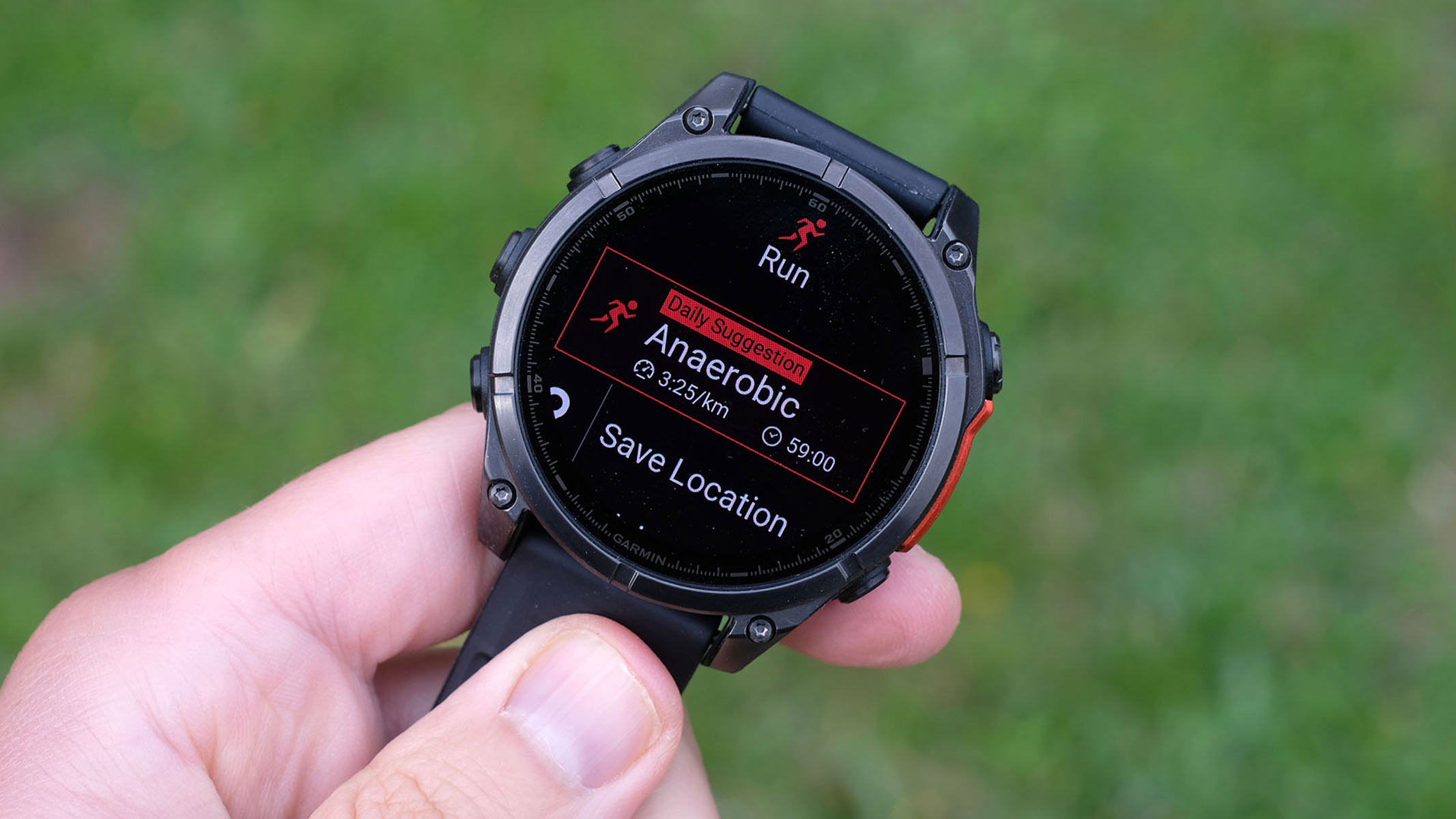
Comparing Popular Fitness Trackers For Sleep Tracking
Let’s look at how the biggest brands compare. Here is a quick overview:
| Brand | Main Sleep Features | Extra Sensors | Estimated Accuracy |
|---|---|---|---|
| Fitbit | Sleep stages, sleep score, Smart Wake alarm | SpO2, HRV, temperature | Good for total sleep, fair for stages |
| Apple Watch | Sleep duration, sleep trends, Wind Down | Heart rate, SpO2 (newer models) | Good for sleep time, limited for stages |
| Garmin | Sleep stages, Pulse Ox, stress score | SpO2, HRV | Good for trends, moderate for stages |
| Oura Ring | Sleep stages, readiness score, temperature | HRV, temperature, SpO2 | Best accuracy for stages among wearables |
| Xiaomi/Huawei | Basic sleep time, stages, breathing | Heart rate, SpO2 | Good for basics, less reliable for stages |
Some trackers, like the Oura Ring, are praised for their comfort and better sleep stage detection. Others, like Fitbit, offer friendly apps and daily sleep scores. Apple Watch added sleep tracking in recent years but focuses more on sleep duration and routine.
What Can You Learn From Sleep Tracking?
Fitness trackers can help you spot patterns and make real-life changes. Here’s how:
- Bedtime consistency: You can see if you go to bed and wake up at the same time daily, which is key for good sleep.
- Impact of habits: Notice how late-night caffeine, exercise, or screen time affect your sleep quality.
- Sleep debt: Some apps show if you’re regularly missing sleep and help you catch up.
- Restless nights: Trackers can show if you’re tossing and turning, which may suggest stress or an uncomfortable sleep environment.
- Long-term trends: Over weeks or months, you can see if your sleep is improving or getting worse.
Non-obvious Insights
- Micro-awakenings are normal: Most people wake up briefly several times per night without noticing. Trackers may not record all these, but seeing a few is not a sign of poor sleep.
- Consistency matters more than one bad night: Chasing a perfect sleep score every night can cause stress. Instead, look for regular patterns over weeks.
Limitations Of Fitness Tracker Sleep Data
It’s important to know what fitness trackers cannot do:
- Diagnose sleep disorders: They cannot confirm sleep apnea, restless leg syndrome, or narcolepsy.
- Detect naps accurately: Many trackers miss short daytime naps or count them as inactivity.
- Measure sleep quality precisely: They estimate, but cannot measure how restful your sleep really is.
- Work equally for everyone: People with certain health conditions, unusual sleep schedules, or who sleep very still (or move a lot) may get less accurate data.
For people with irregular sleep (shift workers, new parents), fitness trackers may struggle to interpret patterns. Also, some skin tones or wrist tattoos can interfere with optical sensors.
How To Get The Most From Your Fitness Tracker
You can improve the accuracy and usefulness of your sleep tracking by following a few simple steps:
- Wear your tracker correctly: Make sure it fits snugly, not too loose or tight, and sits above the wrist bone.
- Keep sensors clean: Dirt, lotion, or sweat can block sensors. Wipe the device regularly.
- Sync your device daily: Most trackers need to sync with your phone or computer for full data analysis.
- Set realistic goals: Aim for gradual improvements, like going to bed 15 minutes earlier, rather than chasing perfect scores.
- Review long-term trends: Focus on weekly or monthly patterns, not just single nights.
Common Mistakes To Avoid
- Checking results obsessively: Over-focusing on nightly scores can cause sleep anxiety.
- Ignoring obvious habits: If you know caffeine keeps you awake, fix the habit, not just the numbers.
- Trusting sleep stages too much: Remember, these are estimates, not medical results.
Fitness Trackers Vs. Professional Sleep Studies
You might wonder how fitness trackers compare to professional sleep tests. Here’s a direct comparison:
| Feature | Fitness Tracker | Sleep Lab (Polysomnography) |
|---|---|---|
| Data collected | Movement, heart rate, sometimes SpO2 | Brain waves, eye movement, muscle activity, heart rate, breathing, SpO2 |
| Accuracy | Good for sleep time, poor for stages | Very high, gold standard |
| Cost & convenience | Affordable, easy to use at home | Expensive, requires overnight stay |
| Used for diagnosis? | No | Yes |
| Personal insights | Daily trends, habit tracking | Detailed report, medical advice |
If you have a serious sleep problem (like severe snoring, constant tiredness, or breathing pauses), see a doctor for professional testing. For most healthy people, fitness trackers are best for self-improvement and building good habits.
Do You Need A Fitness Tracker To Improve Sleep?
Not everyone needs a fitness tracker to sleep better. But for some people, the data can be motivating. Here’s how to decide if it’s right for you:
- You like data and trends: If seeing numbers helps you change habits, a tracker can be useful.
- You want to build routines: Reminders and bedtime alarms can help set a regular schedule.
- You have trouble remembering sleep patterns: A tracker remembers for you and shows patterns you might miss.
But if you become anxious from low sleep scores, or if you already sleep well, you may not need one. Sometimes, simple steps like keeping a sleep diary or following a bedtime routine are just as effective.
Privacy And Data Security
Sleep data is personal health information. Before using any tracker, consider:
- Who owns your data: Most companies store your sleep data in the cloud. Read their privacy policies.
- Data sharing: Some apps share data with health insurers or researchers. You can often opt out.
- Device security: Use strong passwords and keep software updated to protect your data.
Most major brands have good privacy controls, but always check settings and permissions.
Sleep Tracking Myths And Realities
Many people have ideas about sleep trackers that are not quite true. Here are some common myths:
- Myth: Sleep trackers are always accurate. Reality: They estimate, and sometimes make mistakes.
- Myth: You need 8 hours of sleep every night. Reality: Sleep needs vary by age, health, and lifestyle.
- Myth: Deep sleep is more important than REM. Reality: Both stages are important for different reasons.
A smart approach is to use tracker data as a guide, not as a strict rule.

The Future Of Sleep Tracking
Technology is improving quickly. Newer trackers use AI-powered algorithms, better sensors, and even combine data from your bedroom environment (sound, light, temperature) for more precise results. Some companies are working on non-contact sleep tracking using radar or cameras, which could help people who dislike wearing devices.
In the future, trackers may help detect early signs of illness, stress, or even mental health problems, based on changes in your sleep. But for now, they are best seen as helpful tools—not medical devices.
Frequently Asked Questions
How Do Fitness Trackers Know When I’m Asleep?
Fitness trackers use a mix of motion sensors and heart rate monitoring. When you are still for a long time and your heart rate drops, the tracker assumes you are asleep. Some devices also use extra sensors like blood oxygen or temperature for better guesses.
Can Fitness Trackers Detect Sleep Apnea Or Other Disorders?
No, fitness trackers cannot diagnose sleep apnea or other medical sleep problems. They can sometimes alert you to unusual patterns, like low blood oxygen, but only a sleep study can provide a real diagnosis. If you have concerns, see a doctor.
Are Expensive Trackers More Accurate For Sleep?
More expensive trackers often have extra sensors and better algorithms, which can improve accuracy a bit. However, even the best consumer devices cannot match the precision of a sleep lab. The main benefit of pricier models is usually comfort, battery life, and app features.
Can I Trust The Deep And Rem Sleep Numbers From My Tracker?
You should be careful with these numbers. Fitness trackers estimate deep and REM sleep based on heart rate and movement, but without brainwave data, they can make mistakes. Use these numbers to spot trends, not as exact facts.
What Is The Best Way To Improve My Sleep Quality?
The best ways to improve sleep are simple: keep a regular bedtime, avoid caffeine late in the day, limit screen time before bed, and make your bedroom cool and dark. Fitness trackers can help by tracking your progress, but real change comes from your habits.
For more information on sleep science and health, visit the Sleep Foundation.
Sleep is too important to leave to guesswork. Fitness trackers offer a window into your night, but they are not perfect. Use them to learn, not to judge, and let the data guide you toward better rest. With the right balance of technology and healthy habits, you can enjoy better sleep and better days ahead.


