Is Protein Powder Safe For Teenagers?
For many teenagers, the world of sports, fitness, and body image is a big part of daily life. As they scroll through social media or chat with friends, one topic often comes up: protein powder. The glossy images of shakes and muscle gains can be tempting, but parents and teens alike ask a very important question—*is protein powder safe for teenagers?*
This is not a simple yes or no answer. To really understand, you have to look at how protein works in the body, what teenagers need as they grow, and the possible benefits and risks of using protein supplements. This article will guide you through all the key facts, practical tips, and scientific evidence so you can make the best choice for your health or your child’s health.
Why Do Teenagers Want Protein Powder?
Teenagers are in a unique stage of life. Their bodies are growing fast, hormones are changing, and many are involved in sports or fitness. Here are a few reasons why protein powder has become popular among teens:
- Athletic performance: Many teenage athletes believe protein powder will help them build muscle and recover faster.
- Body image: Social media and peer pressure can make teens feel like they need a more muscular or lean body.
- Convenience: Busy school schedules can lead to skipped meals. A shake seems like an easy solution.
- Influence from adults: Sometimes, parents, coaches, or older siblings use protein powder and recommend it.
But just because protein powder is popular, that does not mean it is always the right choice.
Understanding Protein Needs In Teenagers
What Does Protein Do?
Protein is a building block for the body. It is important for:
- Muscle growth and repair
- Bone health
- Making hormones and enzymes
- Supporting the immune system
How Much Protein Do Teenagers Need?
The recommended daily protein intake depends on age, sex, weight, and activity level.
Here is a simple guide:
| Age | Recommended Protein (g per day) |
|---|---|
| Boys 14-18 | 52 grams |
| Girls 14-18 | 46 grams |
| Boys 9-13 | 34 grams |
| Girls 9-13 | 34 grams |
Active teenagers (like athletes) may need a bit more, but most can meet their needs through normal food.
Can Most Teens Get Enough Protein From Food?
Yes. Foods like chicken, eggs, fish, beans, yogurt, milk, nuts, and tofu are rich in protein. Even vegetarian teens can get enough if they eat a variety of foods.
Non-obvious insight: Many teens actually get more protein than they need from their regular diet, especially in Western countries. Adding extra protein powder on top of this is often unnecessary.
What Is Protein Powder Made From?
Protein powders come in many forms. The most common types are:
- Whey protein: Made from milk, quickly absorbed
- Casein protein: Also from milk, digests slowly
- Soy protein: Plant-based, good for vegetarians/vegans
- Pea, rice, and hemp protein: Other plant options
Some powders contain added sugar, flavors, vitamins, or minerals. Not all protein powders are created equal—some have extra ingredients that might not be healthy for teens.
Why Do People Use Protein Powder?
Protein powder is not a magic solution, but it is popular for a few reasons:
- Quick and easy: Mixing a shake is faster than cooking a meal.
- Post-exercise recovery: Many athletes use it after workouts.
- Diet gaps: Some people use it to fill gaps if they are not eating enough protein-rich foods.
Is Protein Powder Necessary For Teens?
For most teenagers, protein powder is not necessary. A well-balanced diet usually provides all the protein needed for growth and activity.
Second non-obvious insight: Some teens think that more protein equals more muscle. In reality, without a strength training program and enough calories, extra protein will not magically build muscle.
There are special cases where a doctor or dietitian might recommend protein powder, such as:
- Medical conditions that affect appetite or digestion
- Vegan or vegetarian diets that are low in protein
- Certain athletes with very high needs
In these cases, it should only be used under guidance.
Potential Risks Of Protein Powder For Teenagers
Even though protein powder is widely sold, there are several risks to consider, especially for teenagers.
1. Too Much Protein
Excess protein can stress the kidneys and liver over time. It can also cause:
- Dehydration (since protein needs water for digestion)
- Stomach pain or cramps
- Possible calcium loss from bones
For most healthy teens, a little extra protein is not dangerous, but large amounts (well above the recommended daily intake) can be a problem.
2. Unregulated Ingredients
Protein powders are considered dietary supplements. In many countries, they are not regulated as strictly as medicines or foods. That means:
- Some products may contain hidden ingredients (like stimulants, hormones, or heavy metals)
- Labels are not always accurate
In 2018, a study found that some protein powders contained lead, arsenic, and other toxins in small amounts.
3. Allergies And Sensitivities
Some powders contain dairy, soy, or gluten. Teens with allergies or intolerances can have reactions, such as:
- Rashes
- Stomach pain
- Breathing problems
4. Replacing Real Food
Relying on shakes can mean missing out on the vitamins, minerals, and fiber found in whole foods. This can lead to:
- Poor nutrition
- Digestive problems
- Low energy over time
5. Body Image And Eating Disorders
Teenagers are vulnerable to body image issues. Using supplements can sometimes lead to unhealthy habits, such as:
- Obsessive calorie counting
- Over-exercising
- Disordered eating patterns
While this does not happen to everyone, it is a real risk for some.
6. Cost
Protein powders can be expensive. Often, families pay for something they do not really need.
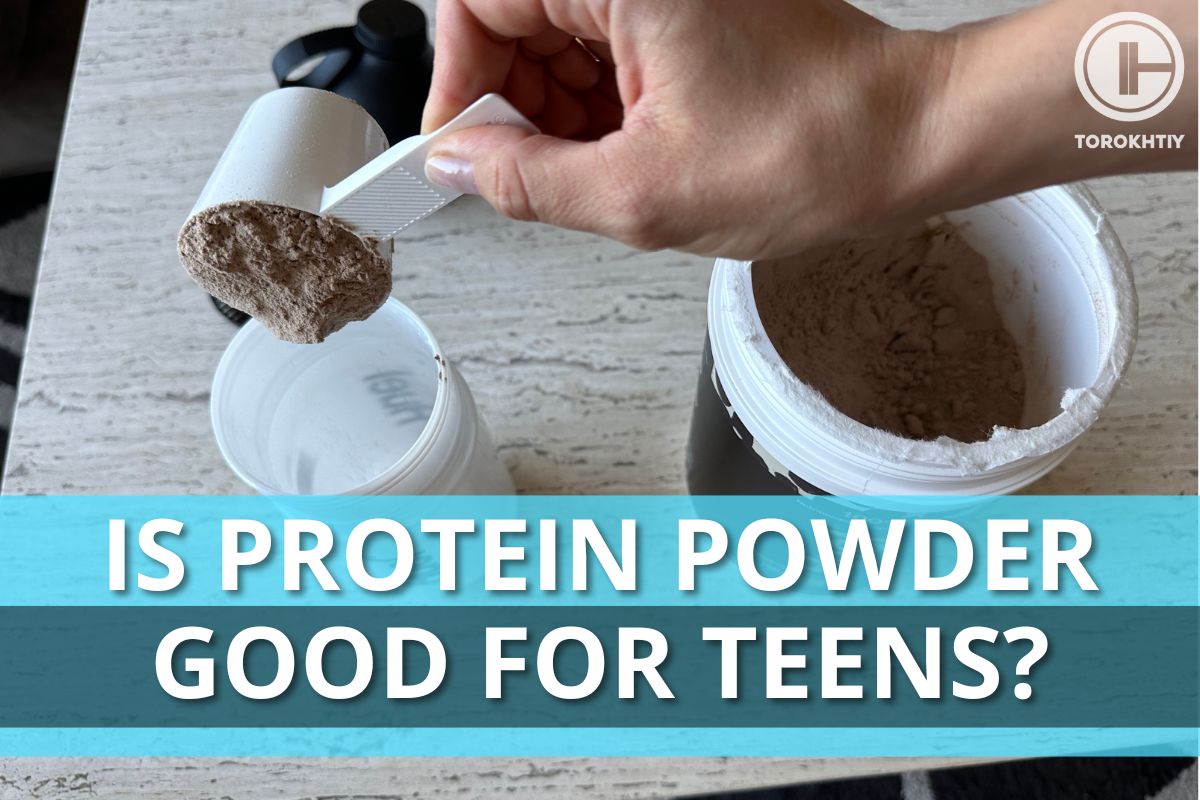
Benefits Of Protein Powder For Teenagers
While there are risks, protein powder can be useful in certain cases.
1. Convenience
For busy teens, a shake can be a quick way to get protein after a workout or when there is no time for a meal.
2. For Medical Or Dietary Needs
Teens with special medical needs, or those who follow strict vegan diets, may find it hard to get enough protein from food alone. In these cases, a simple, clean protein powder can help.
3. Recovery From Illness
If a teen is recovering from surgery or illness and has lost weight, a protein supplement can help regain strength.
Important: These benefits are most useful when other options are not possible and when a doctor or nutritionist is involved.
How To Choose A Safe Protein Powder For Teenagers
If you and your healthcare provider decide a protein powder is necessary, here are some tips for choosing a safe option:
1. Check The Ingredients
Look for products with simple, short ingredient lists. Avoid powders with:
- Added sugars (like sucrose, glucose, or high fructose corn syrup)
- Artificial flavors or colors
- Herbs or “proprietary blends”
2. Choose Trusted Brands
Buy from companies that use third-party testing. This means their products are checked for purity and safety by outside labs.
3. Match To Dietary Needs
- For dairy allergies: Pick a plant-based protein like pea, rice, or hemp.
- For vegans: Avoid whey or casein.
- For gluten sensitivities: Make sure the product is labeled gluten-free.
4. Serving Size
Follow the serving size on the label. Do not give more than recommended.
5. Avoid “muscle Builder” Or “weight Gainer” Products
These often contain extra ingredients like caffeine, creatine, or even illegal substances that are not safe for teens.
6. Talk To A Professional
Before starting any supplement, check with a doctor, pediatrician, or registered dietitian.
Common Myths About Protein Powder And Teenagers
Protein powder is surrounded by myths. Let’s clear up the facts.
Myth 1: Protein Powder Is Needed To Build Muscle
Truth: You can build muscle with regular food. Protein powder is not a shortcut.
Myth 2: More Protein Means More Muscle
Truth: The body can only use a certain amount of protein. Excess is used for energy or stored as fat.
Myth 3: All Protein Powders Are The Same
Truth: Some are high-quality, others have fillers or hidden ingredients. Always read labels.
Myth 4: Protein Powder Is 100% Safe
Truth: Like any supplement, there are risks—especially if used too much or in the wrong way.
Myth 5: Only Athletes Need Protein Powder
Truth: Even most athletes can meet their needs with food.
Comparing Protein Powder And Whole Foods
Let’s see how protein powder stacks up against common protein foods:
| Source | Protein (per serving) | Other Nutrients | Cost (approx.) |
|---|---|---|---|
| Whey protein (1 scoop) | 20-25g | Little else | $1-2 |
| Chicken breast (100g) | 24g | Iron, B vitamins | $1-1.50 |
| Eggs (2 large) | 12g | Choline, vitamin D | $0.50 |
| Tofu (100g) | 8g | Calcium, iron | $0.75 |
| Greek yogurt (170g) | 15g | Calcium, probiotics | $1 |
As you can see, whole foods often provide extra nutrients, not just protein. They can be cheaper, too.
Real-world Examples
Example 1: Teenage Athlete
Sam, age 16, plays soccer five days a week. He thinks he needs protein powder to recover. But his daily diet includes chicken, eggs, rice, beans, and milk. He already gets about 80g protein per day—much more than the recommendation.
Lesson: Most teenage athletes can meet their protein needs with normal food.
Example 2: Vegan Teen
Sara, age 15, is vegan. She sometimes struggles to get enough protein, especially on busy days. Her dietitian suggests a simple pea protein powder to help on days when she cannot eat enough tofu, beans, or nuts.
Lesson: In special cases, a clean protein powder can help—but food should come first.
Example 3: Busy Student
Luis, 17, skips breakfast most days. He buys a protein shake from the gym vending machine. Over time, he starts to feel tired and gets stomach aches. A nutritionist points out that his shakes are full of sugar and missing other nutrients.
Lesson: Replacing meals with shakes can harm overall health.
Practical Tips For Teenagers And Parents
- Get most protein from food: Focus on eggs, dairy, lean meats, beans, nuts, and tofu.
- Don’t fall for marketing: Just because a product is popular does not mean it is needed.
- Watch for side effects: Stomach pain, headaches, or changes in mood can signal a problem.
- Read labels: Some powders have hidden sugars or allergens.
- Eat a balanced diet: Protein is just one part of healthy nutrition.
- Talk to an expert: If you have concerns, a registered dietitian can help.
What Do Health Authorities Say?
Most health organizations, including the American Academy of Pediatrics, say that protein supplements are rarely needed for teens. A good diet is enough for almost everyone.
For more information, you can check this helpful guide from the Academy of Nutrition and Dietetics.
Warning Signs To Watch For
If you or your child uses protein powder, watch for these warning signs:
- Rapid weight gain or loss
- Mood changes
- Digestive problems
- Signs of dehydration (dry mouth, dark urine)
- Loss of appetite for normal foods
If you see these, stop using the product and talk to a doctor.
Are There Safer Alternatives To Protein Powder?
Yes. Here are quick, protein-rich snack ideas:
- Greek yogurt with fruit
- Peanut butter on whole-grain toast
- Hard-boiled eggs
- Cheese and apple slices
- Hummus with veggies
- Homemade smoothies with milk, yogurt, and nut butter
These options give protein plus other nutrients for growth and energy.
Frequently Asked Questions
Is Protein Powder Dangerous For Teenagers?
In small, proper amounts, most plain protein powders are not dangerous for healthy teens. The main risks come from taking too much, using low-quality products, or replacing real meals with shakes. If you stick to recommended amounts and choose safe products, the risk is low.
How Much Protein Powder Is Safe For A Teenager?
Most experts suggest that teens should not get more than 1 serving (about 20g protein) from powder per day, and only if needed. Always check with a doctor or dietitian before starting any supplement.
Can Protein Powder Cause Kidney Damage In Teens?
For healthy teens, a little extra protein is not likely to harm the kidneys. But very high amounts, especially over months or years, can stress the kidneys—especially if there is a hidden kidney problem.
Do Protein Powders Help Teen Athletes Perform Better?
Protein can help muscles recover after exercise, but most teen athletes get enough from food. Protein powder does not make you stronger or faster by itself.
What Is The Best Protein Powder For Teenagers?
The best choice is a simple, clean powder with few ingredients, no added sugar, and tested for safety. Plant-based options like pea protein are good for those with dairy allergies or who are vegan. Always choose trusted brands and talk to a professional before using.
—
In the end, protein powder is not a magic solution for teenagers. For most, regular food provides all the protein needed for growth, sports, and health. Supplements can help in special cases, but they are not risk-free. Before buying that shiny tub, focus on balanced meals, healthy habits, and good advice from experts.
Making safe, smart choices now helps build lifelong health.


