
Can Dip Stations Be Used Outdoors?
Getting fit with bodyweight exercises is a great way to build muscle, improve endurance, and save money on gym memberships. Many people use dip stations for triceps dips, pull-ups, leg raises, and more. But what if you want to work out under the open sky? Is it safe and practical to use a dip station outdoors? Let’s explore the facts, benefits, risks, and tips for using dip stations outside, so you can decide if it’s the right choice for your training.
What Is A Dip Station?
A dip station is a piece of fitness equipment designed for exercises like dips, knee raises, and sometimes pull-ups. Usually, it has two parallel bars set at waist height, supported by a sturdy frame. Some are stand-alone, while others can be attached to walls or power racks. Dip stations are popular because they allow for a wide range of upper body and core exercises using only your body weight.
There are three main types:
- Freestanding dip bars: These are portable and can be placed anywhere, indoors or outdoors.
- Wall-mounted dip bars: Fixed to a strong wall, often in home gyms or garages.
- Multi-function power towers: Large stations with options for dips, pull-ups, and push-ups.
Each type can be used outdoors, but some are better suited for outside use than others.
Why Use A Dip Station Outdoors?
Working out outdoors has its own charm. Here’s why more people are moving their dip stations outside:
- Fresh air and sunlight: Outdoor exercise exposes you to natural light, which boosts mood and helps your body make vitamin D.
- More space: You are not limited by low ceilings or cramped rooms.
- Enjoy nature: Being outside can reduce stress and make workouts more enjoyable.
- No need for gym memberships: Outdoor setups give you the flexibility to train anytime, without waiting for equipment.
A study from the Environmental Science & Technology journal found that just five minutes of outdoor exercise can improve mood and self-esteem. Training outside can be motivating and bring new energy to your routine.
Can Any Dip Station Be Used Outdoors?
The short answer: Not all dip stations are ready for outdoor use. Indoor dip stations are usually made with less weather-resistant materials, while outdoor-ready models use coatings and metals that resist rust and damage. Here’s what matters most:
Material Quality
- Steel with powder coating: Best for outdoor use, as it resists rust and corrosion.
- Aluminum: Lightweight and resists rust, but may not be as sturdy.
- Plastic or composite: Rare, but weatherproof; may not hold heavy weights.
Dip stations made with bare or painted steel will rust quickly if left in rain or humidity.
Construction Strength
Outdoor environments can be rough. Wind, uneven ground, and weather can stress the frame. Outdoor dip stations need thicker tubing and solid welds to stay stable.
Portability
Some people bring their dip station in and out daily. Lightweight, foldable designs work best for this. If you want a permanent setup, choose a heavy, stable model or bolt it down.
Design Features
- Rubber feet: Prevent slipping on wet ground.
- Drain holes: Allow water to escape, reducing rust risk.
- UV-resistant paint: Stops sun damage and fading.
Benefits Of Using Dip Stations Outdoors
Exercising outside with a dip station can give you unique advantages:
1. Improved Mental Health
Sunlight and fresh air lower stress and help fight depression. Outdoor exercise is linked to higher motivation and better mood.
2. Increased Vitamin D
Vitamin D helps your body absorb calcium, supports the immune system, and lifts energy. Training outdoors exposes your skin to sunlight, which helps your body produce this important vitamin.
3. Greater Workout Variety
Outdoor spaces offer more freedom. You can combine dip station exercises with running, jumping, or other activities. It’s easy to set up circuits or group workouts in parks or backyards.
4. Social Opportunities
You might meet other fitness fans at parks. Group outdoor workouts can be fun and help you stay motivated.
5. Natural Cooling
Outdoor breezes can help cool your body, making intense workouts feel less sweaty.
6. Space For Large Movements
Jumping, sprinting, and stretching are easier when you aren’t limited by walls or ceilings. Outdoor setups allow for dynamic routines.
Risks And Challenges Of Outdoor Use
While outdoor workouts offer many benefits, there are some real challenges you need to consider:
Weather Exposure
- Rain: Can cause rust, slippery surfaces, and damage to non-weatherproof parts.
- Sun: UV rays fade paint and weaken some plastics.
- Wind: Strong gusts can tip over lightweight dip stations.
- Cold: Freezing temperatures can crack plastic parts or make metal brittle.
Equipment Longevity
Dip stations not made for outdoor use will break down faster. Rust, corrosion, and fading are common issues. Even the strongest metal can weaken over time if left in harsh weather.
Safety Concerns
- Slippery surfaces: Water or dew on bars can cause slips and injuries.
- Unstable ground: Uneven surfaces may cause wobbling or tipping.
- Insects and animals: Outdoor setups can attract bugs or even birds.
Security Risks
Outdoor equipment can be stolen if left unsecured. Parks and shared spaces are at higher risk.
Maintenance Needs
You’ll need to clean, inspect, and sometimes repaint or repair your dip station more often if it’s kept outside.
How To Choose The Best Dip Station For Outdoor Use
Not all dip stations are created equal. When selecting one for outdoor use, focus on these key features:
Weather Resistance
Look for dip stations made from powder-coated steel or aluminum. Stainless steel is also good, but more expensive. Avoid uncoated or painted steel unless you plan to repaint it with weatherproof paint.
Stability
Outdoor surfaces are often less level. Choose a dip station with a wide base and non-slip feet. Some models offer options to bolt the frame to concrete or decking for extra safety.
Portability
If you don’t want to leave your dip station outside all the time, choose a design that’s lightweight or foldable. Some dip stations are easy to move, making it simple to bring them in after workouts.
Weight Capacity
Make sure the dip station supports your weight, plus any extra (for weighted dips). Outdoor models should have a higher capacity (at least 300 lbs) for safety.
Extra Features
- Drain holes in metal tubes help water escape.
- UV-resistant paint prevents sun damage.
- Rubber or plastic grips for comfort and slip resistance.
Here’s a quick comparison of popular dip station materials:
| Material | Weather Resistance | Weight Capacity | Maintenance | Cost |
|---|---|---|---|---|
| Powder-Coated Steel | High | 300–500 lbs | Low | Medium |
| Stainless Steel | Very High | 350–600 lbs | Very Low | High |
| Aluminum | High | 200–350 lbs | Low | Medium |
| Painted Steel | Low | 200–400 lbs | Medium/High | Low |
How To Set Up A Dip Station Outdoors
Setting up your dip station outdoors is more than just putting it on the grass. Here’s how to do it right:
1. Choose A Safe Spot
Pick flat, solid ground. Concrete, pavers, or a wooden deck are ideal. Avoid soft grass or dirt, as they can shift and make the station unstable.
2. Secure The Station
If possible, bolt the dip station to the ground, especially if you live in a windy area or want to prevent theft.
3. Protect From Weather
- Use a waterproof cover when not in use.
- Store your dip station in a shed or garage during heavy rain or snow.
- Consider placing it under a canopy or awning for extra protection.
4. Check Stability
Before each workout, test the station for wobbling or movement. Adjust the feet or base as needed.
5. Clean Regularly
Wipe down sweat, rain, or dirt after each session. Use mild soap and water; avoid harsh cleaners that can damage the finish.
6. Inspect For Damage
Check for rust, cracks, or loose bolts every week. Fix problems quickly to stay safe.
7. Add Anti-slip Grips
Outdoor moisture can make bars slippery. Wrap the handles with athletic tape or use rubber grips for better hold.
8. Keep It Secure
If you use the station in a public area, use a bike lock or chain to prevent theft.
Best Practices For Outdoor Dip Station Workouts
To get the most from your outdoor dip station, follow these tips:
Warm Up First
Outdoor temperatures can be unpredictable. Take time to warm up your muscles, especially in cold weather, to prevent injuries.
Dress For The Weather
Wear layers in cool weather, and use sunblock in the sun. Gloves can help protect your hands from hot or cold bars.
Stay Hydrated
Outdoor workouts can make you sweat more, especially in hot weather. Drink water before, during, and after your session.
Plan For Rain
Have a backup plan in case of sudden weather changes. Quick shelters or indoor alternatives help you stay consistent.
Watch For Hazards
Look out for insects, animal droppings, or sharp objects around your workout area.
Clean Up After Use
Leaving sweat, mud, or chalk on your dip station can cause corrosion or slippery surfaces.
Comparing Indoor Vs Outdoor Dip Station Use
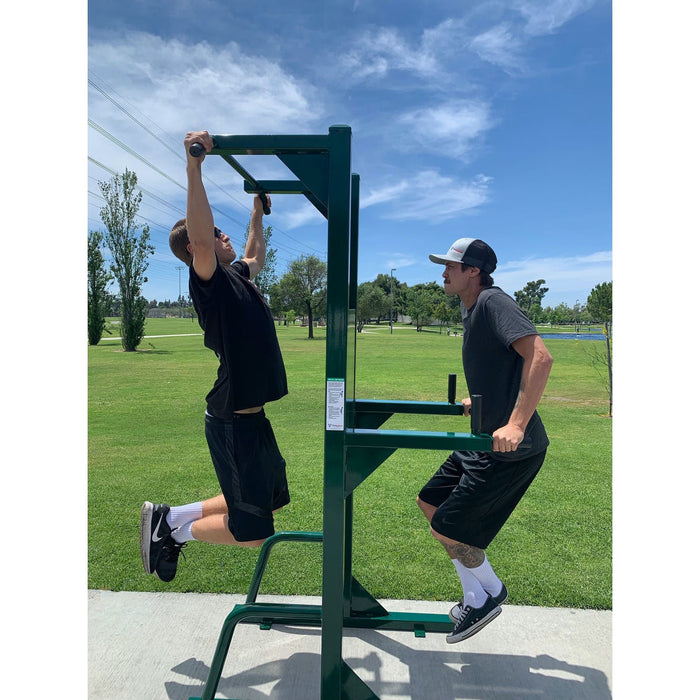
Wondering if it’s worth moving your dip station outside? Here’s a comparison:
| Feature | Indoor Use | Outdoor Use |
|---|---|---|
| Weather Exposure | None | High |
| Space | Limited | Unlimited |
| Air Quality | Stale or Air-conditioned | Fresh Air |
| Maintenance | Low | High |
| Workout Variety | Limited | High |
| Security | High | Low to Medium |
Common Mistakes To Avoid
Setting up and using a dip station outdoors is simple, but beginners often make these mistakes:
- Leaving equipment outside uncovered: This leads to rust and shortens lifespan.
- Not checking stability: Uneven ground or loose bolts can cause accidents.
- Ignoring weather warnings: Using a dip station during storms or extreme cold can be dangerous.
- Using the wrong materials: Cheap, painted steel will rust fast if left outside.
- Not cleaning after use: Sweat and dirt can break down protective coatings.
- Forgetting to secure equipment: Theft is common in public spaces; always use locks or chains.
Real-world Examples
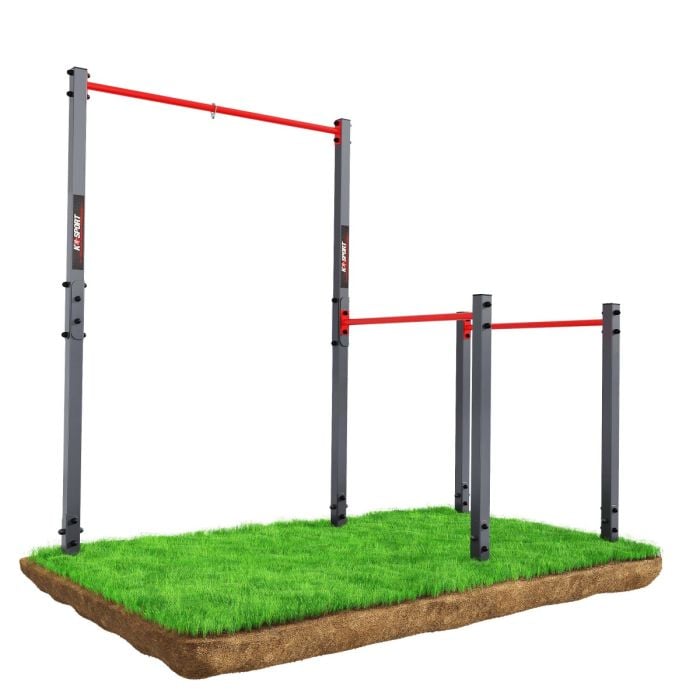
Some cities have outdoor fitness parks with dip stations built from thick, weatherproof steel. For example, New York City’s Parks Department has installed calisthenics stations in many parks, and these are designed to handle all weather. They use galvanized or powder-coated steel to prevent rust, and are bolted to concrete for safety.
Home users often use portable dip stations on patios or balconies. With proper care—like covering and regular checks—these can last for years outdoors.
A non-obvious tip: If you live near the sea, salt air speeds up rust. Rinse your dip station with fresh water and dry it often to prevent damage.
Advanced Tips For Outdoor Dip Station Training
- Use resistance bands: Attach them to the dip station for assisted dips or added resistance.
- Try circuits: Combine dips with sprints, burpees, or jump squats for a total-body workout.
- Change grip width: Adjust your hand placement to target different muscle groups.
- Train at different times: Morning sun is less harsh; evenings can be cooler and less crowded.
Don’t forget: Outdoor metal bars can get very hot or cold. Test the bar temperature before grabbing it, especially in summer or winter.
How To Maintain Your Outdoor Dip Station
Longevity depends on how well you care for your equipment:
- Clean weekly with water and mild soap.
- Inspect monthly for rust, cracks, or loose parts.
- Tighten bolts as needed.
- Repaint chips or scratches with weatherproof paint.
- Lubricate joints to prevent squeaking or stiffness.
- Store inside during storms or long periods of non-use.
If you see rust starting, sand it off and repaint the area before it spreads.
Can You Build Your Own Outdoor Dip Station?
Yes! Many people make their own dip stations using metal pipes, wood, or even concrete. For outdoor setups, use galvanized steel or pressure-treated wood to resist weather. Always anchor your homemade station solidly.
A basic DIY design:
- Two upright posts (steel or wood), set in concrete.
- Two horizontal bars (galvanized pipe) at waist height.
- Optional: Add crossbars for extra stability.
Ensure all parts are smooth and strong enough for your weight.
Comparing Popular Outdoor Dip Stations
Here’s a quick look at how some top models compare for outdoor use:
| Model | Material | Weatherproof | Weight Limit | Portability |
|---|---|---|---|---|
| Lebert Fitness Equalizer | Powder-Coated Steel | Yes | 400 lbs | High |
| Sportsroyals Power Tower | Steel | No (Indoor only) | 400 lbs | Low |
| Ultimate Body Press Dip Bar | Powder-Coated Steel | Yes | 350 lbs | High |
| DIY Galvanized Pipe Station | Galvanized Steel | Yes | 500+ lbs | Low |
Two Overlooked Insights For Outdoor Dip Stations
- Hidden corrosion spots: Rust often starts inside tubes, where water collects but is not visible. Always check for drain holes and inspect hidden areas regularly.
- Sun and temperature effects: UV rays and heat can make plastic grips brittle and metal frames expand or contract. Over time, this can loosen bolts and cause instability. Check tightness after temperature swings.
Trusted Resources For Outdoor Fitness
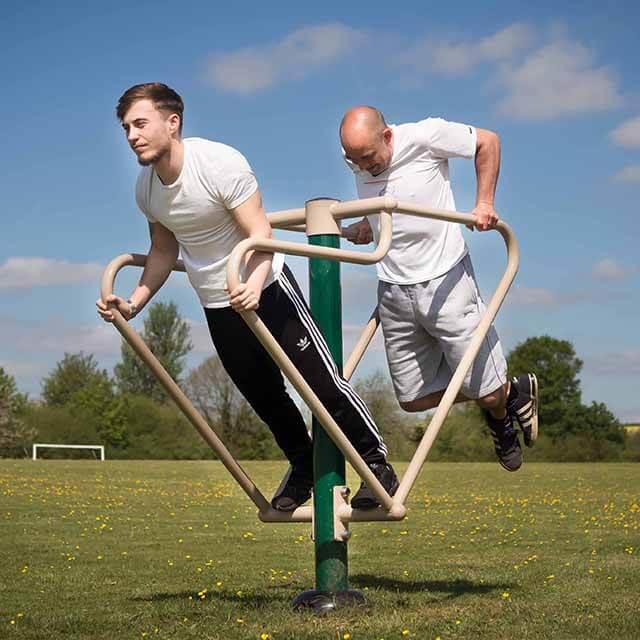
For more information on outdoor fitness equipment durability and safety, you can check out the Wikipedia page on outdoor gyms.
Final Thoughts
So, can dip stations be used outdoors? Absolutely—if you choose the right equipment, take care of it, and follow safety best practices. Outdoor training brings fresh air, sunlight, and a new level of motivation to your fitness journey. Remember, the biggest risks are weather and maintenance, but with smart choices and regular care, your outdoor dip station can last for years.
Whether you set up on a balcony, backyard, or community park, outdoor dip training can transform both body and mind.
Frequently Asked Questions
Can All Dip Stations Be Used Outdoors?
No, not every dip station is designed for outdoor use. Look for weatherproof materials like powder-coated steel or aluminum, and make sure the station is stable and resistant to rust. Indoor-only models can break down quickly outside.
How Can I Protect My Dip Station From Rain And Sun?
Use a waterproof cover when not in use. Store it inside during heavy rain or snow. If possible, set up your station under a roof or awning to limit direct sun and water exposure.
Is It Safe To Use A Dip Station On Grass Or Dirt?
It’s possible, but not ideal. Soft ground can cause the station to wobble or tip. For safety, place your dip station on a flat, solid surface like concrete or a deck. Check stability before each use.
How Do I Prevent My Outdoor Dip Station From Rusting?
Choose a dip station with a rust-resistant finish, like powder coating or galvanized steel. Clean and dry the equipment after rain, and touch up any scratches with weatherproof paint. Regular inspections help catch rust early.
Can I Leave My Dip Station Outside All Year?
You can, but it will need more maintenance. Outdoor exposure to rain, sun, and snow increases wear and rust risk. Using a cover and regular cleaning extends its life, but storing it indoors during extreme weather is best.

