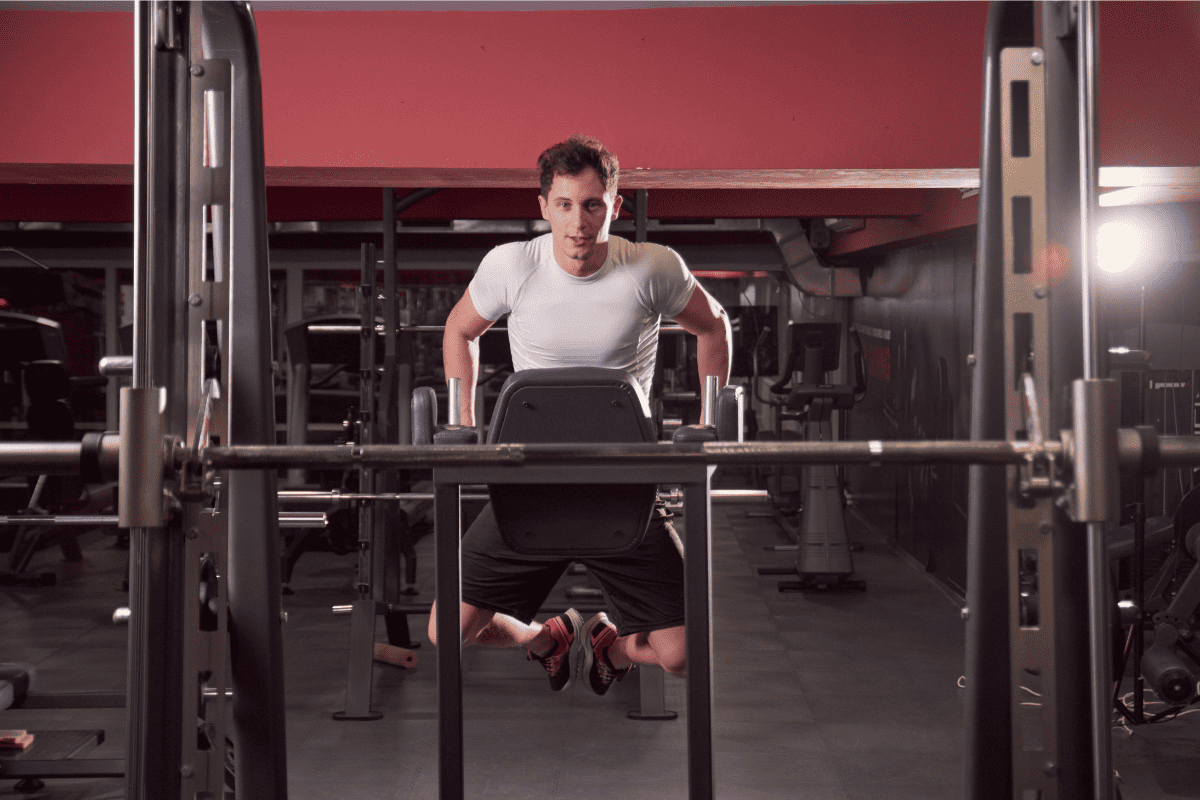
How Wide Should Dip Bars Be?
Dip bars look simple, but their width is one of the most important factors in your workout. Whether you are building a home gym, choosing a dip station at a commercial gym, or making your own, the distance between the bars can make a big difference in your safety, comfort, and results.
Many people think dip bars are “one size fits all”—but the truth is, the right width depends on your body, goals, and even the type of dips you want to do.
In this guide, you’ll discover what the ideal dip bar width is for different people and exercises. We’ll look at what matters most, real measurements used by top athletes, and how you can adjust for your own needs. By the end, you’ll know exactly how to choose (or build) dip bars that fit you perfectly.
Why Dip Bar Width Matters
When you grab dip bars, your shoulder joints, elbows, and wrists all move together. If the bars are too wide or too narrow, your body has to move in an unnatural way. This can cause:
- Joint pain or even injury, especially in the shoulders
- Worse muscle activation, so you don’t get the results you want
- Unstable grip leading to poor form or risk of falling
Choosing the right width lets you dip with good form, protect your joints, and get the most from your workout.
Standard Dip Bar Widths: What Gyms And Equipment Use
Most commercial dip stations use a fixed width. The average measurement is between 22 and 26 inches (56–66 cm) from the inside edge of one bar to the other. Some bars are as narrow as 18 inches (46 cm), while others are as wide as 28 inches (71 cm).
Here’s how some popular equipment brands compare:
| Brand/Model | Width (Inches) | Adjustable? |
|---|---|---|
| Rogue Monster Matador | 23.75 | No |
| Lebert Fitness Equalizer | 24 | No |
| Body-Solid Dip Station | 21.5 | No |
| Ultimate Body Press Dip Bar | 19–24 | Yes |
| Commercial Gym Parallel Bars | 22–26 | No |
Most gyms use a fixed width because it’s easier to build and maintain. But as you’ll see, this may not be the best fit for everyone.
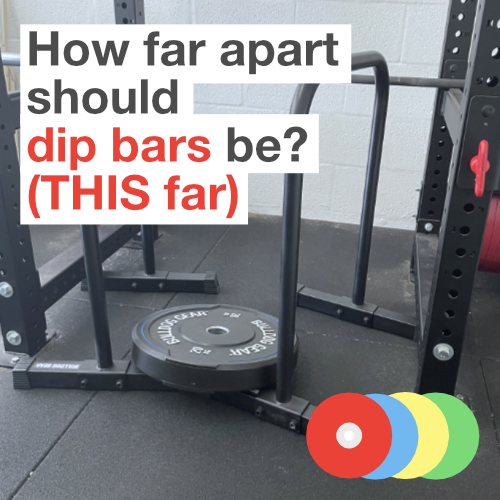
The Best Dip Bar Width For Most People
What is the “ideal” width? The answer is not the same for everyone. But there is a practical range that works for most adults:
- 18 to 24 inches (46–61 cm) is suitable for most body types
Within this range, shoulder width is the key factor. A good rule: the bars should be about shoulder-width apart, or just slightly wider.
How To Measure Your Shoulder Width
Stand up straight and let your arms hang naturally. Measure the distance from the outside of one shoulder to the outside of the other (across your deltoids). For most adults, this is between 16 and 22 inches (41–56 cm).
If you want to get even more accurate, measure from the acromion (the bony point at the top of your shoulder) on one side to the same point on the other side.
Matching Dip Bar Width To Your Body
A common guideline:
- Narrow shoulders (under 18 inches/46 cm): Use bars 18–20 inches apart
- Average shoulders (18–21 inches/46–53 cm): Use bars 20–22 inches apart
- Broad shoulders (over 21 inches/53 cm): Use bars 22–24 inches apart
Why not go much wider? Wider bars put more stress on your shoulder joints, especially at the bottom of the dip. Narrow bars are safer but can feel cramped if you have broad shoulders.
Types Of Dips And How Width Changes Them
Not all dips are the same. The width of the bars changes which muscles work hardest and how your joints move. Here’s how it breaks down:
Triceps Dips
- Narrow bars (18–21 inches): Focus on triceps
- Your elbows stay close to your sides
- Less stress on shoulders
- Best for building triceps and keeping dips joint-friendly
Chest Dips
- Wider bars (22–24 inches or a bit more): Focus on lower chest
- Lean forward as you dip
- More chest muscle activation, but higher risk for shoulder strain
- Works chest more, but requires good shoulder mobility
Gymnastic/parallel Bar Dips
- Standard is shoulder width or slightly wider
- Used for advanced calisthenics and gymnastics
- Bars are usually 20–24 inches apart
Ring Dips
- Rings can be set to any width
- Most people set rings at shoulder width or just outside
Here’s a summary of dip types and suggested bar widths:
| Dip Type | Best Width (Inches) | Main Muscles Worked |
|---|---|---|
| Triceps Dip | 18–21 | Triceps, Shoulders |
| Chest Dip | 22–24 | Chest, Triceps |
| Gymnastics Dip | 20–24 | Chest, Triceps, Shoulders |
| Ring Dip | Adjustable | Chest, Triceps, Core |
How Body Size And Shape Affect Dip Bar Width
Many beginners miss this: the length of your upper arms and your chest size also change how the bars feel. Someone with a broad chest or long arms will need a bit more space. People with a slim build can use narrower bars comfortably.
Another factor is shoulder mobility. If you have tight shoulders, wider bars can feel painful or unsafe. In this case, start with narrower bars and work on your flexibility.
Adjustable Dip Bars Vs. Fixed Bars
Some dip stations let you adjust the width. Others are welded or built at one size. Which is better?
- Adjustable bars: Perfect if you share equipment, want to try different exercises, or are still growing. You can change the width for each person or exercise style. The downside is they are often less sturdy and more expensive.
- Fixed bars: Simpler, usually stronger, and cheaper. But you have to choose your size carefully.
If you train at home and are the only user, fixed bars set to your perfect width are best. In a gym, adjustable bars give everyone a safe option.
Building Your Own Dip Bars: What To Know
Many people build homemade dip bars from wood, steel pipe, or even PVC. The most important step is choosing the right width before you start.
- Measure your shoulders as above.
- Decide if you want a narrow setup (triceps focus) or wider (chest focus).
- Consider your hand size. Grips that are too far apart can strain your wrists.
- For most adults, set the inside edges of the bars 20–22 inches apart.
Practical tip: Before you build, mock up the width with two sturdy chairs. Place your hands on each and try a dip. Adjust until it feels natural—no shoulder pain, no wrist strain, and you can move smoothly.
Common Dip Bar Width Mistakes
Even experienced lifters sometimes make these errors:
- Using bars that are too wide: This is the biggest mistake. It can cause shoulder pain, especially if you lower too deep. Some think “wider is harder” means better results, but it actually increases injury risk.
- Going too narrow: Bars closer than 16 inches apart can limit your range of motion and feel awkward, especially for bigger athletes.
- Not adjusting for body changes: If you gain muscle or lose weight, your best width might change over time.
- Ignoring wrist position: Bars that force your wrists to bend outward are a sign the width isn’t right.

Advanced Dip Variations And Bar Width
When you try advanced moves like weighted dips, explosive dips, or even Korean dips (where bars are behind your back), the ideal width may shift.
- For weighted dips: A bit narrower is safer—prevents shoulder overload under heavy loads.
- For explosive dips: Standard shoulder-width is best for control and safety.
- For Korean dips: These use a unique behind-the-back grip; the bar width is often wider (24–26 inches), but you need excellent shoulder mobility.
Always adjust the width before adding weight or trying risky moves.
Dip Bar Width For Women And Smaller Athletes
Many dip bars in gyms are set too wide for smaller athletes or women. This can make dips uncomfortable or impossible. If you’re building or buying for a smaller frame:
- Aim for 18–20 inches between the bars.
- Don’t be afraid to use bars even a little narrower if that’s what fits your shoulders.
- Focus on quality form rather than trying to match “standard” gym equipment.
A practical tip: Use parallettes or push-up bars as a substitute if commercial dip bars are too wide.
Dip Bar Width For Tall Or Large Athletes
If you have a broad chest and wide shoulders, you’ll likely need a wider setup. But don’t go overboard:
- 22–24 inches is usually enough, even for tall or muscular athletes.
- Very wide bars (over 24 inches) can still stress your shoulders unless you have advanced mobility.
- Test with bodyweight dips before adding load.
Dip Bar Width For Calisthenics And Street Workout
Calisthenics athletes often use parallel bars outdoors. These are typically 22–24 inches apart, which works well for most skills like dips, L-sits, and handstand push-ups.
But for special moves (like planche or wide dips), athletes sometimes use bars up to 30 inches apart. These are for advanced skills only, and not recommended for beginners.
Practical Tips For Finding Your Perfect Dip Bar Width
- Test different widths with chairs, parallettes, or adjustable bars before buying or building.
- Film yourself from the front and side. Your elbows should track naturally—not forced outward or pinched in.
- Listen to your body. If you feel pain in your shoulders or wrists, adjust the width.
- Don’t go too deep. On very wide bars, deep dips can damage your shoulders.
- Warm up your shoulders before dipping, especially on wider bars.
Comparing Dip Bar Widths: Pros And Cons
If you’re still unsure, here’s a simple comparison of narrow, standard, and wide dip bar setups:
| Width | Pros | Cons | Best For |
|---|---|---|---|
| Narrow (18–20″) | Safe for shoulders, good for triceps, fits smaller athletes | Can feel cramped for broad-shouldered users, less chest activation | Triceps dips, beginners, women, teens |
| Standard (20–22″) | Balanced muscle activation, safe for most people | May not fit extreme body types | General dips, most adults |
| Wide (22–24″) | Good for chest dips, fits large athletes | More shoulder stress, requires good mobility | Chest dips, tall/broad athletes |
Scientific Studies And Expert Recommendations
Research on dip bar width is limited, but most studies agree: bars should be shoulder-width or just wider. According to a study in the *Journal of Strength and Conditioning Research*, shoulder-width dips activated the most triceps and chest muscle while keeping joint stress low.
Top coaches like Jeff Cavaliere (Athlean-X) and major fitness organizations also recommend shoulder-width bars for safety and best results. For more detail, see the official recommendations at the American Council on Exercise.
What To Do If Your Gym’s Dip Bars Are The Wrong Width
Many people find that their gym’s dip bars are set too wide or too narrow. If this happens:
- Use parallettes or push-up bars for narrow dips
- Try ring dips if available (rings are adjustable)
- Do bench dips as an alternative, but be careful with shoulder position
- Ask gym staff about adjustable equipment
You can also modify your grip (hold the bars at a slight angle) to make a wide bar feel narrower, but only if it’s safe.
Non-obvious Insights For Better Dips
- Hand rotation matters: If your wrists hurt on fixed bars, try rotating your grip slightly inward. This can reduce stress and mimic the natural movement of your arms.
- Warm up with scapular dips: Before full dips, do a few reps of just lowering and raising your shoulders (scapula). This prepares your joints and helps you find a comfortable range of motion for your chosen width.
- Depth is more important than width: Many chase wider bars to “go deeper.” Instead, focus on safe, controlled depth at your natural width.
Frequently Asked Questions
What Is The Ideal Dip Bar Width For Beginners?
For most beginners, 20 inches (51 cm) is a safe starting point. This is close to shoulder width for most people. It allows you to learn good form without putting too much stress on your shoulders. If you feel pain, adjust the width before continuing.
Are Wider Dip Bars Better For Chest Development?
Wider bars do hit the lower chest more, but they also increase the risk of shoulder strain. Unless you have excellent mobility and experience, stick to 22–24 inches for chest dips and don’t go wider. Leaning your body forward during the dip is safer than just using a wide grip.
Can I Use Dip Bars That Are Too Narrow For My Shoulders?
You can, but it may feel cramped and reduce your range of motion. If you have very broad shoulders, extremely narrow bars can force your elbows to flare, leading to poor form. Always aim for a width that matches your shoulder size.
Should I Use Adjustable Dip Bars Or Fixed-width Bars?
Adjustable bars are best if you share equipment or want to try different dip styles. Fixed-width bars are simpler and often stronger. If you train alone and know your ideal width, fixed bars work well.
What If My Gym Only Has Very Wide Dip Bars?
If your gym’s dip bars are much wider than your shoulders, use parallettes, push-up bars, or gymnastic rings for dips. You can also try bench dips or close-grip push-ups as alternatives. Do not force your body on bars that cause pain.
Choosing the right dip bar width is more important than most people realize. It affects your safety, comfort, and the results you get from your workouts. By matching the bars to your shoulders and the type of dips you want to do, you’ll protect your joints and build muscle more effectively.
Always test the width before committing, adjust as your body changes, and remember that perfect form is better than chasing the widest or narrowest setup. With the right width, dips can become one of the best exercises in your routine—safe, effective, and challenging for years to come.