
Building strong, defined triceps is a common goal for anyone who wants bigger arms or more upper body strength. Many people turn to dips as a main exercise for this muscle group, but do dips really help build triceps, or are there better options?
The answer is not just a simple yes or no. Understanding how dips work, how they affect the triceps, and how you can get the best results is key to making progress. Let’s dive deep into what makes dips effective, when they might fall short, and how you can maximize your triceps growth.
Understanding The Triceps Muscle
The triceps brachii is a three-headed muscle on the back of your upper arm. Its main job is to straighten the elbow, but the three heads (long, lateral, and medial) each play unique roles.
- The long head runs along the back of the arm and helps with shoulder movement as well as elbow extension.
- The lateral head gives your triceps that “horseshoe” look from the side.
- The medial head sits deeper and works during all triceps movements.
For full development, you need to train all three heads. That’s why exercise selection and technique matter a lot.
What Are Dips?
Dips are a bodyweight exercise where you lower and raise your body using parallel bars or a sturdy surface. You support yourself with your arms, bend your elbows, then push back up. There are two main types:
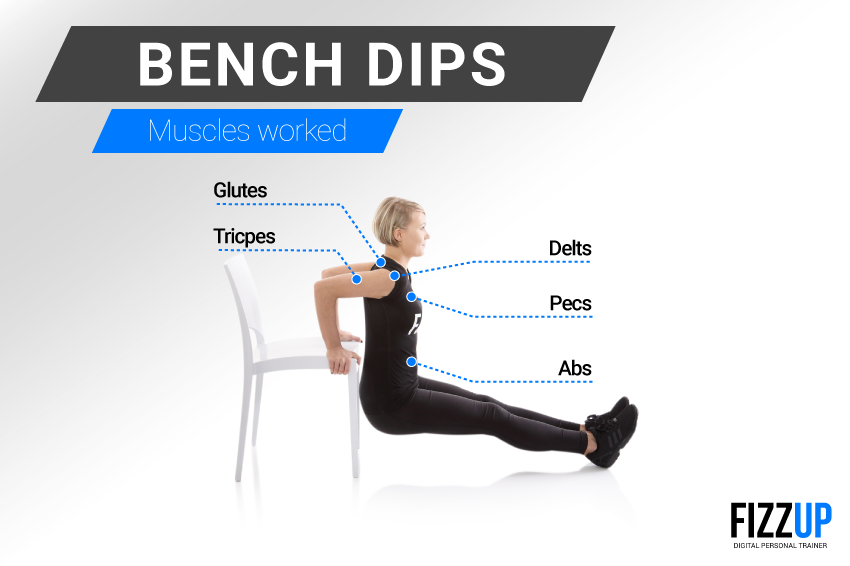
- Bench Dips: Your hands rest on a bench behind you, feet on the floor or another bench.
- Parallel Bar Dips: Hands grip parallel bars, feet off the ground, body hanging.
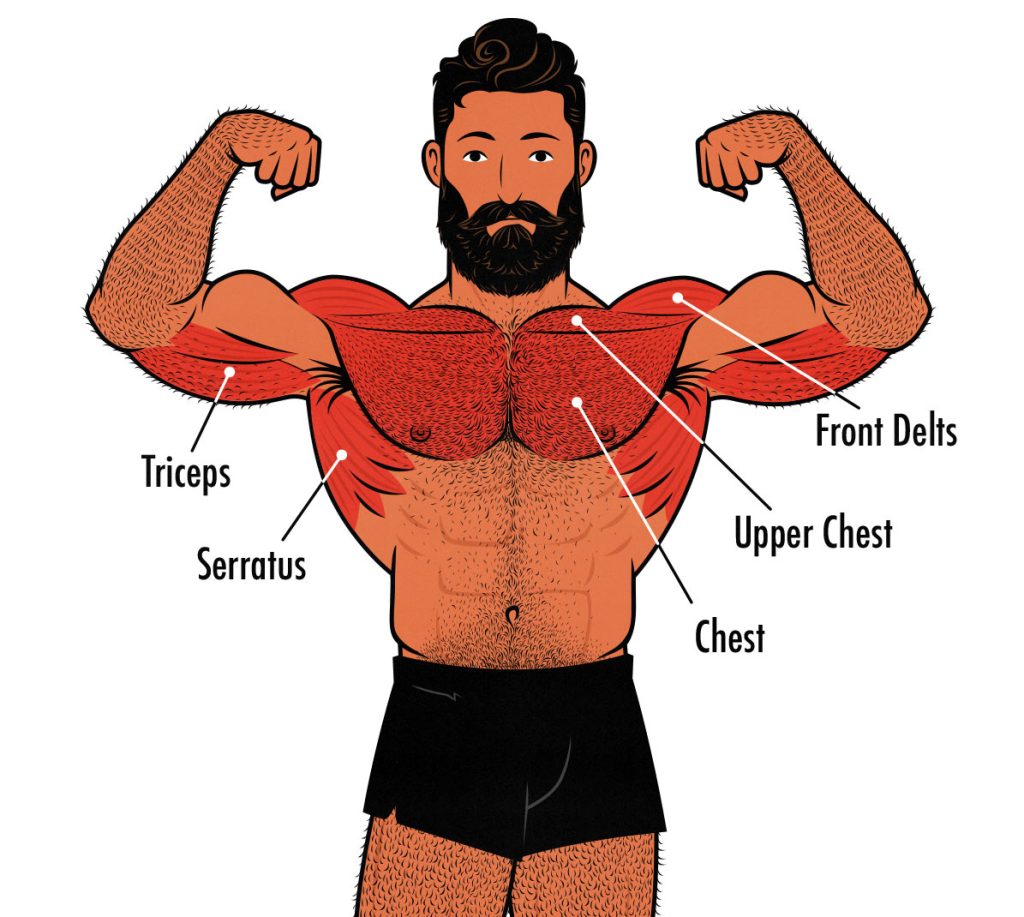
Both versions target your upper body, especially the chest, shoulders, and triceps. But how much do dips actually focus on the triceps?
How Dips Target The Triceps
The triceps are heavily involved in dips, but the way you perform the exercise changes how much they work. During dips, your elbows bend and straighten, which is the triceps’ main action. But your body position can shift focus between chest and triceps.
- Upright torso: Puts more load on triceps.
- Leaning forward: Increases chest involvement.
- Narrow grip: More triceps activation.
- Wide grip: More chest and shoulders.
Studies using electromyography (EMG) show that dips can activate the triceps at a very high level—sometimes as much as 90% of maximum voluntary contraction.
Comparing Dips To Other Triceps Exercises
Many people wonder if dips are better for triceps than other exercises like pushdowns or extensions. Here’s a quick comparison:
| Exercise | Main Muscles Worked | Triceps Activation (EMG %) | Equipment Needed |
|---|---|---|---|
| Dips | Triceps, Chest, Shoulders | Up to 90% | Parallel bars/Bench |
| Triceps Pushdown | Triceps (all heads) | ~70-80% | Cable machine |
| Skullcrusher | Triceps, especially long head | ~75-85% | Barbell/EZ bar |
| Diamond Push-Up | Triceps, Chest | ~60-75% | None |
Dips are among the highest triceps-activating bodyweight movements, especially if done with correct form.
Benefits Of Dips For Triceps Growth
Dips offer unique advantages for building triceps:
- Compound Movement: Dips work several muscles at once, allowing you to move more weight and stimulate more growth.
- Progressive Overload: You can add weight with a belt or backpack, making it easy to keep challenging your muscles.
- Bodyweight Friendly: Great for people training at home or with limited equipment.
- Joint Strength: Dips build elbow and shoulder stability, which helps in other lifts.
But there’s more. Dips also teach your body to control itself in space, improving coordination and core strength.
Common Mistakes That Reduce Triceps Activation
Many beginners make errors that lessen triceps growth or even cause pain.
- Leaning too far forward: This shifts work to the chest.
- Flaring elbows out wide: Puts stress on shoulders and reduces triceps isolation.
- Going too deep: Can hurt shoulders and doesn’t increase triceps activation.
- Partial reps: Not fully extending elbows misses out on triceps tension.
Proper form is critical if you want the triceps to do most of the work.
How To Do Dips For Maximum Triceps Activation
Let’s break down the technique for triceps-focused dips.
- Start Position: Grip the bars with hands shoulder-width apart. Keep your body upright, chest up, and elbows close to your sides.
- Lowering: Bend elbows to lower your body slowly. Stop when your upper arms are parallel to the floor.
- Press Up: Push through your palms, keeping elbows tucked, until arms are straight but not locked hard.
- Breathing: Inhale as you go down, exhale as you push up.
Tips for better results:
- Keep your torso upright, not leaning forward.
- Use a controlled, smooth motion.
- Add weight only when you can do 10-15 perfect reps.
When Dips May Not Be Right For You
Dips are powerful, but they aren’t for everyone. Certain people should be careful:
- Shoulder injuries: Dips put stress on the shoulder joint, especially if you go too deep.
- Limited mobility: If you can’t keep your elbows close, you may risk joint pain.
- Heavy beginners: Carrying extra body weight can make dips too hard or risky at first.
For these cases, start with easier triceps exercises, or use assisted dip machines.

Progression: Making Dips Harder For Triceps Growth
Triceps grow best when you slowly increase the challenge. Here’s how you can progress with dips:
- Increase Reps: Start by mastering bodyweight dips for 3 sets of 8–15 reps.
- Add Weight: Use a dip belt, backpack, or hold a dumbbell between your legs.
- Slow the Tempo: Lower yourself for 3–4 seconds, then push up fast.
- Pause at Bottom: Hold for 1–2 seconds at the lowest point.
- One-Arm Dips: Advanced, but extremely demanding on triceps.
Here’s a sample progression chart:
| Level | Variation | Recommended Reps/Sets |
|---|---|---|
| Beginner | Bench dips (feet on floor) | 3×8–12 |
| Intermediate | Parallel bar dips | 3×8–15 |
| Advanced | Weighted dips | 3×6–10 |
| Elite | One-arm dips | 2×5–8 |
Don’t rush to add weight. Perfect form comes first.
Dips Vs. Other Triceps Builders: When To Use Each
Should you do dips, or stick with machines and dumbbells? Each exercise has a place.
- Dips: Best for overall size and strength, especially for advanced lifters.
- Pushdowns: Great for isolating the triceps, especially if you want to avoid shoulder stress.
- Overhead extensions: Target the long head, which is harder to hit with dips.
- Skullcrushers: Good for adding variety and hitting all three heads.
Smart training uses a mix of exercises for full development. Dips can be your main move, but don’t ignore isolation work.
Example Triceps Workout Including Dips
Here’s a simple routine for triceps growth that uses dips as a main exercise:
- Parallel Bar Dips: 3 sets of 8–12 reps (add weight if needed)
- Overhead Dumbbell Extension: 3 sets of 10–15 reps
- Cable Triceps Pushdown: 3 sets of 12–15 reps
Rest 60–90 seconds between sets. Focus on perfect form.
Real-world Results: What To Expect
Many bodybuilders and gymnasts rely on dips for arm growth. For example, Arnold Schwarzenegger included dips in his routines, and gymnasts often have massive triceps—partly thanks to years of dips and pressing work.
- Beginners can see arm size gains of 0.5–1 inch in 2–3 months with consistent dips, a good diet, and rest.
- Advanced lifters may use dips with added weight to keep growing.
However, results depend on genetics, nutrition, and total training plan.
Non-obvious Insights For Better Triceps Results
Most people miss these key points about dips and triceps:
- Lockout Matters: The triceps work hardest at the top of the movement. If you skip full elbow extension, you lose the best part of the rep.
- Grip Width Is Critical: Even a slight shift wider or narrower changes which triceps head works most. Experiment to find your sweet spot.
- Elbow Position: Keeping elbows just in front of your body (not flared) hits the lateral head harder and protects the joints.
- Fatigue Affects Form: As you get tired, it’s easy to lean forward and let the chest take over. Use a mirror or partner to check your form.
Remember, small adjustments can make a big difference in results.
Common Myths About Dips And Triceps
You might hear some of these myths at the gym:
- “Dips are only for chest.” Not true. The form you use decides which muscle works most.
- “Dips are bad for shoulders.” Only if you use poor form or go too deep.
- “You need machines for big triceps.” Bodyweight exercises like dips can build impressive size and strength.
Always base your choices on facts and your own body’s feedback.
Advanced Variations For Triceps
If standard dips become too easy, try these advanced versions:
- Ring Dips: Using gymnastic rings adds instability, forcing triceps to work harder.
- Explosive Dips: Push up fast, even jumping your hands off the bars.
- Tempo Dips: Lower slowly for 5 seconds, hold, then push up fast.
- Depth Dips: Use parallettes to lower past the bars, but only if you have healthy shoulders.
These variations require strong joints and good control. Don’t rush to try them.
How To Avoid Injury With Dips
Triceps injuries from dips are rare but possible. Here’s how to stay safe:
- Warm up: Use arm circles and light push-ups to get blood flowing.
- Don’t go too deep: Stop when your upper arms are parallel to the floor.
- Use proper grip: Hands shoulder-width or slightly narrower.
- Listen to pain: Sharp pain means stop immediately.
If you ever feel joint pain, take a break and check your form before trying again.
When To Skip Dips For Triceps
Some people are better off avoiding dips, at least for a while:
- Chronic shoulder or elbow pain
- Poor mobility in chest or shoulders
- Extreme beginners who can’t control their body weight
For these cases, focus on pushdowns, extensions, or machine presses until you get stronger.
Nutrition And Recovery For Triceps Growth
Building triceps is not just about training. Muscles need protein, calories, and sleep to grow.
- Protein: Aim for 1.6–2.2g per kg of body weight daily.
- Calories: Eat a small surplus (200–300 extra per day) if you want bigger arms.
- Sleep: 7–9 hours per night is ideal.
- Recovery: Don’t train triceps hard more than 2–3 times per week.
A good diet and rest plan makes your training pay off.
How To Add Dips To Your Program
Dips fit into most workout plans:
- Push day: Combine with bench press and overhead press.
- Upper body day: Pair with pull-ups, rows, and curls.
- Arms day: Do dips first, then isolation work.
Most people see best results with 2–3 sessions per week, with at least one rest day between.
How Fast Will You See Results?
- Beginners: Noticeable triceps growth in 4–6 weeks.
- Intermediate/Advanced: Progress is slower, but dips are great for breaking plateaus.
Take progress photos, measure your arms, and track reps/weight to see gains.
Sample Weekly Triceps Plan With Dips
Here’s a week of triceps-focused training:
Day 1:
- Dips: 3×10
- Overhead extension: 3×12
Day 3:
- Dips (weighted or slow): 3×8
- Triceps pushdown: 3×15
Day 5:
- Close-grip push-ups: 3×15
- Skullcrushers: 3×10
This gives your triceps frequent but not excessive work.
Dips For Women: Does It Work?
Many women avoid dips, thinking they’re “too hard.” The truth is, dips build lean, defined arms for women too. Start with bench dips or assisted dips. Most women see good results with 2 sets of 8–12 reps, twice a week.
Home Dips: No Equipment Needed?
You don’t need a gym to do dips. Try these at home:
- Bench dips: Use a sturdy chair or coffee table.
- Two chairs dips: Place chairs parallel and grip the edges.
- Stair dips: Use steps for a lower height.
Safety is key—make sure your setup won’t slip.
Research-backed Evidence
A study published in the *Journal of Strength and Conditioning Research* found that dips produced higher triceps activation than push-ups and close-grip bench press. The EMG results showed dips are among the best moves for building triceps strength and size.
For further reading on muscle activation, check out this research article on triceps exercises.
Frequently Asked Questions
How Many Dips Should I Do To Build Triceps?
Start with 2–3 sets of 8–12 reps. Focus on perfect form. As you get stronger, add more sets or weight. Quality is more important than quantity.
Can I Do Dips Every Day For Faster Results?
No. The triceps need rest to grow. Training dips 2–3 times per week with rest days in between gives better results and reduces injury risk.
Are Bench Dips As Good As Parallel Bar Dips For Triceps?
Bench dips are easier for beginners but put more stress on the shoulders. Parallel bar dips are better for triceps growth if you have the strength and proper form.
Should My Elbows Flare Out Or Stay Close During Dips?
Keep elbows close to your body (not flared out). This protects your shoulders and puts more load on the triceps.
What If Dips Hurt My Shoulders?
Stop immediately and check your form. Try not to go too deep or use a narrower grip. If pain continues, switch to other triceps exercises and consult a professional.
Dips are one of the best tools for building bigger, stronger triceps—if you use them correctly. They offer high muscle activation, can be done almost anywhere, and fit into most routines. Focus on good form, progress slowly, and mix dips with other triceps exercises for the best results.
Whether you’re a beginner or advanced, dips can help you reach your arm goals safely and effectively.

