
Most people see a dip station in the gym or online and think it’s simple: just two bars and your body weight. But the truth is, there’s a lot going on behind those sturdy metal frames. If you plan to use one at home, or want to push your limits with weighted dips, you need to know exactly how much weight a dip station can handle. This is not just about your body weight—sometimes, you add extra plates, a weighted vest, or a backpack. Even a strong-looking dip station can have limits, and ignoring those could lead to dangerous failures.
This article gives you a clear, detailed guide to the weight limits of most dip stations. You’ll see what affects these limits, the numbers you should expect, how to choose the right station for your needs, and what to do if you want to go heavier. We’ll also cover safety, share real-world examples, and answer common questions. If you want the full picture, you’re in the right place.
What Is A Dip Station?
A dip station is a piece of exercise equipment designed to let you do dips—a bodyweight movement that works your chest, triceps, and shoulders. Most dip stations have two parallel bars, usually set at about waist height. Some are stand-alone frames, while others attach to walls, power racks, or even fold up for storage.
Dips are a favorite for building upper body strength. The equipment is simple, but the quality and design can vary a lot. And those differences matter when it comes to weight limits.
Why Weight Limit Matters For Dip Stations
The weight limit isn’t just a number. It’s about safety, durability, and getting the most out of your workout. Here’s why you must pay attention to it:
- Safety First: If you go over the limit, the bars can bend, break, or collapse. Injuries from this can be serious.
- Longevity: Using the dip station within its weight limit keeps it working longer. Overloading leads to wear and tear fast.
- Performance: A shaky or bending dip station affects your form and makes your workout less effective.
- Insurance and Warranty: If the station breaks because you overloaded it, the warranty probably won’t cover repairs or replacement.
Many beginners think, “I weigh 180 pounds, and the dip station says 250—no problem. ” But add a weighted vest or a dip belt with plates, and you’re suddenly much closer to the limit. Always consider your total weight (body plus any added load).
Typical Weight Limits For Most Dip Stations
The weight limit on dip stations varies widely depending on the design, materials, and manufacturer. There isn’t one “universal” number, but you can spot clear patterns in the market.
Common Weight Limits
- Standard Home Dip Stations: 250 to 300 pounds (113–136 kg) is most common.
- Heavy Duty/Home Commercial: 350 to 500 pounds (159–227 kg).
- Commercial Gym Dip Stations: 500 to 1,000 pounds (227–454 kg).
- Wall-Mounted or Doorway Dip Bars: Lower, often 200–250 pounds (90–113 kg).
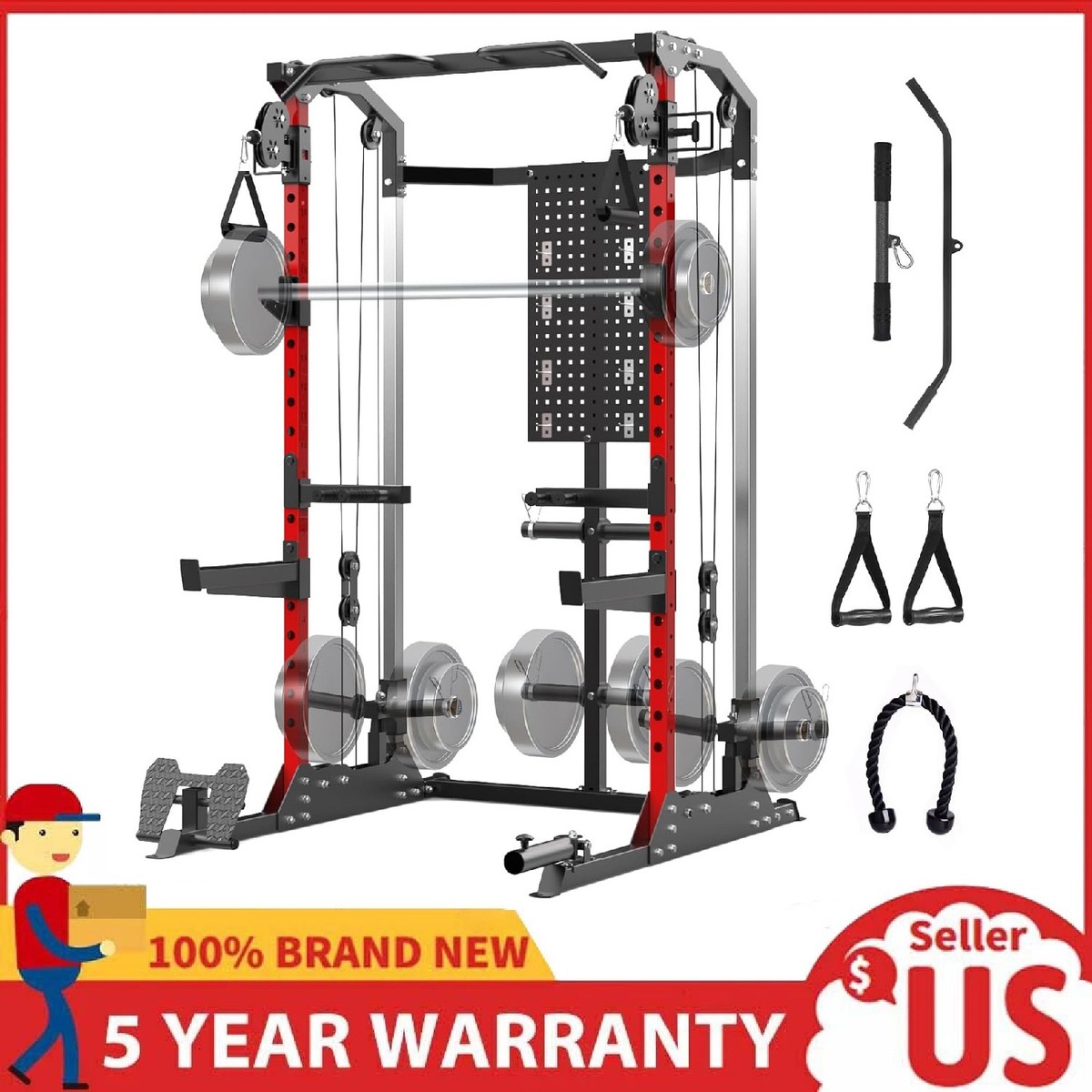
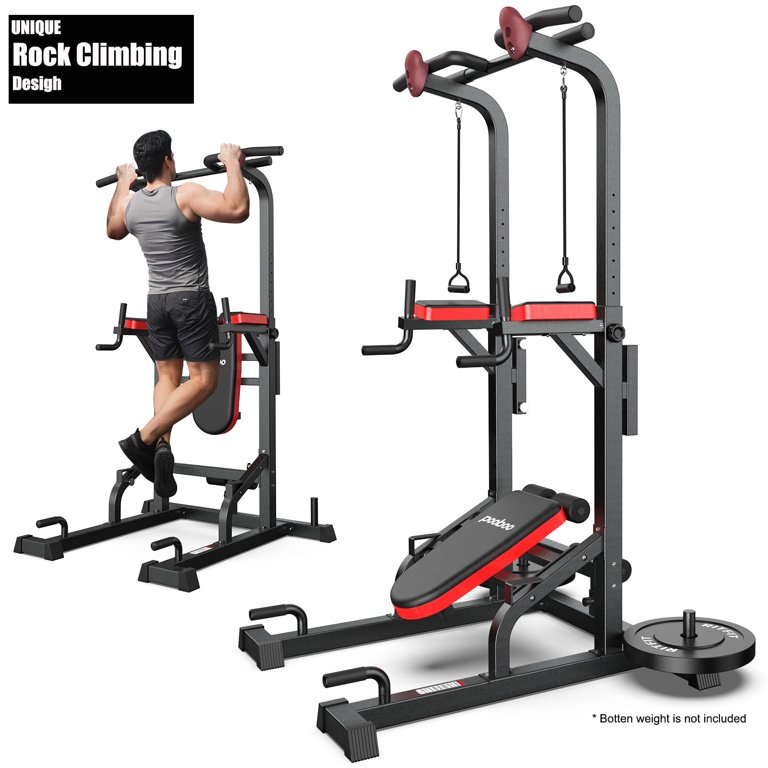
- Multi-Function Power Towers: 250 to 400 pounds (113–181 kg).
The majority of dip stations for home use have a weight limit between 250 and 350 pounds. If you’re heavier, or plan to do weighted dips, look for higher ratings.
Real-world Examples
To make the numbers concrete, here’s a comparison of popular dip stations and their stated weight limits.
| Model | Type | Stated Weight Limit |
|---|---|---|
| Lebert Fitness Equalizer | Portable Bars | 400 lbs (181 kg) |
| Sportsroyals Power Tower | Multi-function | 400 lbs (181 kg) |
| Fuel Pureformance Dip Station | Stand-Alone | 300 lbs (136 kg) |
| Rogue Monster Matador | Rack Attachment | 500 lbs (227 kg) |
| Ultimate Body Press Wall Mounted | Wall-Mounted | 350 lbs (159 kg) |
You’ll notice there are outliers—some cheap models claim 250 pounds, while heavy-duty ones push 500 or more. But for most people, the range is 250–400 pounds.
Why Do Weight Limits Vary?
Several factors affect the weight limit:
- Material: Steel frames are stronger than aluminum or plastic.
- Bar Thickness: Thicker bars can handle more weight.
- Welding and Joints: Quality welds and solid bolts add strength.
- Design: Wider bases or extra support bars improve stability.
- Mounting: Wall or rack-mounted units depend on the strength of your wall or rack, not just the bars.
It’s also important to remember that weight limits are often set conservatively, but not always. Some brands “inflate” numbers for marketing, while others test each unit to failure.
How To Check If A Dip Station Is Strong Enough
When you buy a dip station, never guess if it’s strong enough. Here’s how to make sure:
- Read Manufacturer Specs: Look for “maximum user weight” or “weight capacity.” It should be in the manual or online.
- Check Reviews: Search for real-world user experiences, especially from heavier users or those doing weighted dips.
- Inspect Materials and Joints: Thick steel tubing (2 inches or more), strong welds, and solid bolts are good signs.
- Test Before Loading Up: Try the station with just your body weight first. Listen and look for creaks, movement, or flexing.
- Contact Support: If you’re unsure, email or call the brand’s support—especially if you plan to use weights.
Testing At Home
If you already own a dip station, try this:
- Do a few dips slowly, watching for any shifting.
- Hang from the bars (if possible) to check stability.
- Add weight gradually (with a vest or belt), not all at once.
If you see bending, wobbling, or hear loud creaks, stop and reconsider your setup.
How To Choose The Right Dip Station For Your Weight
Picking a dip station is more than just price or style. The weight limit should fit your current body weight plus any extra weight you might add.
Steps To Find The Right One
- Add Your Body Weight + Extra: If you weigh 220 lbs and plan to add a 45 lb plate, look for at least 265 lbs capacity.
- Give Yourself a Safety Margin: Choose a station with a limit at least 20% higher than your total weight to be safe.
- Consider Future Progress: If you’ll get stronger or heavier, plan ahead.
- Think About Your Space: Wall-mounted units need strong walls; stand-alone models need a flat floor.
Example Calculation
Let’s say you weigh 200 lbs. You want to do dips with a 50 lb weighted vest.
- Total weight: 200 + 50 = 250 lbs
- Safety margin (20%): 250 x 1.2 = 300 lbs minimum capacity
So, pick a station rated at 300 pounds or more.
Dip Station Types And Their Typical Weight Limits
There are many kinds of dip stations. Here’s how they compare.
| Type | Typical Weight Limit | Strengths | Weaknesses |
|---|---|---|---|
| Portable Dip Bars | 250–400 lbs | Easy to move, store | May wobble, limited stability |
| Stand-Alone Dip Stations | 300–500 lbs | More stable, higher limits | Bulkier, need floor space |
| Wall-Mounted Dip Bars | 250–350 lbs | Space-saving, stable (if mounted well) | Depends on wall strength |
| Power Tower (Multi-function) | 250–400 lbs | Multiple exercises | Can shake if not heavy-duty |
| Rack-Mounted Dip Attachments | 400–1,000 lbs | Very strong, used in gyms | Requires power rack |
Non-obvious insight: Some wall-mounted dip bars have high weight ratings, but if your wall is weak (drywall, thin studs), the real limit is much lower than what the brand claims. Always check your wall type.

Safety Tips For Using Dip Stations Near The Weight Limit
Pushing the weight limit? Here’s how to stay safe:
- Inspect Before Each Use: Check for cracks, loose bolts, or bending.
- Install Properly: For wall-mounted units, use strong anchors in solid walls (brick or concrete preferred).
- Use Even Surfaces: Set up on flat floors to avoid rocking.
- Don’t Swing Wildly: Fast, uncontrolled dips add force beyond your weight.
- Don’t Overload: If the station is rated for 300 lbs, don’t use 310—even once.
- Replace When Worn: If you see rust, big cracks, or warping, replace the station.
Another beginner mistake: They trust “cheap” stations with high claims. Low-cost units often overstate their limits. Always buy from reputable brands with real reviews.
How Manufacturers Test Weight Limits
You may wonder how brands decide their weight limits. Is it just a guess, or real science?
Most reputable manufacturers use two methods:
- Static Load Testing: They place weights (like sandbags) on the dip bars and see when the frame bends or breaks.
- Dynamic Load Testing: Some companies test with people doing dips, to see how the frame handles bouncing and movement.
However, not all brands test equally. Some use computer models. Others just copy competitors’ numbers. Cheap, no-name products may not test at all. Always prefer brands that clearly explain their testing methods.
What If You Need More Than The Standard Weight Limit?
If you weigh more, or want to do heavy weighted dips, you have a few options:
- Buy Commercial-Grade Equipment: These are designed for pro athletes, with limits up to 1,000 pounds.
- Use Rack-Mounted Attachments: If you own a power rack, you can add a dip station with a very high rating.
- Build Custom: Some people weld their own dip bars from thick steel.
- Visit a Gym: Commercial gyms almost always have dip stations with very high limits.
Avoid using cheap, lightweight, or portable dip bars for heavy loaded dips. It’s not worth the risk.
Signs Your Dip Station Is Not Strong Enough
Sometimes, you don’t know you’re close to the limit until things go wrong. Watch for these warning signs:
- Bending or Bowing: If the bars flex under your weight, stop using them.
- Creaking or Snapping Sounds: Metal fatigue often starts with noise.
- Loose Joints or Bolts: If parts move more than they should, the frame may be stressed.
- Rust or Cracks: Weakened metal can break suddenly.
If you see any of these, stop using the dip station immediately and upgrade to a safer model.
How To Increase The Lifespan Of Your Dip Station
Want your dip station to last for years? Here’s what helps:
- Stay Below the Limit: Don’t push the edge every workout.
- Tighten Bolts Regularly: Loose bolts weaken the frame.
- Keep It Dry: Wipe sweat, and don’t leave it outside.
- Inspect Frequently: Catch small problems early.
- Lubricate Moving Parts: If your station has joints, oil them to prevent rust.
With care, a good dip station can last a decade or more.
Comparing Dip Stations: Home Vs. Commercial
Many people wonder if home dip stations are as strong as those in gyms. Here’s a side-by-side look.
| Feature | Home Dip Station | Commercial Gym Dip Station |
|---|---|---|
| Weight Limit | 250–400 lbs | 500–1,000 lbs |
| Materials | Thinner steel, lighter welds | Thick steel, heavy welds |
| Price | Low to moderate | High |
| Portability | Often portable | Usually fixed, heavy |
| Warranty | 1–3 years typical | Lifetime or long term |
If you need a very high weight limit, the extra cost of a commercial station is often worth it for safety.
How Weight Limit Affects Your Training
The weight limit isn’t just a safety number. It can shape your entire workout plan.
- Bodyweight Only: Most people (under 250 lbs) can use nearly any home dip station.
- Weighted Dips: If you’re adding 50–100 lbs, you need a station with at least 350–400 lbs capacity.
- Partner-Assisted Dips: Some people train with a partner for support; make sure the station can handle both weights if needed.
If you want to progress with weighted dips, plan for growth. Don’t outgrow your equipment in six months.
Practical tip: When in doubt, go for a heavier rating. No one ever regrets having “too strong” equipment, but many regret buying too light.
What Else Affects Dip Station Safety?
Besides weight limit, two often-overlooked factors are:
- Flooring: A dip station on a soft carpet or uneven floor can tip or wobble, even if it’s strong enough.
- Assembly Quality: Poor assembly (loose bolts, missing washers) can cut the real limit in half.
Always assemble carefully, double-check the floor, and test before going heavy.
What If The Manufacturer Doesn’t List A Weight Limit?
Some older or generic dip stations don’t list any weight rating. In that case:
- Check Similar Products: Find a comparable model and use its rating as a guide.
- Contact the Seller: They may have more info.
- Use with Caution: Start with just bodyweight and stop if you see any flexing or instability.
Never assume a dip station is strong just because it “feels” heavy.
Reliable Brands For High Weight Limit Dip Stations
If you want a dip station you can trust, these brands are known for strong, tested equipment:
- Rogue Fitness
- Lebert Fitness
- XMark Fitness
- Rep Fitness
- Titan Fitness
- Ultimate Body Press
These companies usually publish real test results, have strong warranties, and are trusted by gyms and pro athletes.
For more info on fitness equipment testing, check the Wikipedia page on strength training equipment.
Frequently Asked Questions
What Happens If I Go Over The Weight Limit On A Dip Station?
Exceeding the limit can cause the dip station to bend, break, or collapse. This could lead to injuries and will almost always void any warranty. Even if it doesn’t break right away, the frame may weaken, making it unsafe for future use.
How Do I Know The Real Weight Limit If The Brand Seems Unreliable?
Look for real user reviews, especially from heavier users or those adding extra weight. Reputable online forums or YouTube reviews often reveal if a product’s claims are realistic. When in doubt, choose a station with a higher stated limit and from a trusted brand.
Can I Use A Dip Station Outdoors?
You can, but make sure it’s made of rust-resistant materials or coated steel. Weather exposure can weaken the frame over time, especially if moisture gets inside the tubing or joints. Always store it inside when possible and wipe down after use.
Are Wall-mounted Dip Bars As Strong As Stand-alone Ones?
Wall-mounted dip bars can be very strong if installed correctly into solid walls (like brick or concrete). If mounted into weak walls (like drywall or thin studs), their true weight limit may be much lower than advertised. Always check your wall type before installation.
How Much Safety Margin Should I Leave Below The Weight Limit?
A good rule is to leave at least 20% below the stated limit. For example, if the dip station is rated at 350 lbs, try not to exceed 280 lbs in total (body weight plus any added load). This gives a buffer for any unexpected forces or wear over time.
Dip stations are simple, powerful tools for building upper body strength. But their safety and effectiveness depend on knowing—and respecting—their weight limits. By understanding what affects these limits, choosing the right equipment, and using it wisely, you’ll enjoy safer, stronger workouts for years to come.

