
Are Dips Harder Than Push-ups?
Many people who start bodyweight training quickly wonder, “Are dips harder than push-ups? ” This question comes up in gyms, home workouts, and online forums everywhere. Both exercises look simple, but they challenge your body in different ways. Some say dips are the ultimate upper body test, while others argue that push-ups are the foundation everyone should master.
If you’ve struggled with either exercise, you know they’re not as easy as they seem. Let’s break down what makes dips and push-ups similar, what sets them apart, and why one might feel harder than the other—so you can train smarter and reach your goals faster.
Understanding The Basics: Dips Vs. Push-ups
Before comparing which is harder, you need to understand what each exercise involves. Dips and push-ups are both compound bodyweight movements. This means they use more than one joint and work several muscle groups at once.
What Is A Push-up?
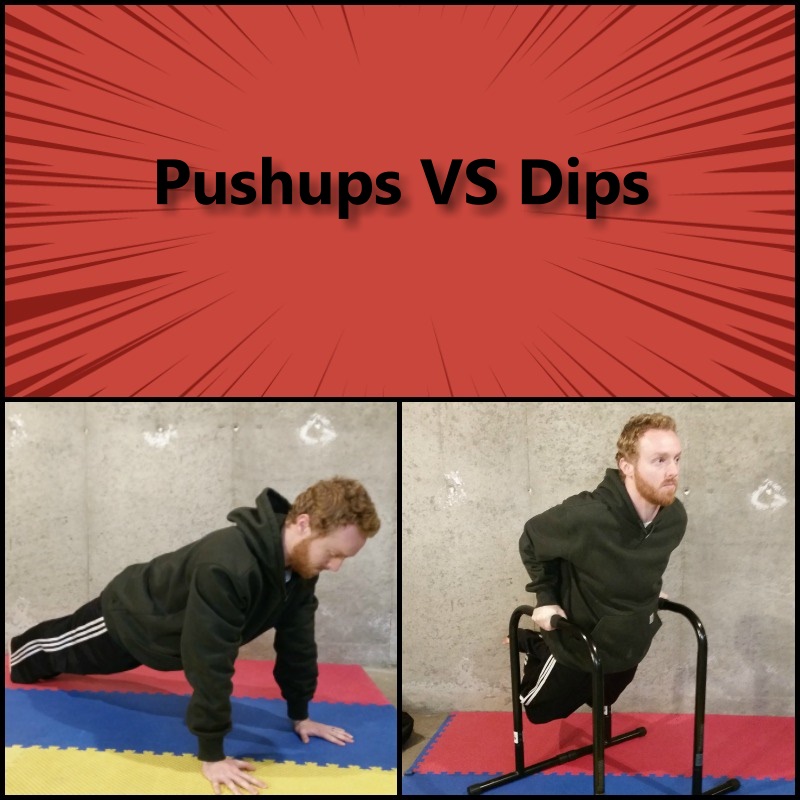
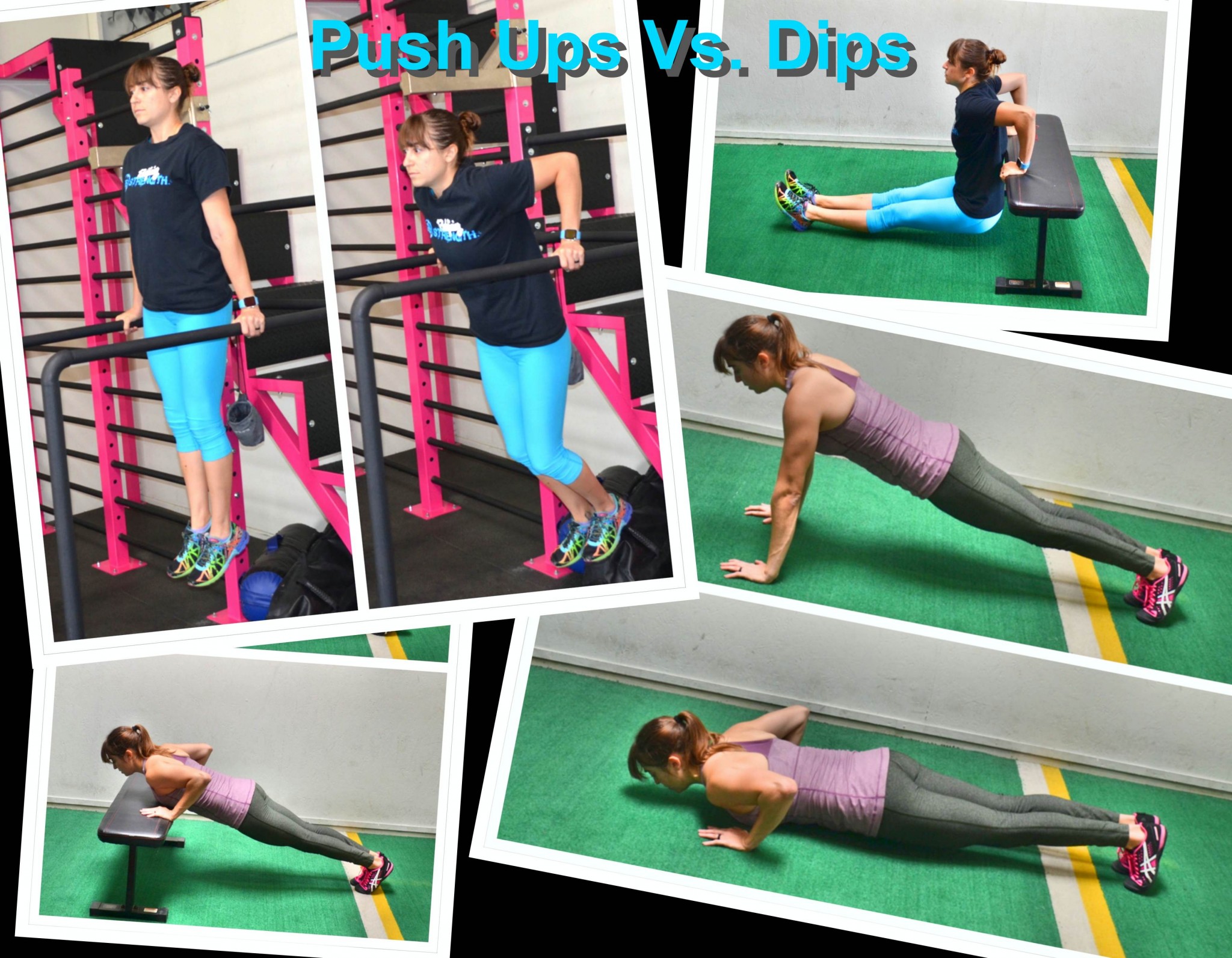
A push-up is a classic move where you support your body on your hands and toes. You lower your chest toward the ground, then press back up. This exercise mainly works your chest, shoulders, and triceps, but also engages your core and even your legs for stability.
What Is A Dip?
A dip is done on parallel bars or the edge of a bench. You support your weight on your hands, lower your body by bending your elbows, then push back up. Dips target the triceps, chest, and shoulders, but in a different way than push-ups. Your feet don’t touch the ground, so you lift your whole body weight.
Muscles Worked: How Dips And Push-ups Compare
Both exercises hit similar muscle groups, but the way they do it is very different. Here’s a closer look at the main muscles involved:
| Muscle Group | Push-Ups | Dips |
|---|---|---|
| Chest (Pectorals) | Main focus | Main focus, especially leaning forward |
| Triceps | Secondary role | Major focus |
| Shoulders (Deltoids) | Stabilizer and secondary | Major focus |
| Core | Stabilizer | Minor stabilizer |
| Back | Minor stabilizer | Minor stabilizer |
Key insight: Dips put more stress on the triceps and shoulders than push-ups. Push-ups share the load more evenly between chest, triceps, and shoulders.
Body Weight Load: How Much Are You Really Lifting?
One reason dips often feel harder is the amount of body weight you lift. In a standard push-up, your feet stay on the ground, so you only push about 64% of your total body weight. In a dip, your feet are off the ground, so you lift nearly 100%.
| Exercise | % Body Weight Lifted |
|---|---|
| Push-Up | ~64% |
| Bench Dip | ~70-80% |
| Parallel Bar Dip | ~100% |
Practical example: If you weigh 70kg (about 154 lbs), a push-up lifts around 45kg (99 lbs), but a parallel bar dip lifts almost your full 70kg.
Joint Stress And Safety
Many beginners underestimate how tough dips can be on the shoulder joints. The dip position puts your shoulders into a deep stretch, especially at the bottom of the movement. If your form is off, or your shoulders aren’t strong and flexible, you risk injury.
Push-ups are much friendlier on the joints. Your arms don’t go as far behind your body, and your range of motion is easier to control. For people with shoulder problems, push-ups are usually safer.
Non-obvious insight: Many people with tight chest muscles or poor shoulder mobility find dips painful or risky. If you feel sharp pain during dips, stop and build strength first.
Skill And Technique: Why Form Matters
Both exercises look simple, but good form is key. With push-ups, beginners often let their hips sag or flare their elbows. This reduces effectiveness and can strain your back.
Dips require even more control. You have to keep your body upright, avoid swinging, and go low enough for a good stretch—but not too low. If you go too deep, you can hurt your shoulders. If you don’t go deep enough, you miss the benefits.
Pro tip: Record yourself doing both exercises. You’ll often spot mistakes you didn’t feel during training.
Progression: How Easy Is It To Get Better?
Improving at push-ups is usually more straightforward. You can start with wall push-ups, then knee push-ups, and finally full push-ups. Once those are easy, you can try harder versions like decline push-ups or adding weight.
Dips, on the other hand, are harder to scale down. Bench dips with your feet on the floor are a good start, but they don’t work the same muscles as parallel bar dips. Many people struggle to do even one full dip at first.
Non-obvious insight: Negative dips—lowering yourself slowly from the top position—are a safer way to build strength for full dips.
Which Builds More Strength And Muscle?
Both exercises build muscle and strength, but in different ways. Dips are often called the “upper body squat” because they load your muscles more heavily. Studies show that dips activate the triceps and lower chest more than push-ups.
Push-ups are great for endurance and building a base of strength. High-rep push-ups work your chest and triceps, but eventually you’ll need harder variations to keep building muscle.
Example: Advanced lifters often add weight to dips for more challenge. It’s rare to see someone adding 40kg to push-ups—but weighted dips are common in strength training programs.
Who Finds Dips Harder (and Why)?
Not everyone finds dips harder than push-ups. Your body type, experience, and injury history all play a role.
- Beginners: Most find dips much harder. They can usually do several push-ups, but struggle with dips.
- Heavier People: The more you weigh, the harder dips become, since you lift your whole body.
- People with Long Arms: Dips can be more difficult due to the longer range of motion.
- Those with Shoulder Issues: Dips can feel risky or painful.
- Strong Triceps/Chest: Some lifters find dips easier if their triceps and lower chest are very strong.
Not-so-obvious tip: If you can do 20+ push-ups but can’t do a single dip, don’t worry. That’s normal. Dips require a higher base of strength.

Variations: Making Each Exercise Easier Or Harder
Both dips and push-ups have many variations, which change the difficulty and target different muscles.
Push-up Variations
- Knee Push-Ups: Easier. Less body weight.
- Incline Push-Ups: Hands on a raised surface.
- Diamond Push-Ups: More triceps focus.
- Decline Push-Ups: Feet elevated for harder chest/shoulder work.
- One-Arm Push-Ups: Advanced balance and strength.
Dip Variations
- Bench Dips: Easier. Feet on the floor.
- Assisted Dips: Use a resistance band or dip machine.
- Weighted Dips: Add a belt and plates for more load.
- Ring Dips: Unstable, much harder.
Practical advice: Start with variations you can do well, then progress as you get stronger. Never rush to harder versions until your form is perfect.
Real-life Data: How Many Can Most People Do?
It’s useful to see what’s “normal” for each exercise. Here’s what research and fitness standards show for men and women:
| Reps | Push-Ups (Men) | Push-Ups (Women) | Dips (Men) | Dips (Women) |
|---|---|---|---|---|
| Beginner | 10-15 | 5-10 | 0-3 | 0-1 |
| Intermediate | 20-30 | 15-20 | 5-10 | 2-5 |
| Advanced | 40+ | 30+ | 15+ | 8+ |
Observation: Most people can do more push-ups than dips. For women, dips are especially challenging at first.
Benefits Of Each Exercise
Both exercises have their own unique benefits, so it’s not just about which is harder.
Why Push-ups Are Great
- No equipment needed: You can do them anywhere.
- Easier to learn: Good for all fitness levels.
- Less joint stress: Safer for shoulders.
- Build endurance: Good for high-rep training.
- Engage core: Good for stability.
Why Dips Are Powerful
- More strength: Greater load on triceps and chest.
- Muscle size: Excellent for building mass.
- Progressive: Easy to add weight for advanced training.
- Pushes limits: Great for challenging the upper body.
Experienced lifters often do both for a complete workout.
Common Mistakes (and How To Avoid Them)
Push-ups
- Hips sagging: Use your core to keep a straight line.
- Flared elbows: Keep elbows at about 45 degrees to protect shoulders.
- Half reps: Lower until your chest nearly touches the ground.
- Neck strain: Keep your neck in line with your spine.
Dips
- Going too deep: Only go as low as your shoulders feel comfortable.
- Swinging: Control the movement, avoid momentum.
- Elbows flared out: Keep elbows close to your body for safety.
- Shrugged shoulders: Keep shoulders down and away from your ears.
Real-world tip: If you feel pain, stop and check your form. Most injuries come from poor technique, not the exercise itself.
When Should You Choose Dips Over Push-ups (or Vice Versa)?
Your goals, fitness level, and injury history matter more than which exercise is “harder. ”
- For beginners: Start with push-ups. Master them before trying dips.
- For muscle growth: Use dips once you’re strong enough. Add weight as you improve.
- For endurance: Stick with push-ups and high reps.
- If you have shoulder pain: Avoid dips, or use a machine or band for support.
Expert advice: If you’re not sure, start with push-ups. Add dips only when you feel ready.
How To Build Up To Dips (if You Can’t Do One Yet)
Many people want to do dips but can’t even do one at first. That’s normal! Here’s how to build up safely:
- Bench dips: Start with feet on the floor, hands on a bench.
- Negative dips: Jump to the top of the dip, lower yourself slowly.
- Assisted dips: Use a resistance band, partner, or dip machine.
- Partial range dips: Only go halfway down at first.
- Strengthen push-ups: Work up to 20+ good push-ups.
- Add triceps exercises: Try triceps pushdowns or overhead extensions.
With practice, you’ll get stronger and safer at dips.
The Role Of Flexibility And Mobility
Most people ignore shoulder mobility and chest flexibility when training dips. Tight shoulders or chest muscles limit your range of motion and make dips riskier.
Simple tests: If you can’t raise your arms straight overhead without arching your back, work on your mobility. Try doorway stretches and shoulder dislocates to improve flexibility before adding dips.
Practical tip: Spend 5-10 minutes warming up your shoulders before dips. This reduces injury risk.
How To Program Dips And Push-ups Into Your Workout
Both exercises can fit in a weekly routine. Here’s an example plan:
- Beginners: 3 sets of push-ups, 2-3x per week.
- Intermediate: Add 2-3 sets of bench or assisted dips.
- Advanced: Do both exercises, adding weight for dips if needed.
Recovery tip: Don’t do heavy dips and push-ups on the same day if you’re new. Give your muscles time to recover.
Why Some Athletes Prefer Dips
Many gymnasts, calisthenics athletes, and powerlifters love dips because they build serious upper body strength. Dips train the chest and triceps in a way that’s hard to match with other bodyweight moves.
Case study: In one research study, weighted dips increased bench press strength more than extra bench pressing did. This shows dips transfer well to other upper body lifts.
For most people, dips become a favorite once they master good form.
Psychological Factors: Confidence And Motivation
It’s normal to feel intimidated by dips, especially if you fail at first. Many people avoid them because they seem too hard. With push-ups, progress feels faster, and you see improvement week by week.
Motivation tip: Set a small goal, like one negative dip or five bench dips. Celebrate each step. Progress builds confidence.
Can Dips Replace Push-ups? Or Vice Versa?
Each exercise has unique strengths. Dips can build more muscle, but push-ups are better for general fitness and endurance. If you want a strong, balanced upper body, do both.
Mistake to avoid: Only doing dips or push-ups limits your progress. Mix both for best results.
Training For Specific Goals: Which Should You Focus On?
- Bigger chest/triceps: Dips (when strong enough)
- Better endurance: Push-ups
- Safer for shoulders: Push-ups
- Explosive strength: Weighted dips
- Workout anywhere: Push-ups
Expert Opinions And Research
Most trainers agree: dips are harder than push-ups for most people. A study in the *Journal of Strength and Conditioning Research* found that dips activated the triceps 15-20% more than push-ups at the same rep range.
For more on muscle activation in bodyweight exercises, see this calisthenics guide.
Key takeaway: Both exercises are valuable, but dips are usually harder, especially for beginners.
Frequently Asked Questions
Is It Normal To Do More Push-ups Than Dips?
Yes, most people can do more push-ups than dips. Push-ups use less body weight and are easier to learn. Many beginners struggle to do even one dip but can do several push-ups.
Can Dips Hurt Your Shoulders?
Dips can stress your shoulders, especially if you go too deep or have poor form. If you feel pain, stop and use assisted variations or focus on shoulder mobility before trying full dips.
Are Dips Better Than Push-ups For Building Muscle?
Dips are more effective for building chest and triceps size due to greater load. However, push-ups are still excellent for muscle endurance and general fitness. Both exercises should be part of a balanced routine.
How Many Push-ups Should I Do Before Trying Dips?
A good rule is to be able to do at least 20 solid push-ups before attempting dips. This shows your upper body is strong enough to start learning dips safely.
Should I Do Dips And Push-ups On The Same Day?
You can, but beginners should be careful. Both exercises work similar muscles, so doing too much at once can cause soreness or injury. If you do both, start with push-ups, then do a few sets of dips.
Getting stronger with bodyweight exercises is a journey. Whether you’re mastering push-ups or trying your first dip, focus on good form, safe progress, and steady improvement. In the end, dips are usually harder than push-ups, but both will make you stronger if you keep practicing.

