
Can Women Use Dip Stations Effectively?
Dip stations are everywhere now—in gyms, parks, and even home workout rooms. You might have seen videos of people doing impressive dips, working their chest and triceps, or using the station for core exercises. But if you’re a woman, you might ask: “Can women really use dip stations effectively?” There are myths, fears, and sometimes even awkward looks in the gym that can make this question feel bigger than it is. The truth is: dip stations are a powerful tool for women. With the right approach, women can gain strength, improve muscle tone, and boost confidence using dip stations, regardless of fitness level.
Let’s look at the facts, break down the benefits, and see how women can use dip stations safely and effectively. Whether you’re a beginner or already working out, this guide will give you the knowledge and motivation to make the most of dip stations.
Understanding Dip Stations: What Are They?
A dip station is a piece of exercise equipment, usually made of two parallel bars. You hold onto the bars, lift your body, and perform dips or other bodyweight exercises. There are different types, such as:
- Fixed dip bars (mounted to floors or walls)
- Portable dip stands (movable, free-standing)
- Assisted dip machines (with counterweights to reduce the load)
Dip stations are used for upper body and core exercises. Dips mainly target the triceps, chest, and shoulders. But with some creativity, you can work your abs, back, and even your legs.
Common Misconceptions: Are Dip Stations Only For Men?
Many women worry that dip stations are “too hard” or only for men. This idea comes from old fitness stereotypes and lack of information. In reality, women can use dip stations just as effectively as men, but some challenges and starting points may be different.
Some common myths include:
- Women don’t have enough upper body strength for dips.
- Dips will make women “bulky.”
- Dip stations are not safe for women.
These ideas are not true. Strength is built over time, and dip stations can be adjusted for any ability level. Muscle tone—not bulk—is the usual result, and dips can be very safe with good form.
Benefits Of Dip Stations For Women
Women can enjoy many benefits from using dip stations. Here are some key advantages:
- Upper Body Strength
- Dips strengthen the triceps, shoulders, and chest.
- Improved strength helps with daily tasks, sports, and posture.
- Lean Muscle Tone
- Dips promote lean muscle, not bulk.
- Muscles become more defined, improving overall appearance.
- Core Stability
- Many dip variations engage the core.
- Stronger core muscles support the back and reduce injury risk.
- Joint Health
- Controlled dips can improve shoulder stability.
- Helps prevent injuries by strengthening smaller supporting muscles.
- Convenience and Versatility
- Dip stations are compact and allow multiple exercises.
- Great for home or outdoor workouts.
- Confidence Boost
- Mastering dips feels empowering.
- Achieving new strength milestones builds self-esteem.
- Calorie Burn
- Bodyweight exercises like dips burn calories and support weight loss.
- Full-body effort increases heart rate.
- Bone Density
- Weight-bearing movements help maintain bone health, important for women.
Can Beginners Use Dip Stations? Absolutely.
If you’re new to strength training, dip stations can look intimidating. But they are beginner-friendly with the right approach. Here’s how women can start safely:
Start With Assisted Dips
Most women cannot do a full bodyweight dip on day one. This is normal. Assisted dips are a great starting point. Methods include:
- Assisted dip machines: These use counterweights to reduce how much you lift.
- Resistance bands: Loop a band over the bars, and place your knees or feet in the band for support.
- Feet on floor: Use parallel bars low to the ground and keep your feet on the floor for partial support.
Table: Assisted Dip Progressions
| Assistance Type | How It Works | Best For |
|---|---|---|
| Assisted Dip Machine | Machine reduces weight you lift | Gym beginners |
| Resistance Bands | Band supports part of your weight | Home or park users |
| Feet on Floor | Partial bodyweight, more control | Complete beginners |
Focus On Form Over Reps
When starting, proper form is more important than doing many repetitions. Keep shoulders down, elbows close to your body, and lower slowly. This prevents injury and helps build the right muscles.
Add Negative Dips
If a full dip is too hard, try negative dips: Start at the top of the dip position and slowly lower yourself down. This builds strength for the full movement.
Progress Gradually
Increase difficulty as you get stronger:
- Reduce assistance (use thinner bands)
- Increase range of motion
- Add more sets or reps slowly

Essential Dip Station Exercises For Women
Dip stations offer more than just basic dips. Here are several effective exercises for women, from beginner to advanced:
1. Assisted Triceps Dips
- Start with a band or machine for support.
- Focus on lowering and pushing up with triceps.
2. Bench Or Box Dips
- Use a bench or low bar.
- Feet on the ground, hands behind you on the edge.
- Lower hips, then press up.
3. Negative Dips
- Use a jump or step to get to the top.
- Lower yourself slowly (3–5 seconds).
- Repeat for controlled reps.
4. Parallel Bar Knee Raises
- Support yourself on the dip station.
- Raise knees toward chest, working the core.
- Lower with control.
5. Static Holds
- Hold the top position of a dip.
- Tighten core and maintain for 10–30 seconds.
6. Full Bodyweight Dips
- Once strong enough, perform dips without assistance.
- Keep elbows close and move in a slow, controlled way.
7. L-sit
- Support body with straight arms.
- Lift legs out in front (like an “L” shape).
- Hold for as long as possible.
8. Archer Dips
- Lower on one side more than the other.
- Alternate sides for added challenge.
9. Straight Bar Dips
- Use a straight bar instead of parallel bars.
- Increases chest activation.
10. Bulgarian Dips
- Lean forward, elbows flare out.
- Targets chest more than triceps.
Safety Tips And Common Mistakes
Safety is vital. Dips are powerful but can stress the shoulders or wrists if done wrong. Here’s how to stay safe:
Warm Up Properly
- Always warm up your shoulders, elbows, and wrists.
- Include arm circles, band pull-aparts, and gentle stretches.
Avoid These Common Mistakes
- Flaring elbows too wide: This strains shoulders. Keep elbows close.
- Shrugging shoulders: Keep shoulders away from ears.
- Going too deep: Only go as low as comfortable. For most, upper arms parallel to the floor is enough.
- Using momentum: Move slowly to control the exercise.
Table: Dip Station Safety Comparison
| Good Form | Poor Form |
|---|---|
| Elbows tucked, slow movement, core tight | Elbows flared, fast/bouncing, loose core |
| Shoulders down, neutral neck | Shoulders shrugged, head forward |
Listen To Your Body
- Stop if you feel sharp pain.
- Soreness is normal, but joint pain is not.
Use Proper Equipment
- Check that dip bars are stable and not slippery.
- Use gloves if needed for grip.
How To Build A Dip Station Routine For Women
A good routine depends on your goals and fitness level. Here’s how to design a balanced dip station workout.
Beginner Routine (2–3 Times Per Week)
- Warm up: 5–10 minutes
- Assisted dips: 3 sets of 6–8 reps
- Negative dips: 2 sets of 4–6 reps
- Parallel bar knee raises: 3 sets of 8–10 reps
- Static holds: 2 sets, 15–20 seconds
Intermediate Routine
- Warm up: 5–10 minutes
- Full dips: 3 sets of 6–10 reps
- L-sit: 2 sets, hold as long as possible
- Archer dips: 2 sets of 4–6 reps per side
- Knee raises: 3 sets of 10–12 reps
Advanced Routine
- Warm up: 5–10 minutes
- Bulgarian dips: 3 sets of 6–8 reps
- Straight bar dips: 3 sets of 8–10 reps
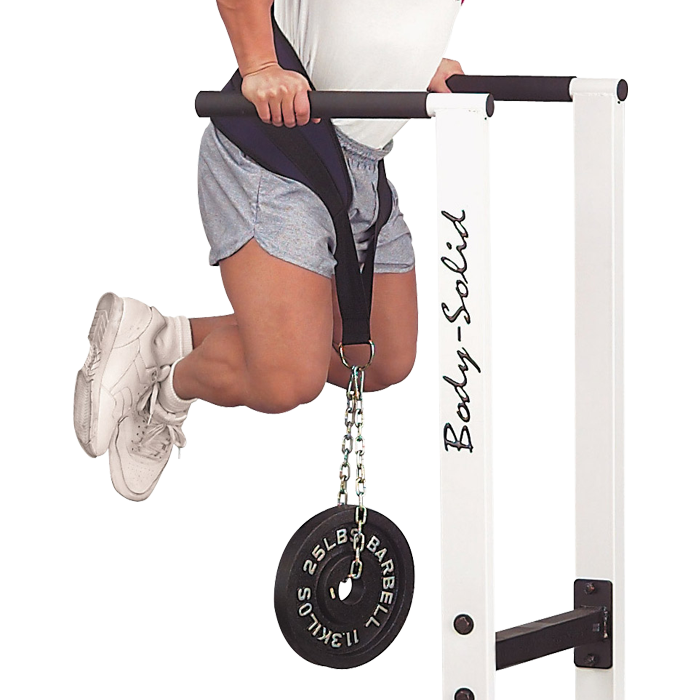
- Weighted dips (add weight with belt or backpack): 3 sets of 4–6 reps
- L-sit: 3 sets, as long as possible
Tips For Success
- Rest at least one day between dip workouts.
- Pair dips with pulling exercises (like rows or pull-ups) for balanced shoulders.
- Track progress: Write down reps, sets, and how you feel.
Why Women Should Not Fear “bulking Up” From Dips
A common worry is that dips will make women look bulky. In reality, building large muscles is very difficult for women, due to lower testosterone. Instead, dips help:
- Create leaner, firmer arms
- Improve muscle definition
- Support fat loss when combined with good nutrition
Most women find their arms, shoulders, and chest become more toned, not bigger.
Unique Challenges Women May Face On Dip Stations
Women sometimes face unique challenges with dip stations, but these can be overcome:
Lower Starting Strength
Women often start with less upper body strength than men. This means progress might feel slow, but the body adapts with regular training.
Joint Mobility
Women may have more joint mobility, especially in the shoulders. Focus on stability and control to avoid overstretching.
Hand Size And Grip
Smaller hands can make gripping large bars harder. Use thinner bars if possible, or wear gloves for better grip.
Social Pressure
Sometimes, women feel out of place using dip stations, especially in busy gyms. Remember: everyone starts somewhere. Confidence grows with practice.
Real-life Success Stories: Women And Dip Stations
Many women have shared their progress with dip stations online. Here are a few inspiring examples:
- Rachel, age 34: Couldn’t do a single dip at first. After 3 months with resistance bands, she managed her first unassisted dip.
- Maya, age 27: Used dip stations to rehab a shoulder injury and now uses them for regular core and upper body training.
- Jasmine, age 45: Added dips to her home routine. Noticed stronger, more defined arms and less back pain.
These stories show that with patience and consistent effort, women can gain real strength and confidence with dip stations.

Comparing Dip Stations To Other Upper Body Tools
How do dip stations stack up against other common upper body equipment like push-up bars, TRX straps, or free weights?
| Equipment | Main Muscles Worked | Best For | Drawbacks |
|---|---|---|---|
| Dip Station | Triceps, chest, shoulders, core | Strength, muscle tone, bodyweight focus | Challenging for beginners |
| Push-Up Bars | Chest, triceps, shoulders | Push-up variations, wrist comfort | Limited core/leg use |
| TRX Straps | Full body, core, stabilizers | Versatility, joint-friendly | Requires anchor point |
| Dumbbells | Any muscle group | Isolated or compound moves | Less bodyweight integration |
Dip stations are unique because they teach body control and build real-world strength.
Nutrition Tips For Better Results With Dip Stations
Strong muscles need more than exercise—they need fuel. Here are some nutrition basics for women using dip stations:
- Eat enough protein: Aim for 1.2–1.6 grams of protein per kilogram of body weight daily. This helps build and repair muscle.
- Stay hydrated: Water helps muscles work and recover.
- Balance carbs and fats: Carbs give energy for workouts; healthy fats support hormone health.
- Don’t fear food: Fueling your body is key for progress.
The Psychological Benefits: More Than Physical Strength
Using dip stations doesn’t just change your body; it changes your mind. Women who add dips to their routine often report:
- Greater confidence: Achieving new strength goals feels empowering.
- Stress relief: Physical activity helps reduce anxiety.
- Better body image: Watching your progress on the bars shifts focus from appearance to ability.
How To Overcome Plateaus
Everyone hits a plateau at some point. Here’s how to break through:
- Change your grip: Try wider or narrower bars.
- Increase time under tension: Slow down the movement.
- Add weight: Use a weighted vest or backpack if you’re advanced.
- Try new exercises: Mix in L-sits, archer dips, or straight bar dips.
When To Avoid Dip Stations
Dip stations are great for most women, but there are times to be careful:
- Shoulder injuries: If you have a history of dislocations or pain, check with a physical therapist first.
- Pregnancy: Avoid dips if pregnant, unless cleared by your doctor.
- Wrist pain: Use parallel bars or adjust grip to protect wrists.
Where To Find Reliable Dip Station Guidance
For technique videos and progressions, check resources like the American Council on Exercise or trusted fitness websites. One helpful reference is the Wikipedia page on dips, which explains form and variations.
Frequently Asked Questions
Can Women Build Muscle Using Dip Stations?
Yes. Dip stations help women build lean muscle, especially in the triceps, shoulders, chest, and core. With consistent training, muscle tone improves and strength increases without adding bulk.
How Long Does It Take For Women To Do An Unassisted Dip?
It varies. Most women need 4–12 weeks of regular practice to do their first unassisted dip, starting with assisted versions and focusing on form.
Are Dips Safe For Women With Shoulder Issues?
Dips can be safe with good form, but women with shoulder pain or injuries should use caution. Start with assisted dips and avoid going too deep. Always consult a health professional if unsure.
What’s Better For Women: Dips Or Push-ups?
Both are excellent. Push-ups are easier to start with, but dips target the triceps and lower chest more intensely. Combining both gives the best results.
Do Dip Stations Help With Weight Loss For Women?
Yes. Dips burn calories and build muscle, which increases metabolism. For best results, combine dip station training with healthy eating and other forms of exercise.
Women can absolutely use dip stations effectively. With patience, good technique, and a little courage, dip stations can be a powerful part of any woman’s strength training routine. The journey may start with assisted dips, but progress comes quickly—and the rewards go far beyond stronger arms.
Embrace the challenge, track your progress, and enjoy the transformation in both body and confidence.

