
Traveling can often disrupt your workout routine, especially if you rely on gym equipment. Many fitness enthusiasts and calisthenics fans now wonder: Can you travel with portable dip bars? This is not just about carrying a piece of metal in your bag. It’s about whether it is practical, efficient, and worthwhile to take these bars on your trips. Whether you’re a digital nomad, a business traveler, or just someone who doesn’t want to skip upper body workouts while exploring new places, this question is crucial. Let’s look into the reality, practicalities, and tips for taking portable dip bars on the road—and how to make the most of them wherever you go.
Understanding Portable Dip Bars
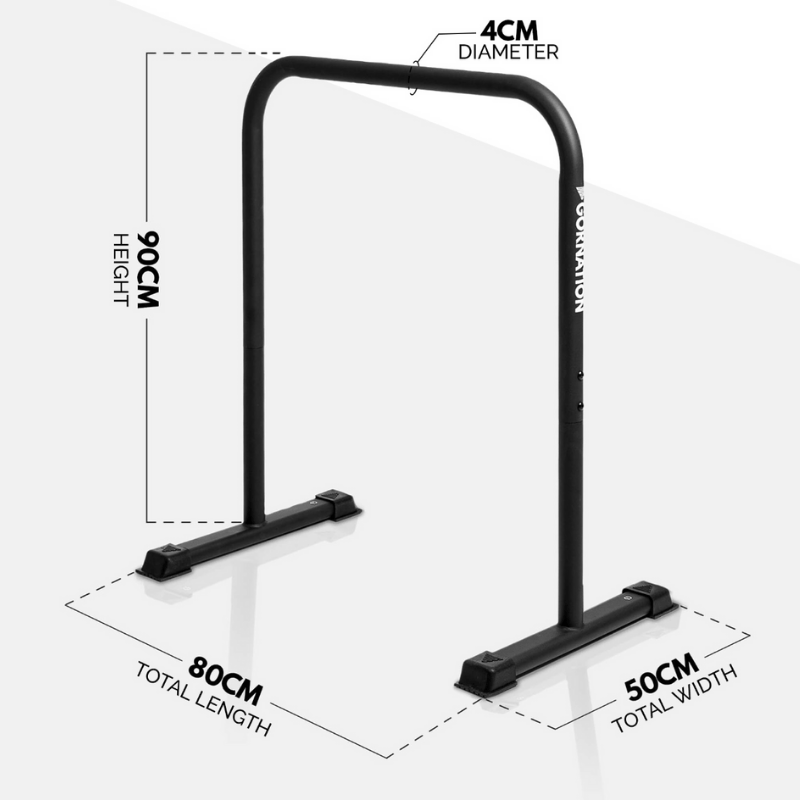
Portable dip bars are exercise equipment designed for bodyweight training, focusing on dips, L-sits, and other upper body exercises. Unlike stationary gym bars, these are made to be moved, assembled, and used almost anywhere. They come in different shapes and sizes, but all share one goal: give you the freedom to train outside the gym.
Types Of Portable Dip Bars
There are two main types:
- Fixed-frame dip bars: These are one-piece units, usually lightweight but not foldable. They are simple to use but can be bulky.
- Collapsible or folding dip bars: These break down into smaller parts, making them easier to pack. They may take a few minutes to set up, but offer more portability.
Some brands also produce multifunctional bars, which can serve as push-up handles, parallettes, or even pull-up bars.
Key Features That Make Dip Bars “portable”
- Lightweight materials: Most portable bars are made from steel or aluminum, weighing between 8-20 pounds (3.5-9 kg).
- Compact size: Folded or disassembled, they can fit in large suitcases or backpacks.
- Tool-free assembly: Many models snap together or use simple locking mechanisms.
These features make it possible to think about packing them for a trip, but that doesn’t mean it’s always easy.
The Realities Of Traveling With Portable Dip Bars
While the idea sounds attractive, the reality involves more than just grabbing your dip bars and heading out the door.
Air Travel Considerations
Airlines have strict rules about luggage size and weight. A set of portable dip bars can weigh as much as a carry-on bag. If you’re taking a flight, check these points:
- Weight limits: Most airlines allow 50 pounds (23 kg) for checked bags. Portable dip bars can take up a big part of this allowance.
- Size: Even if they fold, some bars are still too long or wide for standard luggage.
- Security: Metal parts may trigger extra screening at airport security.
Ground Transportation
If you’re driving or taking a train, space is less of a problem. You can usually fit the bars in your trunk or luggage compartment. However, carrying them around cities or public transport can be uncomfortable.
Accommodation And Usage
Not every hotel or Airbnb welcomes workout equipment. You’ll need enough floor space and a stable, flat surface. Some hosts may worry about damage to floors or walls.
Weather And Environment
Outdoor workouts are great, but rain, snow, or extreme heat can make it hard to use your bars outside. Consider the climate of your destination before packing.
Legal And Security Issues
In some countries, carrying large metal objects may attract unwanted attention from customs or law enforcement. Always check local regulations.
Are Portable Dip Bars Really Travel-friendly? A Practical Analysis
To decide if portable dip bars are worth taking, let’s compare the key factors that matter to travelers.
| Factor | Portable Dip Bars | Alternative (Resistance Bands, Bodyweight Only) |
|---|---|---|
| Weight | 8-20 lbs (3.5-9 kg) | Less than 1 lb (0.5 kg) |
| Packing Size | Large backpack or suitcase | Pocket or small pouch |
| Exercise Variety | High (dips, L-sits, rows) | Moderate (push-ups, squats, band pulls) |
| Setup Time | 2-5 minutes | None |
| Airport Security | Possible inspection | No issues |
| Space Needed | Medium (6-8 sq ft) | Very little |
Non-obvious insight: Many travelers forget that even the most “portable” dip bars are still heavier than most other fitness gear. If you are close to your airline’s weight limit, taking them may mean leaving other essentials behind.
Benefits Of Traveling With Portable Dip Bars
If you’re committed, there are real upsides to bringing your dip bars on the road.
Maintain Your Upper Body Strength
Dips are one of the best exercises for triceps, chest, and shoulders. Having your own bars means you can train these muscles anywhere, anytime.
Consistency In Training
Travel often means lost progress. With portable dip bars, you can stick to your routine, avoiding long breaks that set you back.
Comfort And Hygiene
Not all gyms are clean, and many hotels don’t have proper equipment. Using your own bars means you control the cleanliness and setup.
Versatile Workouts
You can do more than just dips:
- L-sits
- Inverted rows
- Knee raises
- Push-ups with a deeper range
- Decline push-ups
This variety keeps your workouts interesting and effective.
No Need For A Gym
Finding a decent gym in a new city can be hard and expensive. With your own dip bars, you’re never stuck without options.

Drawbacks And Limitations
Of course, there are also real downsides.
Packing And Carrying Challenges
Even the lightest dip bars are bulky compared to resistance bands or a jump rope. Lugging them through airports or busy streets can be tiring.
Not Always Allowed
Some hotels, hostels, or short-term rentals may not allow workout equipment in rooms, especially if it could damage floors.
Not Ideal For Every Trip
Short city breaks or trips with lots of moving between locations may not be suitable for carrying extra gear.
Security And Customs Delays
Metal bars can look suspicious in an x-ray. Be ready for extra checks or even having to explain what they are at the airport.
Weather Dependency
If you planned to use your bars outdoors and it rains, your workout options are limited unless you have indoor space.
How To Choose The Best Portable Dip Bars For Travel
Not all portable dip bars are equal. Here’s how to pick the right pair for your travel needs.
1. Weight And Size
Choose bars that are as light and compact as possible, but still strong enough to support your weight. Some models break down to fit in a standard suitcase.
2. Tool-free Assembly
Look for bars that snap together without tools. This makes setup and breakdown much faster, especially in hotel rooms.
3. Build Quality
Aluminum bars are lighter, but steel is usually stronger. Check the weight capacity—most good bars can hold at least 250 lbs (113 kg).
4. Stability
Wider bases are more stable but take up more room. Make sure the bars won’t tip over, especially on carpet or soft floors.
5. Grip Comfort
Look for padded or textured handles to prevent slipping during sweaty workouts.
6. Price
Expect to pay between $60 and $150 for quality portable dip bars. Cheaper models may wobble or break easily.
7. User Reviews
Check online reviews to see how people actually use them during travel. Many brands overstate portability.
Non-obvious insight: Some “ultra-portable” bars sacrifice so much stability that they are dangerous for heavier users. Always test your bars at home before taking them on a trip.
Packing Tips For Traveling With Dip Bars
If you decide to take the plunge, packing your dip bars smartly is essential.
Disassemble Fully
Break down the bars into their smallest pieces. This helps them fit into your luggage better and reduces the chance of damage.
Use Padding
Wrap metal parts in clothes or towels to prevent scratches and protect your other items. Padded cases are ideal if available.
Put In Checked Luggage
Most airlines will not allow large metal bars in carry-on bags. Place them in your checked luggage and be prepared for inspection.
Balance Weight
Distribute the bars across two bags if possible to avoid overweight luggage fees.
Carry Assembly Instructions
If security asks about the bars, showing a printed manual or product photo can help explain what they are.
Label Your Gear
Attach a label with your contact info in case your luggage is opened or inspected.
Alternatives To Portable Dip Bars For Travelers
If packing dip bars doesn’t fit your style or trip, there are still ways to keep up your strength training.
Resistance Bands
These are light, cheap, and fit in any bag. You can do pushdowns, rows, and even assisted dips with a sturdy chair.
Bodyweight Exercises
Classic moves like push-ups, planks, and squats require no equipment and can be done anywhere.
Parallettes
Smaller than dip bars, parallettes are great for push-ups, L-sits, and planche training. They fit better in luggage but aren’t ideal for full dips.
Use Local Parks
Many cities have outdoor gyms or playgrounds with parallel bars. With a quick online search or map app, you can often find a spot to work out near your hotel.
Comparing Popular Portable Dip Bar Models
To help you see what’s possible, here’s a comparison of some well-known portable dip bar models.
| Brand/Model | Weight | Folded Size | Max Weight Capacity | Assembly Needed | Price Range |
|---|---|---|---|---|---|
| Lebert Fitness Equalizer | 8 lbs (3.6 kg) each | 28” x 25” x 2” | 400 lbs (181 kg) | No | $110-$130 |
| ProsourceFit Dip Stand | 11 lbs (5 kg) | 23” x 36” x 3” | 400 lbs (181 kg) | Yes | $60-$80 |
| Ultimate Body Press Dip Bar | 10 lbs (4.5 kg) | 24” x 36” x 3” | 350 lbs (158 kg) | Yes | $80-$100 |
| AmazonBasics Dip Bar | 20 lbs (9 kg) | 35” x 27” x 5” | 300 lbs (136 kg) | No | $60-$70 |
As you can see, even the lightest models are not exactly “ultra-light. ” But some do fit in larger checked bags.
Real-world Examples: Travelers Who Use Dip Bars
Some fitness enthusiasts insist on taking their dip bars everywhere. Here are two real stories:
- Alex, a digital nomad from Germany, packs his collapsible dip bars on every trip. He says, “I can use them in hotel rooms, Airbnbs, or even by the beach. It makes me feel at home anywhere.” Alex admits that extra baggage fees are a downside, but for him, keeping his body strong is worth the cost.
- Sara, an American flight attendant, prefers resistance bands but sometimes takes mini parallettes on longer layovers. “I love dips, but the hassle of carrying big bars is too much for short trips. For two-week stays, it’s doable.”
Insight: Many users find that dip bars are only practical for longer trips or for people who absolutely need them for their style of training. For a weekend getaway, they are often more trouble than they’re worth.
Maximizing Workouts While Traveling With Dip Bars
If you do decide to bring your dip bars, make sure you get the most out of them.
Plan Your Workouts
Schedule your sessions so you don’t skip them. Use your bars for compound moves that give the most benefit:
- Dips: 3-4 sets of 8-15 reps
- L-sits: 3-5 sets, 10-30 seconds each
- Inverted rows: 3 sets of 10-12 reps
- Push-ups (on bars): 3 sets to failure
Mix With Other Equipment
Pair your dip bars with resistance bands or bodyweight moves. This keeps things fresh and ensures a full-body workout.
Adjust To Your Environment
If you have limited space, focus on exercises that don’t require swinging or jumping. Respect your accommodation’s noise and safety rules.
Clean After Use
If you use your bars outdoors, wipe them down before packing to prevent rust or dirt from spreading to your clothes.
Safety Tips For Using Portable Dip Bars Away From Home
Travel changes your usual environment, so safety matters even more.
- Check the floor: Make sure it’s flat and non-slippery. Carpets and rugs can make bars unstable.
- Test the bars: Before your workout, check that all connections are tight.
- Mind the weight limit: Don’t overload lightweight bars, especially if you do dynamic moves.
- Avoid sharp corners: Keep bars away from walls or furniture to prevent damage or injury.

When Is It Worth Traveling With Dip Bars?
So, should you travel with portable dip bars? It comes down to your priorities:
- If upper body strength is your top goal, and you’re traveling for a week or more, it may be worth the hassle.
- For short trips, or if you need to pack light, consider alternatives.
- If you have special training needs (like gymnastics or calisthenics), dip bars can keep your progress on track.
Remember, the best equipment is the one you actually use. If you bring them but never set them up, they’re just extra weight.
Frequently Asked Questions
Can You Bring Portable Dip Bars On A Plane?
Most airlines allow portable dip bars in checked luggage, but not as carry-on. Check the size and weight rules for your airline. Security may inspect your bag, so be ready to explain what the bars are.
What Is The Lightest Portable Dip Bar Available?
The Lebert Fitness Equalizer is one of the lightest, at about 8 pounds (3.6 kg) per bar. Some mini parallettes are lighter but are not suitable for full dips.
Are There Any Alternatives If Dip Bars Are Too Heavy To Travel With?
Yes, resistance bands and bodyweight exercises are great alternatives. You can also look for local parks with parallel bars, or use small parallettes for some similar exercises.
Will Hotels Allow You To Use Dip Bars In Your Room?
Some hotels have no problem, especially if you’re careful not to damage the floor. Always check with the front desk or host before setting up large equipment.
Do You Need Tools To Assemble Portable Dip Bars?
Most modern models are tool-free and use snap-together parts. Some cheaper models may need a wrench or screwdriver. Always check before traveling.
Traveling with portable dip bars is possible, but it’s not always easy or practical. For dedicated athletes, they can be a game-changer on the road. For most people, lighter options work just as well. If you want to see more about travel fitness gear and tips, check out this helpful guide from Verywell Fit. Whatever you choose, keeping active while traveling is always a smart move. Safe travels and strong workouts!

