
Every year, more people are setting up home gyms and looking for efficient equipment to boost their strength. Dip stations are often a top pick because they help build muscle in the chest, shoulders, triceps, and core—all with just one piece of gear. But as you shop for a dip station, you’ll notice the options are endless. Some are simple, portable bars. Others look complex, with many adjustments and add-ons. Choosing the right one can be confusing, especially if you’re new to fitness equipment. The features matter a lot: they decide how safe, comfortable, and effective your workouts will be.
This article breaks down every key feature you should consider before buying a dip station. You’ll learn not just the basics, but also the lesser-known details that separate a good dip station from a piece that ends up unused in your garage.
Whether you’re looking for your first dip station, want to upgrade, or plan to use one at your gym, this guide will help you make a smart, confident decision.
Stability And Build Quality
The most important part of any dip station is how stable and strong it feels when you use it. Stability means the station won’t wobble or tip during exercise. This is critical for your safety and also for your confidence—no one wants to worry about falling while doing dips.
A dip station’s build quality depends on the materials used. Most high-quality dip bars are made from heavy-duty steel. Thicker steel usually means more weight capacity and better durability. Look for welded joints instead of bolted parts. Welded frames are often stronger and less likely to come loose over time.
Non-obvious insight: The width of the base makes a big difference. A wider base spreads out your weight, making the station less likely to rock side to side. If your floor is uneven, check for adjustable feet or rubber caps. These small features help keep the frame level and protect your floor from scratches.
Weight Capacity
Every dip station has a maximum weight capacity. This is the highest total weight it can safely support. Always check this number before buying, especially if you plan to use extra weight (like a dip belt with plates).
Most home dip stations hold between 250 to 500 pounds (113 to 227 kg). Commercial models can handle even more. Never choose a station close to your body weight limit. Give yourself at least a 20% safety margin. For example, if you weigh 180 pounds (82 kg), look for a station that supports at least 220 pounds (100 kg).
Non-obvious insight: Weight capacity isn’t just about your body weight. If two people will use it—say, you and a heavier friend—buy for the heavier user. Also, if you plan to do advanced moves (like weighted dips or explosive exercises), choose a station with extra strength.
Handle Design And Comfort
The handle bars are where your hands grip, so their design affects every rep. Good handles should feel secure and comfortable, even during long workouts.
Handle Diameter
Most people find a diameter of 1. 25 inches (about 3 cm) comfortable. If the bar is too thin, it can dig into your hands. Too thick, and it’s hard to grip, especially for smaller hands.
Handle Length
Longer handles (over 18 inches or 45 cm) give you more room for different grip widths. This helps target different muscles and keeps your wrists in a natural position.
Grip Material
Look for handles with non-slip grips—these are often rubber-coated or padded with foam. Grips keep your hands from slipping, especially if you sweat. They also reduce calluses and hand fatigue.
Practical tip: If you use chalk or gloves, check that the handles don’t become slippery or uncomfortable with these extras.
Adjustable Width
People have different shoulder widths and body types. A fixed-width dip station might feel fine for one person and awkward for another. That’s why adjustable width is a top feature for many users.
Adjustable arms let you move the bars closer or further apart, usually within a range of 18 to 28 inches (45 to 71 cm). This allows for both narrow dips (more triceps) and wide dips (more chest).
Some advanced dip stations have quick-release pins or knob adjustments, so you can change the width in seconds. Others need tools and take more time, but they still add flexibility.
Key benefit: If more than one person will use the station, adjustability saves arguments and makes workouts safer for everyone.
Height Adjustability
If you’re tall or short, the height of the dip bars matters. Bars set too low can make your knees hit the ground; bars too high can be scary to mount.
Some stations have adjustable height, letting you raise or lower the bars to match your body. This is especially useful if you want to do other exercises, like leg raises or inverted rows.
For most adults, a bar height between 40 and 50 inches (about 100 to 127 cm) works well. If possible, test the height before buying, or measure your inseam to ensure your legs won’t drag.
Pro tip: If your station will sit in a room with a low ceiling, check that you have enough clearance to use it safely.
Portability And Storage
Not everyone has a dedicated gym space. If you need to move or store your dip station often, portability is a key feature.
Some dip stations are designed to be lightweight and foldable. They might come as two separate bars (called parallel bars) or as a one-piece frame with folding arms. These models are easy to move and hide away when not in use.
Heavier, commercial-grade stations offer more stability but are harder to move. If you value portability, check the weight of the unit and whether it fits in your closet, under a bed, or against a wall.
Comparison example:
| Feature | Portable Dip Station | Heavy Duty Dip Station |
|---|---|---|
| Weight | 15-30 lbs (7-14 kg) | 45-90 lbs (20-41 kg) |
| Foldable | Usually | Rarely |
| Best for | Small spaces, travel | Permanent home gyms |
Extra tip: If you live in an apartment, choose a model with quiet, rubber feet that won’t disturb neighbors when moved.
Ease Of Assembly
Some dip stations come almost ready to use, while others arrive in many pieces. If you don’t enjoy building things, easy assembly is a must.
Check if the manufacturer provides clear instructions and all the tools needed. Most home-use dip stations take 20–40 minutes to assemble, but poorly designed models can take much longer.
Common mistake: Not tightening bolts enough. If your dip station wobbles after assembly, check every bolt again for a secure fit.
Versatility (exercise Options)
A basic dip station does one thing: dips. But some models offer much more. Versatility means you can use your station for other exercises, saving money and space.
Look for stations with extra features like:
- Pull-up bars
- Push-up handles
- Vertical knee raise (VKR) pads
- Resistance band anchors
- Step-up platforms
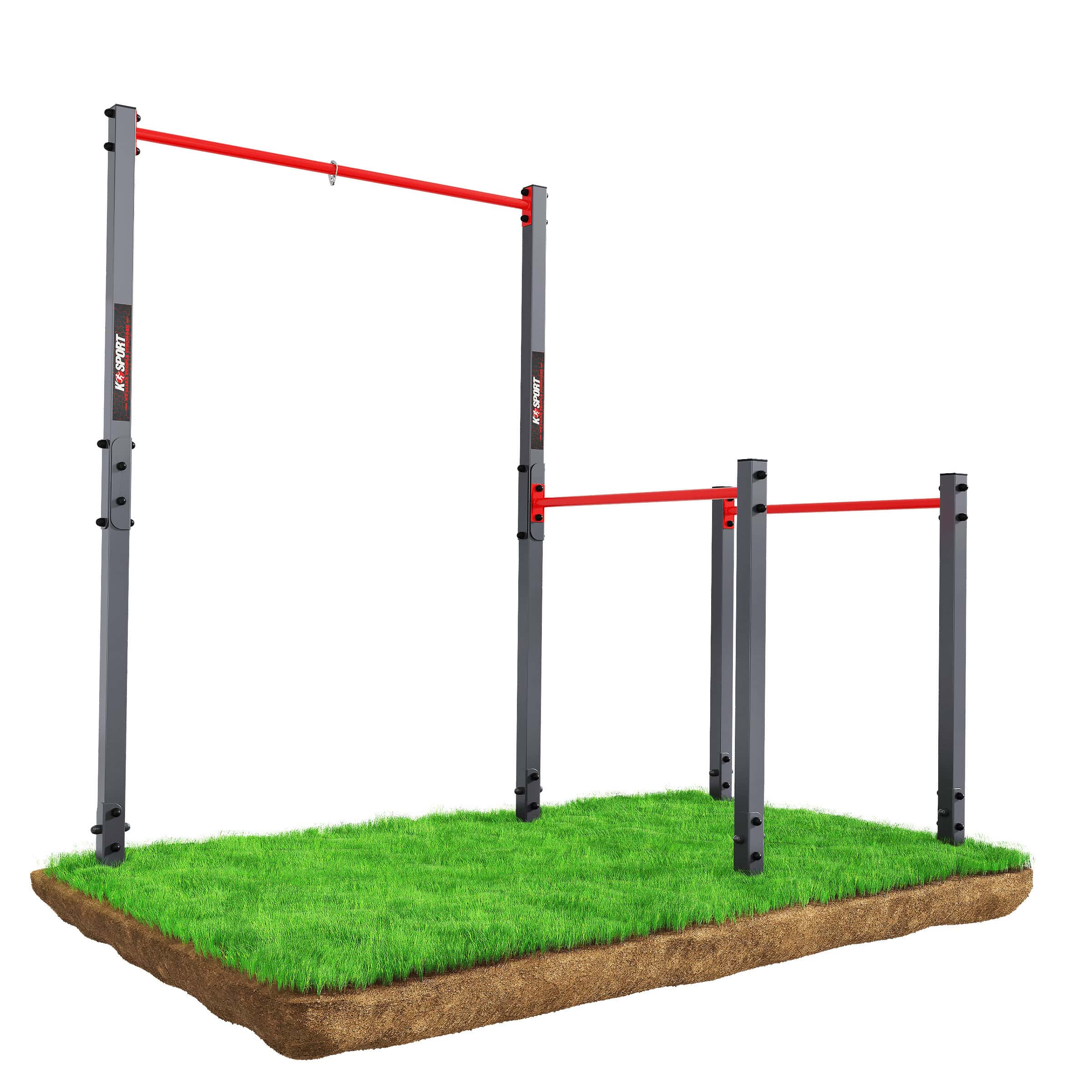
These add-ons turn one piece of equipment into a mini home gym. For example, VKR pads allow you to do knee and leg raises for your abs. Pull-up bars work your back and biceps.
Versatility comparison:
| Station Type | Exercises Supported |
|---|---|
| Basic Dip Station | Dips, L-sits, Incline push-ups |
| Multi-Function Station | Dips, Pull-ups, Knee raises, Push-ups, Rows |
Real-world example: Many calisthenics athletes use multi-function stations to train their entire upper body without buying extra equipment.
Footprint And Space Requirements
Before you buy, measure your available space. The footprint of a dip station is the floor area it covers. You’ll need extra room around it for safe movement.
Most home dip stations need a minimum of 3 by 4 feet (about 1 x 1. 2 meters). Some multi-function towers need up to 5 by 6 feet (1. 5 x 1. 8 meters). Check the product dimensions and compare to your room.
Key advice: Leave at least 2 feet (60 cm) of open space on each side to move freely. If your space is limited, choose a compact or foldable model.
Safety Features
Safety matters more than anything. Look for features that protect you during every workout.
Non-slip Base
Rubber feet or non-slip pads keep the station from sliding during exercise. This is especially important if you use your dip station on hardwood or tile floors.
Secure Fastening
If your station has adjustable arms or legs, make sure they lock firmly in place. Loose adjustments are a top cause of gym injuries.
Rounded Edges
Sharp corners can cut or bruise your legs. Quality stations have rounded or covered edges to prevent accidents.
Weight Rating Labels
A good station should clearly display its weight limit. Avoid products with missing or unclear safety information.
Caution: Never try to modify or overload your dip station. Follow the instructions and respect its limits.

Price And Value
Dip stations come in a wide price range—from $50 for a basic set to over $400 for a commercial tower. Don’t choose by price alone. Instead, think about value: what features do you actually need, and what will last over years of use?
- Budget models ($50–$120): Great for beginners, usually portable, but may lack stability or versatility.
- Mid-range models ($120–$250): Offer adjustable features, good build quality, and some extras.
- Premium/commercial models ($250+): Best for heavy users, multiple people, or gyms. Built to last and support more exercises.
Tip: Read user reviews and check warranty information. A good warranty is a sign the company stands behind their product.
Brand Reputation And Warranty
Not all dip stations are equal. Brand reputation can tell you a lot about quality and customer service. Look for brands with positive reviews, strong customer support, and clear warranty policies.
A standard warranty for home dip stations is 1–3 years. Some high-end brands offer lifetime warranties on the frame. If a brand won’t guarantee their product, consider looking elsewhere.
Research tip: Visit fitness forums or trusted review sites. Users often share honest feedback about their experiences with specific models and brands.
Additional Accessories And Expansion
Some dip stations allow you to add accessories over time. This can increase your workout variety without buying a whole new station.
Common accessories include:
- Dip belts (for adding weight)
- Resistance bands
- Ab straps
- Step platforms
- Push-up handles
Check if your dip station has attachment points or holes for these add-ons. Some brands sell accessories that fit only their own models, so plan ahead if you want to expand.
User Capacity (single Vs. Multiple Users)
If you’re buying for a family or shared gym, consider whether the station supports multiple users. Some models are designed for one person at a time, while others are strong and wide enough for two users (doing different exercises).
Non-obvious insight: In busy gyms, stations with quick, tool-free adjustments help many users train without long waits.
Indoor Vs. Outdoor Use
Not all dip stations are made for the same environment. If you plan to use your station outdoors, choose a model with rust-resistant coating (like powder-coated steel) and weatherproof grips. Indoor-only models may rust or crack if left outside.
Pro tip: For outdoor use, store your station under cover when not in use, or choose a model with UV protection and drainage holes.
Noise Level
Most people overlook noise—until their first early morning workout wakes up the whole house. Metal dip stations can creak or clank if not designed well.
Look for models with rubber dampers, soft feet, and tight joints. If quiet use is important to you, avoid stations with many moving parts or loose bolts.
Customer Reviews And Real-world Testing
Photos and descriptions tell only part of the story. Customer reviews reveal how a dip station works in real life. Pay attention to comments about assembly, stability, and long-term durability.
Expert tip: Search for video reviews or social media posts. Seeing the station in action gives you a better sense of its size and feel.
Comparing Popular Dip Station Types
There are several main types of dip stations. Here’s a simple comparison:
| Type | Pros | Cons | Best For |
|---|---|---|---|
| Standalone Dip Bars | Portable, affordable, easy to store | Less stable, limited exercises | Home users, beginners |
| Dip Towers (Power Towers) | Versatile, stable, multi-exercise | Large footprint, heavier, more expensive | Serious trainers, shared gyms |
| Wall-Mounted Bars | Very stable, saves floor space | Permanent installation, less portable | Home gyms, small spaces |
Your choice depends on your space, budget, and workout needs.
How To Test A Dip Station Before Buying
If possible, try the station in a store or gym before you buy. Here’s what to check:
- Grip the handles and do a few dips. Do the bars feel solid and comfortable?
- Shake the frame gently. Does it wobble or feel loose?
- Test adjustments (if available). Can you change the width or height easily?
- Check the footprint. Does it fit your space?
- Look for labels. Is the weight limit clear and reasonable for your needs?
If you can’t test in person, rely on detailed reviews and videos.
Maintenance And Care
To keep your dip station safe and long-lasting, follow these tips:
- Tighten all bolts every few months.
- Clean grips with mild soap to remove sweat and bacteria.
- Inspect for rust if used outdoors. Repaint or touch up as needed.
- Store indoors or cover if not weatherproof.
Regular care prevents accidents and extends your station’s life.

When To Upgrade Or Replace Your Dip Station
Even the best dip station has limits. Consider upgrading if:
- You outgrow the weight capacity.
- You want more exercise options (like pull-ups or leg raises).
- The frame becomes unstable or worn out.
- Your fitness goals change (e.g., from beginner to advanced calisthenics).
A quality dip station can last years, but don’t risk injury on an old or undersized model.
Where To Find Reliable Reviews And Guides
For in-depth information, visit trusted fitness resources like Wikipedia or major home gym forums. These sources often compare the latest models and offer user-tested advice.
Final Thoughts
Choosing a dip station isn’t just about picking the cheapest or most popular model. The right features—like stability, weight capacity, and adjustable handles—make your workouts safer, more comfortable, and more effective. Think carefully about your space, workout style, and long-term goals. With the right dip station, you’ll build upper body strength, improve your fitness, and enjoy training for years to come.
Frequently Asked Questions
What Is The Ideal Width Between Dip Bars?
Most people find a width of 20 to 24 inches (50–61 cm) comfortable. Adjustable bars are best because they can fit both narrow and wide shoulders. Test different widths to see which feels best for your chest and shoulders.
Can I Use A Dip Station For Other Exercises?
Yes! Many dip stations support push-ups, leg raises, L-sits, and even rows. Multi-function models may include pull-up bars and knee raise pads for more variety.
Is A Portable Dip Station Strong Enough For Heavy Users?
Some are, but not all. Check the weight capacity before buying. Many portable stations support up to 300 pounds (136 kg), but heavy-duty or fixed models are safer for heavier users or advanced moves.
How Much Space Do I Need For A Dip Station?
A basic dip station needs at least 3 by 4 feet (1 x 1.2 meters) of floor space, plus room to move around. Multi-function towers may need more. Always measure your space and compare to the station’s dimensions.
What’s Better: Standalone Bars, A Tower, Or Wall-mounted Dip Bars?
Each type has pros and cons. Standalone bars are portable and affordable, towers are stable and versatile, and wall-mounted bars save floor space but require installation. Choose based on your space, needs, and workout style.

