
Are Dip Stations Safe To Use At Home?
Building a strong upper body at home is more popular than ever. Many people are looking for simple, effective tools that fit into small spaces and daily routines. Among these, the dip station stands out. Its promise is simple: powerful chest, triceps, and shoulder workouts—no gym required. But as home fitness grows, so do questions about safety. Are dip stations really safe to use at home? Or do they carry hidden risks for beginners and experienced users alike?
Let’s explore dip stations from all angles. We’ll look at the types, how they work, what makes them safe (or not), real risks, and practical steps you can take to make sure your home workout is as safe as possible.
Whether you’re thinking about buying your first dip station or already own one, this article will give you all the facts—and some surprising insights even seasoned lifters might miss.
What Is A Dip Station?
A dip station is a piece of exercise equipment made for bodyweight exercises, mainly dips. It usually has two parallel bars fixed at hip or chest height. Some are simple, stand-alone frames; others are attached to larger workout machines. Portable models are common for home gyms.
Dip stations let you use your own weight to build muscle. You grip the bars, lift your body, and lower yourself by bending your elbows. This works muscles in your chest, triceps, shoulders, and even your core.
Many people prefer dip stations over other equipment because:
- They are compact and fit in small spaces.
- No need for extra weights or complex setups.
- They support multiple exercises, from dips to knee raises.
Types Of Dip Stations For Home Use
Choosing the right dip station depends on your space, budget, and workout style. Here are the main types:
Stand-alone Dip Bars
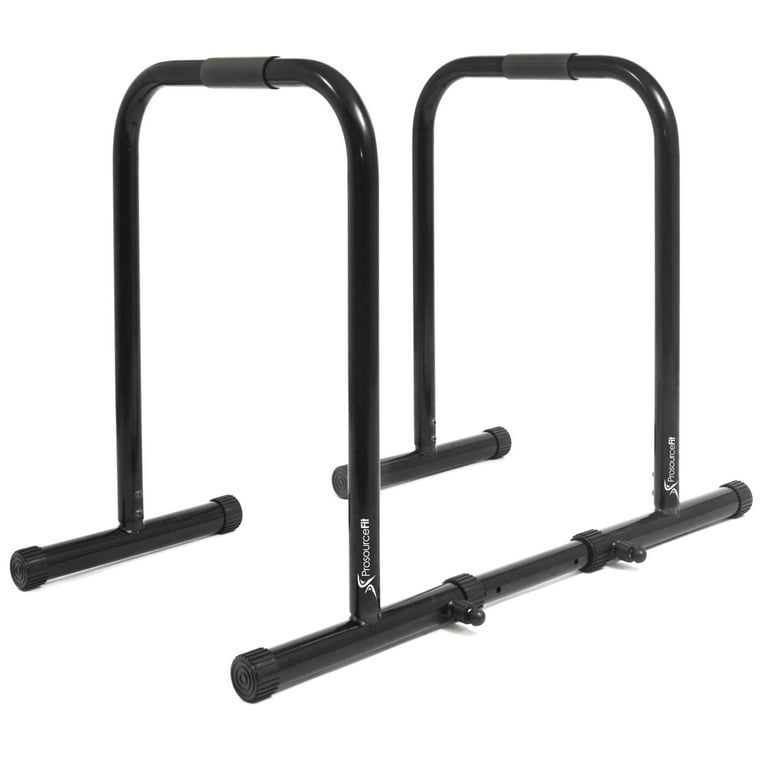
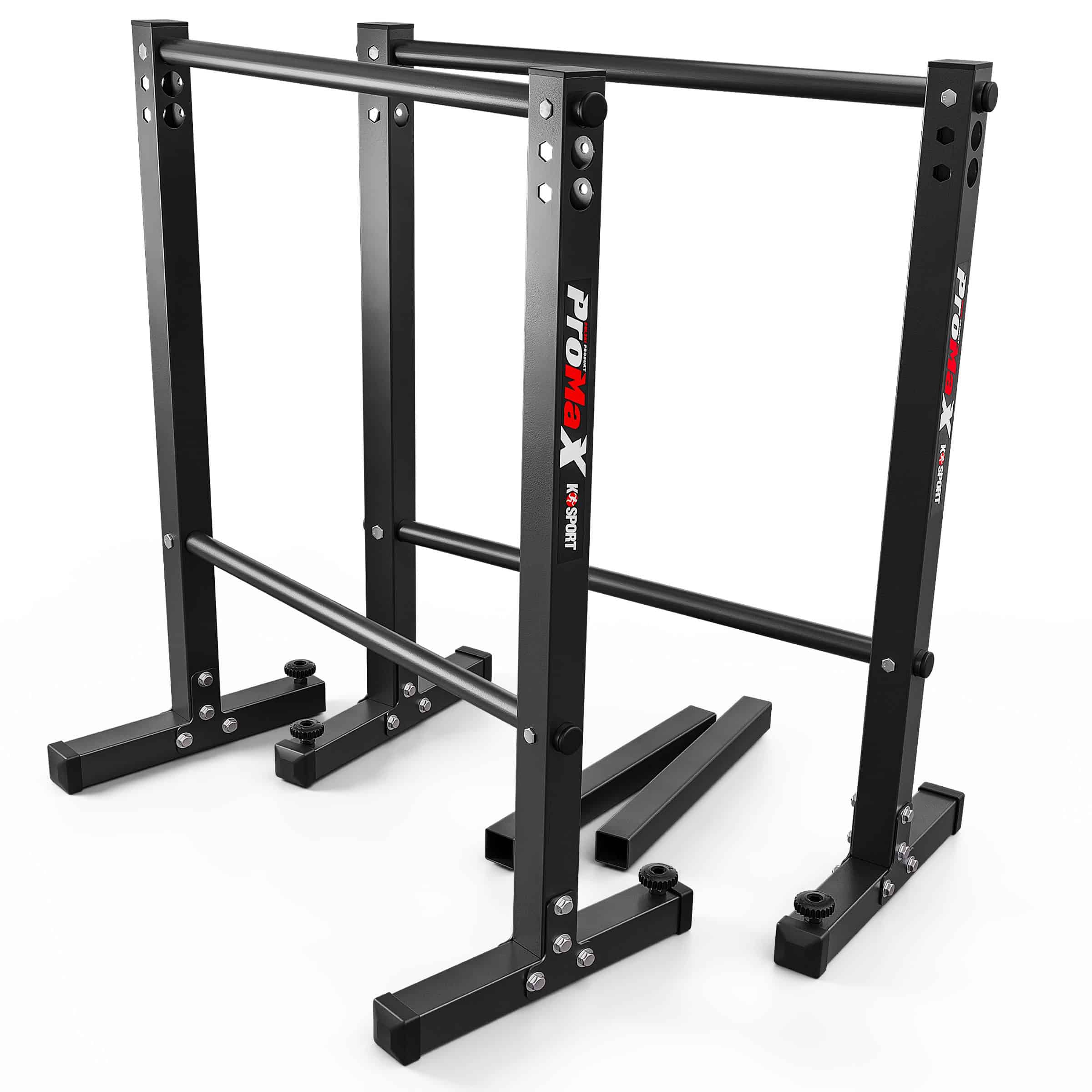
These are two parallel bars on a stable frame. They are usually made of steel and can support heavy users. Some can be folded or moved easily.
Wall-mounted Dip Bars
This type is fixed to a wall with strong bolts. Wall-mounted bars are very stable and save floor space, but you need solid walls and proper installation.
Doorway Dip Bars
Similar to pull-up bars, these use leverage to attach to a doorway. They are compact, but usually support less weight and can be less stable.
Multi-function Power Towers
A power tower is a tall frame with bars for dips, pull-ups, leg raises, and more. It takes more space and costs more, but gives a full-body workout.
Portable/adjustable Dip Bars
These are lightweight, sometimes foldable, and easy to store or carry. They are good for small homes, but may not feel as sturdy as heavy frames.
The Main Safety Concerns With Dip Stations
Dip stations are simple, but not risk-free. Injuries can happen if the equipment is poor, used incorrectly, or set up in the wrong place. Here’s what you need to know.
Equipment Failure
Cheap or poorly made dip stations can collapse or wobble, causing falls and injuries. Common problems include:
- Weak materials that bend or break.
- Loose bolts or poorly welded joints.
- Slippery grips.
A 2022 consumer report found that nearly 8% of home fitness injuries involved equipment failure, often from low-cost or homemade dip stations.
Instability And Tipping
If the dip station moves, tips, or slides during exercise, your risk of falling goes up. Instability is a major cause of home gym accidents. Factors include:
- Uneven floors (carpet, tiles, etc. ).
- Lightweight or narrow frames.
- Not enough grip on the station’s feet.
Incorrect Installation
Wall-mounted dip bars are only as safe as their installation. If not anchored into solid studs or masonry, they can pull out of the wall. This is a common DIY mistake.
Overestimating Weight Capacity
Every dip station has a maximum user weight. Going over this limit—even by a little—stresses the frame and can cause sudden failure.
Poor Exercise Technique
Bad form is a hidden danger. Many injuries happen because users:
- Drop too low (shoulders dip below elbows).
- Use jerky, uncontrolled movements.
- Do not warm up or stretch first.
Shoulder and wrist injuries are common, especially for beginners.
Are Dip Stations Safer Than Other Home Gym Equipment?
Many people wonder how dip stations compare to other popular home gym tools. Here is a simple comparison:
| Equipment | Common Risks | Ease of Use | Typical Safety Issues |
|---|---|---|---|
| Dip Station | Falls, shoulder strain, equipment tipping | Moderate | Stability, weight limits |
| Pull-Up Bar | Bar detaching, falls, grip slips | Moderate | Poor installation, doorway damage |
| Adjustable Dumbbells | Dropped weights, pinched fingers | Easy | Loose plates, poor grip |
| Resistance Bands | Band snapping, recoil injuries | Easy | Band quality, improper anchoring |
Dip stations are generally safe if used correctly and maintained well. They do not involve heavy weights or complex moving parts like some machines. But, because you lift your full bodyweight, mistakes can be serious. They are safer than homemade benches or heavy free weights for many people, but not risk-free.
Key Features That Make A Dip Station Safe
Not all dip stations are equal. Look for these features before buying or using one at home:
1. Strong, High-quality Materials
A safe dip station uses thick steel or heavy-duty metal. Thin, hollow frames are less stable and may bend or break over time.
2. Wide Base For Stability
A wide base helps prevent tipping. Look for feet that extend out, especially on stand-alone bars.
3. Non-slip Grips And Feet
Rubber grips keep your hands secure. Non-slip feet stop the station from sliding, especially on tile or wood floors.
4. Clear Weight Limit
Check the maximum user weight. Most good dip stations support at least 250–300 lbs (113–136 kg). Some go higher.
5. Adjustable Height Or Width
If you are tall, short, or have wide shoulders, adjustability lets you use proper form and reduces joint strain.
6. Safe, Professional Installation
For wall-mounted bars, professional installation is best. Always anchor into solid studs or concrete.
7. Simple Assembly
Complicated assembly increases the risk of mistakes. Clear instructions and all needed tools make a big difference.
How To Use A Dip Station Safely At Home
Owning a dip station is just the start. Safe use is up to you. Here’s how to protect yourself and get the best results.
1. Place It On A Flat, Stable Surface
Never use a dip station on uneven floors or loose rugs. Hard, level surfaces are safest.
2. Check For Wobble Or Movement Before Each Use
Test the station with light pressure. If it moves or creaks, check bolts and feet before your workout.
3. Start With Proper Warm-up
Warm up shoulders, elbows, and wrists with arm circles, push-ups, or light stretching. This reduces injury risk.
4. Use Good Form
- Keep your shoulders down and back.
- Lower your body slowly until elbows are at a 90-degree angle.
- Do not let your shoulders dip below your elbows.
- Push up smoothly.
5. Do Not Overload
Use only your bodyweight, or add weight slowly if you are advanced. Respect the dip station’s weight limit.
6. Progress Slowly
If you are new, start with assisted dips (feet on a chair or resistance bands for support). Build strength before full bodyweight dips.
7. Keep The Area Clear
Remove obstacles, pets, and clutter around your station. This prevents tripping or falls.
8. Supervise Children
Dip stations are not toys. Keep children away while you exercise.
Real-life Injuries And How To Avoid Them
Dip stations are generally safe, but accidents still happen. According to US emergency room data, about 2,300 people per year are treated for dip bar-related injuries. Most are minor (bruises, sprains), but some are serious.
Common Injuries
- Shoulder impingement from dropping too low.
- Wrist sprain from poor hand position.
- Falls due to unstable equipment.
- Elbow pain from overuse.
How To Prevent Them
- Stop if you feel pain or weakness.
- Practice good form every time.
- Check equipment before each workout.
- Rest and recover if you feel sore.
One thing many beginners miss: shoulder flexibility matters. If your shoulders are tight, dips may hurt. Stretch and work on mobility as part of your routine.
Maintenance Tips To Keep Your Dip Station Safe
A dip station is only as good as its condition. Here’s how to keep it safe for years:
1. Tighten Bolts And Screws Regularly
Vibration from exercise can loosen connections. Check and tighten every few weeks.
2. Inspect For Cracks Or Rust
Look for signs of metal fatigue, cracks at welds, or rust. Replace worn parts immediately.
3. Clean Grips And Feet
Sweat and dust make grips slippery. Clean with mild soap and water. Dry fully before use.
4. Store Indoors
Keep your dip station inside, away from rain or extreme temperatures. Outdoor use can weaken metal and rubber parts.
Who Should Not Use A Dip Station At Home?
While dip stations are good for many people, some should be careful or avoid them:
- If you have shoulder injuries or pain, dips can make things worse.
- People with wrist issues may struggle, as dips put pressure on the wrists.
- Very young children should not use dip stations unsupervised.
- If you are obese or much heavier than the weight limit, look for stronger equipment or start with other exercises.
If unsure, ask your doctor or a certified trainer before starting.
Dip Station Alternatives For Safer Home Workouts
If you don’t feel safe using a dip station, or if you’re recovering from injury, try these alternatives:
- Bench Dips – Use a sturdy chair or bench. Keep your feet on the floor for support. Less strain on shoulders but still works triceps.
- Push-Ups – Classic push-ups build similar muscles with less risk.
- Resistance Band Dips – Loop a band over a pull-up bar for assisted dips.
- Triceps Extensions – Use dumbbells or bands for joint-friendly arm work.
These options give similar benefits with less stress on your joints or less risk if you’re new to strength training.

How To Choose A Safe Dip Station For Your Home
Not all dip stations are created equal. Here’s how to pick one that’s right for you:
1. Check User Reviews
Look for feedback from real buyers, especially about stability and build quality.
2. Choose A Trusted Brand
Brands with good reputations stand behind their products. Avoid unknown or no-name brands.
3. Test Before You Buy (if Possible)
If you can try before buying, check for wobble, grip comfort, and ease of use.
4. Match Size To Your Space
Measure your workout area. Make sure you have enough room to use the station safely.
5. Confirm Return Policy And Warranty
A good warranty means the company trusts its product. You want to be able to return or replace it if needed.
6. Verify Weight Capacity
Always choose a dip station with a higher capacity than your current weight, especially if you plan to add weight in the future.
7. Prioritize Safety Features
Non-slip feet, strong joints, and quality materials are worth paying for.
Dip Station Safety: Expert Recommendations
Safety experts and trainers agree on a few key points:
- Regular maintenance is critical. Many accidents happen because bolts loosen or frames rust.
- Good form prevents most injuries. Even advanced users get hurt when they rush or use sloppy technique.
- Gradual progression is best. Don’t rush to advanced exercises or add weights too soon.
- Proper installation matters. Wall-mounted stations should be anchored by a professional or someone with experience.
A 2023 survey of home gym users found that those who read and followed their equipment’s manual had 30% fewer accidents than those who did not. Don’t skip the instructions.
Common Mistakes When Using Home Dip Stations
Avoid these errors to stay safe:
- Ignoring weight limits – Exceeding the limit is dangerous.
- Using on soft surfaces – Carpet or rugs can shift, making tipping more likely.
- Skipping warm-up – Cold muscles are more likely to get hurt.
- Poor hand placement – Wrists should be straight, not bent.
- Going too deep – Shoulders below elbows is a recipe for injury.
- Neglecting maintenance – Loose bolts or worn grips are risky.
- Improper installation – Wall bars not anchored to studs are unsafe.
- Leaving the area cluttered – Anything around the station can cause trips or falls.
Data: Dip Station Incidents Compared To Other Home Equipment
How common are dip station injuries compared to other gear? Here’s a look at incident rates per 100,000 users per year:
| Equipment | Injury Incidents | Most Common Injury |
|---|---|---|
| Dip Station | 18 | Shoulder strain |
| Pull-Up Bar | 25 | Falls |
| Adjustable Dumbbells | 22 | Dropped weights |
| Yoga Mat | 9 | Slips |
While dip station injuries are not the most common, they often involve the shoulders or falls, which can be serious.
When To Replace Your Dip Station
Even the best equipment wears out. Replace your dip station if you notice:
- Cracks in metal or welds.
- Persistent wobble that tightening cannot fix.
- Rust or corrosion that weakens the frame.
- Damaged or missing grips.
- Feet that no longer grip the floor.
A good dip station can last for years, but safety should always come first.
Additional Tips For Safe Home Workouts
- Exercise with a partner if possible, especially when trying new moves.
- Use a mirror or record yourself to check your form.
- Listen to your body—pain is a warning sign, not a challenge.
- Keep a phone nearby in case of emergency.
For more on home exercise safety, see the CDC’s guidelines.
Frequently Asked Questions
Is A Dip Station Safe For Beginners?
Yes, if you follow safety steps and start slowly. Use assisted dips to build strength. Focus on good form and do not rush. Beginners should avoid adding extra weight until they master basic dips.
Can I Install A Wall-mounted Dip Bar Myself?
You can, but only if you are skilled with tools and know how to find wall studs or solid anchors. Mistakes can lead to falls and wall damage. If unsure, hire a professional.
What Is The Safest Type Of Dip Station For Home Use?
Stand-alone dip stations with wide, non-slip feet are safest for most homes. They do not rely on walls or doors and are less likely to tip. Choose a quality brand and check weight limits.
How Often Should I Check My Dip Station For Problems?
Check all bolts, grips, and the frame at least once a month. If you use the station often, check every week. Tighten anything loose right away and replace worn parts.
Are Dips Bad For Your Shoulders?
Dips are safe for healthy shoulders if you use good form and do not go too deep. If you have shoulder pain or past injuries, talk to a doctor or trainer before starting dips. Never force the movement.
Dip stations can be a safe, effective tool for home workouts when used with care. By choosing the right equipment, practicing good technique, and keeping your space clear and your station maintained, you can enjoy the benefits of dips and avoid common risks.
With knowledge and a little caution, your home gym can be both powerful and safe.

