
What Is Accessory Work In Powerlifting?
=======================================
Powerlifting is built on three main lifts: the squat, bench press, and deadlift. If you have watched a powerlifting competition or trained in a powerlifting gym, you know these lifts are the stars of the show. But what helps lifters break plateaus and build real strength? The answer is accessory work. This type of training can be the secret weapon for pushing your numbers higher, preventing injuries, and building a stronger, more balanced body.
Let’s dive deep into what accessory work is, why it matters, how to choose the right movements, and how to add them to your training plan. By the end, you’ll understand why experienced lifters never skip their accessory work—and why you shouldn’t either.
Understanding Accessory Work
Accessory work refers to exercises that are not the main competition lifts but are included in your program to support or improve them. These exercises target weaknesses, build muscle in key areas, and improve technique. Think of them as supporting actors in a movie—the stars need them to make the story complete.
There are two main types of accessory work:
- Supplemental lifts: Movements similar to the main lifts but with slight changes. For example, paused squats or deficit deadlifts.
- Assistance exercises: Exercises that work the muscles used in the main lifts, but with different movements. For example, rows, pull-ups, or triceps extensions.
Accessory work is not about lifting the heaviest weight possible. Instead, it focuses on building a strong foundation, fixing weak points, and improving overall performance in the big three lifts.
Why Accessory Work Matters In Powerlifting
Some beginners think that only the main lifts matter. This is a common mistake. In reality, accessory work offers many benefits that are impossible to ignore if you want to progress. Here’s why it’s so important:
- Fixing Weak Points: Everyone has certain muscles or movement patterns that are weaker. Accessory work targets these areas directly, helping you break through plateaus.
- Building Muscle Mass: More muscle means more potential for strength. Accessory exercises often use higher reps and different angles, which help build muscle in ways the main lifts can’t.
- Improving Technique: Some accessory exercises teach better movement patterns, control, and stability. For example, paused bench presses can help you learn to stay tight at the bottom of the lift.
- Reducing Injury Risk: Balanced training keeps your joints and muscles healthy. Accessory work often includes movements for shoulders, hips, and back, which are critical for injury prevention.
- Better Recovery: Lighter accessory work can increase blood flow, helping you recover faster between sessions.
Many top coaches, like those at Westside Barbell, use a variety of accessory exercises as a core part of their training plans. For more on their approach, check out this Westside Barbell overview.
Types Of Accessory Work: Examples And Purposes
Choosing the right accessory exercises depends on your goals, weaknesses, and level of experience. Here are some of the most popular and effective accessory exercises for each main lift:
Accessory Work For The Squat
- Paused Squats: Improves control and strength at the bottom of the squat.
- Front Squats: Builds quad strength and upright posture.
- Bulgarian Split Squats: Increases single-leg strength and stability.
- Leg Press: Adds extra quad work with less spinal load.
- Good Mornings: Strengthens the posterior chain and teaches hip hinge.
Accessory Work For The Bench Press
- Paused Bench Press: Helps with control and power off the chest.
- Close-Grip Bench Press: Targets triceps, which help at lockout.
- Incline Dumbbell Press: Builds upper chest and shoulder strength.
- Dips: Develops chest, shoulders, and triceps.
- Push-Ups: Great for high-rep volume and shoulder health.
Accessory Work For The Deadlift
- Deficit Deadlifts: Improves power off the floor.
- Romanian Deadlifts: Builds hamstring and glute strength.
- Rack Pulls: Focuses on lockout strength.
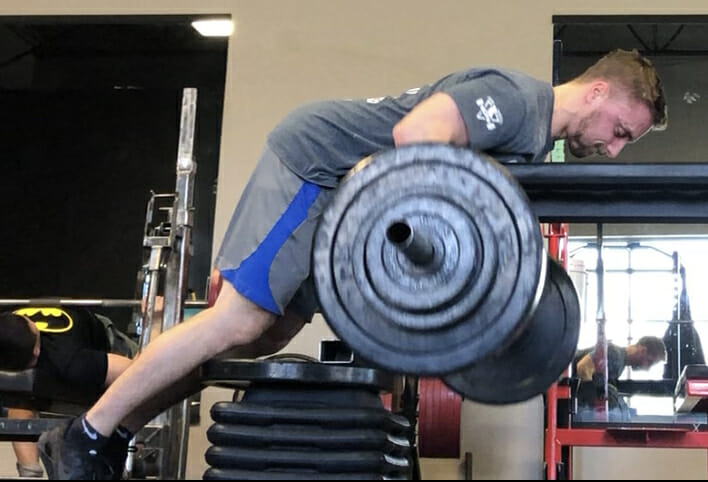
- Barbell Rows: Strengthens the back for better deadlift stability.
- Back Extensions: Works the lower back and glutes.
Isolation And Stability Exercises
These target smaller muscles that support the main lifts:
- Face Pulls: Strengthen rear delts and upper back.
- Planks: Build core stability for all lifts.
- Band Pull-Aparts: Improve shoulder health.
- Calf Raises: Often forgotten, but important for knee stability.
How To Choose The Right Accessory Exercises
Many lifters feel lost when picking accessory work. Should you just copy what others do? Not always. Here’s how to make smart choices:
Identify Your Weak Points
Watch your lifts or ask a coach to spot where you struggle. For example, if your squat fails halfway up, you may need more quad or glute work. If your bench stalls at lockout, your triceps might be the issue.
Match The Movement Pattern
Choose exercises that look and feel similar to the part of the lift you’re struggling with. For example, paused squats help with strength in the hole, while rack pulls help with deadlift lockout.
Don’t Overcomplicate
You don’t need dozens of different exercises. Focus on a few key movements that address your needs. Consistency is more important than variety.
Adjust For Your Level
Beginners need simple, basic accessory work—think rows, lunges, and planks. Advanced lifters can use more complex options, like tempo lifts or specialty bars.
Sample Accessory Exercise Selection
| Lift | Common Weak Point | Accessory Exercise |
|---|---|---|
| Squat | Sticking point at bottom | Paused Squat |
| Bench Press | Lockout weakness | Close-Grip Bench Press |
| Deadlift | Off the floor | Deficit Deadlift |

How Much Accessory Work Should You Do?
The right amount depends on your training plan, experience, and recovery ability. Here are some general guidelines:
- Beginners: 2-3 accessory exercises per session, 2-4 sets of 8-15 reps each.
- Intermediate: 3-4 exercises per session, with a mix of strength (5-8 reps) and hypertrophy (8-15 reps) work.
- Advanced: 4-6 exercises, using more specialized movements and varying set/rep ranges.
Don’t forget, more is not always better. Quality matters more than quantity. If you feel tired, sore, or your main lifts are suffering, cut back on accessory work.
Balancing Main Lifts And Accessory Work
It’s important to prioritize the main lifts. Accessory work should never take so much energy that your squat, bench, or deadlift gets worse. If you notice your main lifts going down, reduce accessory volume or intensity.
Accessory Work Vs. Main Lifts: Key Differences
It’s easy to mix up accessory and main lifts, but they serve different roles in your training.
| Aspect | Main Lifts | Accessory Work |
|---|---|---|
| Goal | Max strength in competition lifts | Build muscle, fix weaknesses, improve movement |
| Weight Used | Heavy (80-100% 1RM) | Lighter (40-80% 1RM) |
| Rep Range | Low (1-5 reps) | Medium to high (5-20 reps) |
| Exercise Selection | Squat, Bench, Deadlift | Varies widely |
Common Mistakes With Accessory Work
Even experienced lifters sometimes make errors with accessory work. Here are some to watch out for:
- Doing too much: Overloading your program with too many exercises leads to fatigue and poor recovery.
- Choosing random movements: Picking exercises just because they’re popular, not because they help your weaknesses.
- Lifting too heavy: Accessory work is not the time for max effort. Focus on good form and muscle engagement.
- Skipping accessory work: Believing only the main lifts matter can limit your progress and increase injury risk.
- Not changing exercises: Sticking with the same movements for months can cause stagnation. Change accessory work every 4-8 weeks.
How To Add Accessory Work To Your Training Plan
Here’s a simple way to organize your week:
- After main lift: Do your main lift first, then move to 2-4 accessory exercises.
- Order matters: Start with bigger, compound accessory movements (like rows or lunges), then finish with smaller isolation moves (like curls or face pulls).
- Rest periods: Rest 1-2 minutes between accessory sets. Keep the pace brisk but don’t rush your form.
Example Training Day (bench Focus)
- Bench Press (main lift)
- Close-Grip Bench Press (compound accessory)
- Barbell Row (compound accessory)
- Triceps Pushdown (isolation)
- Face Pulls (isolation/rehab)
This structure helps you get the most from both your heavy lifts and your accessory work.
Real-world Results: Why Accessory Work Pays Off
Many elite powerlifters credit accessory work as a key part of their success. For example, Ray Williams, a world-record squatter, uses front squats and lunges to strengthen his quads and hips. Jen Thompson, a record-holding bench presser, includes lots of triceps and upper back work to stay ahead.
Data from strength studies shows that lifters who include regular accessory work have fewer injuries and make more consistent gains. One study found that adding just two focused accessory exercises per session led to a 10-15% improvement in main lift strength over 12 weeks.
Two Insights Beginners Often Miss
- Accessory work is not “extra”—it’s essential. Many new lifters see these exercises as optional, but skipping them slows progress and increases risk of injury.
- Progression matters in accessory work too. Don’t just do the same sets and reps forever. Increase weight, reps, or difficulty over time, just like you do with the main lifts.
Frequently Asked Questions
What Is The Main Goal Of Accessory Work In Powerlifting?
The main goal is to support and improve your main lifts (squat, bench press, deadlift) by building muscle, fixing weak points, and improving technique. Accessory work also helps prevent injuries and keeps your training balanced.
How Do I Know Which Accessory Exercises Are Right For Me?
Watch your main lifts for sticking points or weaknesses. For example, if you struggle to lock out your bench press, add triceps-focused accessory work. If you’re unsure, ask a coach or experienced lifter to help you choose.
Should I Change My Accessory Exercises Often?
It’s a good idea to change accessory exercises every 4-8 weeks. This keeps your training fresh and challenges your body in new ways. However, don’t change too often—give each exercise enough time to make progress.
Can I Skip Accessory Work If I’m Short On Time?
You can reduce the number of accessory exercises, but don’t skip them completely. Even 1-2 well-chosen movements can make a big difference in your progress and injury prevention.
Is Accessory Work Only For Advanced Lifters?
No, all levels—from beginner to advanced—benefit from accessory work. The type and amount may change, but everyone should include some in their training for best results.
Adding accessory work to your powerlifting program is one of the smartest steps you can take. It’s not just about lifting more—it’s about lifting smarter, staying healthy, and reaching your full strength potential. Make accessory work a priority, and you’ll see the results both in the gym and on the platform.


