
After finishing a tough powerlifting workout, your body is tired and your muscles feel sore. You know you pushed yourself, but what comes next is just as important as the training itself—recovery. Without proper recovery, your muscles won’t grow, your strength can stall, and you risk injury. Many athletes, especially beginners, focus only on lifting heavier, forgetting that progress happens in the hours and days after you leave the gym.
Learning to recover well isn’t just about feeling better—it’s key to getting stronger and staying healthy. Recovery is not simply about resting; it’s a set of actions that help your body repair and adapt. If you want to make real gains and avoid setbacks, you need a plan for what you do after each powerlifting session.
This guide explains everything you need to know to recover after a powerlifting workout, with practical advice for all levels.
Why Recovery Matters After Powerlifting
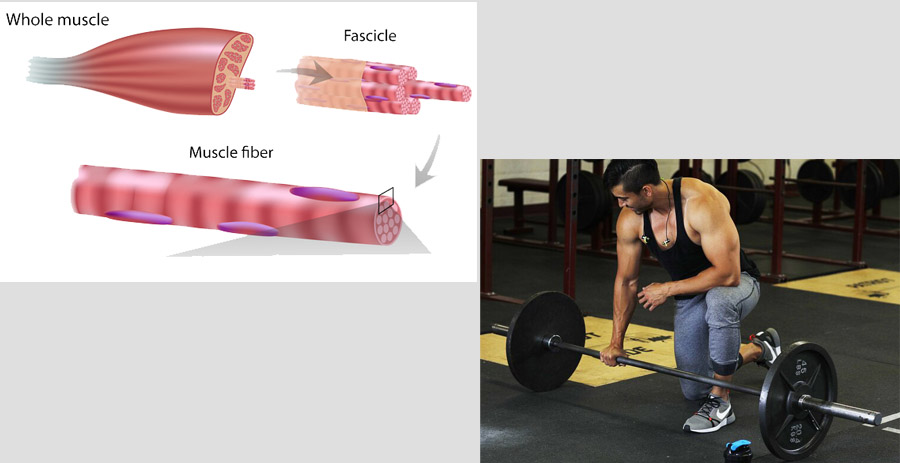
Powerlifting puts a lot of stress on your muscles, joints, and nervous system. When you squat, bench, or deadlift heavy, tiny tears form in your muscle fibers. Your body needs time and the right conditions to repair these fibers and make them stronger.
Recovery is not just about muscle repair; it also helps your nervous system reset so you can lift hard again in the next session.
Ignoring recovery can lead to overtraining, where your body gets weaker instead of stronger. Signs of poor recovery include constant soreness, poor sleep, loss of motivation, and even frequent illness. Proper recovery helps you:
- Build more muscle and strength
- Avoid injuries
- Train more consistently
- Feel better, both physically and mentally
Immediate Steps After A Powerlifting Workout
What you do right after your workout sets the tone for your entire recovery. Here are the most important steps:
1. Cool Down Properly
Don’t just walk out of the gym after your last lift. Spend 5–10 minutes doing light cardio (like walking or cycling) to help your heart rate return to normal. This helps clear waste products from your muscles and can reduce soreness.
2. Gentle Stretching
After heavy lifting, your muscles are tight. Do gentle static stretching for the major muscles you trained—hold each stretch for 20–30 seconds. Focus on hamstrings, quads, glutes, chest, and back.
3. Hydrate Right Away
You lose fluids when you sweat, and even mild dehydration slows recovery. Drink water as soon as you finish. For longer or more intense workouts, consider a sports drink to replace electrolytes.
Nutrition For Powerlifting Recovery
Your body needs the right nutrients to repair and grow after lifting heavy. Don’t skip this step!
Key Nutrients
- Protein: Essential for muscle repair. Aim for 20–40 grams within an hour after your workout. Good sources are whey protein, chicken, eggs, or Greek yogurt.
- Carbohydrates: Refill your muscles’ energy stores. Try 30–60 grams of carbs post-workout. Rice, potatoes, and fruit are great options.
- Fats: While not as urgent post-workout, healthy fats (like avocado or olive oil) are important for hormone balance.
Example Post-workout Meal
A simple post-workout meal could be grilled chicken breast, brown rice, and steamed broccoli. For a faster option, try a protein shake with a banana.
How Much Should You Eat?
How much you need depends on your body weight, training volume, and goals. Here’s a simple comparison:
| Body Weight (kg) | Protein (g) | Carbs (g) | Fat (g) |
|---|---|---|---|
| 60 | 90-120 | 180-240 | 60-80 |
| 80 | 120-160 | 240-320 | 80-100 |
| 100 | 150-200 | 300-400 | 100-120 |
These are daily totals. Adjust for your needs and training intensity.
Sleep: The Most Powerful Recovery Tool
No supplement or fancy equipment can replace good sleep. During deep sleep, your body releases growth hormone, which repairs muscle and strengthens bone.
How Much Sleep Do You Need?
Most adults need 7–9 hours. Serious lifters may need even more, especially after hard sessions.
Tips For Better Sleep
- Stick to a regular sleep schedule
- Keep your room dark and cool
- Avoid screens and caffeine before bed
Many athletes overlook sleep, but even small improvements can boost your recovery and performance. For more sleep tips, check out Sleep Foundation.
Active Recovery And Rest Days
Rest doesn’t always mean doing nothing. Active recovery means moving your body with low-intensity activities to help blood flow and speed up healing.
Good Active Recovery Options
- Walking or easy cycling
- Swimming
- Gentle yoga or stretching routines
Avoid heavy lifting or high-intensity workouts on these days. Active recovery is especially helpful if you feel stiff or sore, as it helps clear metabolic waste from your muscles.
Managing Soreness And Muscle Pain
It’s normal to feel sore after a tough powerlifting session, but you don’t want pain to slow your progress. Here’s how to manage it:
Use Heat And Cold
- Cold packs help reduce swelling and numb sharp pain in the first 24 hours.
- Heat packs or warm showers relax stiff muscles after the initial soreness.
Foam Rolling And Massage
Using a foam roller or massage stick helps break up muscle knots and increases blood flow. Spend 1–2 minutes on each major muscle group.
Over-the-counter Pain Relief
If soreness is severe, you can use anti-inflammatory medicine, but only as a short-term solution. Never rely on pills to cover up poor recovery habits.

Supplements For Recovery
Supplements are not magic, but some can help support your recovery if your nutrition is already solid.
Useful Supplements
- Whey protein: Easy way to reach your daily protein goal
- Creatine monohydrate: Helps with muscle energy and repair
- Omega-3 fatty acids: Reduce muscle inflammation
- Magnesium: Supports muscle relaxation and sleep
What To Avoid
Don’t waste money on “muscle recovery boosters” with no solid research. Focus on proven basics.
Monitoring Your Recovery
How do you know if you’re recovering well? Keep an eye on these signs:
- Strength is going up or staying steady
- You feel energetic and motivated
- Soreness is mild and goes away in 1–2 days
- You sleep well and wake up rested
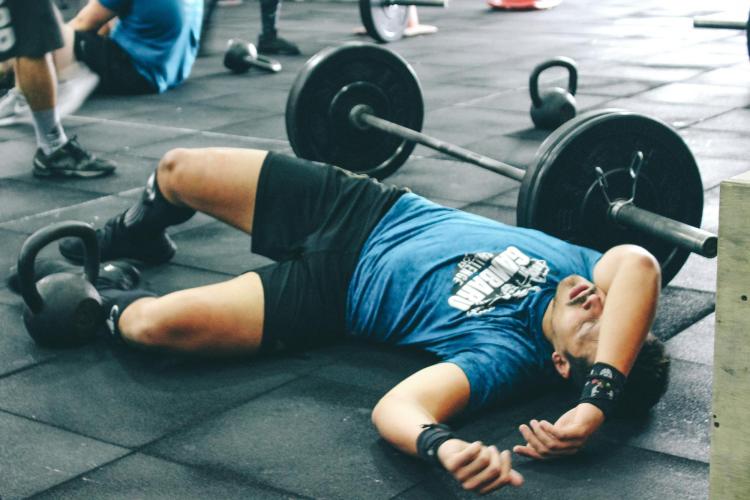
If you notice constant fatigue, loss of strength, or mood swings, you may be overreaching. Take an extra rest day or cut back on training volume.
Recovery Mistakes To Avoid
Many powerlifters slow their own progress by making simple mistakes. Watch out for these:
- Skipping warm-ups and cool-downs: Raises risk of injury.
- Not eating enough protein or calories: Slows muscle growth.
- Sleeping less than 7 hours regularly: Reduces strength gains.
- Ignoring pain or pushing through injuries: Can lead to serious problems.
- Overusing painkillers or anti-inflammatories: Masks symptoms but doesn’t fix the cause.
The Role Of Stress And Mental Recovery
Physical recovery is only half the story. Mental stress from work, school, or life can slow your physical recovery by increasing cortisol (a stress hormone). Take time to relax your mind as well as your body.
Mental Recovery Strategies
- Practice deep breathing or meditation
- Spend time in nature
- Talk with friends or family
Powerlifting is as much mental as physical. Managing stress helps you recover faster and perform better.
How Recovery Changes With Training Level
Beginners and advanced lifters recover differently. Here’s a simple comparison:
| Level | Recovery Needs | Common Mistakes |
|---|---|---|
| Beginner | Less overall volume, more rest between sessions | Not eating enough, skipping rest days |
| Intermediate | Higher volume, need for advanced recovery strategies | Training too hard, ignoring sleep |
| Advanced | Very high volume, need structured deloads | Pushing through fatigue, underestimating mental stress |
No matter your level, remember that “more is not always better. ” Listen to your body and adjust your recovery routines as you progress.
Common Recovery Myths In Powerlifting
There’s a lot of bad advice out there. Let’s clear up some common myths:
- Myth: You only need recovery if you’re sore.
- Fact: Your body recovers even if you don’t feel sore. Recovery is always needed.
- Myth: Supplements can replace sleep and nutrition.
- Fact: Supplements are only helpful if your basics are solid.
- Myth: More pain means more progress.
- Fact: Pain is a sign to pay attention, not to push harder.
Two Insights Beginners Often Miss
- Recovery is individual: What works for someone else may not work for you. Pay attention to your body’s signals.
- Consistency is key: A single night of good sleep or one healthy meal won’t maximize recovery. Small, steady habits make the biggest difference over time.
Frequently Asked Questions
What Should I Eat After A Powerlifting Workout?
Eat a mix of protein and carbohydrates soon after training. For example, chicken with rice, or a protein shake with a banana. This helps repair muscles and refill energy stores. Don’t forget to drink water.
How Long Does It Take To Recover From A Heavy Powerlifting Session?
For most people, muscle recovery takes 24–72 hours. Heavier or higher-volume sessions may need more time. Listen to your body and wait until you feel ready before lifting heavy again.
Should I Train If I’m Still Sore From My Last Workout?
Some soreness is normal, but if you feel very sore or weak, rest another day or do active recovery instead. Training hard while very sore can increase injury risk and slow progress.
Are Ice Baths Or Massage Guns Necessary For Recovery?
Ice baths and massage guns can help some people feel better, but they are not required. The basics—nutrition, sleep, hydration, and active rest—are the most important for recovery.
How Do I Know If I’m Overtraining?
Signs of overtraining include constant tiredness, dropping performance, trouble sleeping, and losing motivation. If you notice these signs, take extra rest and check your nutrition and sleep habits.
Powerlifting is about getting stronger, but real progress depends on how well you recover. Make recovery a priority, not an afterthought, and you’ll see better results, feel healthier, and enjoy your training for years to come.

