
Powerlifting is more than just lifting heavy weights. It’s a sport that demands strength, discipline, and careful planning. But as the weights go up, so does the risk of injury. Many lifters, from beginners to advanced, face setbacks due to muscle strains, joint pain, or even more serious problems like torn ligaments.
The good news? Most powerlifting injuries are preventable with the right approach.
Staying injury-free means more than just warming up or using good form. It’s about understanding your body, building a smart training plan, and making safety part of your routine. In this article, you’ll discover how to prevent injuries in powerlifting.
You’ll learn proven strategies, get practical tips, and see how small changes can make a big difference. Whether you’re chasing a new personal best or just want to lift safely for years, these insights will help you keep progressing without getting sidelined.
Understanding Powerlifting Injuries
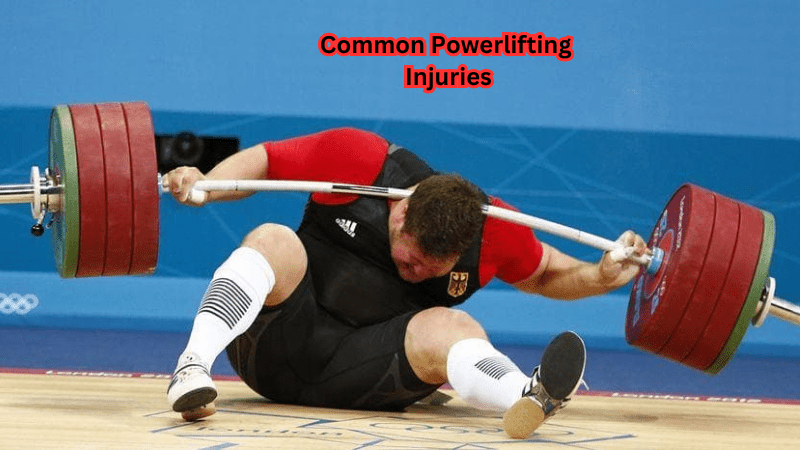
Powerlifting injuries can happen to anyone, but they’re not random. Most come from a few main causes: poor technique, overtraining, ignoring recovery, and lifting too heavy too soon. The most common injuries are:
- Lower back pain
- Shoulder injuries
- Knee pain
- Elbow tendinitis
- Muscle strains
Data shows that about 29% of powerlifters report an injury each year, with the lower back being the most affected area. Understanding why these injuries happen is the first step to preventing them.
Warm Up: The Foundation Of Injury Prevention
A proper warm-up primes your body for the heavy work ahead. It increases blood flow, raises muscle temperature, and activates the nervous system. Skipping or rushing your warm-up is one of the fastest ways to get hurt.
How to Warm Up for Powerlifting:
- General warm-up: Start with 5–10 minutes of light cardio like brisk walking or cycling.
- Dynamic stretches: Move your joints through their full range of motion—leg swings, arm circles, hip rotations.
- Movement-specific drills: Use bodyweight squats, push-ups, and lunges to activate the muscles you’ll use.
- Ramp up sets: Begin your main lift with the empty bar and slowly add weight until you reach your working set.
Many lifters miss the value of movement-specific drills. These help “wake up” the exact muscles and patterns you’ll need for squats, bench press, and deadlifts.
Mastering Technique: Quality Over Quantity
Good form is your shield against injury. Even small mistakes in technique can add stress to your joints and muscles. Watching elite lifters, you’ll notice they move with control and precision, not just brute force.
Common Technique Mistakes:
- Rounding your lower back during deadlifts or squats
- Letting your knees cave in
- Bouncing the bar off your chest in bench press
- Moving too fast and losing control
To master technique:
- Record your lifts and review your form
- Work with a qualified coach for feedback
- Practice with lighter weights until your form feels automatic
A common mistake is adding weight before you truly “own” the movement. It’s better to progress slowly with perfect technique than to rush and risk injury.
Progressive Overload: Gradual, Not Reckless
Lifting heavier is the heart of powerlifting, but increasing the weight too quickly is a recipe for injury. Progressive overload means adding weight, reps, or sets gradually, allowing your body to adapt safely.
Safe Progression Example:
| Week | Working Weight (kg) | Reps per Set | Sets |
|---|---|---|---|
| 1 | 80 | 5 | 3 |
| 2 | 82.5 | 5 | 3 |
| 3 | 85 | 5 | 3 |
| 4 | 87.5 | 5 | 3 |
A jump of 2. 5–5 kg per week is usually safe for most lifters. Avoid increasing weight every session—sometimes maintaining the same weight and focusing on technique is smarter.
Listening To Your Body: Pain Is A Signal
Pain is not a badge of honor in powerlifting. It’s a warning that something is wrong. Learning the difference between normal muscle fatigue and sharp pain can save you from bigger problems.
If you feel:
- Sharp or sudden pain in a joint or muscle, stop the set immediately.
- Persistent soreness in one area for more than a week, reduce the load and rest.
- Numbness or tingling, see a medical professional.
Many lifters ignore early warning signs and push through pain. This often leads to long-term injuries that can end training for months.
Smart Programming And Rest Days
Your body grows stronger during rest, not during the workout itself. Overtraining is a hidden danger in powerlifting, especially for enthusiastic beginners.
Sample Weekly Split:
| Day | Focus |
|---|---|
| Monday | Squat + Accessories |
| Tuesday | Rest or Mobility |
| Wednesday | Bench Press + Accessories |
| Thursday | Rest or Cardio |
| Friday | Deadlift + Accessories |
| Saturday | Active Recovery |
| Sunday | Rest |
A balanced program gives each muscle group enough time to recover. Including lighter days, mobility work, and even deload weeks (reducing intensity every 4–6 weeks) keeps your progress steady and safe.

Accessory Work: Building A Strong Foundation
Powerlifters often focus only on the “big three”—squat, bench, deadlift. But accessory exercises are critical for injury prevention. They strengthen weak points and build stability.
Important Accessories:
- Glute bridges for hip strength
- Face pulls for shoulder stability
- Hamstring curls for knee protection
- Core exercises like planks and bird dogs
Accessory work should target areas that support your main lifts. For example, strong glutes and hamstrings help prevent lower back injuries during deadlifts.
Mobility And Flexibility: Range Of Motion Matters
Tight muscles and stiff joints limit your movement and put stress on your body. Adding mobility work ensures you can lift through a safe, full range of motion.
Key Areas for Powerlifters:
- Hips
- Ankles
- Shoulders
- Thoracic spine (upper back)
Simple daily routines can make a difference. For example, spending five minutes on hip openers or ankle stretches can help you squat deeper and safer.
Using Proper Equipment
Equipment isn’t just about lifting more weight—it’s about lifting safely.
Essentials for Injury Prevention:
- Belt: Supports your lower back during heavy lifts
- Wrist wraps: Protect your wrists in bench press
- Knee sleeves: Keep joints warm and stable
- Good shoes: Flat, solid soles give better balance
Don’t rely on equipment to cover up bad form. Use it as support, not a crutch.
Nutrition And Hydration
Your body needs the right fuel to recover and resist injury. Poor nutrition means slower healing and higher risk of muscle strains.
Basic Guidelines:
- Eat enough protein for muscle repair (at least 1.6g per kg bodyweight)
- Stay hydrated—muscles cramp and joints ache when you’re dehydrated
- Include plenty of fruits and vegetables for vitamins and minerals
Many lifters focus only on calories and protein, but micronutrients (like magnesium and vitamin D) are just as important for joint and bone health.

Importance Of Sleep And Stress Management
Sleep is when most muscle repair happens. Chronic lack of sleep raises your injury risk and slows progress.
Aim for 7–9 hours per night. If you’re training hard, even short naps can help recovery. Managing stress is just as crucial, as high stress increases inflammation and slows healing.
Regular Health Check-ups
Don’t wait until you’re hurt to see a doctor or physiotherapist. Annual check-ups can catch small problems before they become serious. If you have old injuries, get them checked and follow up on recommended rehab.
Many lifters ignore minor aches, but early intervention can prevent long-term damage.
Community And Coaching Support
Training alone can lead to bad habits or missed warning signs. A good coach or training partner can spot technique errors, motivate you to rest, and keep you accountable.
Seek coaches with real experience and education. Online communities can also be helpful for sharing tips and learning from others’ mistakes.
Real-world Mistakes To Avoid
Some common, but less obvious, mistakes include:
- Always maxing out instead of focusing on form and volume
- Copying advanced routines meant for elite athletes
- Neglecting warm-up or accessory work when short on time
Remember, injury prevention is a long-term investment. It’s better to skip one heavy workout than be forced to take months off.
Comparing Preventive Strategies
Here’s how different strategies stack up for injury prevention:
| Strategy | Injury Reduction | Time Investment | Who Needs It Most |
|---|---|---|---|
| Warm-ups | High | Low (10–15 min) | All lifters |
| Technique Practice | Very High | Medium | Beginners & Intermediates |
| Accessory Work | Medium | Medium | All lifters |
| Equipment Use | Medium | Low | Heavy lifters |
| Sleep & Nutrition | High | High (daily habits) | All lifters |
Two Insights Beginners Miss
- Injury risk isn’t just about heavy weights. Poor recovery, stress, and even bad shoes can increase your chances of getting hurt, sometimes more than the actual barbell.
- Small aches can signal big problems. A little pain in your shoulder or knee that lasts more than a week can become a major injury if ignored. Address issues early.
Final Thoughts
Powerlifting is a rewarding journey, but it demands respect for your body. Most injuries are preventable if you approach the sport with patience, smart planning, and a willingness to learn. Focus on the basics—warm up well, master your form, progress slowly, and listen to your body.
Use equipment wisely, don’t skip accessory work, and take recovery seriously. With these habits, you’ll build strength for life, not just for your next competition.
If you want to learn more about injury prevention and sports science, check the resources at Wikipedia’s Powerlifting page.
Frequently Asked Questions
How Often Should I Deload To Prevent Injuries?
Most lifters benefit from a deload week every 4–6 weeks. This means reducing weight or volume by 30–50% to let your body recover. If you feel unusually sore or fatigued, it’s okay to deload more often.
Can Stretching Before Lifting Reduce Injury Risk?
Dynamic stretching before lifting helps warm up your muscles and joints, reducing injury risk. Avoid long static stretches before heavy lifts, as they can temporarily weaken your muscles. Save static stretching for after training.
Is Lifting With A Belt Always Necessary?
A lifting belt is useful for heavy squats and deadlifts, especially above 80% of your max. For lighter weights and accessory work, it’s better to train your core without a belt to build natural stability.
What Is The Best Way To Recover From A Minor Injury?
Rest the affected area, use ice if there’s swelling, and gently move the joint to keep it mobile. If pain lasts more than a week or gets worse, see a healthcare professional. Don’t rush back—healing properly prevents repeat injuries.
Can I Prevent Injuries By Following Online Programs?
Online programs can be helpful, but they aren’t tailored to your body or experience. Always adjust any program to match your recovery ability, mobility, and strength. When possible, consult a coach for personalized guidance.

