
Powerlifting is a sport that demands both strength and careful preparation. Warming up is not just about breaking a sweat—it is a key step to boost your performance and lower your injury risk. Yet, many lifters are unsure how to warm up for powerlifting, or they use routines that don’t really prepare their bodies for heavy lifts.
The right warm-up can help you lift more, feel better, and stay safe. Whether you are a beginner or an advanced lifter, learning how to warm up for powerlifting is one of the best skills you can develop for long-term progress.
Why A Good Warm-up Matters In Powerlifting
When you prepare for a powerlifting session, you are getting ready to move the most weight your body can handle. This puts huge stress on your muscles, joints, and nervous system. A proper warm-up does more than just raise your body temperature. It:
- Increases blood flow to muscles
- Prepares your joints for heavy loads
- Activates the nervous system for fast, strong muscle contractions
- Improves focus and confidence before big lifts
Skipping this step can leave you feeling stiff, slow, or even lead to injuries like muscle strains or joint pain. In fact, studies show that a structured warm-up can reduce injury risk by up to 50% in strength sports.
The Three Phases Of A Powerlifting Warm-up
Warming up for powerlifting is not a single activity. Instead, think of it as three connected phases. Each one has a unique role in getting your body and mind ready for the squat, bench press, or deadlift.
| Phase | Main Goal | Example Activities |
|---|---|---|
| General Warm-Up | Increase body temperature and circulation | Light cardio (bike, rower, brisk walk) |
| Mobility & Activation | Improve joint range and activate key muscles | Dynamic stretches, band work, bodyweight drills |
| Specific Warm-Up | Rehearse and practice the main lift | Empty bar sets, gradually adding weight |
Following each phase in order helps you avoid common mistakes—like jumping straight to heavy sets or spending too much time on random stretches.

Phase 1: General Warm-up
Start with activities that gently raise your heart rate and warm your muscles. This is not the place for hard cardio—a few minutes is enough.
Best options:
- 5–10 minutes of brisk walking, stationary bike, or rowing machine
- Light skipping or jogging in place
The goal here is simple: get the blood flowing and your body feeling alert. If you start sweating lightly, you are ready to move on.
Non-obvious tip: Many lifters skip this part, especially in warm gyms. Even if the room feels hot, your muscles still need extra blood flow before heavy lifting. Don’t rush this step.
Phase 2: Mobility And Activation
Powerlifting uses the whole body, not just one muscle group. This phase gets your joints moving freely and wakes up the muscles that protect your spine, hips, and shoulders.
Key Mobility Drills
Focus on the areas that work hardest in your main lift for the day. For example, before squats, target the hips and ankles. Before bench press, focus on shoulders and upper back.
Examples:
- Hip circles and deep bodyweight squats
- Ankle rocks or calf raises
- Arm circles and band pull-aparts
- Cat-cow and thoracic spine rotations
Try to spend 5–10 minutes here, moving through each joint’s full range. Avoid long static holds—dynamic movement is better for warming up.
Muscle Activation Exercises
Many powerlifters have weak or “sleepy” muscles that can lead to poor form or injuries. Activation drills help these muscles “switch on. ”
Effective choices:
- Glute bridges or monster walks with a band (for glutes)
- Plank holds or dead bugs (for core)
- Scapular push-ups or YTWs (for upper back)
Perform 1–2 sets of 8–15 reps for each, focusing on good muscle tension. You should feel the target muscles working, not just moving through the motions.
Non-obvious tip: If you have a history of injury or poor mobility in one area (like stiff ankles or tight shoulders), spend extra time here. Fixing small weaknesses before lifting can prevent bigger problems later.

Phase 3: Specific Warm-up For Each Lift
Now it’s time to practice the exact movement you will perform—squat, bench press, or deadlift. This phase is where many lifters make mistakes, such as loading the bar too quickly or skipping “empty bar” sets.
How To Build Up To Your Working Sets
Always start with the empty bar (usually 20kg/45lb). This lets you check your form, balance, and range of motion without any stress.
Next, add weight in small jumps—usually 10–20% of your target working set each time. The closer you get to your main work weight, the smaller the jumps should be.
| Example: Target Squat Set 100kg | Set | Weight (kg) | Reps |
|---|---|---|---|
| Empty Bar | 1 | 20 | 10 |
| Warm-Up 1 | 2 | 40 | 8 |
| Warm-Up 2 | 3 | 60 | 5 |
| Warm-Up 3 | 4 | 80 | 3 |
| Working Set | 5 | 100 | 5 (or as programmed) |
Rest 1–2 minutes between warm-up sets. Focus on perfect technique—treat every set like it’s your heaviest. Adjust the number of warm-up sets based on your experience level and how heavy your working set is.
Tips For Each Main Lift
Squat
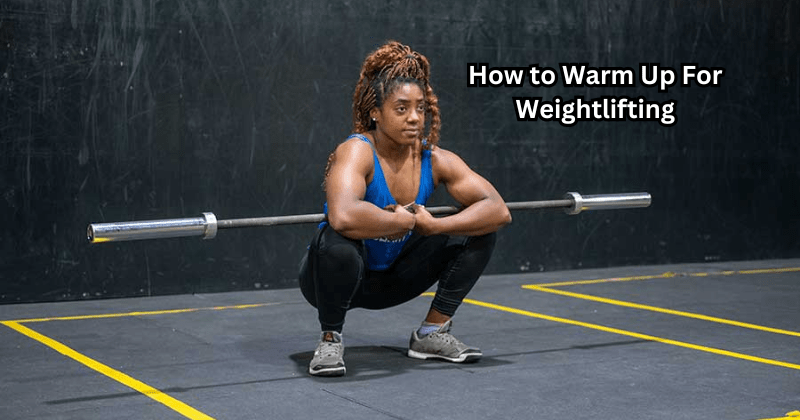
- Warm up with bodyweight squats before touching the bar.
- Use hip openers and ankle mobility drills.
- Practice bracing your core on every warm-up set.
Bench Press
- Do shoulder rotations and band pull-aparts.
- Start with push-ups or scapular push-ups to activate your upper back.
- Focus on setting your shoulder blades before every rep.
Deadlift
- Use hip hinges and glute bridges to wake up your posterior chain.
- Practice pulling the slack out of the bar in your warm-ups.
- Try tempo deadlifts (slow lowering) with light weight for better control.
Warming Up For Competitions Vs. Training
Warming up at a meet is different from your regular gym session. In a competition, you may have limited space, more nerves, and strict timing.
Key Differences
- Time management: You often have just 15–25 minutes before your first attempt.
- Equipment: You may have to share warm-up bars or platforms.
- Nerves: Extra stress can make you feel cold or shaky.
Tips for meet day:
- Plan your warm-up sets ahead of time.
- Bring your own bands or small equipment for mobility work.
- Start your general warm-up early, even if it’s just walking or light movement.
- Watch the flight schedule and adjust your warm-up so you’re ready for your first lift, not too early or too late.
Common Warm-up Mistakes In Powerlifting
Many lifters make errors that hurt their performance or increase injury risk. Here are mistakes to avoid:
- Skipping the general warm-up because you feel warm already.
- Doing too much static stretching, which can lower strength if done right before lifting.
- Rushing to heavy weights without enough practice sets.
- Ignoring weak links—not activating muscles that support your lifts.
- Over-warming up—doing too many sets or reps and getting tired before your work sets.
A balanced warm-up should leave you feeling ready, not exhausted.
Adapting Your Warm-up For Age, Experience, And Injuries
Not every lifter needs the same routine. It’s smart to change your warm-up based on your body and goals.
- Older lifters or those with joint stiffness may need longer mobility work.
- Beginners can keep it simple: Focus on learning the main lifts with light weights.
- Injured or recovering lifters should spend more time activating and protecting weak areas.
If you train early in the morning, you may need extra time to get moving. Listen to your body, and add or remove exercises as needed.
Sample 15-minute Powerlifting Warm-up Routine
Here’s a quick routine you can use before most powerlifting workouts. Adjust it for your own needs.
- 5 minutes light cardio: Rowing machine or brisk walk.
- 5 minutes mobility and activation:
- 10 hip circles each direction
- 10 deep bodyweight squats
- 20 band pull-aparts
- 10 glute bridges
- 30 seconds plank
- 5 minutes specific warm-up:
- 2 sets empty bar (8–10 reps)
- 2–3 warm-up sets, increasing weight, lowering reps
If you feel pain or extreme stiffness, spend more time on mobility. If you feel ready early, move on to your main work sets.
The Science Behind Warming Up
Research consistently supports the benefits of a good warm-up. A 2018 meta-analysis found that dynamic warm-ups improve strength and power output by 3–7% compared to static stretching or no warm-up. This small boost can mean the difference between hitting a personal best or missing a lift.
Another study showed that muscle activation drills help lifters maintain better form, especially under fatigue. This is why top powerlifters rarely skip their warm-ups, even when short on time.
For more information on sports science and warm-up research, you can visit the National Institutes of Health.
Frequently Asked Questions
How Long Should A Powerlifting Warm-up Take?
A complete warm-up usually takes 15 to 25 minutes. The exact time depends on your age, experience, and how your body feels that day. Rushing can leave you unprepared; going too long can tire you out.
Can I Skip The Warm-up If I’m Short On Time?
It’s not smart to skip. If you must, shorten each phase but don’t leave any out. Even 5 minutes of movement plus a few ramp-up sets is better than nothing.
Should I Stretch Before Powerlifting?
Dynamic stretching (moving stretches) is helpful before lifting. Avoid long static holds before heavy lifts—these can reduce your strength. Save static stretches for after your workout.
How Do I Warm Up If I Have An Old Injury?
Spend more time activating and mobilizing the injured area. Focus on perfect form in your warm-up sets. If a movement causes pain, stop and adjust your warm-up or consult a coach or doctor.
Do I Need Different Warm-ups For Squat, Bench, And Deadlift?
Yes. Each lift uses different muscles and joints. Tailor your mobility and activation drills to the main lift of the day for best results.
A smart warm-up is the secret weapon of every strong powerlifter. By following these steps, you will protect your body, improve performance, and set the stage for your best lifts—every time you step onto the platform.

