
Millions of people are curious about how sleep trackers work. These small devices, worn on the wrist or placed under your pillow, promise to unlock the secrets of your sleep. But how do they actually measure your rest? The answer lies in a clever combination of sensors that gather data about your body and environment throughout the night.
Understanding these sensors is key if you want to buy a sleep tracker, compare different models, or simply know what your device is really measuring. In this article, you’ll discover the main sensors used in sleep trackers, how they work, and what their data really tells you about your sleep.
You’ll also learn some surprising facts about sensor accuracy and common mistakes people make when choosing a device.
Why Sleep Trackers Use Multiple Sensors
Sleep is more than just lying still with your eyes closed. Your heart rate, breathing, movements, and even the light in your room all play a role. That’s why sleep trackers use more than one sensor. Each type of sensor offers a different piece of the puzzle. By combining this data, the device can estimate how long you sleep, how deep your sleep is, and how often you wake up.
But not all trackers are the same. Some use simple motion sensors, while others use advanced technology like infrared or sound analysis. The choice of sensors affects how accurate and detailed your sleep report will be.
Main Sensors Used In Sleep Trackers
Let’s explore the most common sensors found in today’s sleep trackers and how each one works.
1. Accelerometer
The accelerometer is the most basic and widely used sensor in sleep trackers. It detects movement in three directions (up-down, left-right, and forward-backward). When you wear a fitness band or smartwatch, the accelerometer tracks how much you move during the night. If you toss and turn, it notes increased activity. If you lie still, it assumes you’re asleep.
Accelerometers are great for detecting sleep duration (when you fall asleep and wake up) and periods of restlessness. However, they can’t measure sleep stages like REM or deep sleep very accurately, because they only sense movement—not brain activity or vital signs.
2. Optical Heart Rate Sensor (ppg)
Many modern sleep trackers use Photoplethysmography (PPG) sensors to measure your heart rate. These sensors shine a green or infrared light into your skin and detect changes in light absorption as blood pulses through your veins.
By monitoring your heart rate and its changes, sleep trackers can guess when you are in deep or light sleep. Heart rate tends to slow down in deep sleep and becomes more variable in REM sleep. Some advanced trackers also estimate heart rate variability (HRV), which gives clues about your stress and recovery during sleep.
3. Gyroscope
A gyroscope measures rotation and orientation. When combined with an accelerometer, it helps the tracker understand complex movements—like flipping over or raising your arm. This extra data improves the accuracy of movement detection, especially for people who move a lot during sleep.
Gyroscopes are more common in smartwatches and high-end fitness trackers. They allow for better differentiation between lying still and subtle twitches, which can lead to more reliable sleep tracking.
4. Pulse Oximeter (spo2 Sensor)
Some sleep trackers include a pulse oximeter to measure the oxygen level in your blood. This is especially important for detecting issues like sleep apnea, where breathing stops and starts during the night.
Pulse oximeters use red and infrared light to estimate the percentage of oxygen in your blood (SpO2). A sudden drop in oxygen can signal a breathing problem. While not as accurate as medical devices, this sensor adds a valuable layer of health monitoring to your sleep data.
5. Microphone
Some devices, especially under-mattress pads or smart speakers, have a microphone to listen for sounds during the night. This can help detect snoring, talking, coughing, or even breathing patterns.
Microphones can provide insights into sleep disturbances caused by noise or breathing problems. However, privacy is a concern for some users, and accuracy may be affected by background noise or other people in the room.
6. Temperature Sensor
A temperature sensor measures the temperature of your skin or the surrounding environment. Body temperature naturally drops during sleep, and changes can indicate different sleep stages or disturbances.
Some trackers use this data to adjust sleep stage estimates or to recommend changes to your bedroom conditions. For women, temperature tracking can also provide information about menstrual cycles or hormonal changes.
7. Electrodermal Activity (eda) Sensor
The EDA sensor measures tiny changes in your skin’s electrical conductance, which can be affected by sweat and stress. During certain sleep stages (like REM), your body’s sweat response changes.
Devices like the Fitbit Sense use EDA sensors to estimate stress levels and their impact on sleep. While not essential for basic sleep tracking, EDA data adds another layer for users interested in their emotional or stress response at night.
8. Ambient Light Sensor
An ambient light sensor detects the level of light in your bedroom. Bright light can delay sleep, while darkness supports melatonin production and deeper rest.
Some trackers use this sensor to note if you fall asleep with the lights on or if sunrise wakes you up earlier. It can also help the device adjust its display brightness automatically, so it doesn’t disturb you.
9. Sound/ultrasound Sensor
A few advanced trackers use ultrasound or low-frequency sound sensors to measure movement or breathing without touching your body. For example, some bedside devices send out sound waves and analyze their reflection from your chest as you breathe.
This touchless method is helpful for people who find wearables uncomfortable or forget to wear them. It’s also used in some hospital settings for non-contact sleep monitoring.
10. Ballistocardiography (bcg) Sensor
Ballistocardiography sensors are usually found in under-mattress sleep trackers. They detect tiny vibrations in your mattress caused by your heartbeat and breathing.
BCG sensors can measure heart rate, breathing rate, and even movements without any wires attached to your body. They are often used for long-term monitoring and are less likely to disturb your sleep.
11. Radar Sensor
Some of the latest smart home devices use radar sensors to track sleep. These sensors send out radio waves and measure how they bounce back from your body as you move, breathe, and change position.
Radar-based sleep tracking is highly accurate for detecting micro-movements, such as your chest rising and falling with each breath. Devices like the Google Nest Hub (2nd Gen) use radar for non-contact sleep tracking.
12. Ecg (electrocardiogram) Sensor
A few high-end smartwatches have an ECG sensor that records the electrical activity of your heart. While this is mainly for detecting heart rhythm problems, some devices use it to improve sleep stage detection.
ECG sensors provide more accurate heart data than PPG sensors, but they usually require you to touch the watch for a few seconds. They are not always active during sleep, but the data can still help analyze sleep quality.
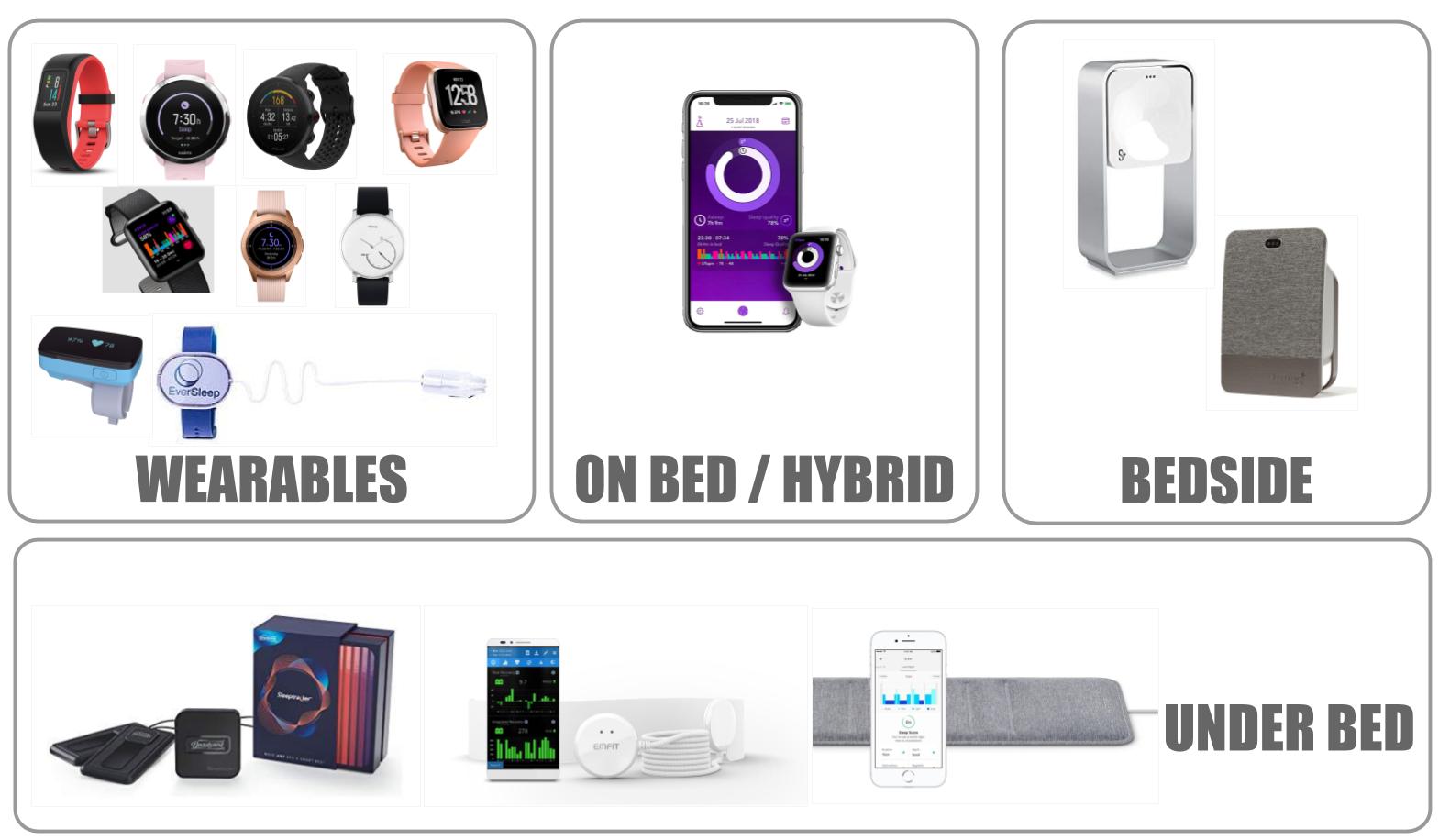
Comparing Sensor Features In Popular Sleep Trackers
To help you see the differences, here is a comparison of sensor types found in several popular sleep trackers:
| Device | Accelerometer | PPG (Heart Rate) | SpO2 | Temperature | Microphone | Radar/Ultrasound | BCG |
|---|---|---|---|---|---|---|---|
| Fitbit Charge 5 | Yes | Yes | Yes | No | No | No | No |
| Oura Ring Gen 3 | Yes | Yes | Yes | Yes | No | No | No |
| Withings Sleep Analyzer | No | No | Yes | No | No | No | Yes |
| Google Nest Hub (2nd Gen) | No | No | No | No | Yes | Yes | No |
As you can see, different trackers use different combinations of sensors. Some focus on wearable data, while others use contactless methods.
How Sensor Data Is Used To Estimate Sleep Stages
Most sleep trackers divide your night into stages like light sleep, deep sleep, and REM sleep. But how is this done without measuring your brain waves?
The device uses an algorithm to combine data from various sensors:
- Movement (from accelerometers and gyroscopes) shows when you are restless or still.
- Heart rate and HRV data help guess when you are in deep or REM sleep.
- Breathing and oxygen levels can show periods of disturbed sleep.
- Sound or microphone data may detect snoring or environmental noise.
Here’s a simplified overview:
| Sleep Stage | Movement | Heart Rate | Breathing | Typical Sensor Signals |
|---|---|---|---|---|
| Light Sleep | Low | Normal | Steady | Still, but not as deep as deep sleep |
| Deep Sleep | Very Low | Slow | Slow | Very still, slow heart and breath |
| REM Sleep | Low/None | Variable | Irregular | Almost no movement, variable heart |
| Awake | High | Rising | Normal | Movement detected |
No consumer device can match the accuracy of a sleep lab (which uses EEG to monitor your brain), but these sensors give a good estimate for most people.
Two Insights Beginners Often Miss
- Sensor accuracy varies by body type and sleep style. For example, if you are a very still sleeper, your tracker might miss short wake-ups. If you move a lot, it may think you’re awake more often than you really are. That’s why it’s important to look at trends over time, not just one night’s data.
- Not all sensors are active all night. Some devices only measure heart rate every few minutes, or turn off SpO2 sensors to save battery. This means the sleep stage breakdown is always an estimate, not a perfect record.
Common Mistakes When Choosing A Sleep Tracker
- Assuming more sensors means better accuracy. A tracker with many sensors isn’t always better if the software isn’t good at analyzing the data.
- Ignoring comfort and fit. If you don’t like wearing a device to bed, you won’t get consistent data.
- Forgetting about battery life. SpO2 and heart rate sensors use more power. Make sure your device can last through the night.
Privacy And Data Security
Since some sensors, like microphones or sound sensors, collect sensitive data, always check the privacy policy of your chosen brand. Some devices allow you to turn off certain sensors or erase your data. If privacy is a major concern, look for trackers that work without cloud storage.
The Future Of Sleep Tracker Sensors
Technology is advancing quickly. In the near future, we may see even more accurate sensors—such as miniature EEGs, better radar systems, or advanced AI that can spot health problems early. Some research labs are working on sensors that measure chemicals in your sweat or analyze your breath, which could provide even deeper sleep insights.
For more on the science of sleep tracking sensors, check out this Wikipedia article on sleep monitoring.

Frequently Asked Questions
What Is The Most Important Sensor In A Sleep Tracker?
The accelerometer is the core sensor in most sleep trackers because it detects movement and helps estimate sleep duration. However, for more detailed analysis, heart rate and SpO2 sensors add valuable information about sleep stages and breathing.
Are Sleep Trackers Accurate?
Most consumer sleep trackers provide a good estimate of sleep duration and general patterns, but they are not as accurate as medical sleep studies. They can miss short wake periods or misclassify sleep stages, especially if you have unusual sleep habits.
Can Sleep Trackers Detect Sleep Apnea?
Some trackers with SpO2 sensors and microphones can spot signs of sleep apnea, such as drops in blood oxygen or loud snoring. However, they cannot diagnose sleep apnea—only a doctor using medical equipment can do that.
Do I Need A Wearable Device To Track Sleep?
No, some sleep trackers work without touching your body. Under-mattress sensors (BCG) and smart home devices (radar or sound-based) can track sleep without being worn, which is helpful for people who dislike wearables.
Is My Sleep Data Private?
Privacy depends on the brand and device. Always read the privacy policy. Some devices store data locally, while others upload it to the cloud. You can often choose which sensors to use and what data to share.
Understanding what sensors are used in sleep trackers will help you choose the right device and make sense of your sleep data. As technology improves, these sensors will become even more accurate, making it easier to track and improve your sleep health.

